Travertine

Travertine

Everything You Need to Know About Travertine Tile: A Natural Stone Masterpiece

Travertine tile, a stunning natural stone, embodies the timeless beauty and durability of limestone. This article delves into everything you need to know about travertine, from its rich history to its various finishes and applications. Discover why travertine tile is a top choice for both interior and exterior design projects, offering a versatile and elegant solution for any space. Whether you're a homeowner, designer, or contractor, this comprehensive guide will provide you with expert insight and practical advice to help you make informed decisions about using this exquisite natural stone in your next project. Contact us for more information and pricing.
Travertine — architectural application
Showing 22 of 22 Materials

Technical Guide to Premium Travertine: Geological Origins, Architectural Applications, and Procurement Standards

What is Travertine?

Travertine is a terrestrial sedimentary rock formed by the precipitation of calcium carbonate from mineral springs, particularly geothermal hot springs. This geological process results in a stone characterized by its distinct porous structure, which occurs as carbon dioxide gas escapes during the calcification of calcium carbonate minerals into calcite and aragonite. Unlike marble, which is a metamorphic rock, travertine remains a limestone variant that retains its sedimentary layers and unique geochemical signature. The formation involves inorganic chemical reactions that create the characteristic holes and troughs found in the raw material.

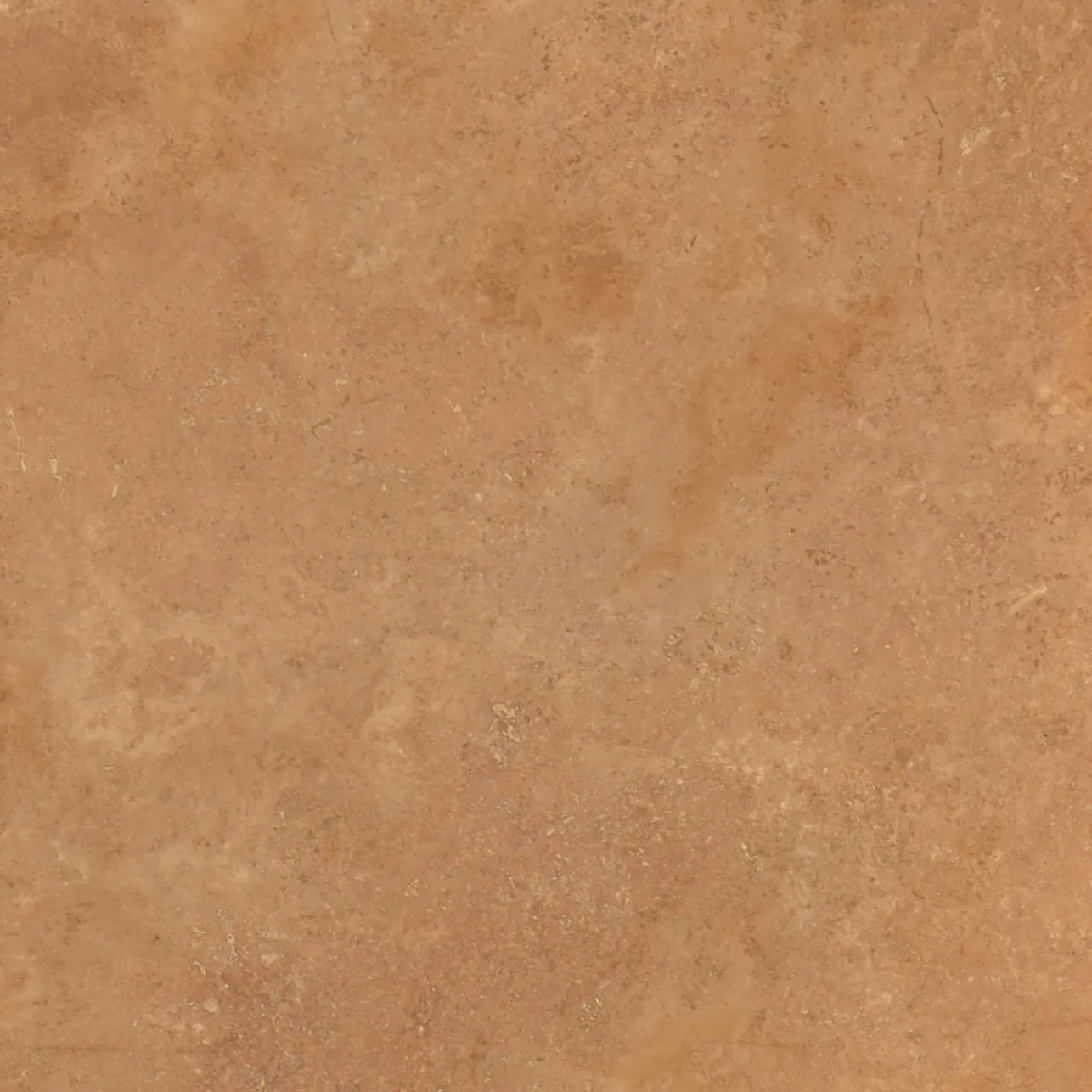
From a technical standpoint, this material has served as a primary building block for architectural monuments since the Roman era, prized for its structural stability and aesthetic longevity. Its durability and compressive strength make it suitable for load-bearing applications, while its aesthetic versatility allows for diverse interior and exterior finishes. Understanding the mineralogical composition is vital for procurement managers, as the presence of minor impurities dictates the stone's final color palette. The presence of iron compounds or organic matter during formation results in a spectrum ranging from ivory and beige to deeper walnut and silver tones.

Characteristics and Properties

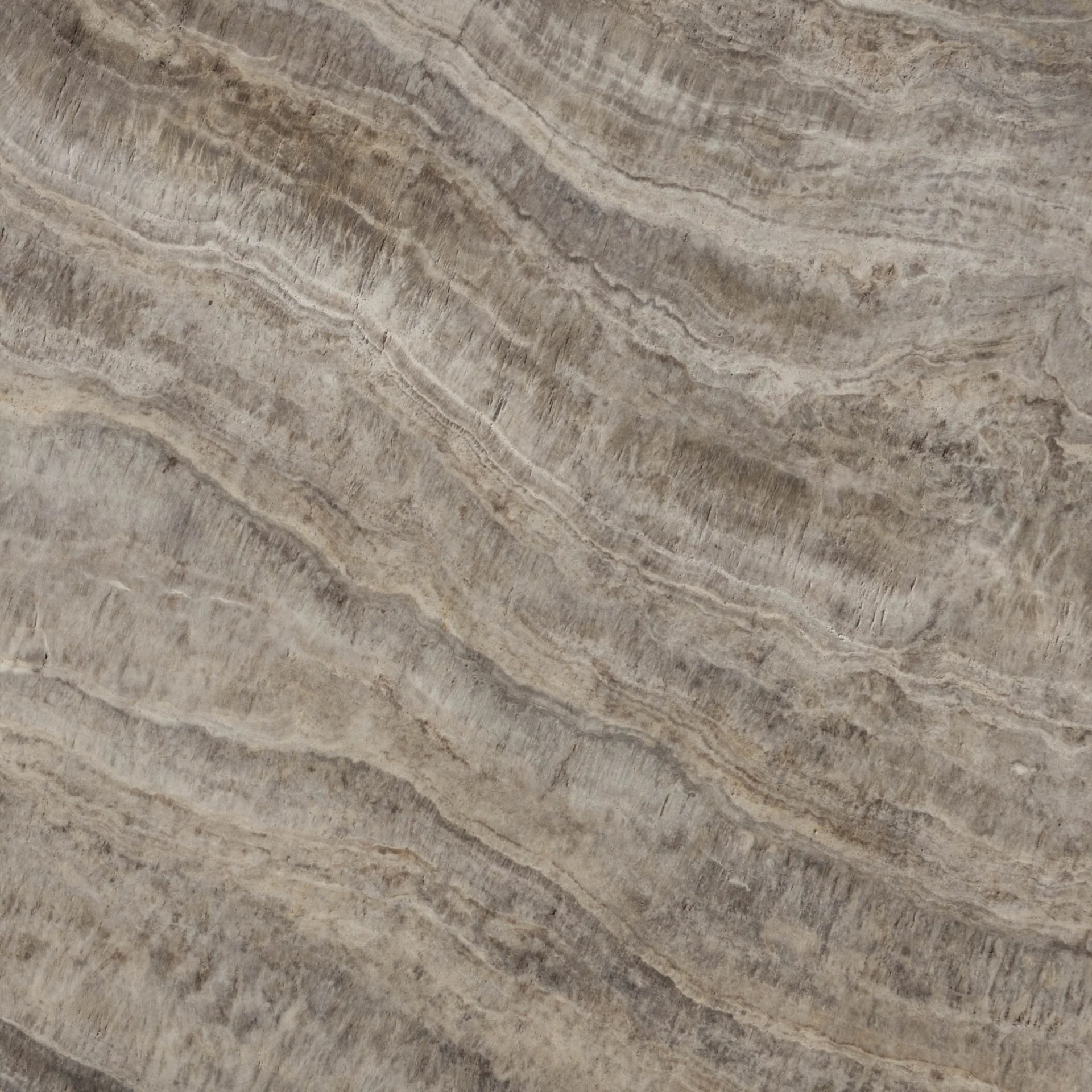
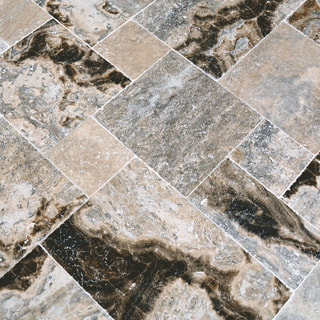
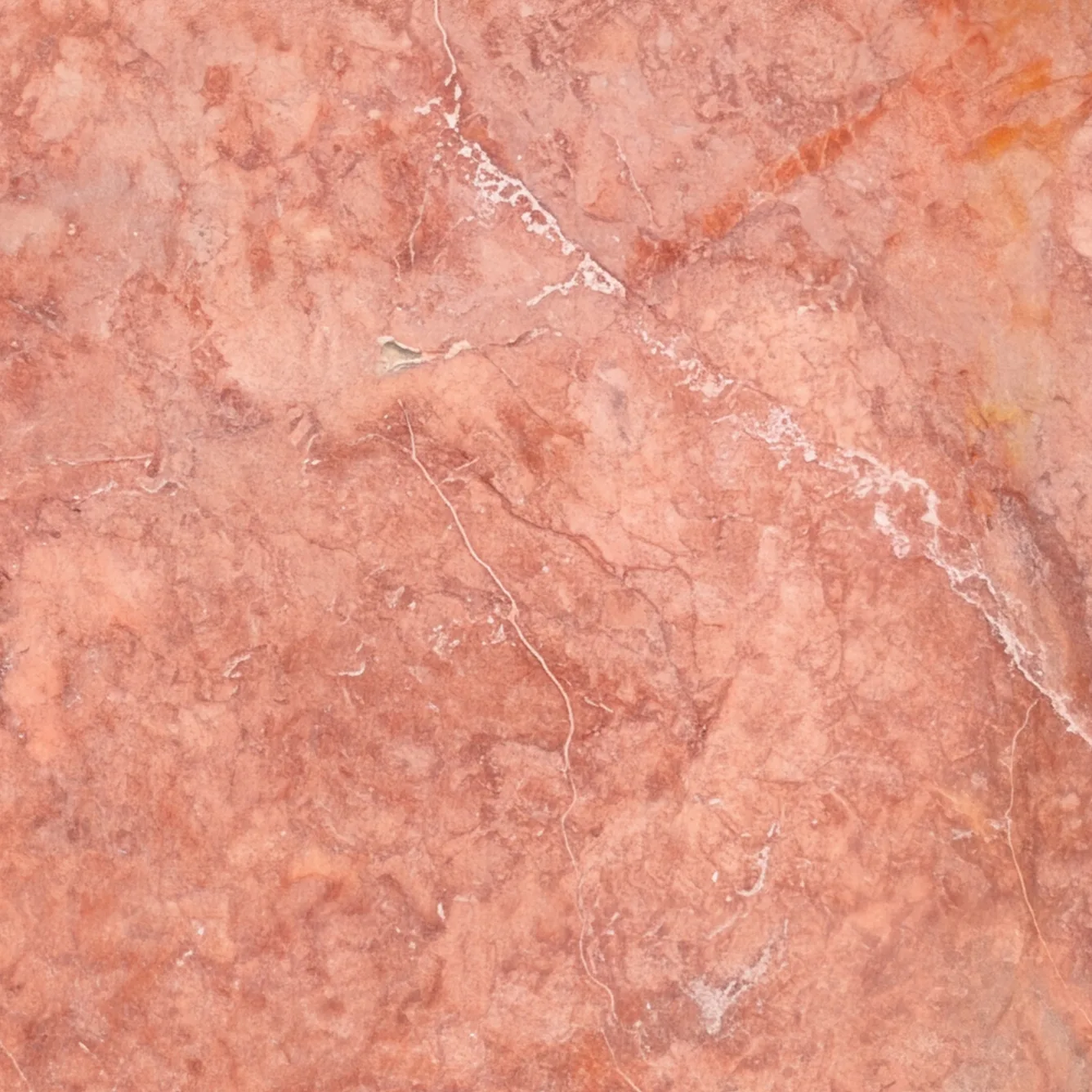
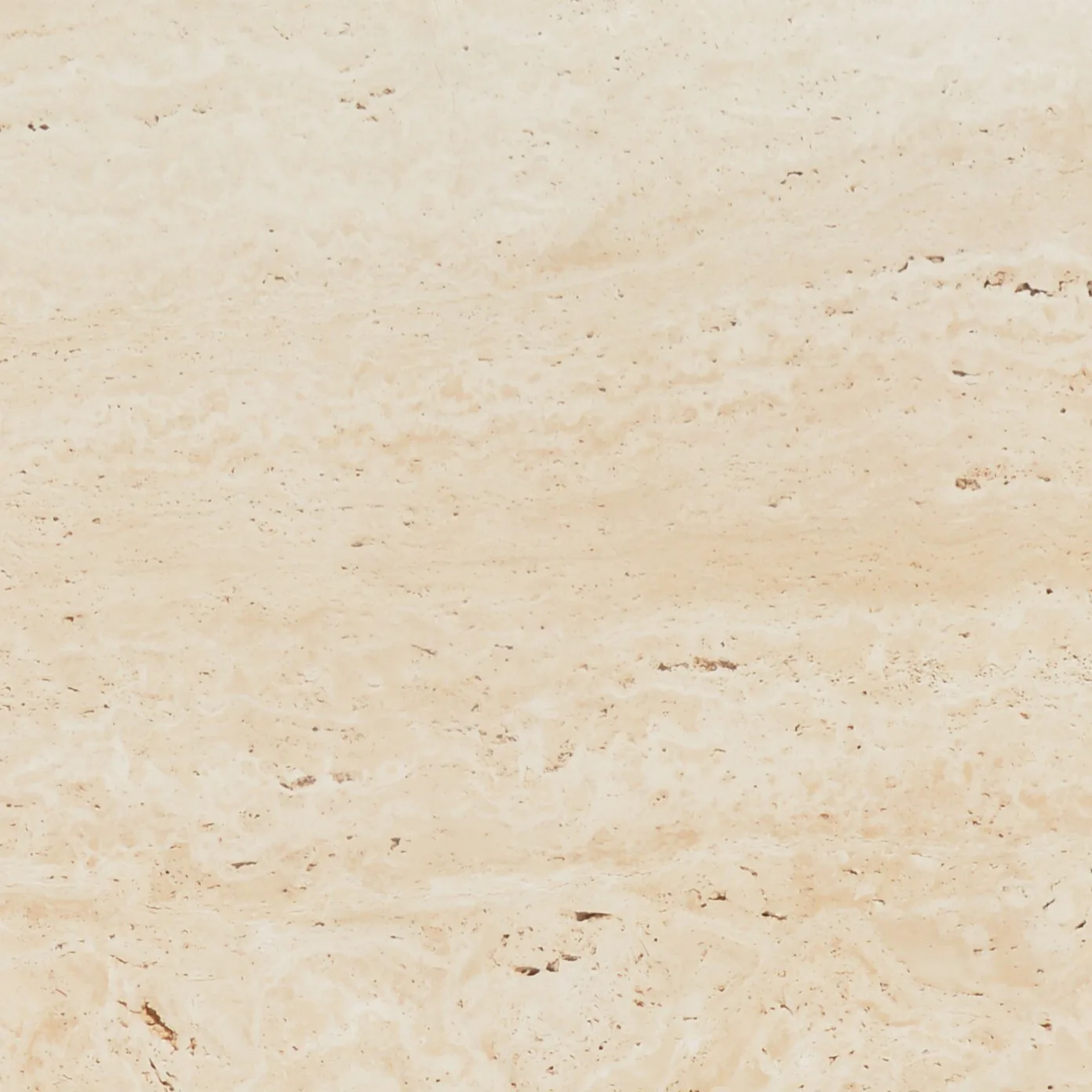
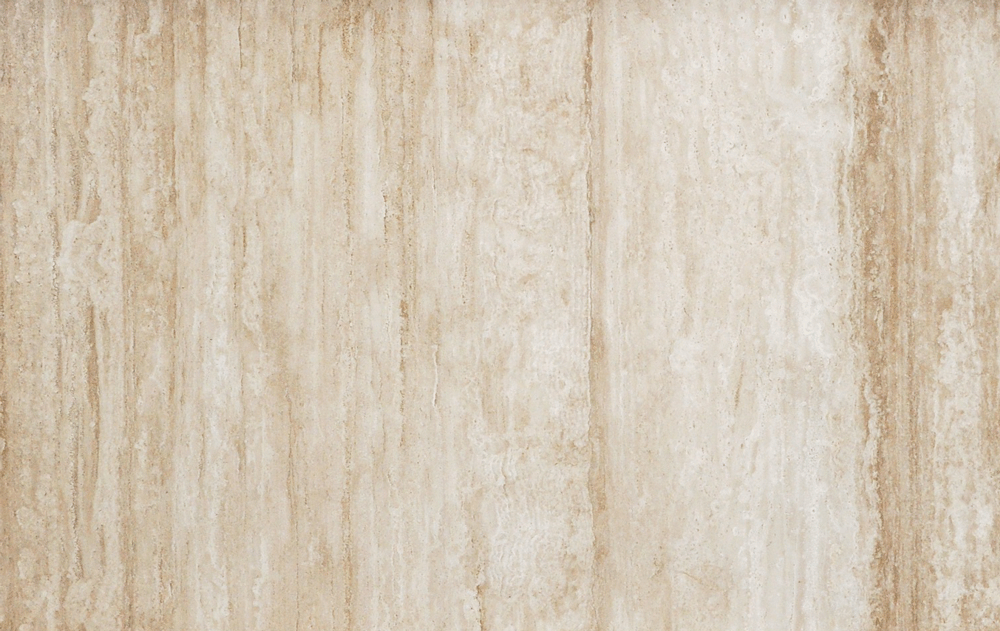
Visual properties of this stone are primarily defined by the cutting direction relative to the bedding plane. The porous nature of the material creates a high-texture surface that can be either left open for a natural look or filled with cementitious or epoxy resins for a smoother finish. While the stone is naturally light-colored, mineral variations produce a spectrum including tan, grey, and even vibrant red hues. Professionals often distinguish between the linear veining of vein-cut slabs and the cloudy, floral patterns of cross-cut selections. This distinction is critical for maintaining visual continuity across large-scale architectural facades.

Physical properties are critical for engineering specifications. Travertine typically exhibits a lower density than granite but offers excellent thermal properties, making it an ideal choice for flooring in climates with significant temperature fluctuations. Its porosity requires careful consideration regarding water absorption rates. When compared to other materials, as detailed in our You must know marble's properties before using it at home, travertine provides a softer tactile experience than granite while offering higher slip resistance in its unfilled and honed states. This slip resistance makes it a preferred specification for wet areas and high-traffic public zones.

Popular Varieties from Turkey

Turkey remains a global leader in the extraction and processing of premium travertine, with major quarrying hubs located in Denizli, Sivas, and Afyon. These regions yield distinct varieties that meet diverse architectural requirements. Procurement teams should evaluate these specific selections for consistency in color and structural integrity:

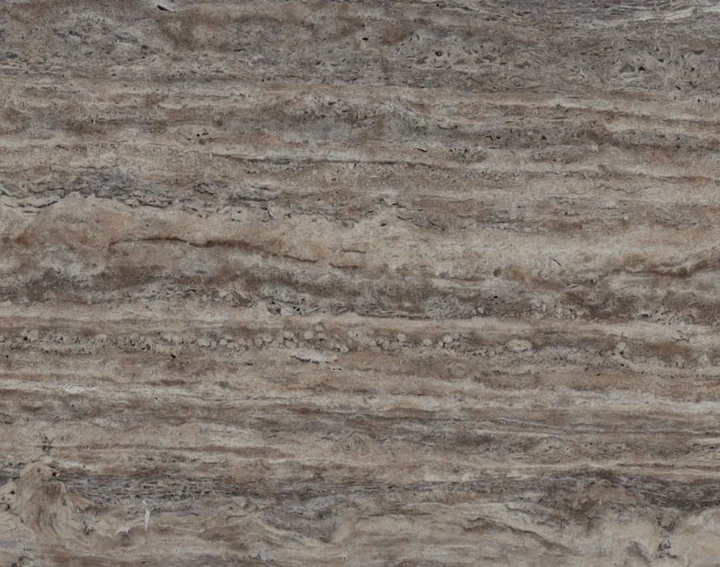
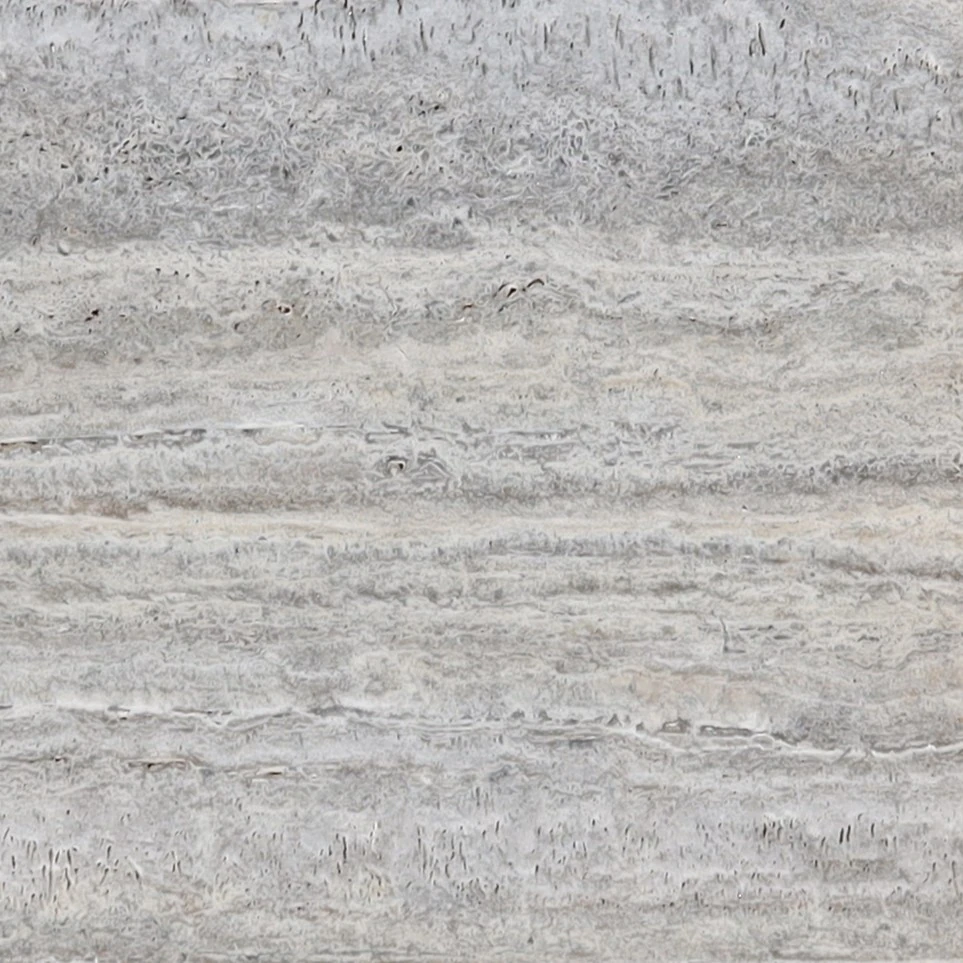
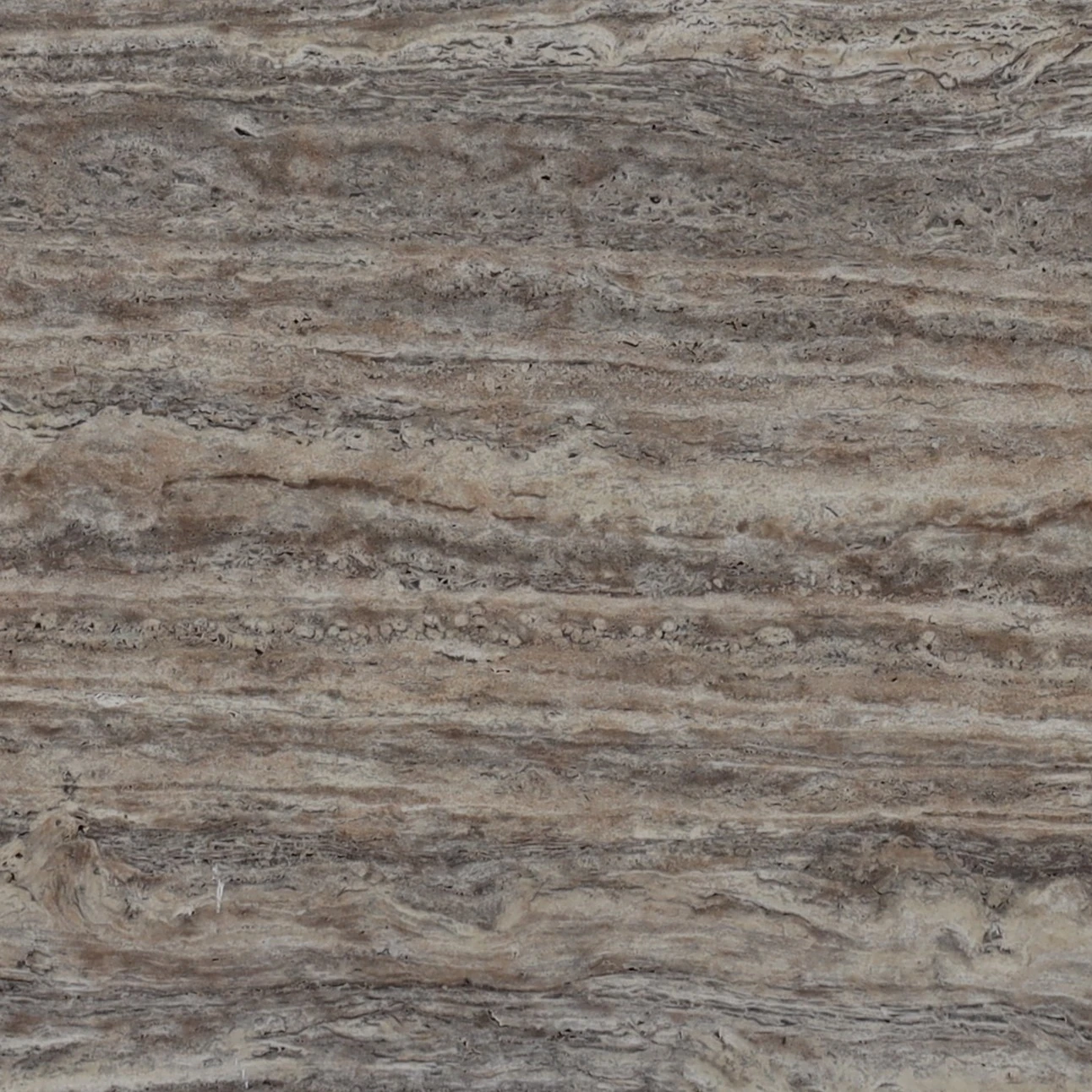
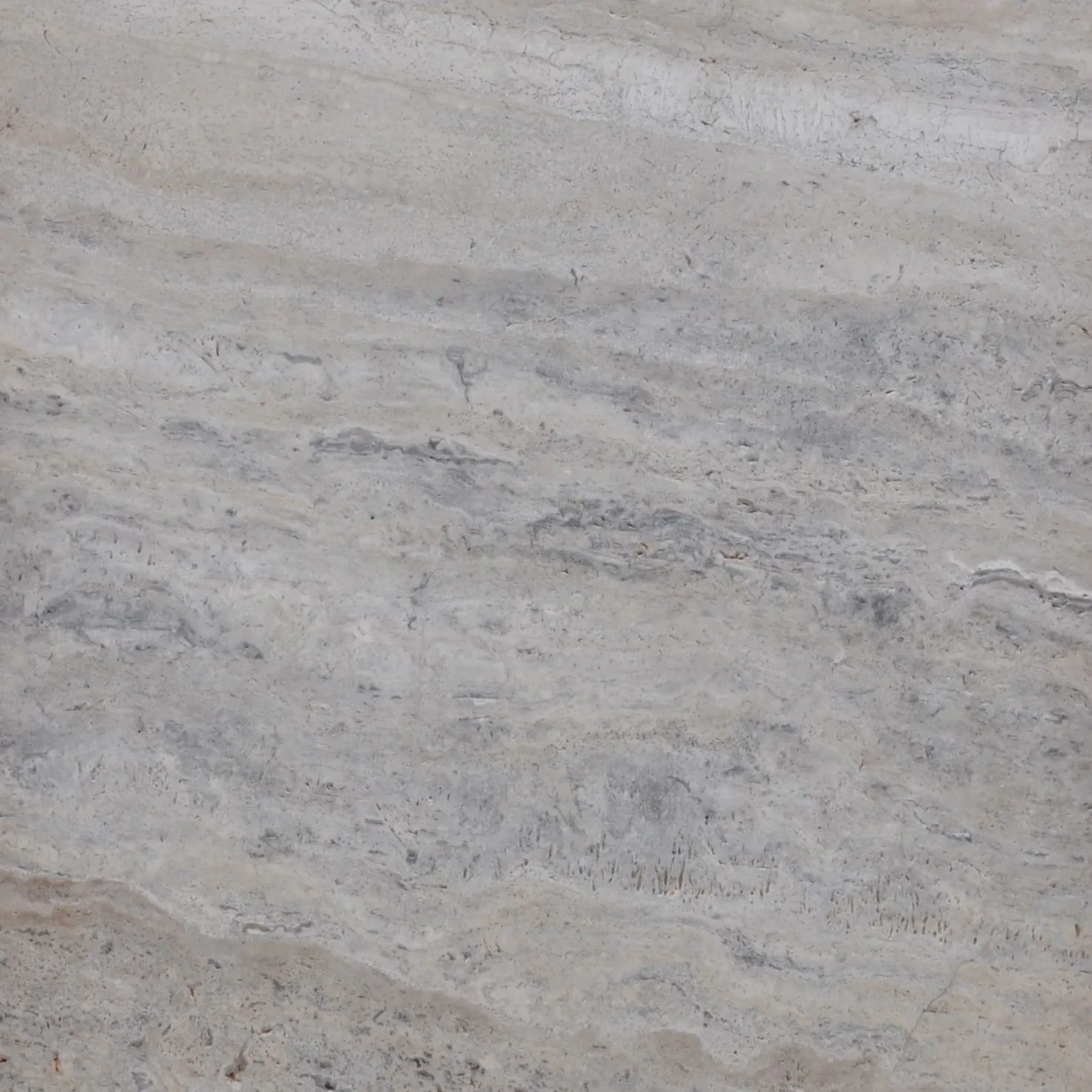
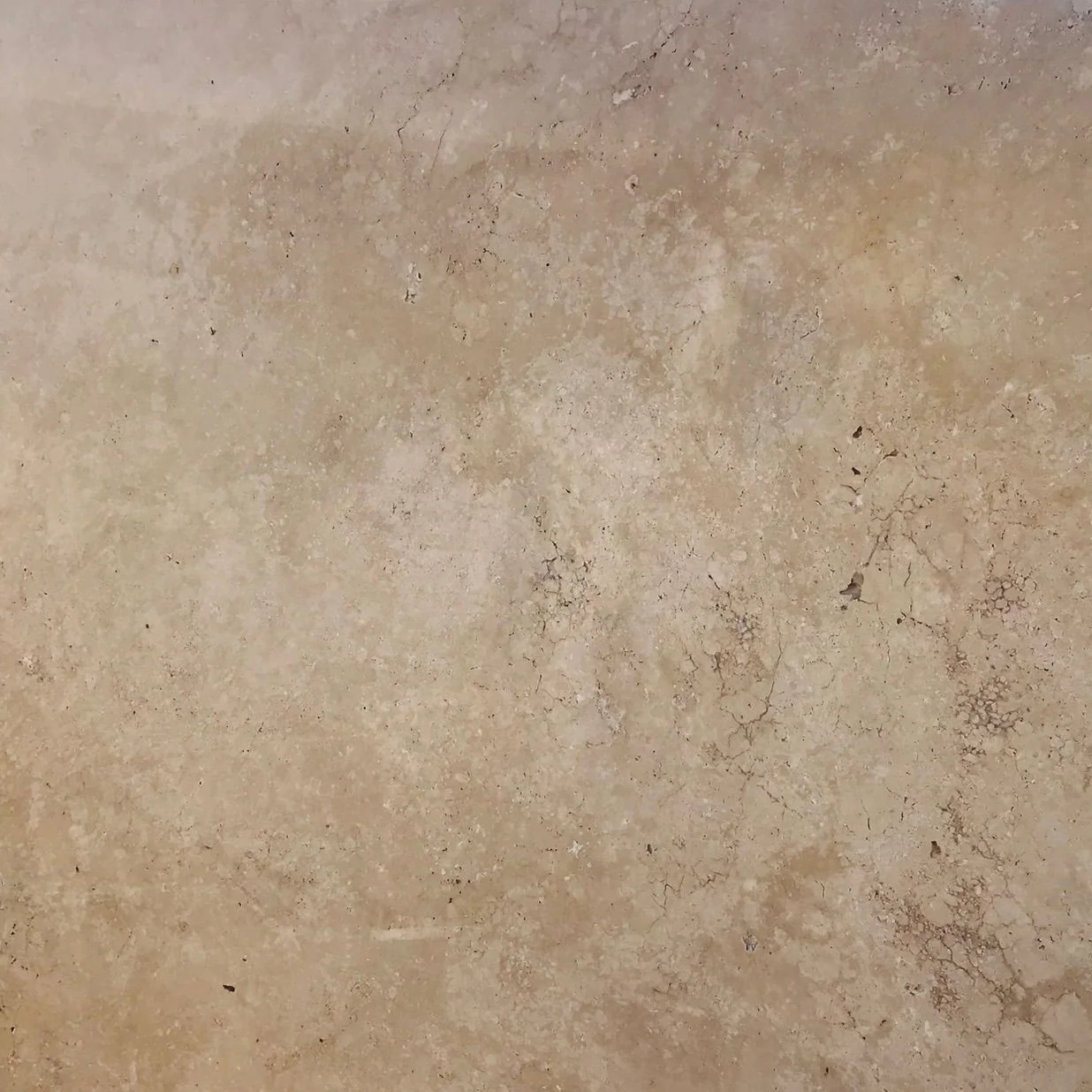
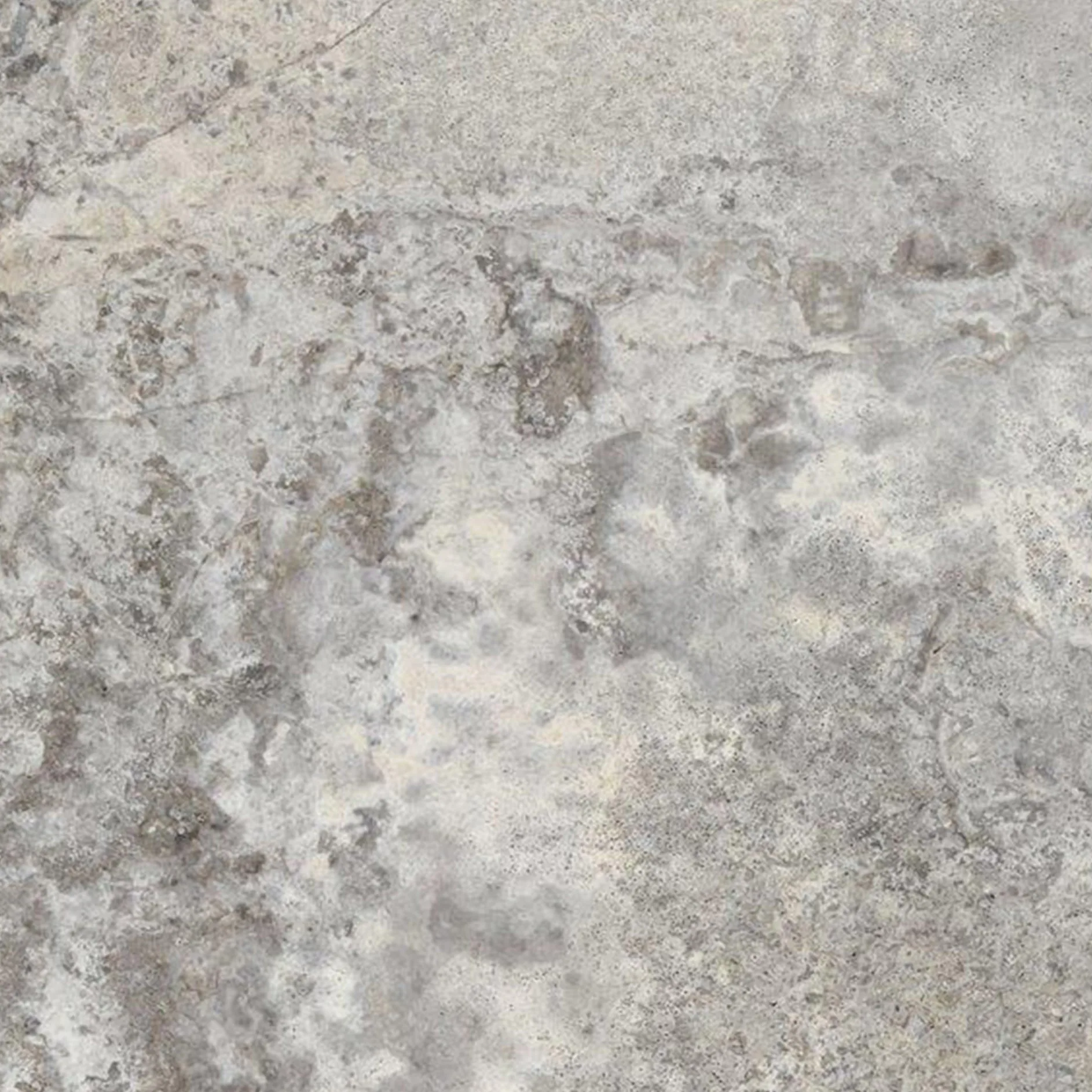
  • Silver Travertine: A sophisticated grey-toned stone from the Denizli region, frequently specified for modern commercial facades and minimalist interior cladding.
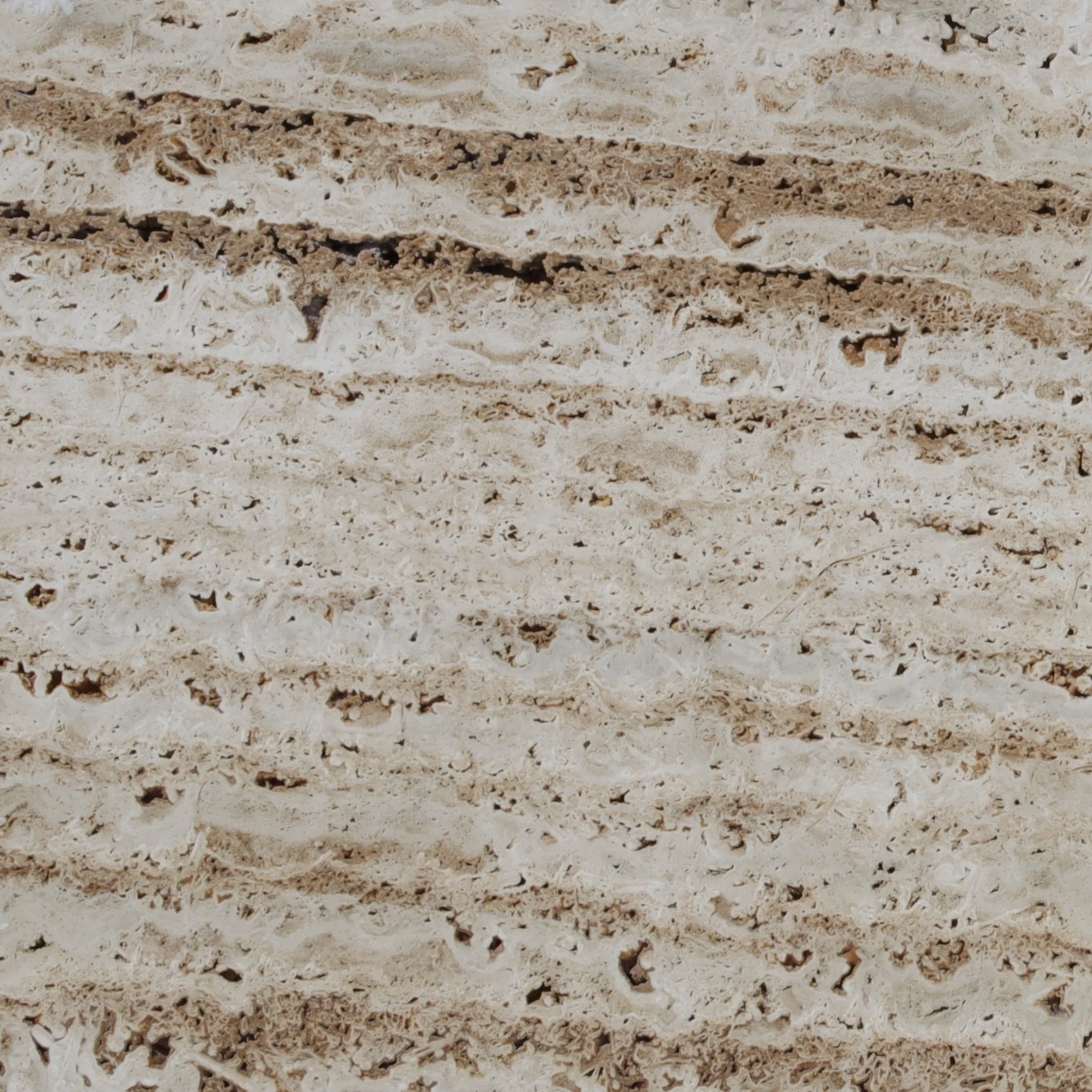
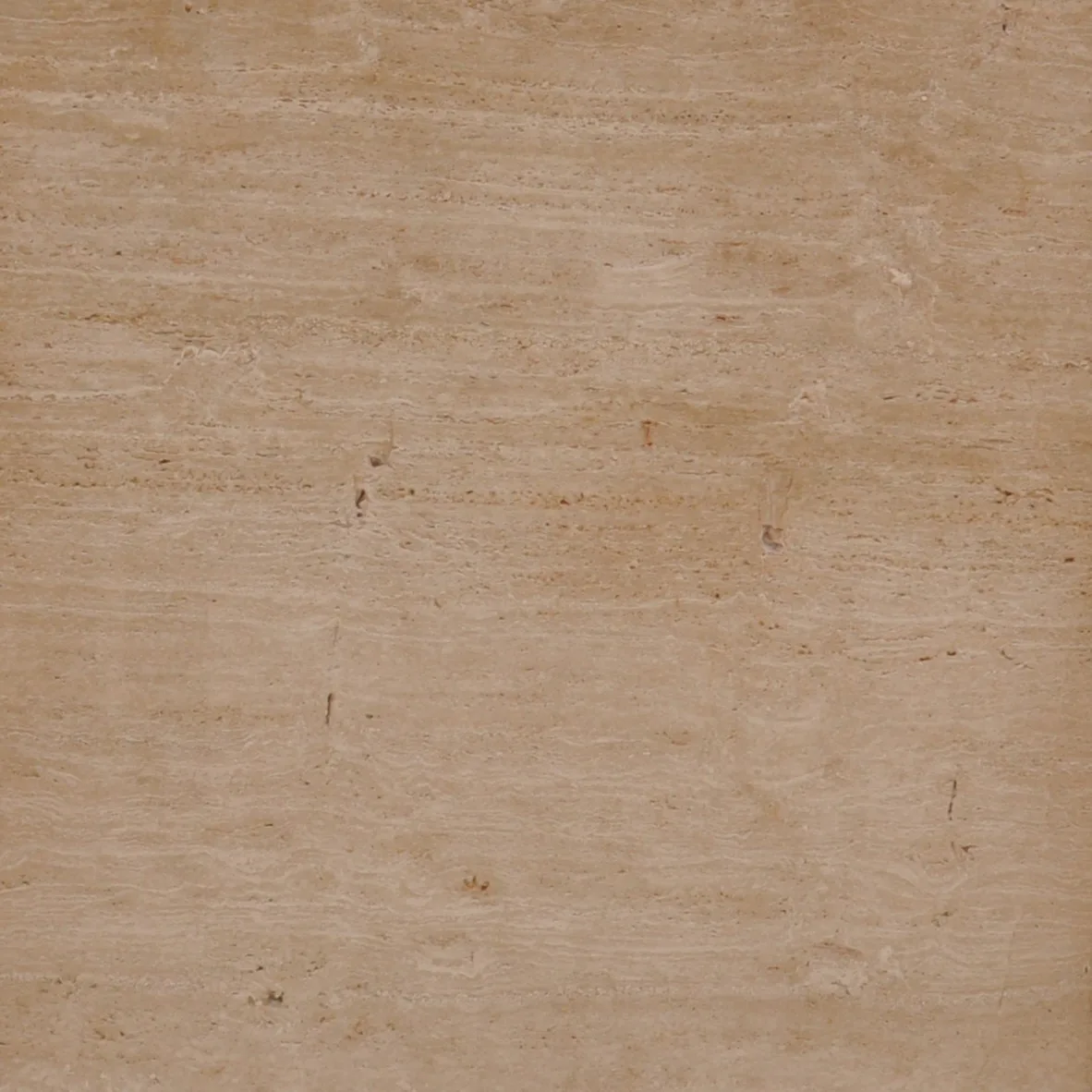
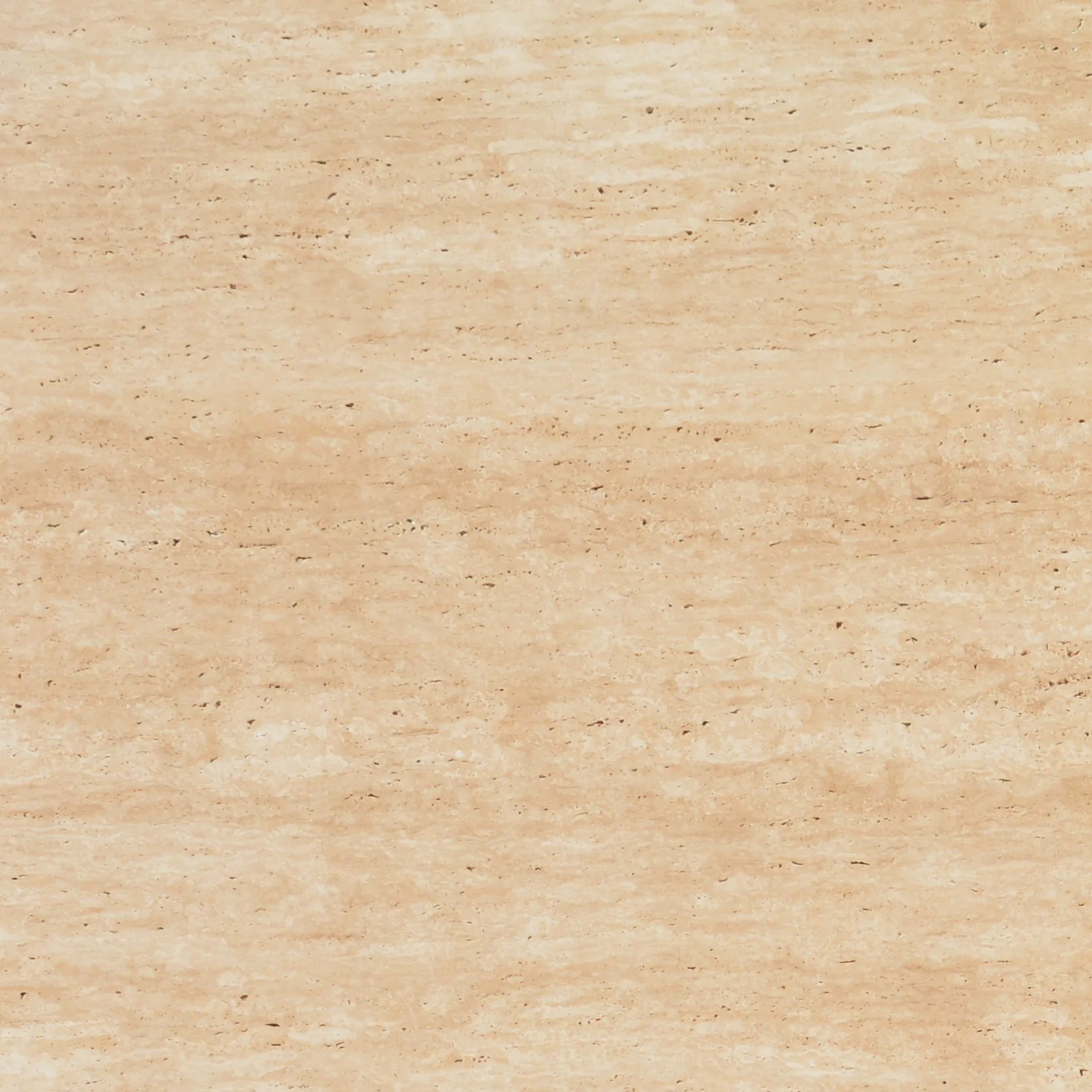
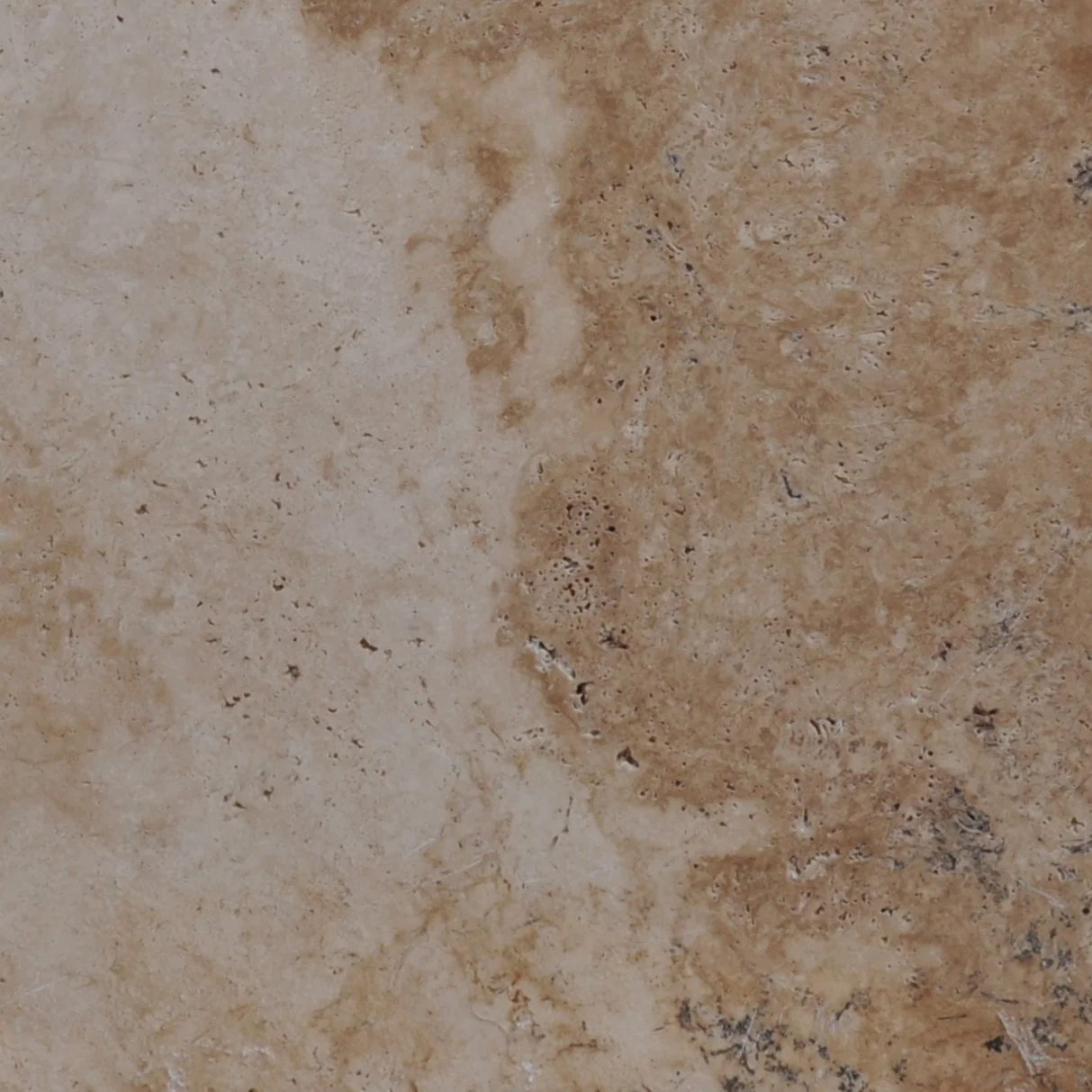
  • Classic Travertine: The industry standard for ivory and light beige tones, sourced extensively for residential flooring and traditional architectural elements.
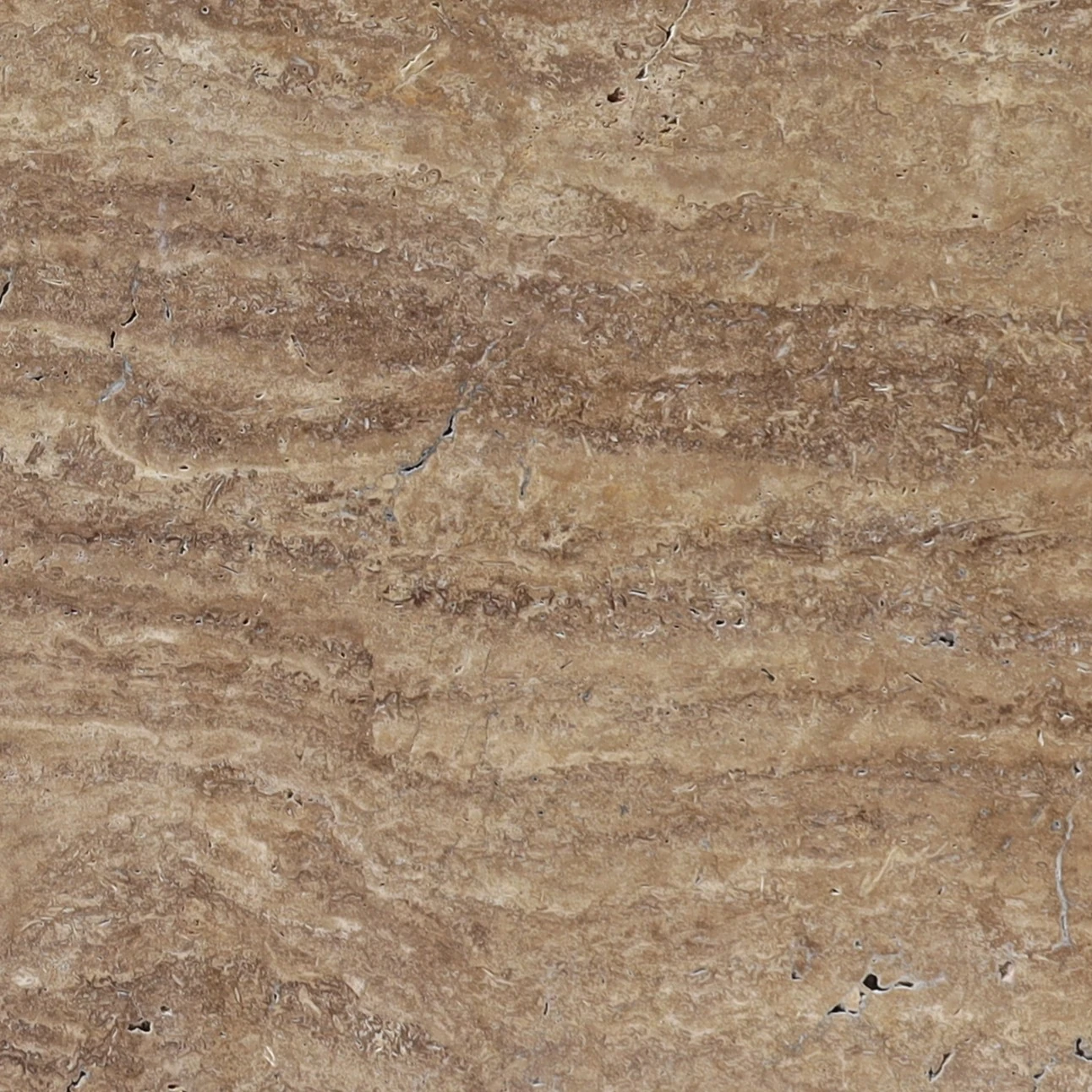
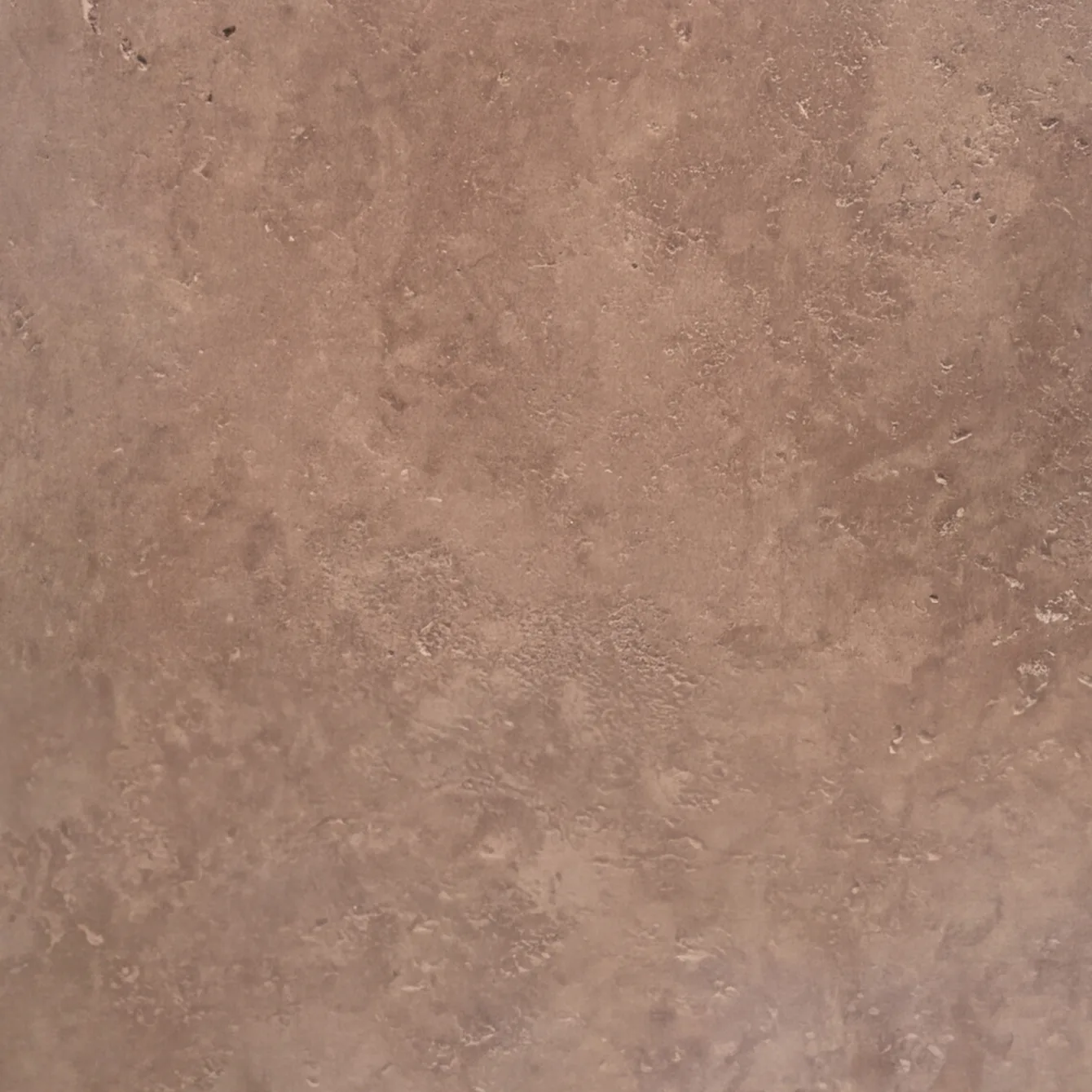
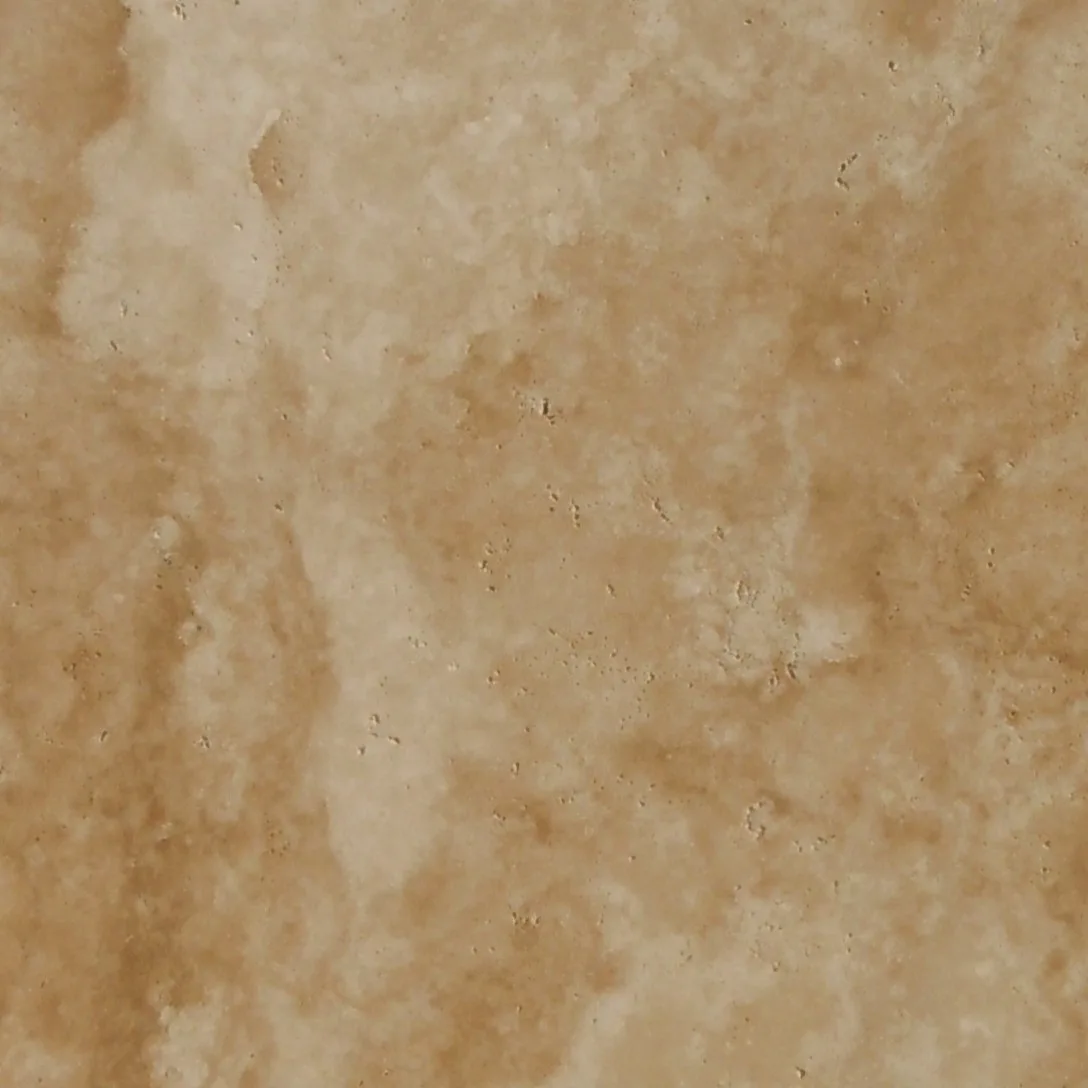
  • Noche Travertine: A darker, chocolate-brown variety that provides high contrast in multi-stone patterns and high-end cabinetry accents.
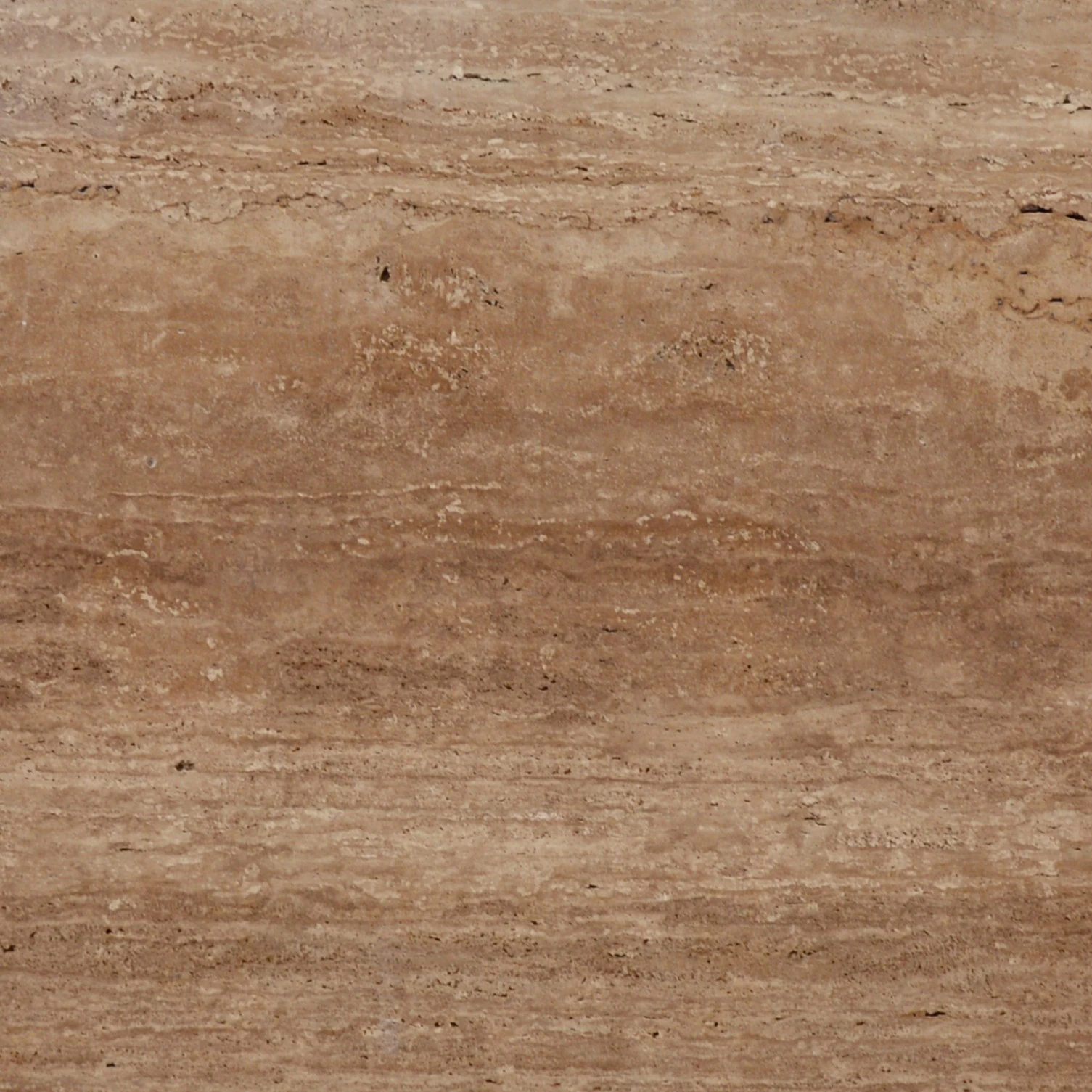
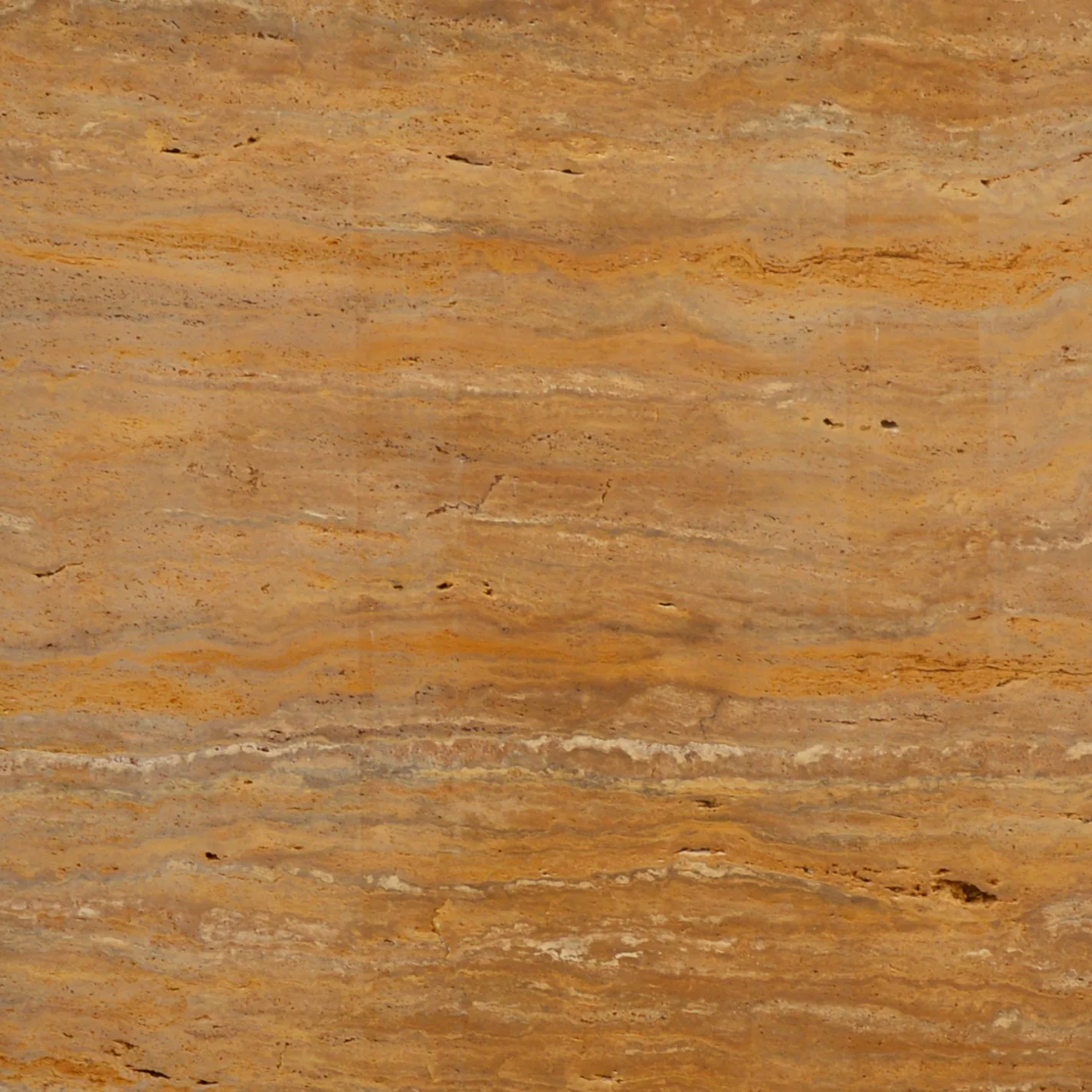
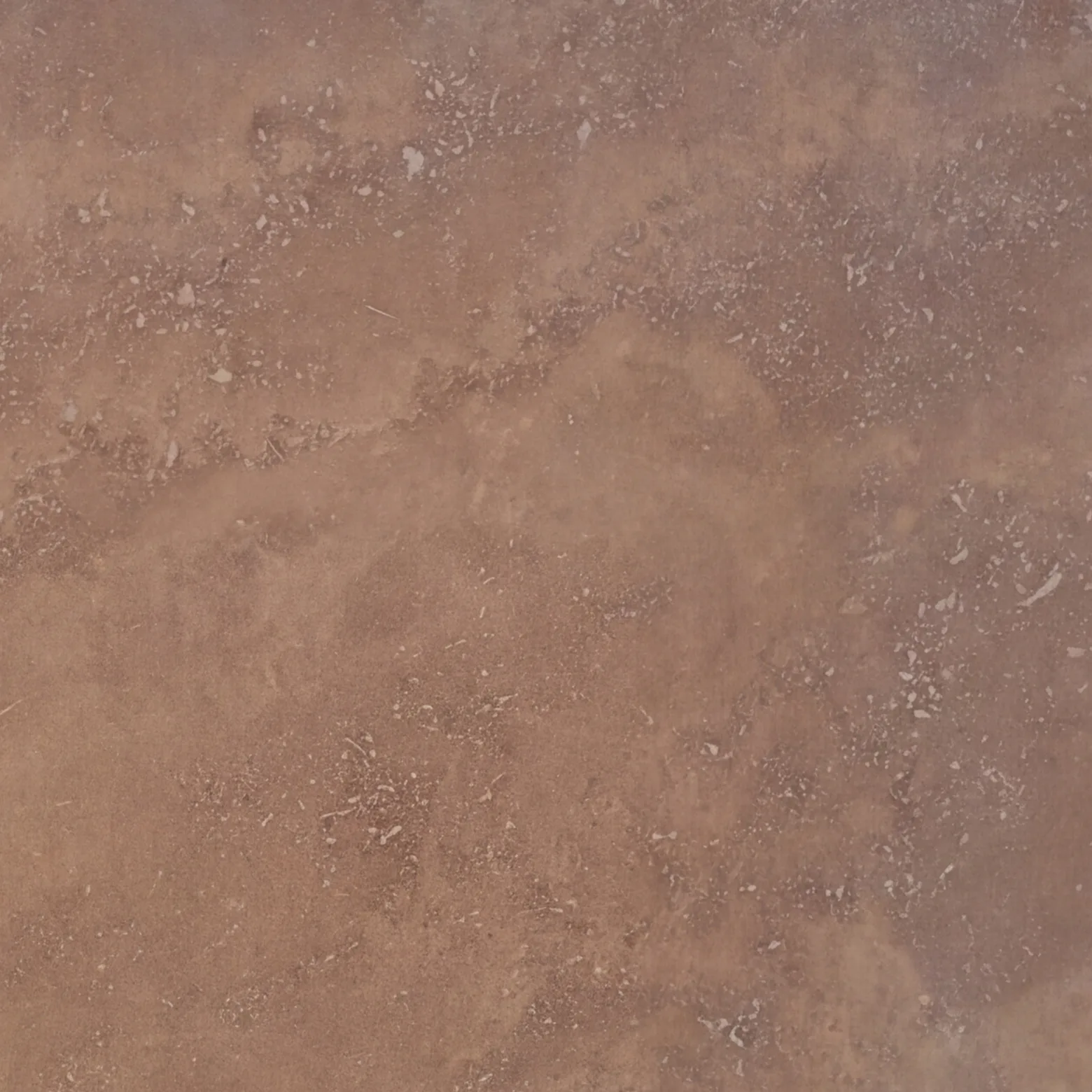
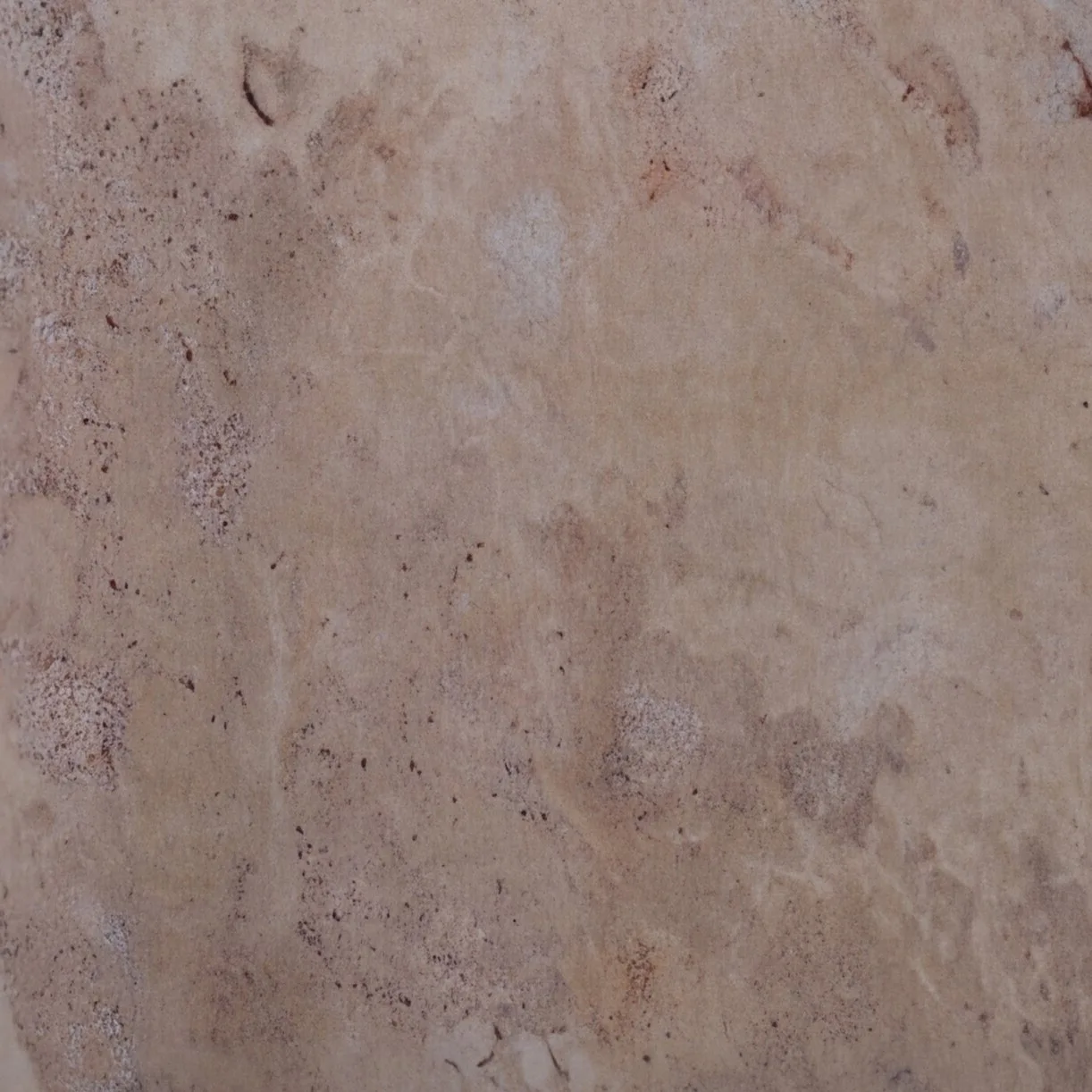
  • Red Travertine: Sourced from specialized quarries, this variety offers unique terracotta and deep crimson veining for bold accent applications.
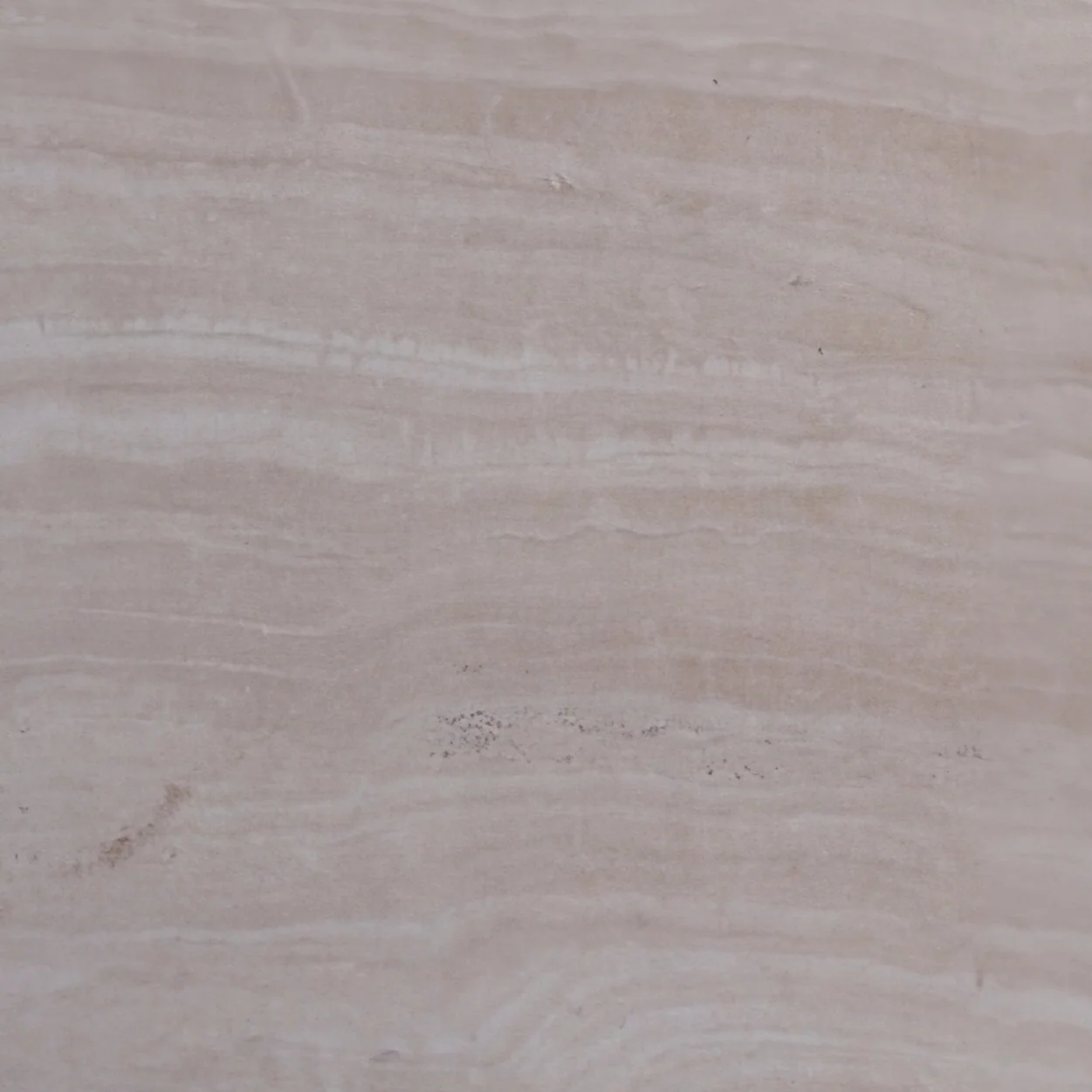
  • White Travertine: A rare, high-luminosity stone often used in luxury hospitality projects to provide the appearance of light limestone with superior structural density.
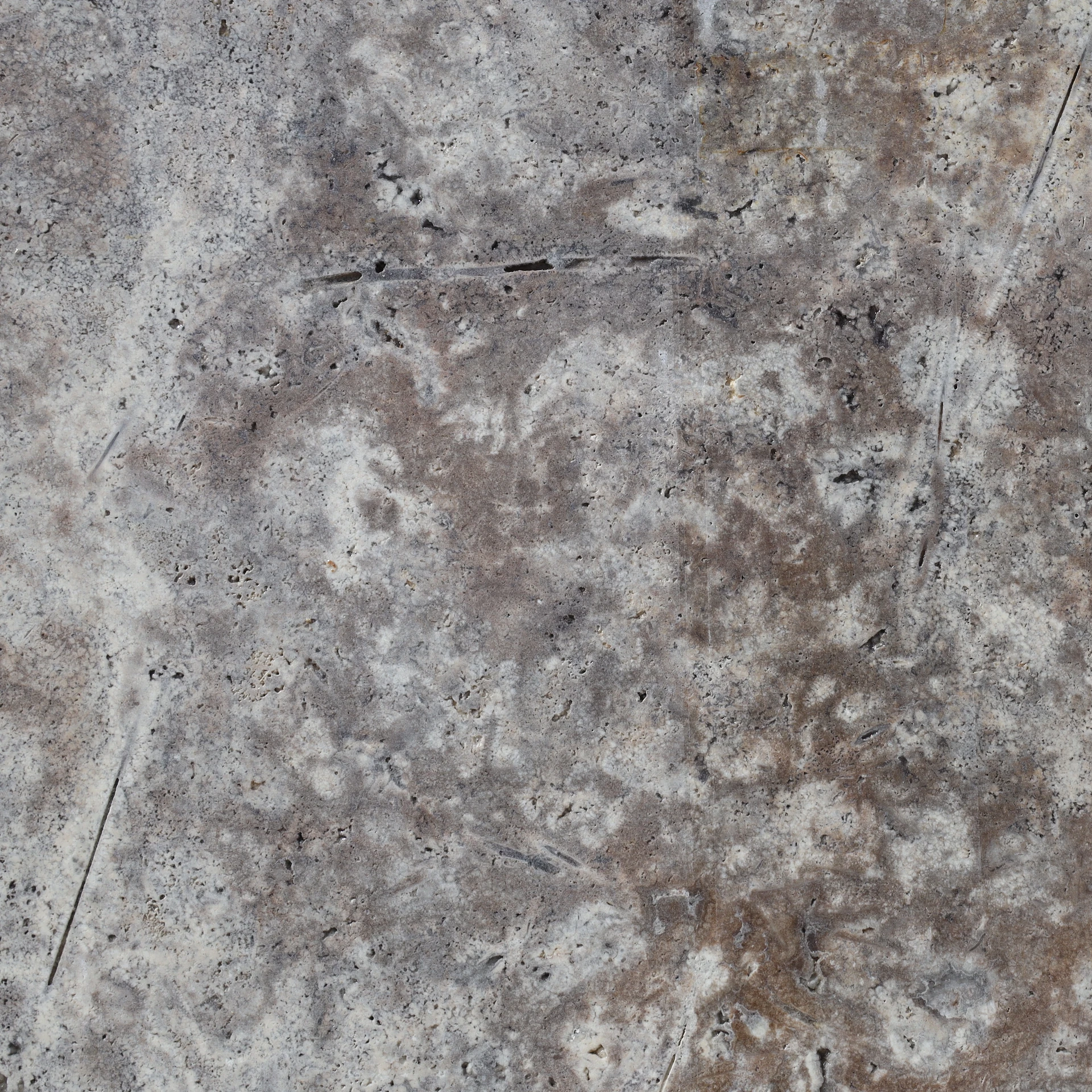
  • Antique Pewter Travertine (Honed): A specialized finish providing a muted, weathered aesthetic suitable for restoration projects and rustic interior designs.

Applications and Use Cases

In interior environments, the stone is a preferred medium for high-traffic flooring, wall cladding, and bathroom vanities. Because of its excellent heating properties, it performs exceptionally well with underfloor heating systems, maintaining an even ambient temperature. For large-format applications, such as reception desks or continuous wall features, professionals should utilize Travertine Slabs to ensure vein matching and minimal grout lines. The material is also frequently used for backsplashes and decorative mosaics due to its ease of fabrication into smaller, intricate units.

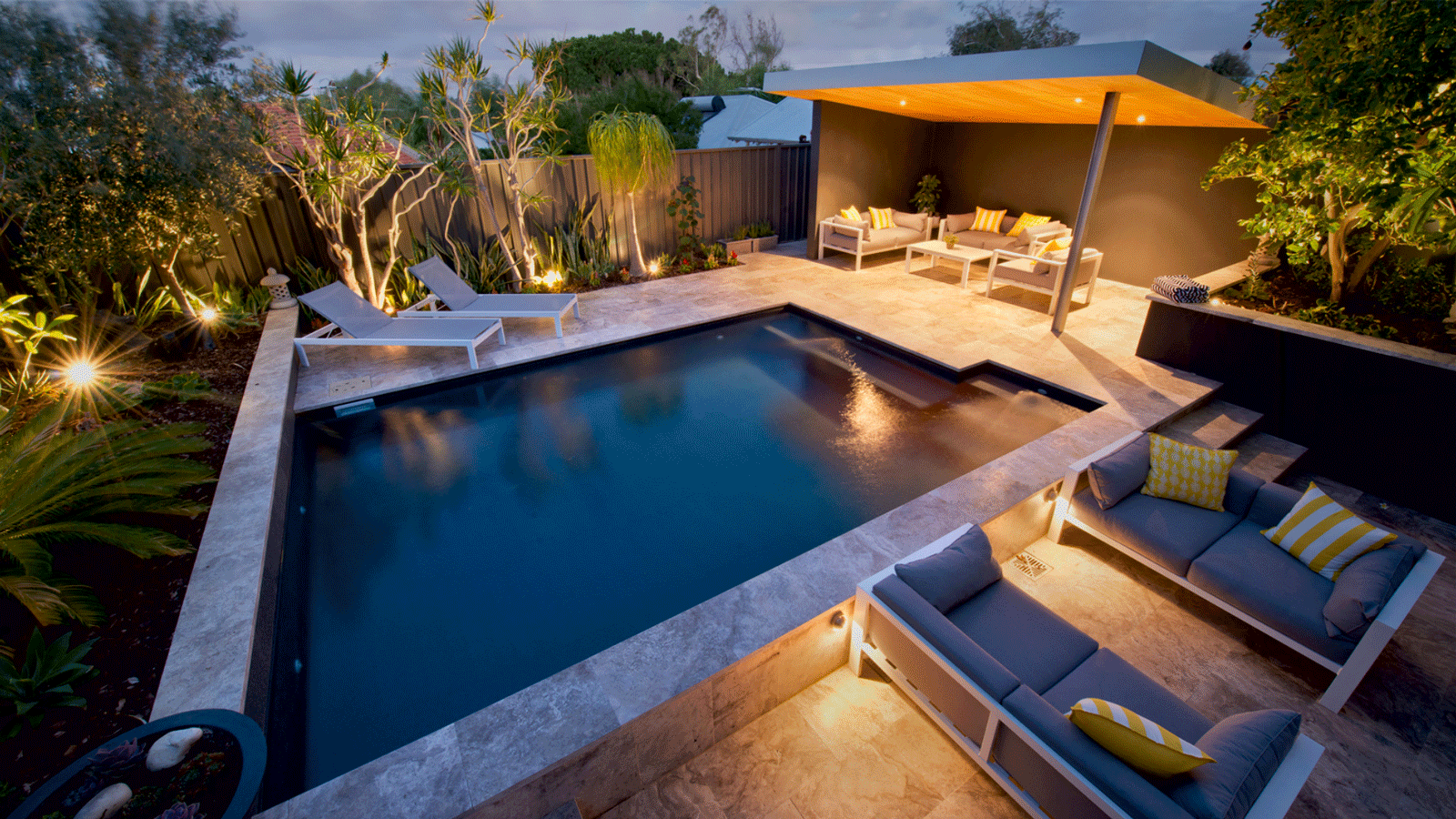
Exterior applications benefit from the stone's natural slip resistance and thermal mass. It is commonly specified for silver travertine pool decks and pool coping because it remains cool under direct sunlight, avoiding the heat retention issues common with darker igneous rocks. In commercial sectors, the durability of Travertine Tiles makes them suitable for hotel lobbies and retail spaces where long-term wear resistance is mandatory. For infrastructure or large-scale landscaping, sourcing Travertine Blocks directly from the quarry allows for custom fabrication of massive architectural elements like columns and heavy lintels.

Finish Options and Technical Specifications

Surface treatments dictate both the performance and the maintenance schedule of the installation. We offer the following industry-standard finishes:

  • Honed: A matte, non-reflective surface that provides a contemporary look while maintaining high slip resistance. This is the most common specification for commercial flooring.
  • Polished: A high-gloss finish that enhances color depth and closes surface pores, typically used for vertical wall cladding or luxury vanities.
  • Brushed: A textured finish achieved by wire brushing the surface, resulting in a sophisticated, weathered feel that hides footprints and minor wear.
  • Tumbled: Mechanical agitation creates rounded edges and an antique appearance, frequently applied to smaller tile formats for a rustic aesthetic.
  • Sandblasted: A high-grip finish achieved by high-pressure sand application, recommended for external walkways and public ramps.

Standard thickness for tiles is typically calibrated at 1.2cm, 2cm, or 3cm. Slabs are generally produced in 2cm and 3cm thicknesses to balance weight and structural integrity. Standard tile dimensions range from 30.5x30.5cm up to large-format 60x120cm units, while slabs vary based on the original block dimensions extracted from the quarry face, typically averaging 250-280cm in length. For comprehensive technical data on stone selection, refer to The Ultimate Guide to Travertine Tile: Everything You Need to Know.

Care and Maintenance

Proper maintenance starts with the initial sealing process. Because travertine is a calcium-based porous stone, it is susceptible to etching from acidic substances. High-quality penetrating sealers must be applied upon installation to reduce the moisture absorption rate and prevent staining. This is especially critical for unfilled varieties where debris can accumulate in surface voids. For further details on maintaining stone integrity, consult our guide on How to Get Rid of Marble Stains?.

Daily cleaning should be performed using pH-neutral stone cleaners. Avoid all household detergents containing lemon, vinegar, or bleach, as these will chemically react with the calcium carbonate and dull the finish. For exterior installations, periodic power washing and resealing every 2-3 years will maintain the stone's structural integrity. Procurement managers should note that while the stone is durable, its softer texture compared to granite means that heavy impact can cause localized chipping, which should be repaired using color-matched epoxy resins.

Why Source from EfesusStone?

Established in 1943, EfesusStone maintains direct control over the supply chain, from quarry extraction to final export. This longevity in the Turkish stone industry ensures that our grading standards meet the rigorous requirements of international architectural projects. We utilize modern diamond wire cutting technology to minimize micro-fractures in our Travertine Blocks, ensuring higher yields during fabrication and superior edge clarity.

Our logistics team manages the complexities of international stone transport, utilizing specialized A-frame packaging for slabs and reinforced crating for tiles. Every lot undergoes inspection for color uniformity and dimensional accuracy before dispatch. By eliminating intermediaries, we provide B2B buyers with consistent material quality and technical support for large-scale procurement needs. Our experience in the Afyon and Denizli regions allows us to secure the highest grade of premium travertine for demanding commercial specifications.

Frequently Asked Questions

Vein-cut travertine is sliced parallel to the natural bedding planes of the sedimentary rock. This technique exposes the linear, layered structure of the stone, creating a striped appearance that is highly sought after for modern architectural cladding. In contrast, cross-cut travertine is sliced perpendicular to the bedding plane, resulting in a cloudy, non-linear pattern that highlights the stone's circular mineral deposits. Both formats are available in our Travertine Slabs inventory. The choice between them significantly impacts the visual scale and directionality of the final installation, with vein-cut often used to emphasize height in vertical applications.
The decision to specify filled or unfilled travertine affects both the maintenance profile and the aesthetic outcome of a project. Filled travertine has its natural surface voids sealed with resin or cementitious grout at the factory, which reduces moisture absorption, prevents debris accumulation, and simplifies daily maintenance in high-traffic commercial zones. Unfilled travertine retains its natural porosity, providing a raw, organic texture often preferred for exterior walls or rustic interiors. However, unfilled stone requires more frequent sealing and careful consideration of the environment to prevent organic growth within the voids. This specification must be confirmed during the procurement phase to ensure the stone meets local building codes and performance expectations.
Upon delivery, procurement managers should immediately inspect the lot for color uniformity across the crates, ensuring the material matches the approved range samples. Check for edge chipping, structural cracks, and the quality of the factory fill if applicable. It is essential to verify that the dimensions and thickness match the project specifications within industry tolerances. For large-scale orders, we recommend a dry-lay inspection to plan the blending of natural color variations. Refer to our You must know marble's properties before using it at home for detailed information on acceptable tolerance levels and grading standards used by EfesusStone since 1943.
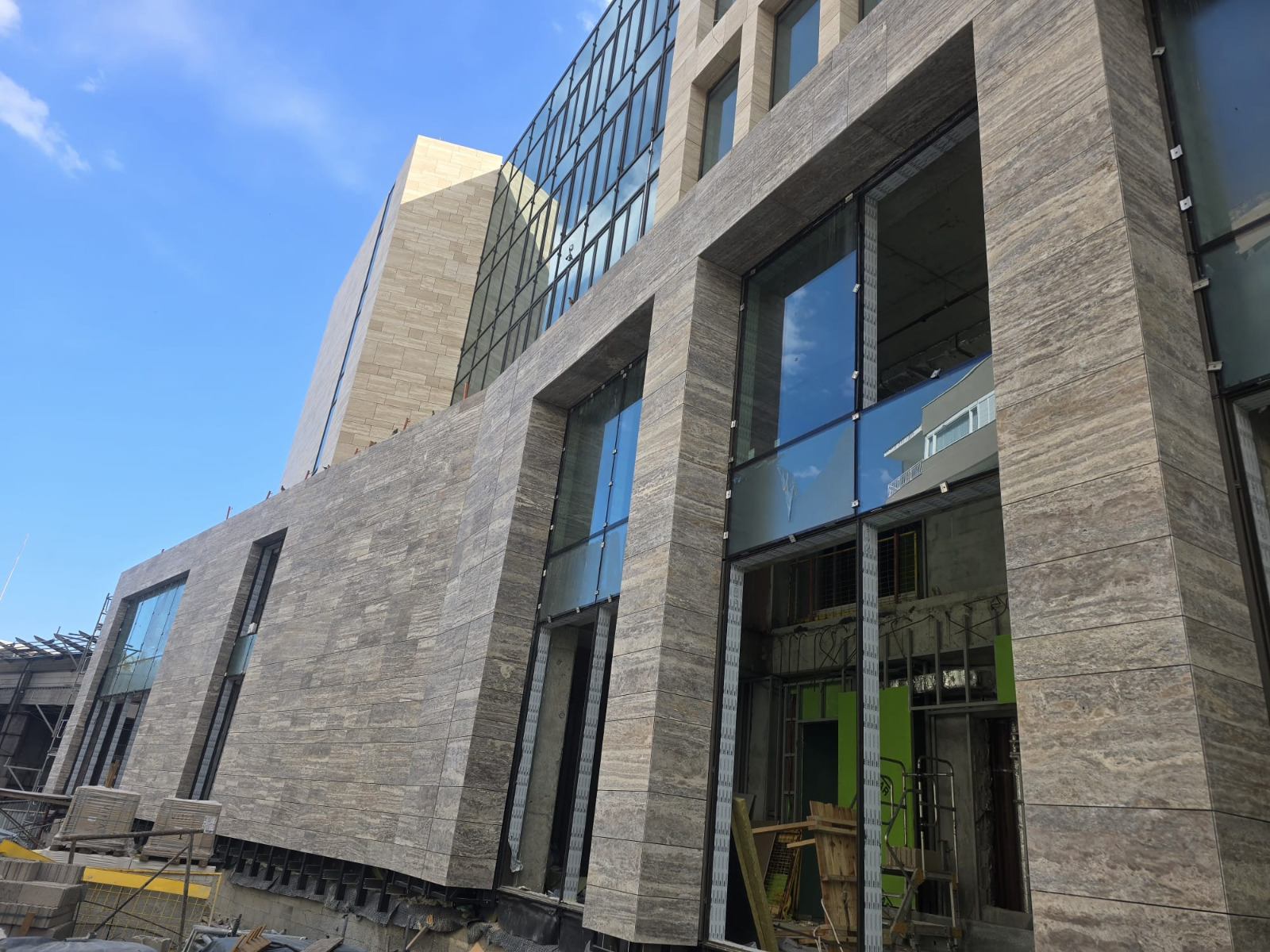
For exterior vertical cladding, a minimum thickness of 3cm is generally recommended to accommodate the mechanical anchoring systems required for structural safety. This thickness provides the necessary strength to resist wind loads and thermal expansion stresses. While 2cm tiles may be used for certain residential applications, commercial facades demand the increased durability of thicker slabs. Buyers should consult with structural engineers to determine the specific requirements for their Travertine Tiles or slab installation, particularly regarding the weight-bearing capacity of the substrate and the specific anchoring hardware intended for the project to ensure long-term stability and safety.
Importing Travertine Blocks requires specialized heavy-lift equipment, including gantry cranes or heavy-duty forklifts, at both the port of entry and the destination processing facility. Logistics managers must ensure that the supplier provides a detailed block list that includes individual weights, dimensions, and quarry origins for customs documentation. Since blocks are sold by weight, accurate measurement at the source is vital. Additionally, verify that the shipping line can accommodate the concentrated weight of raw stone blocks within standard container limits to avoid surcharges or equipment failure during transit. EfesusStone provides comprehensive documentation and specialized loading protocols to facilitate this complex international logistics process.
Yes, travertine is known for its excellent thermal mass and low thermal conductivity. In practical terms, this means the stone does not absorb and retain heat as aggressively as darker granite or basalt. This property makes it an industry-standard choice for silver travertine pool decks and outdoor patios, as the surface remains comfortable for barefoot traffic even in high-temperature environments. Internally, these same properties make travertine an efficient conductor for radiant floor heating systems, providing consistent heat distribution throughout the architectural space without the risk of thermal shock or cracking common in less stable materials, making it a superior choice for varied climates.
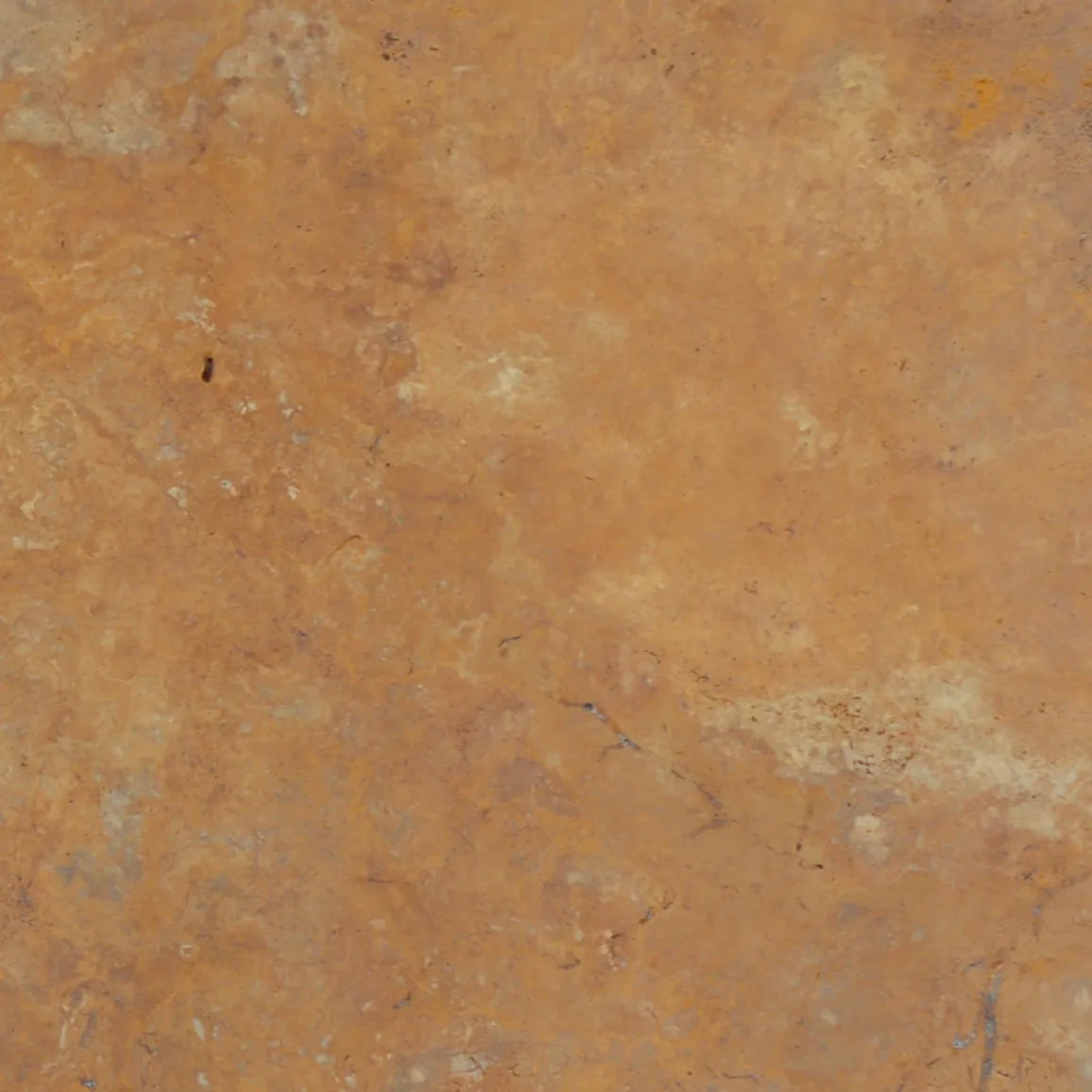
Turkish travertine quality is largely dictated by the geological conditions of the quarry region. Denizli is world-renowned for producing high-density, light-colored travertine with minimal clay pockets, making it ideal for export-grade slabs. Sivas quarries are known for producing unique colored varieties, including intense silver and gold tones. Afyon provides a robust supply of classic beige and ivory materials with high structural stability. When sourcing, it is critical to work with a manufacturer like EfesusStone that has established quarry operations, ensuring access to the most stable layers of the deposit which yield superior structural integrity and color consistency across large production volumes for international commercial specifications.
While both are calcium-based stones, travertine is a sedimentary rock whereas marble is metamorphic. Travertine is generally more porous and slightly softer, which gives it superior slip resistance but makes it more susceptible to staining if not properly sealed. Marble offers a denser structure and a higher polish capacity, often preferred for high-gloss aesthetic requirements. However, travertine's thermal properties and resistance to freeze-thaw cycles make it far more suitable for exterior paving and pool surrounds compared to most marble varieties. For a deeper technical analysis of these differences, procurement teams should review our Underestimated aspects of marble to understand performance metrics in diverse environments.

Supply Notes

Sizing, finishing and selection support.

Custom sizes

Coordinate availability, production details and documentation with the Efesus Stone team.
Project finishes

Coordinate availability, production details and documentation with the Efesus Stone team.
Export packing

Coordinate availability, production details and documentation with the Efesus Stone team.