
 Türkçe
 Deutsch
 العربية
 Français
 Español
Marble is used all over the place today because it is used so much. From fountains to countertops, it is one of the most popular natural stones for interior and exterior design. It might not be so popular today if it had not been used so extensively throughout history. So, the next time you admire your countertop, don’t forget to thank the ancient Greeks and all those who brought marble to its current state.
Throughout history, marble has been used to create some of the most famous pieces and monuments. Looking at the most famous monuments in history illustrates marble’s special place in history. Some architectural structures were built in the past. You can look at them again and again, and for good reason. It’s not just the masterful craftsmanship that makes these structures stand out. It’s also the fantastic details and breathtaking use of the material.
The Use of Marble in Classical Architecture
Marble has been used in architectural structures for many years. Its sleek appearance and ability to support enormous weight make it a preferred choice for builders. It has been used with great success in beautiful indoor and outdoor structures and designs all over the world. For instance, travertine was used on concrete for the exterior of Anıtkabir, while the interior of the mausoleum was made of marble. The following are some of the other major structures built with marble:
- The Taj Mahal
- The Lincoln Memorial
- National Pantheon of the Heroes
- St. Peter’s Basilica
- United States Supreme Court Building
- The Odeon of Herodes Atticus
- Washington Monument
- Michelangelo’s David
- The Leaning Tower of Pisa
- Sun Yat-sen Mausoleum
- Library of Celsus in Ephesus
- Basilica Therma
- Antonine Nymphaeum fountain, Sagalassos

Why is marble important in architecture?
The most important element of architectural structures is their aesthetic appearance. Building materials used for the interior and exterior of these structures must have this property. This is where stone comes into play. Using marble in architectural structures ensures a striking aesthetic while maintaining durability. It is used for kitchen countertops, staircases, floors, and exterior décor.
Additionally, types of marble such as colored, veined, and onyx are used to produce sculptures, trinkets, tables, chandeliers, coffee tables, ashtrays, and ornaments. Due to its soft texture, it is also used in areas such as subways, airports, bus terminals, and shopping malls. It is highly preferred because the raw material comes from nature. It is healthy, clean, durable, and aesthetically pleasing.
Marble gives a unique atmosphere to the place where it is used and is a natural stone that, with careful use, maintains its quality for many years. Marble is a valuable rock with many different properties. There are very few rocks like it. In addition to its incredible beauty, the main reason this stone is used in sculpture and architecture, marble is a popular material in interior and exterior design due to its many color variations. Depending on the design and style, different color variations are used to enhance or complement the aesthetic.
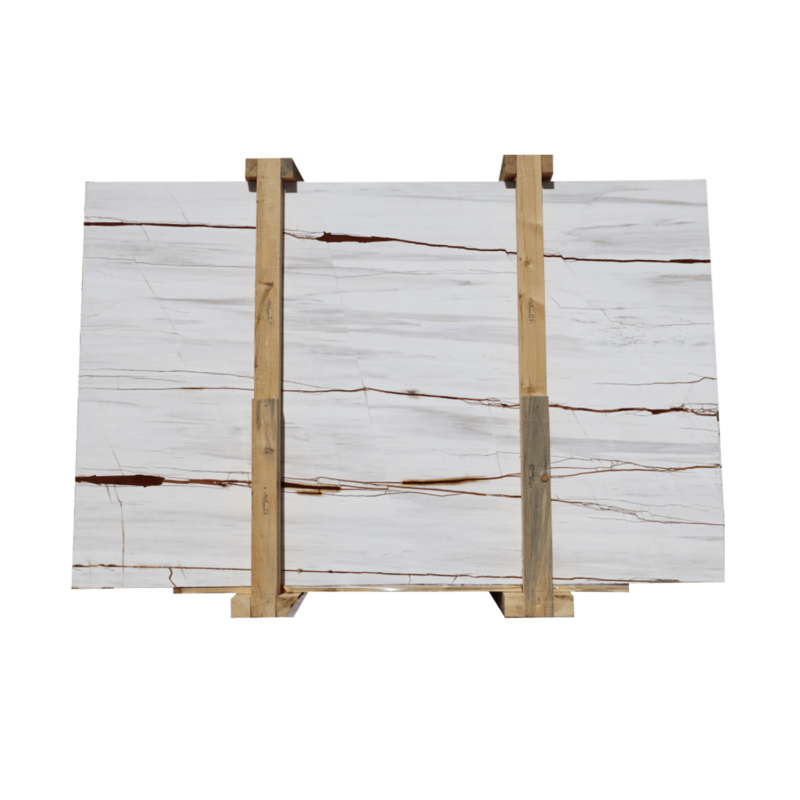
3 Reasons to Use Marble in Modern Architecture
There are many reasons to use marble in 21st-century architecture, but the top three are:
- Marble is the most durable of all natural stones. Its ability to stand the test of time is why it was one of the most used materials in ancient architecture.
- It is one of the most heat- and fire-resistant natural stones, along with granite.
- Marble is preferred for its heat and fire resistance in modern construction. It is primarily used in the construction of houses and buildings, especially in regions with high temperatures.