
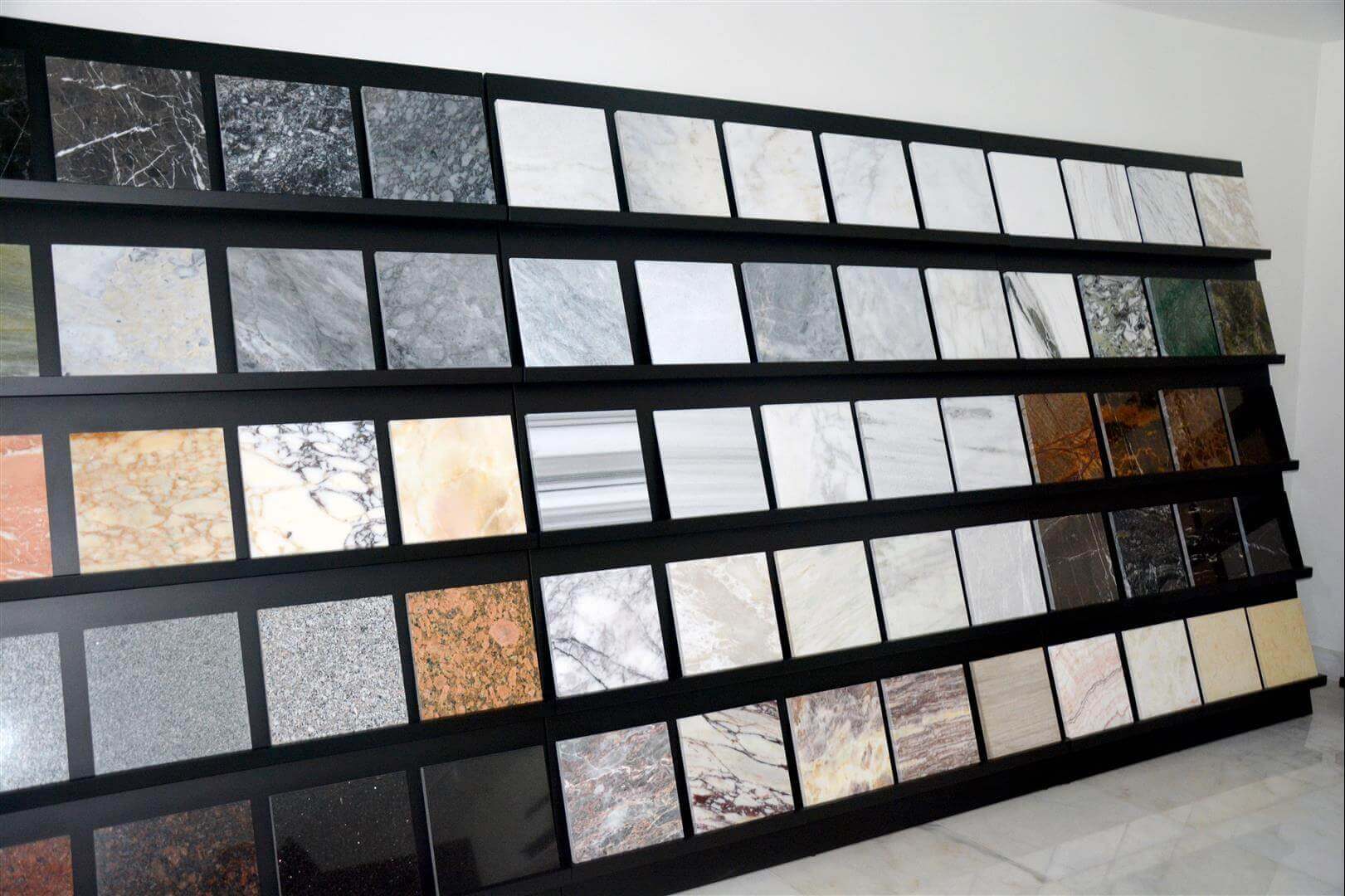
Historically, marble was used in artistic works such as sarcophagi and sculptures. Over time, it began to be incorporated into buildings. Especially in recent years, technological advances have made it easier to extract and work marble, leading to its use in a wide range of applications. Today, it is a preferred material in various sectors and fields.
This stone's solid structure, variety of colors and unique veining patterns contribute significantly to its wide range of applications. It is used extensively in living spaces, both indoors and outdoors. It is also often used to make souvenirs and sculptures.
In what structures is marble used?
Marble is ideal for exterior construction due to its hard structure, which is minimally affected by external factors. They have historically been used for columns in palaces, temples and large buildings. Over time, they became indispensable for flooring. Today, it can be found in almost every room of a home, including exterior areas, floors, interior walls, bathrooms and kitchens.
It is also used in public spaces such as shopping malls, hotels, terminals, hospitals, subways and underpasses. Its availability in a variety of sizes and colours enhances its appeal. Different types of marble cater to different regions and applications, which presents more challenges than with other natural stones.
Where is Marble Used in Daily Life?
It is commonly associated with kitchen countertops. However, it has many other uses that often go unnoticed. Common uses of marble in the home include:
- Indoor Flooring
- Bathrooms
- Kitchen Countertops
- Exterior cladding
- Sinks
- Gravestones
- Fireplace or Barbecues
- Stair Treads
- Small Ornaments
- Hiking trails
These applications demonstrate the versatility and durability of the product.
Which is the best marble?
The colour and hardness of different marbles can vary depending on their geographic origin. The region in which it is quarried is critical to its quality. The interactions that occur during its formation determine whether it will be high-quality or ordinary. This is why it is important to know the source of the stone you are buying.
Turkey has some of the world's best mineral deposits due to its geographical location. Marbles from regions such as Afyon, Bilecik, Kütahya, Balıkesir, Niğde, Yozgat and Muğla are exported worldwide. Turkish marble is renowned for its quality.
However, marble extracted from high quality quarries must undergo special processes to become first-class. Proper extraction, cutting, wiping, polishing and finishing are all crucial steps in the process of improving a marble's quality, and so marble extraction is a task that requires skill and experience.
What are the other uses of marble?
Marble is commonly used for floors, walls and countertops. It also plays an important role in the market for smaller ornamental products. Various figurines, marble tables, marble coffee tables, and small tabletop items are meticulously crafted by marble artisans. Desktop nameplates and marble clocks are among the most popular items.