
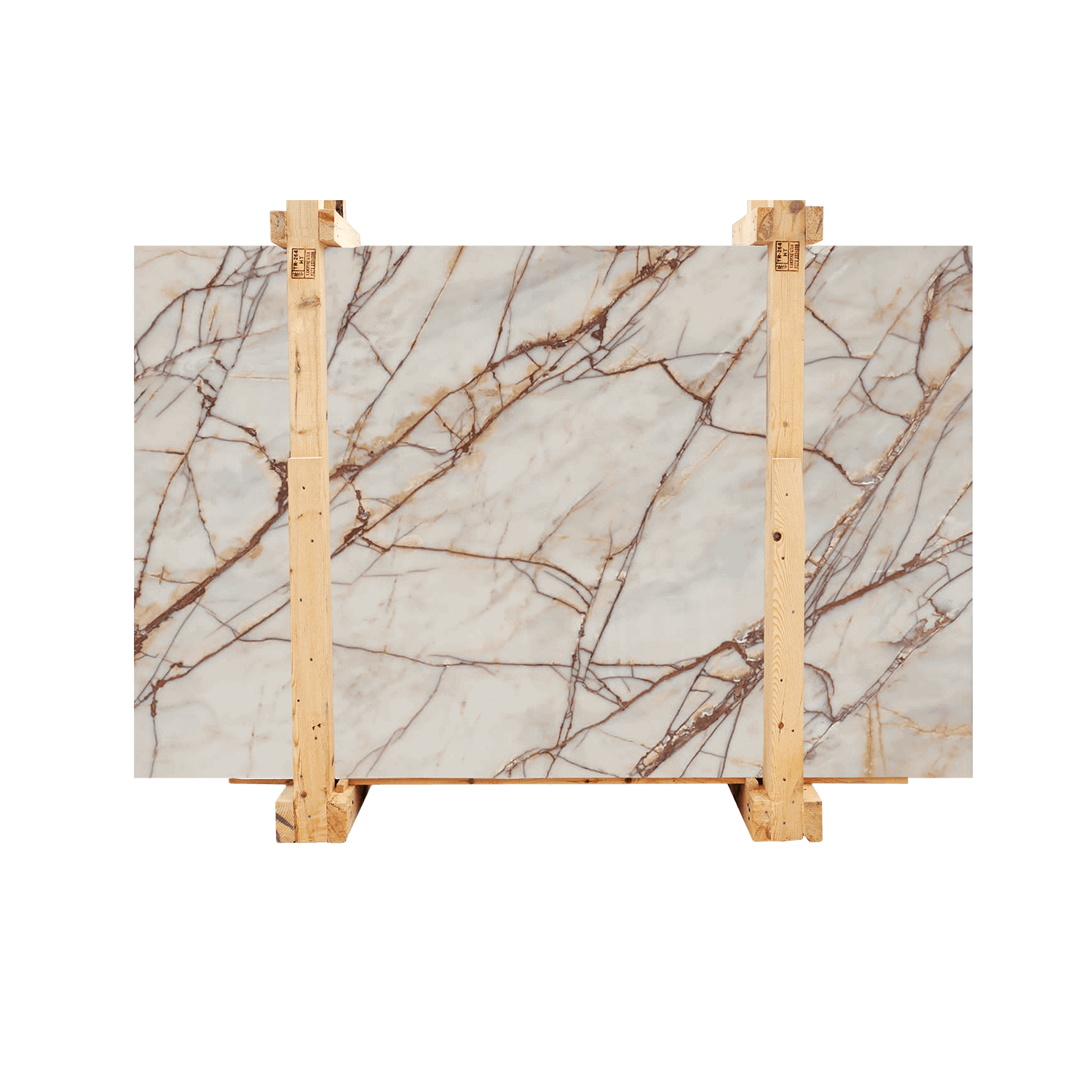
Discover the luxurious properties of marble, one of the most exquisite natural stones for a wide range of home uses.
It is vital to understand the uses of marble in various applications in the home, including its use in the production of floors, countertops, walkways, temples, sculptures and much more. Each piece of marble is unique. Each piece of marble is unique.
There is no doubt that you should choose stone for this. However, it is an expensive choice among other options. It is crucial to make wise choices based on needs and budget. The colour and appearance of marble, which superficially resembles quartzite, are its most important characteristics. Marble is known for its purity. Its popularity is no surprise given its all-natural formation. Marble has stood the test of time. It has proven its ability to last and provide an aesthetically pleasing experience.
What are the properties of marble?
Today's marble rocks are denser, harder and more colourful than the original stone, having undergone years of metamorphosis. Veining is a key characteristic of marble. These glowing veins are patterns formed by minerals that fill cracks in the limestone from which marble comes. The hues of marble vary depending on the region of origin because climate and soil conditions vary from region to region.
Here are the distinctive features of this stone
It is clear that, in comparison to other materials such as marble, concrete and wood, it does not heat up quickly and doesn't absorb thermal energy. Marble is the perfect material for cooling the interior of rooms. Marble is hypoallergenic due to its low density and porosity. This product does not attract mould, dust or termites. Marble's excellent reflective power is another key benefit. Marble has a wide range of applications. These include exterior cladding, flooring, stairs, kitchen countertops and sinks, and walkways.
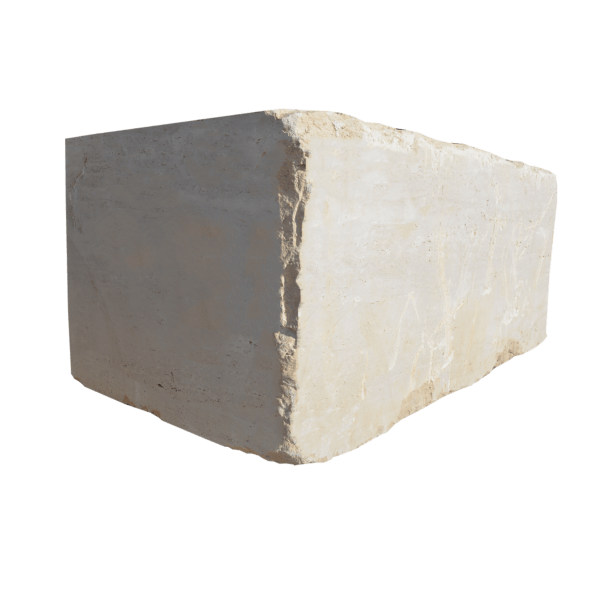
This natural stone has a variety of uses, from decorative building materials to sculptures. It is available in a range of shapes, sizes and colours. You can also get this with a beautiful vein pattern. The marble comes in various earth tones, including green, grey, pink, white, red and black. Marble is a hard, solid and dense stone. But it is not more durable than granite. The shine of marble comes from the interaction of light with the marble surface.
The fact is, marble is more porous than granite because it absorbs lemon, wine and vinegar. This will cause a permanent stain on the surface and the marble's colour may fade. This type of natural stone is less resistant to staining than other types. Marble does not tolerate acidic foods. The colour and texture of the marble will change or be damaged if it comes into contact with acidic substances. Marble is less scratch-resistant than granite, so heavy objects accidentally dropped on the surface can damage it.
Marble's properties also vary by mineral grain. Marble is the ideal choice for hot places because it doesn't conduct heat, so it stays cool no matter what the temperature. Marble is not considered flammable, which clearly indicates that it is a fire-resistant natural stone. It is clear that marble is a good option for any surface. It is the ideal natural stone due to its durability, long life, resistance to weather cycles and low maintenance.

This is the best way to clean marble
No matter what unique colour and pattern you choose for your home or business, marble stone requires constant maintenance throughout its life to maintain its colour and shine. Use hot water and mild, pH-neutral dish soap to clean marble. Do not use acidic cleaners on marble. They will damage it. Microfibre cloths are the best way to remove soap residue and dry the marble surface without scrubbing too hard.
Polished and Honed
Polished marble has a shiny, highly reflective surface. It is very smooth but scratches easily. Honed marble is less reflective and has a smoother surface. It is chosen over polished marble because of its matte finish. Honed marble is more likely to stain because its pores are closer together than polished marble.