Loading

Loading
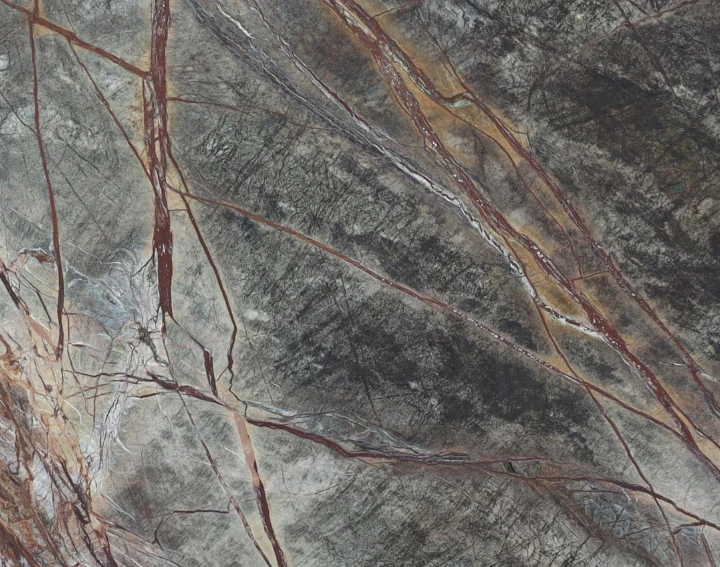
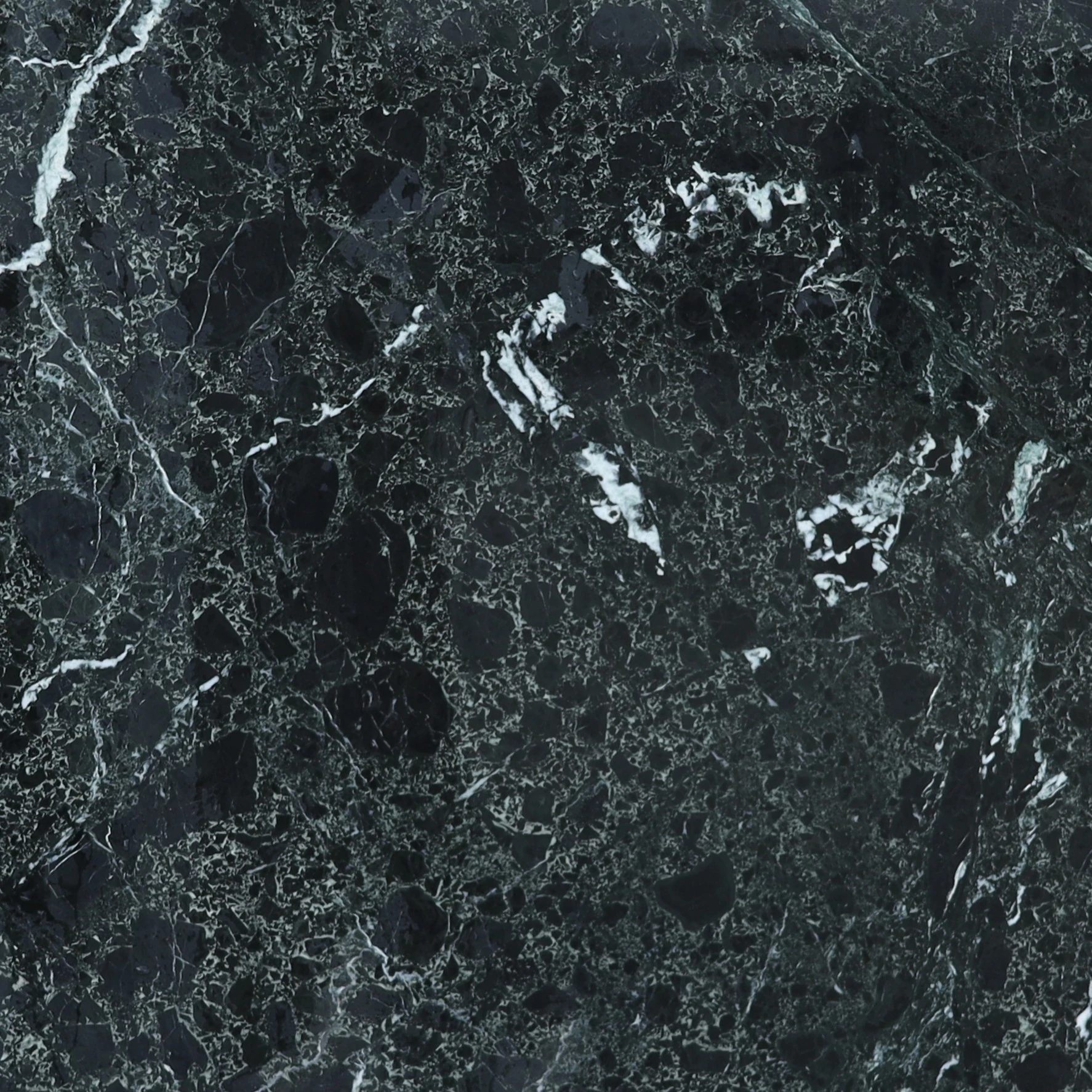
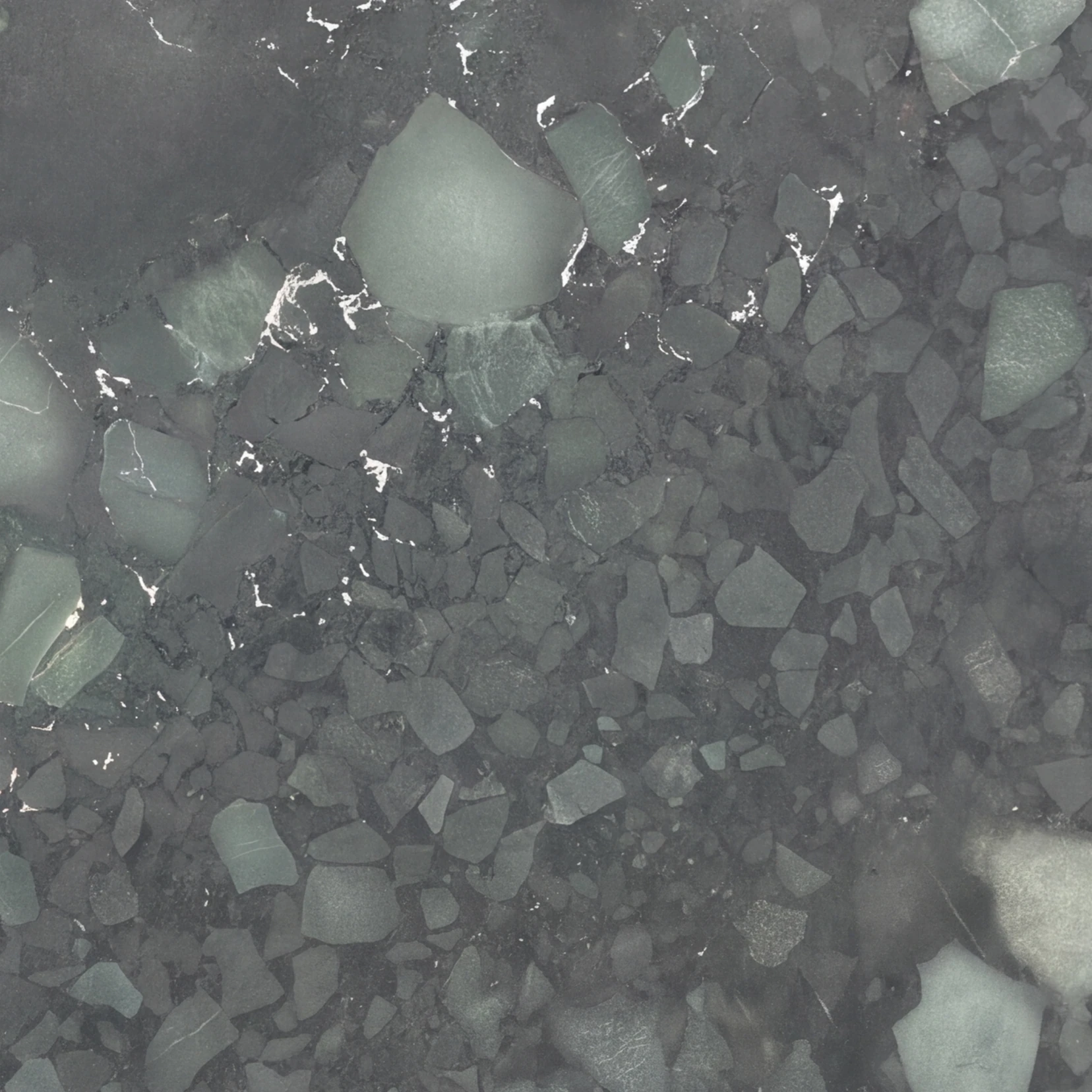
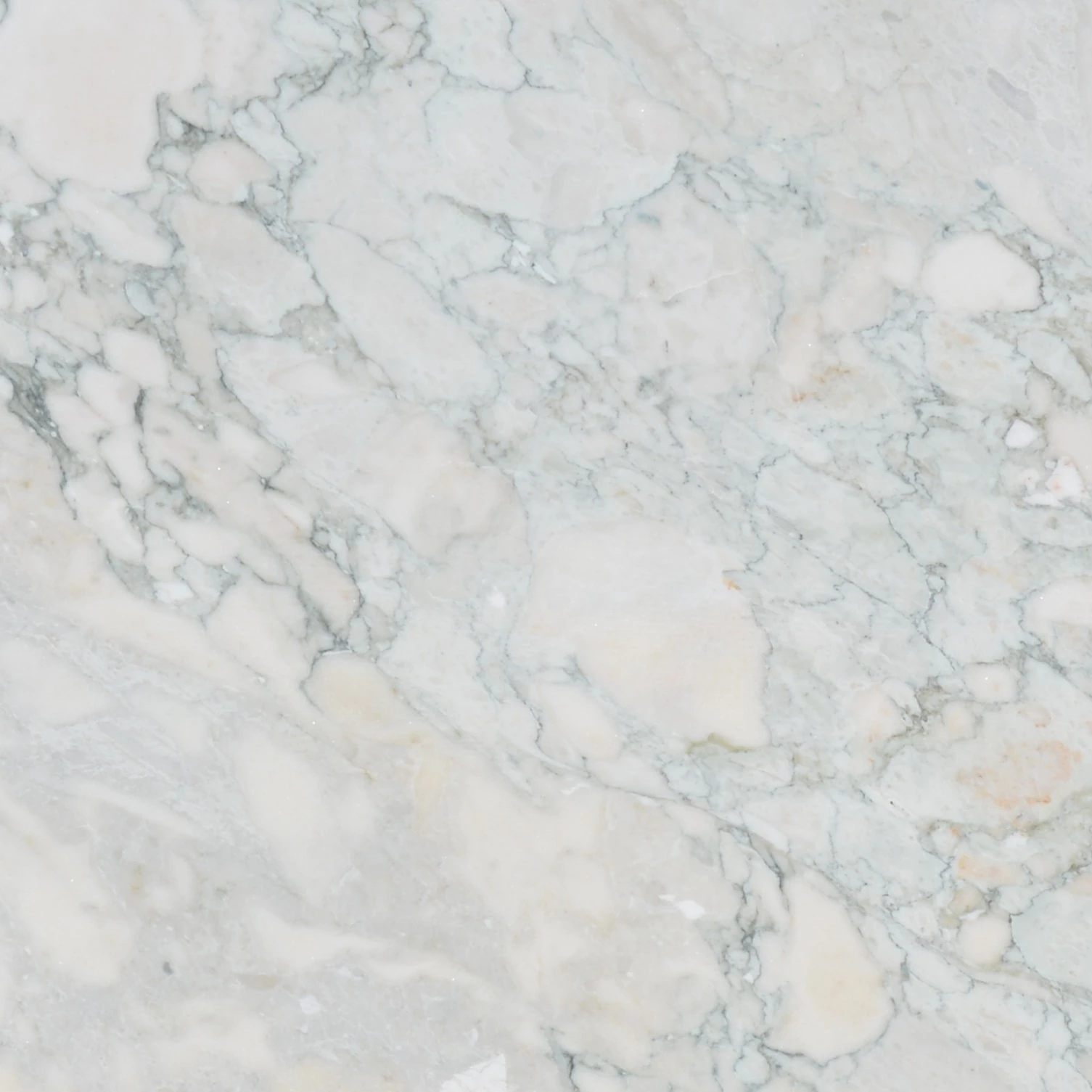
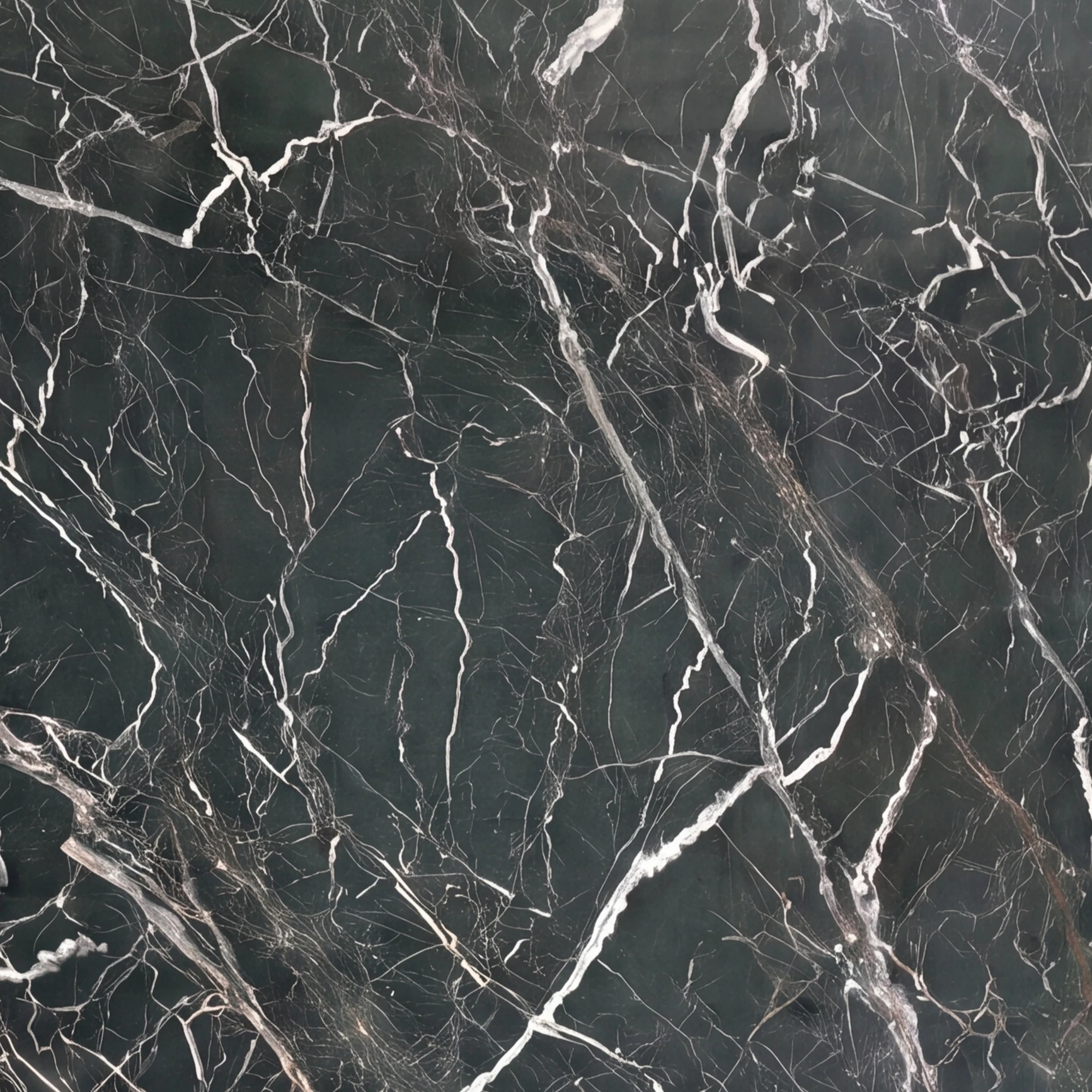
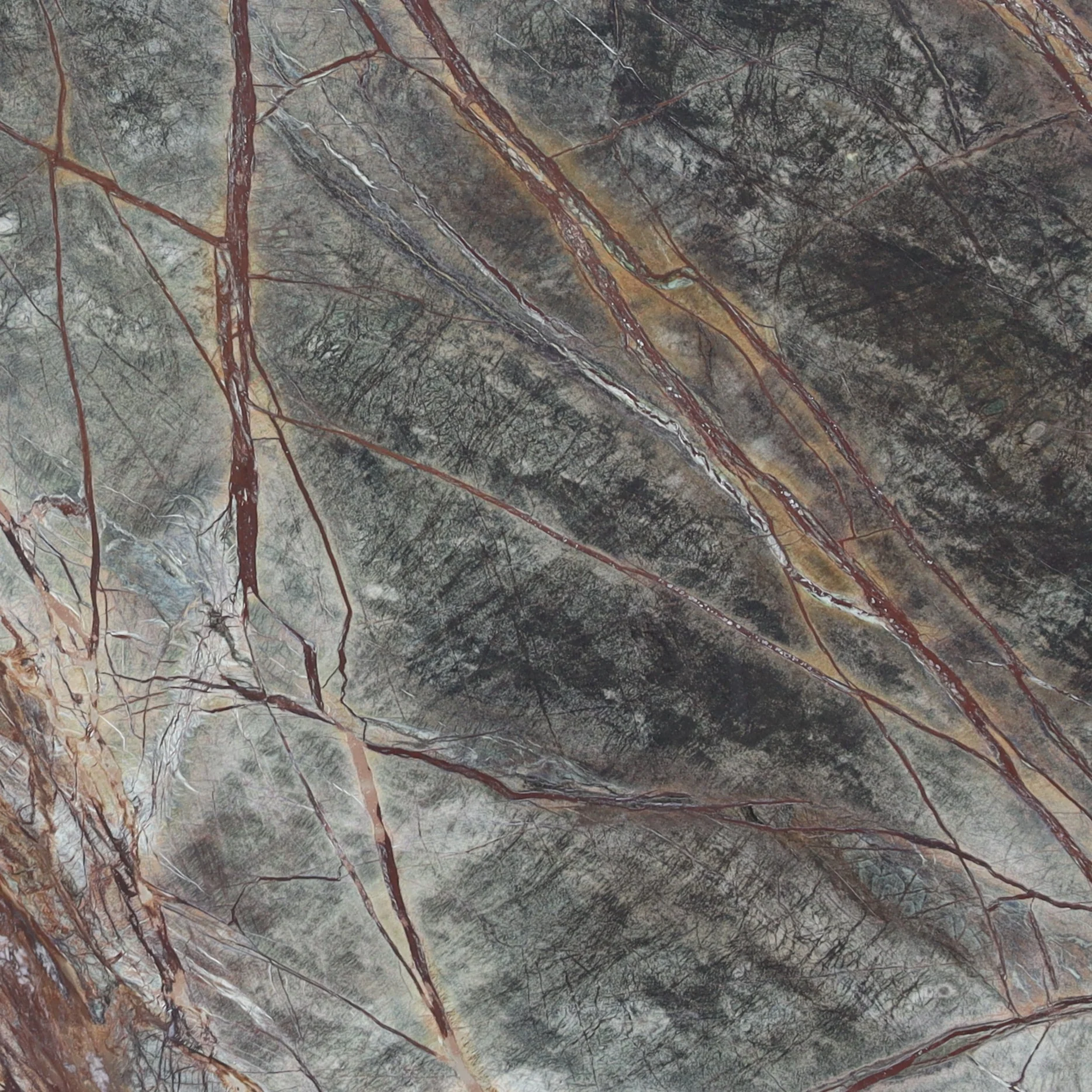
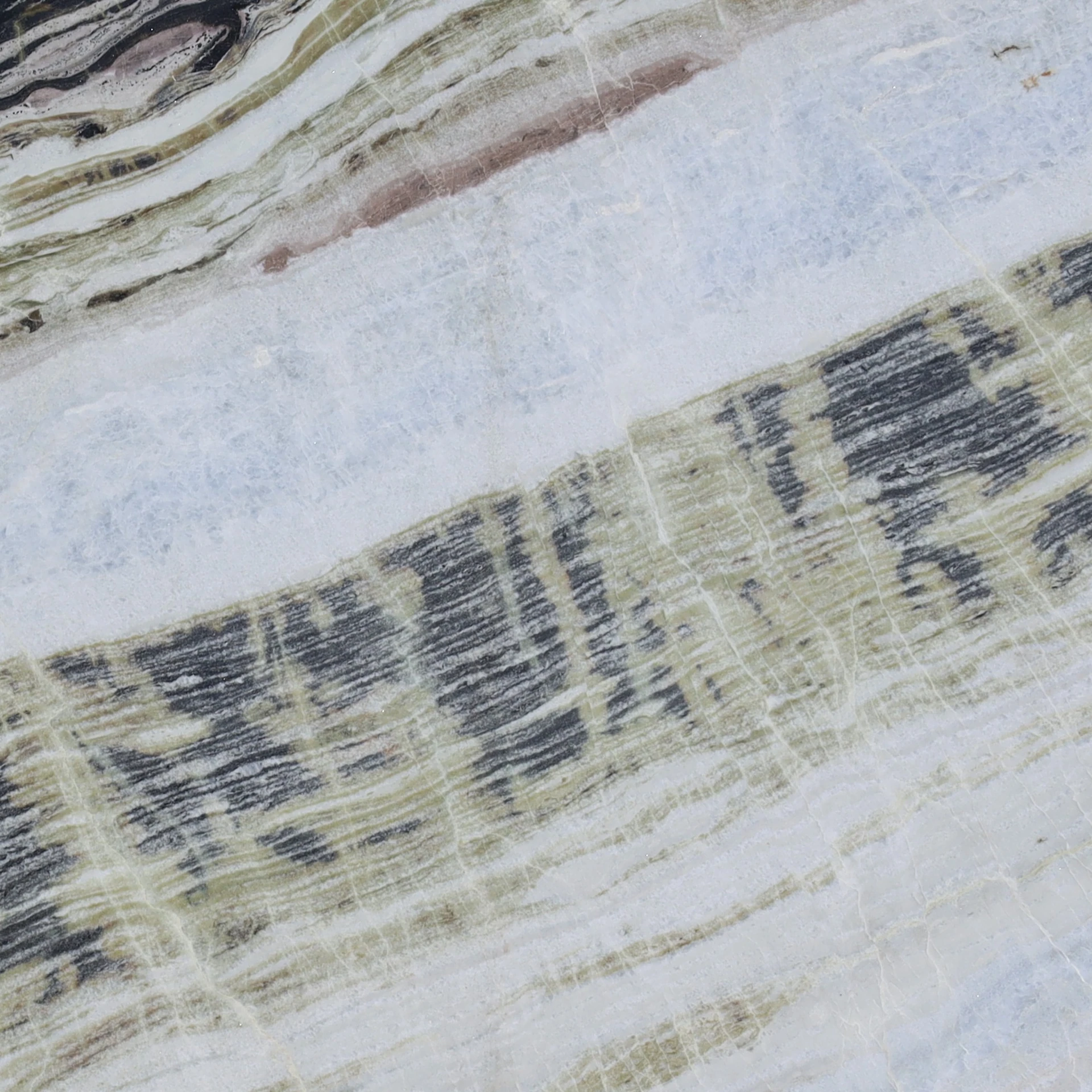
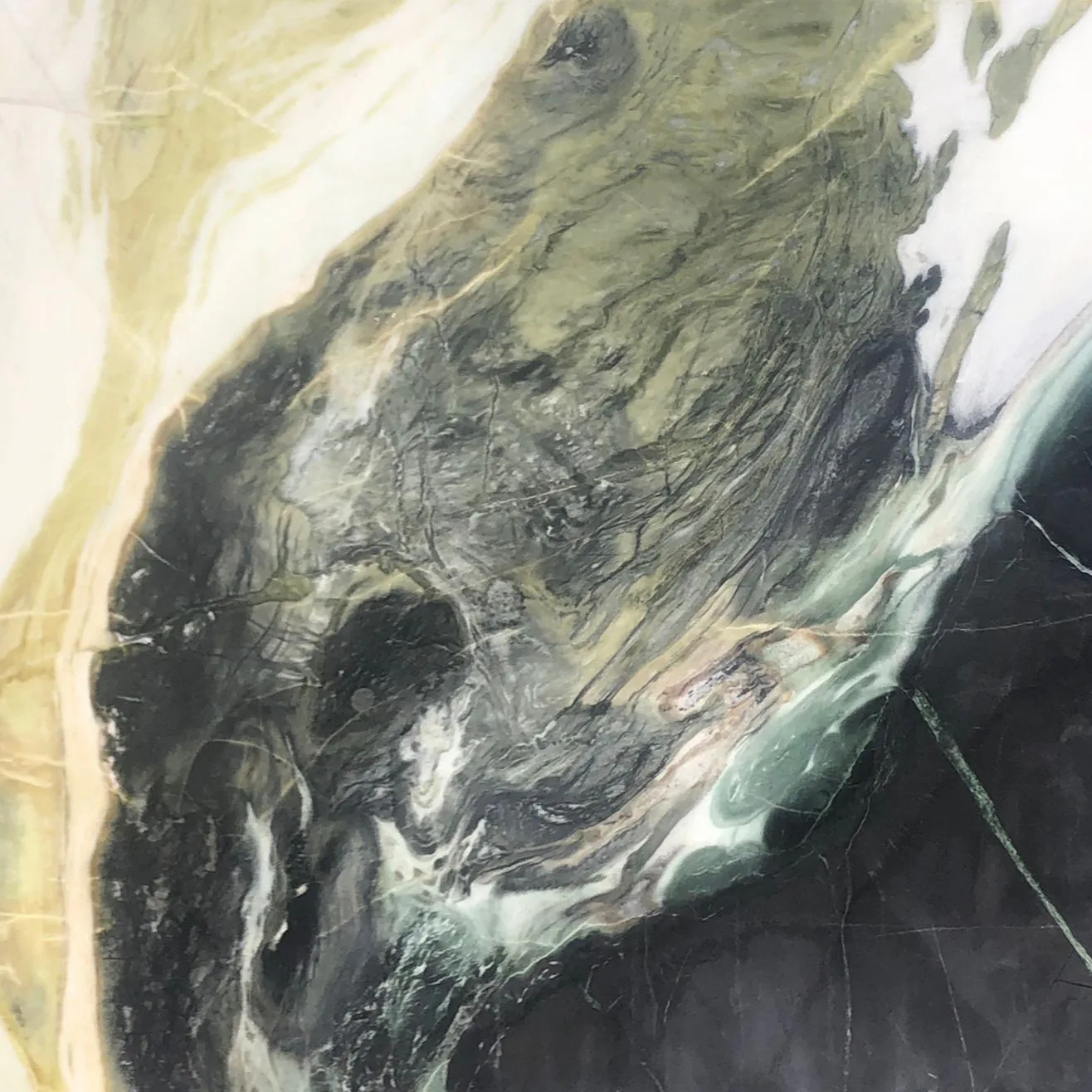
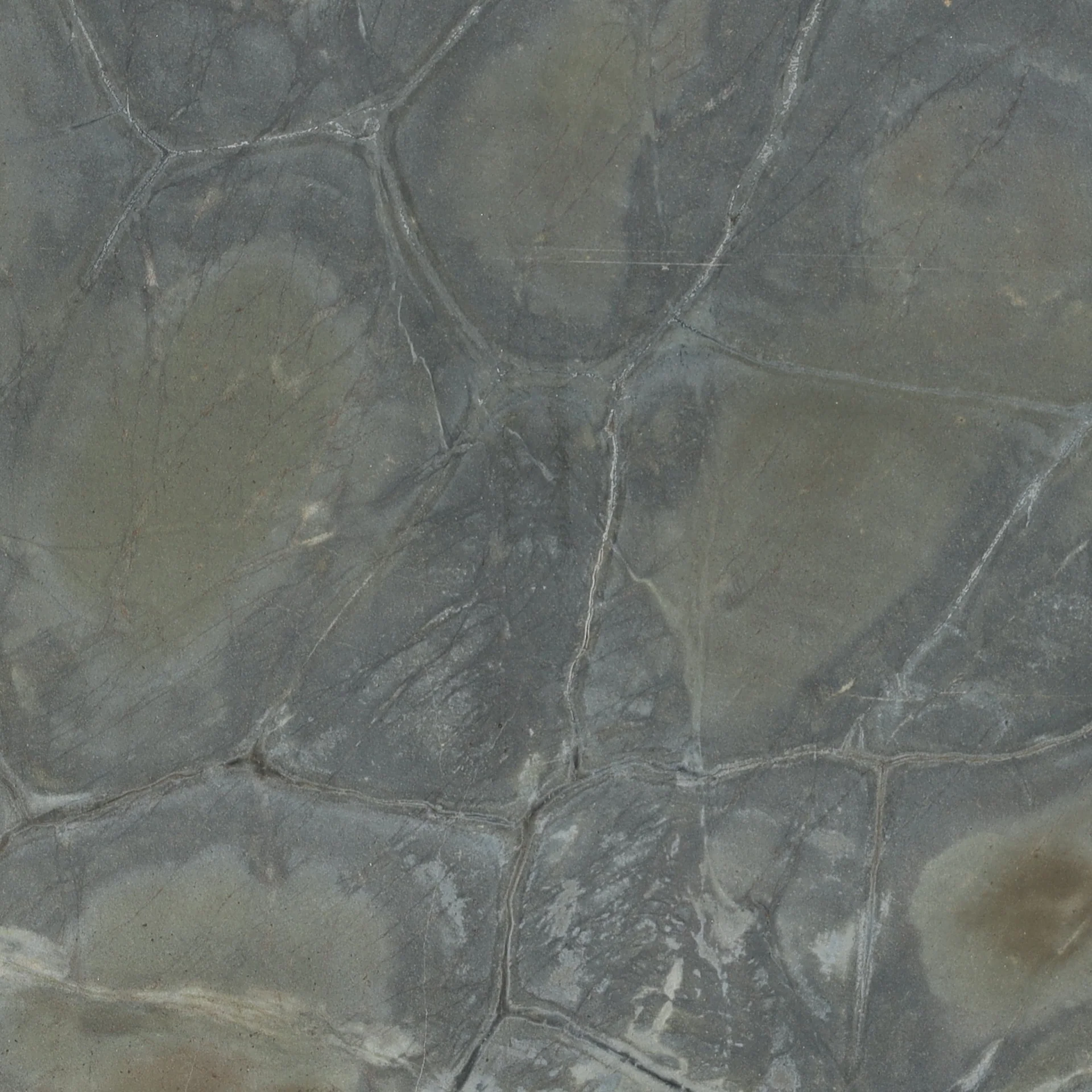
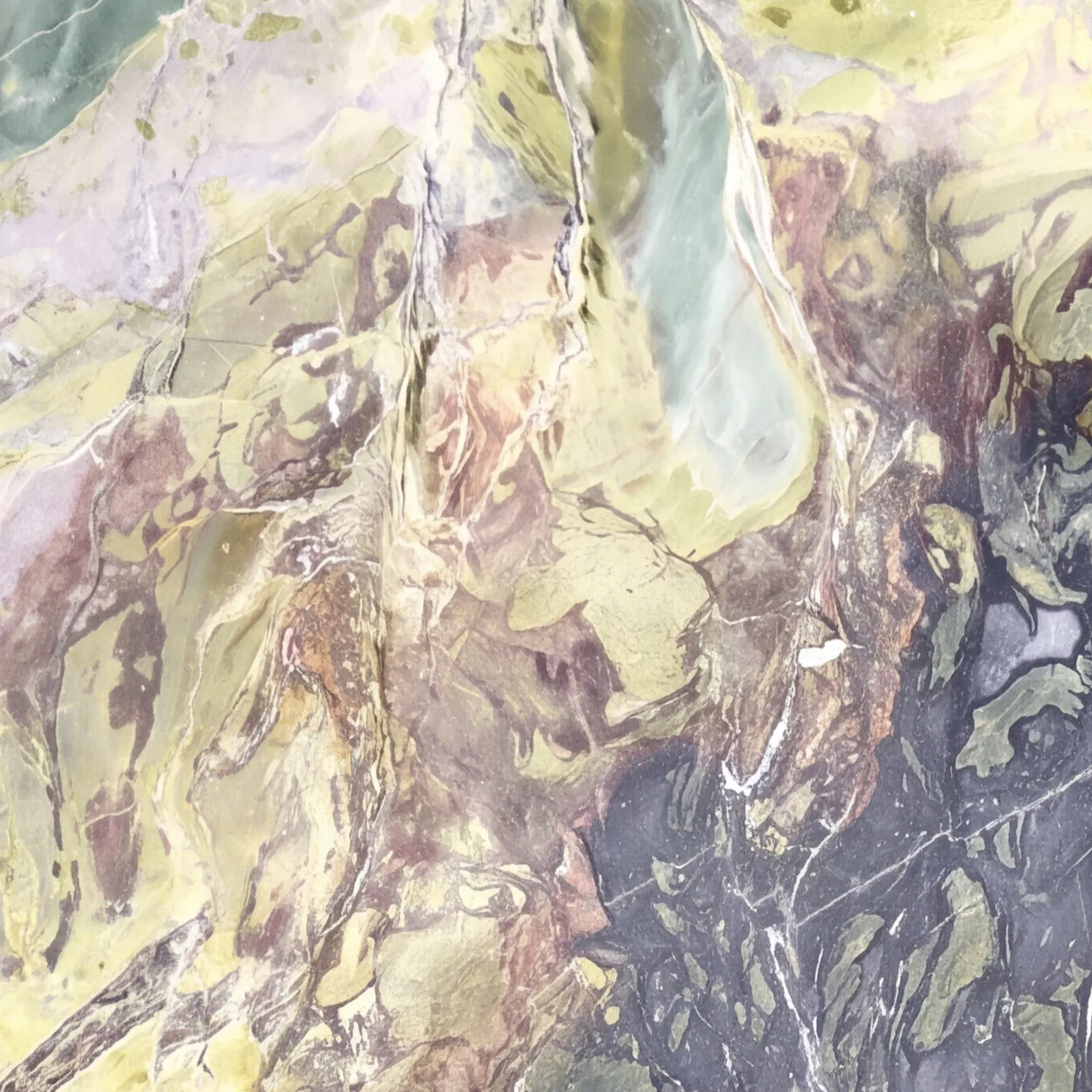
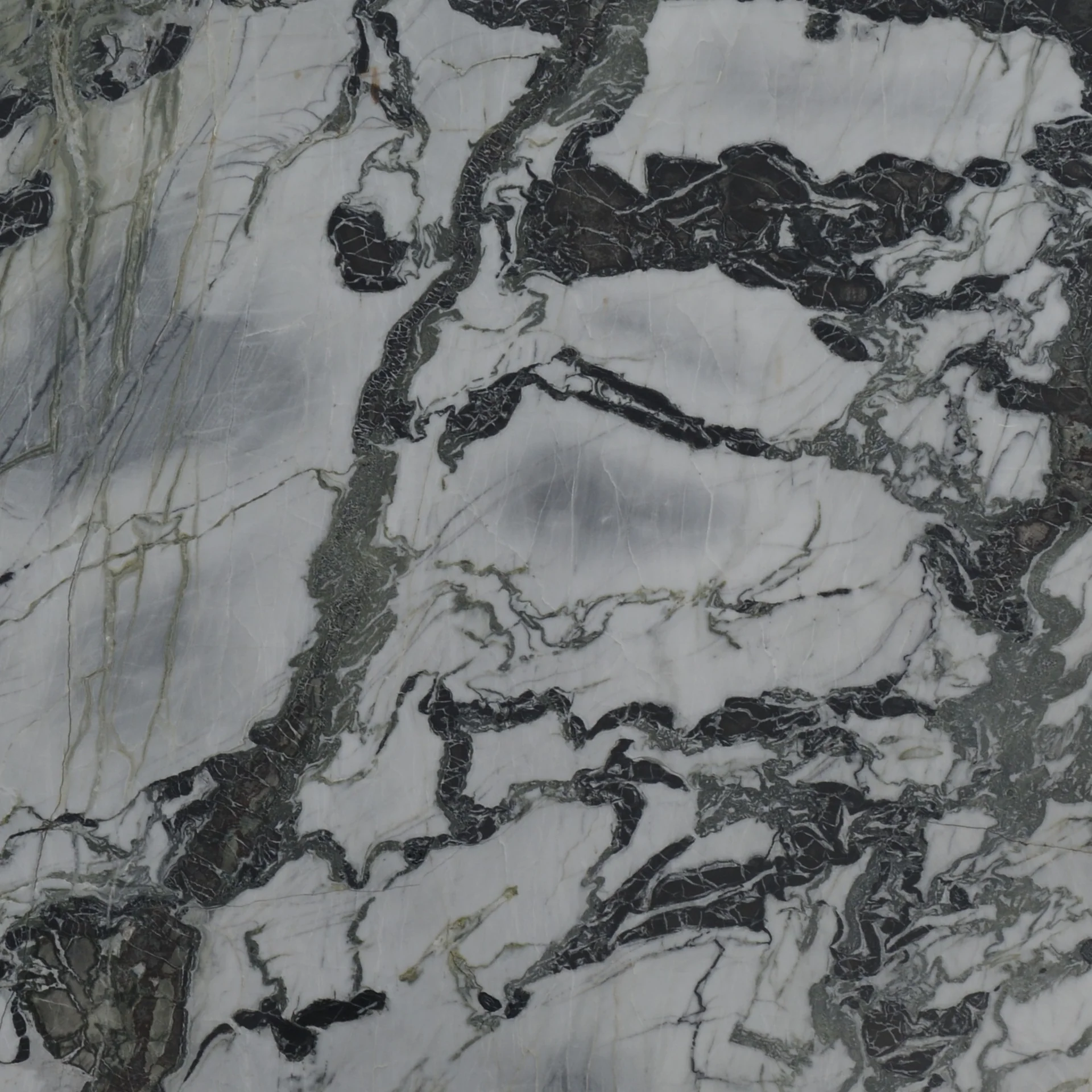
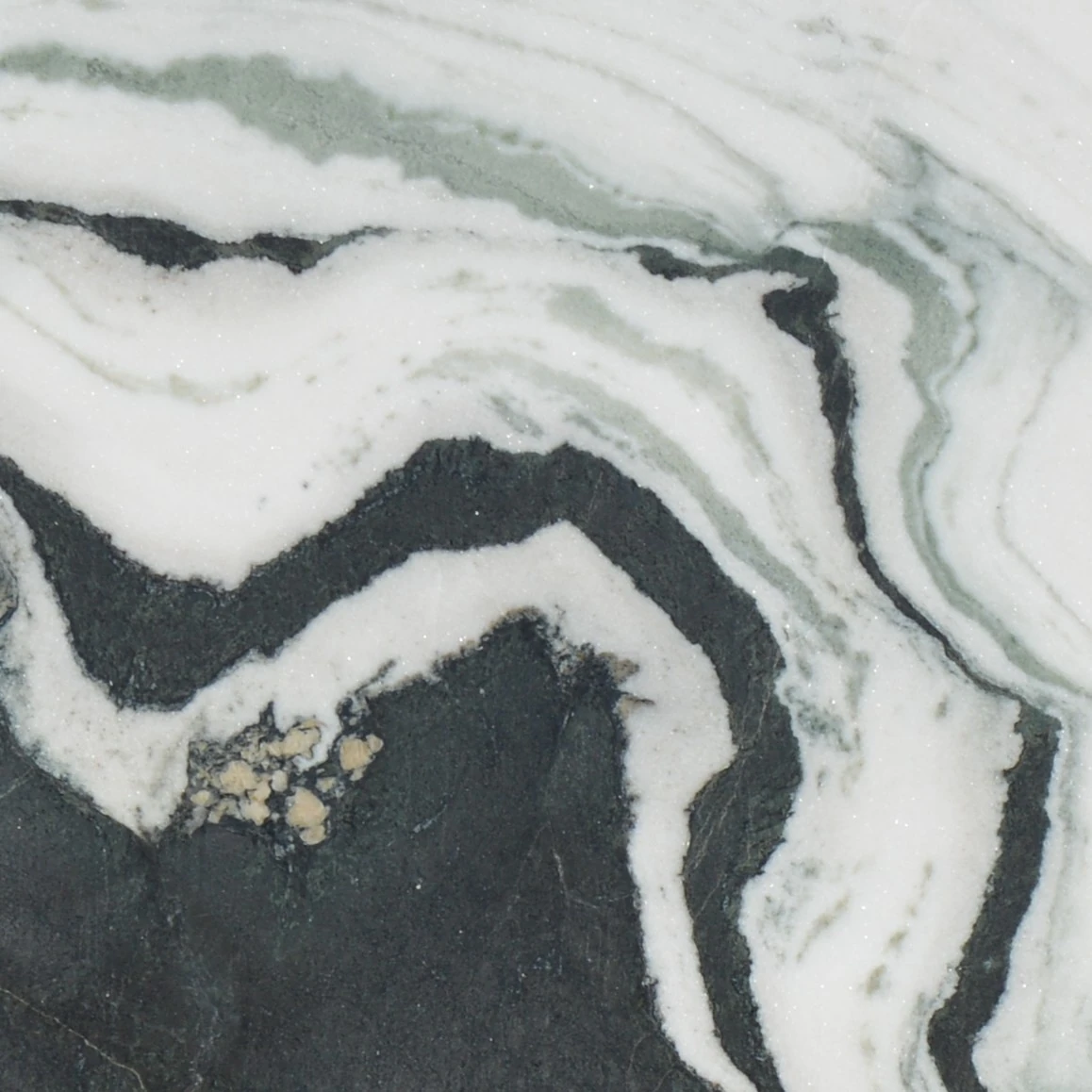
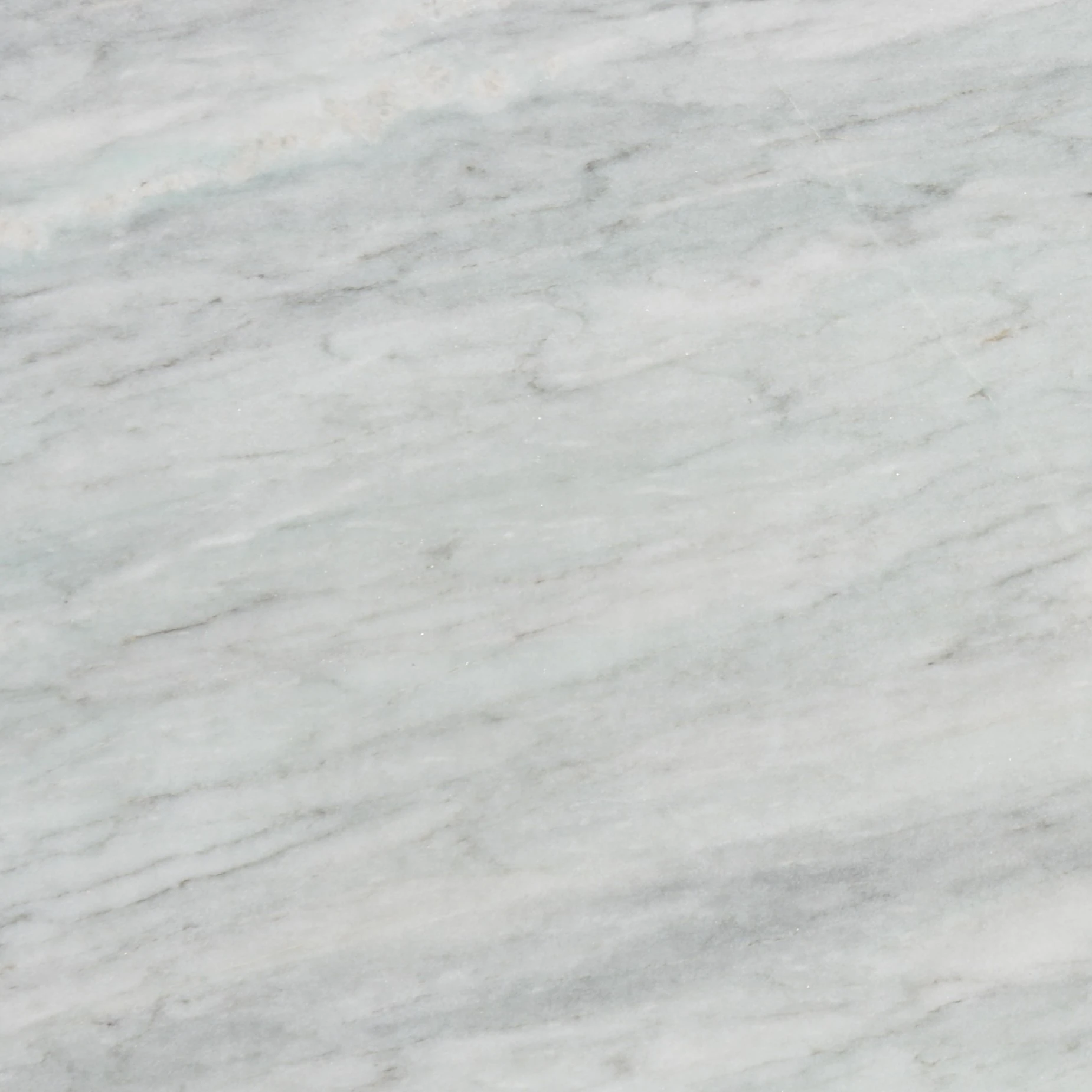
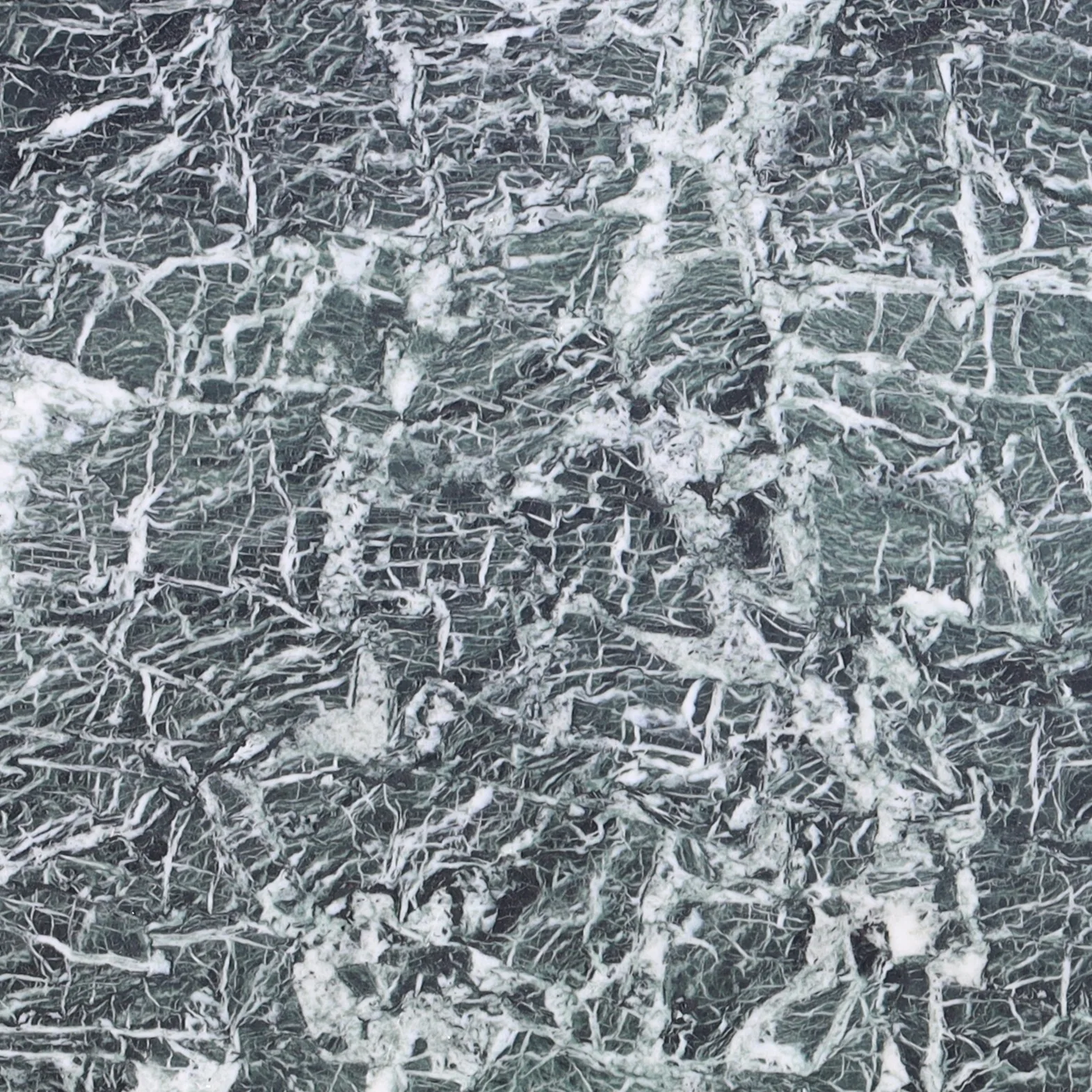
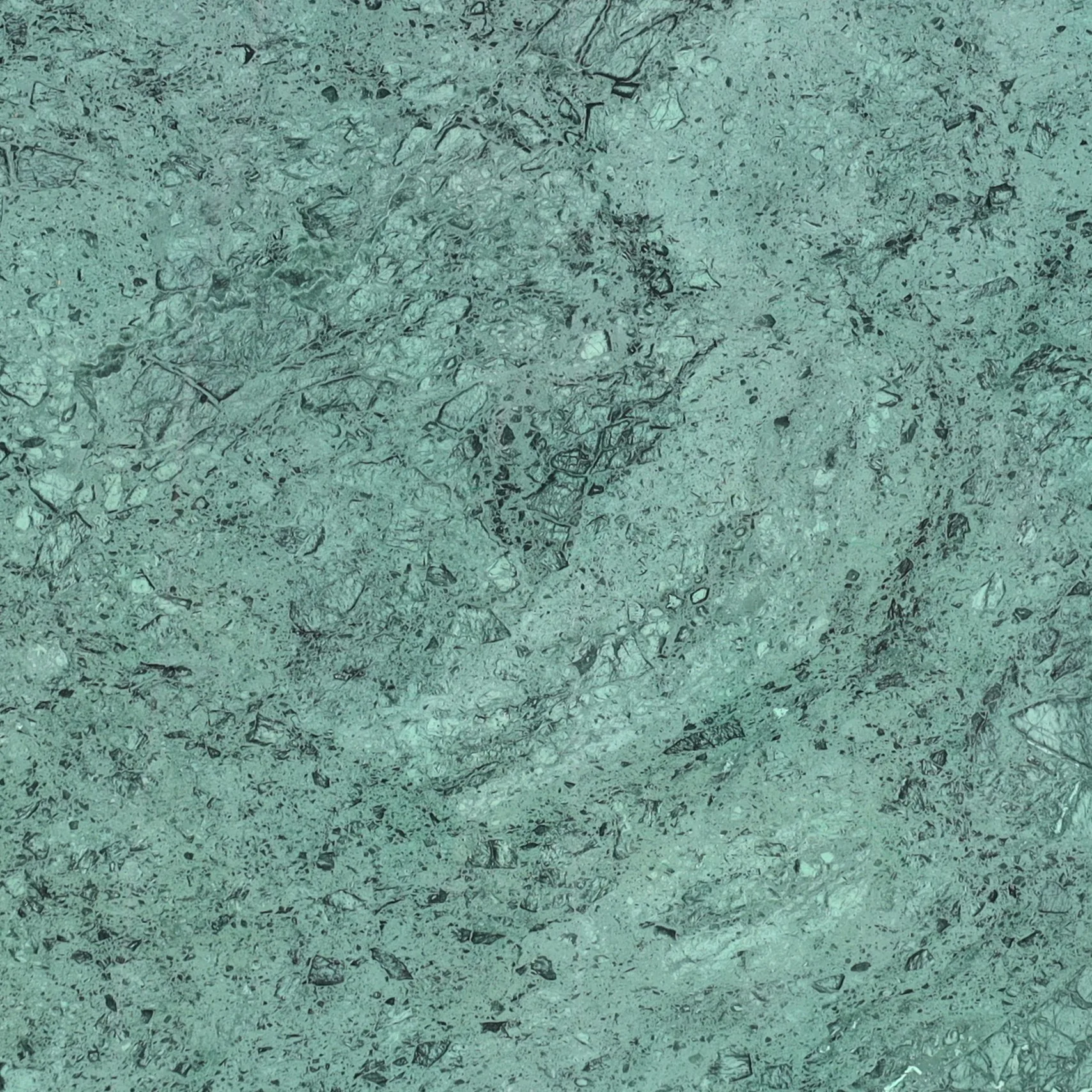
Green marble is a metamorphic rock composed primarily of recrystallized carbonate minerals, most commonly calcite or dolomite. Its distinctive pigmentation results from various mineral impurities, such as serpentine or chromium, which permeate the stone during the metamorphic process under intense heat and pressure. In the stone industry, the term often encompasses serpentinites—geologically distinct from true calcite marble—due to their similar polish-taking capabilities and aesthetic characteristics.
For architectural and construction projects, green marble represents a high-performance material that combines structural integrity with a unique color palette. Procurement managers specify this material for high-traffic commercial zones and luxury residential interiors where durability must meet specific aesthetic requirements. As a natural product, it offers a sustainable alternative to synthetic surfaces, providing a long lifecycle and the ability to be refinished multiple times.
The visual properties of green marble range from pale, mint-toned backgrounds to deep, forest-green matrices with complex veining patterns. These veins typically consist of white calcite, black carbonaceous material, or metallic oxides. Certain varieties, particularly those with high quartz content or thin-cut formats, exhibit significant translucency, making them suitable for backlit feature walls.
From a technical standpoint, green-marble is characterized by high density and varying levels of hardness. Most commercial varieties exhibit a Mohs hardness between 3 and 4, though some serpentinite-based greens reach higher levels. Physical properties typically include a density of approximately 2,600 to 2,800 kg/m³, water absorption rates below 0.5%, and high compressive strength. These technical metrics ensure the stone withstands structural loads and environmental stressors. Compared to granite, green marble is more sensitive to acidic substances but offers superior workability for intricate edge profiles and custom carvings.
Efesus Stone maintains a rigorous selection of both local Turkish and premium imported green marbles to meet diverse project specifications.
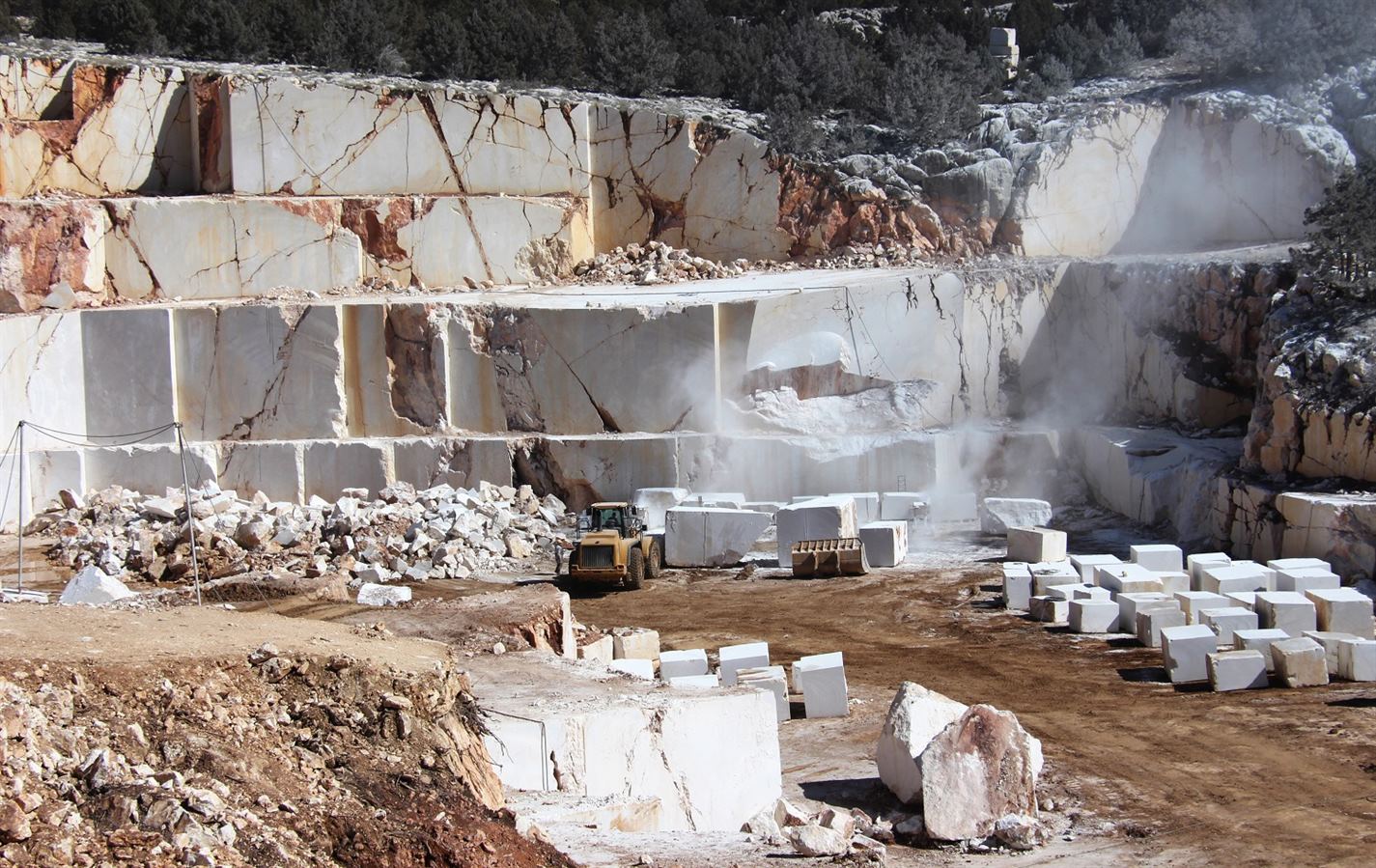
In terms of regional sourcing, Turkey provides exceptional natural stone diversity. The Elazığ region is globally recognized for its deep-toned varieties. Other significant quarry regions include Afyon for high-grade crystalline structures, Muğla for consistent white-based stones, and the Marmara Island for historic architectural grades. It is vital to distinguish between regional specialties; for instance, Bursa is the source for specific beige and green-toned stones, while Burdur focuses on high-quality beige limestone and marble production. Premium imported selections such as Verde Guatemala or Brazilian varieties are curated to complement our local Turkish production.
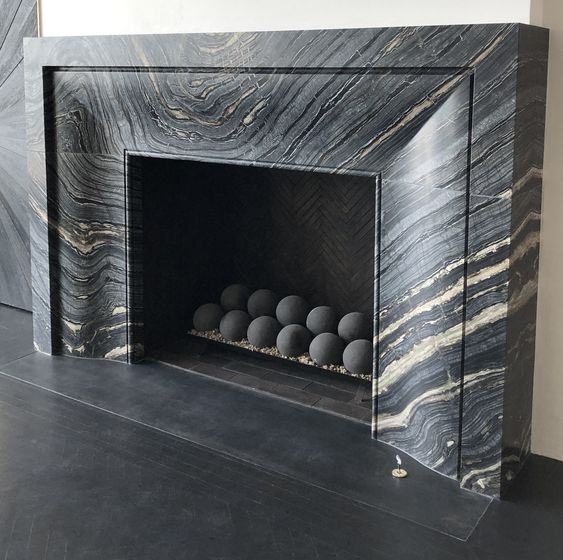
Green marble serves as a versatile material for multiple application sectors. In interior environments, it is a primary choice for high-traffic flooring, bathroom vanities, and wall cladding. The material's thermal mass properties make it compatible with underfloor heating systems. For kitchen applications, we recommend specific sealing protocols to maintain surface integrity. You can find more information on selection in our guide on How to Choose the Perfect Marble Slab for Your Countertop.
In commercial settings, green-marble is frequently utilized for hotel lobbies, office reception desks, and luxury retail flooring. Its ability to take a high polish ensures a professional and clean aesthetic. For large-format applications, specify our slabs to ensure vein matching and color consistency across expansive surfaces. While generally reserved for interiors, certain high-density green marbles are suitable for exterior facades and landscaping in temperate climates, provided the finish is adjusted for slip resistance and environmental exposure. For more details on its versatility, see Green marble types attract attention with their eye-catching structures.
We provide a range of finishes tailored to specific functional requirements:
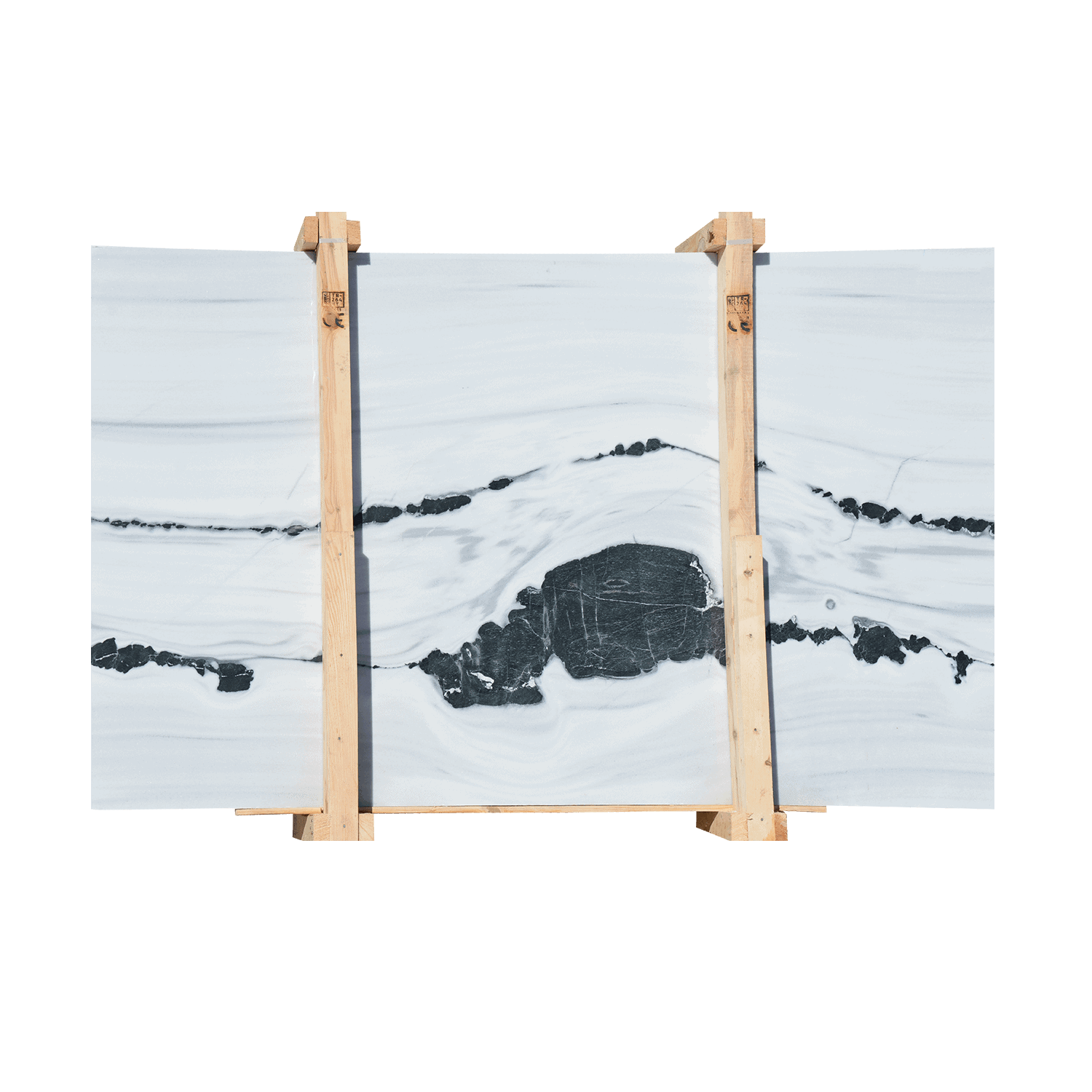
Standard thickness options for green-marble slabs are 2 cm and 3 cm. Custom thicknesses for heavy-duty commercial flooring or architectural elements are available upon request. Standard tile dimensions include 30x60 cm, 60x60 cm, and 60x120 cm. We also supply raw green-marble blocks for specialized fabrication requirements.
To preserve the aesthetic and structural quality of green marble, a disciplined maintenance regime is required. As a natural carbonate stone, it is susceptible to etching when exposed to acidic substances such as citrus juices or vinegar.
Established in 1943, Efesus Stone operates with 80 years of technical expertise in the natural stone industry. Our vertically integrated supply chain provides direct access to premium quarries, ensuring consistent material quality and competitive B2B pricing.
We implement rigorous quality control standards, grading each slab for color uniformity and structural soundness before export. Our logistics team is experienced in international procurement, utilizing specialized packaging to prevent breakage during transit. With advanced CNC and waterjet capabilities, we offer custom-cut-to-size services to meet the exact specifications of architectural drawings. Choosing Efesus Stone means partnering with a manufacturer that understands the technical demands of large-scale construction and the precision required for luxury interior design.
Learn more
Supply Notes
Coordinate availability, production details and documentation with the Efesus Stone team.
Coordinate availability, production details and documentation with the Efesus Stone team.
Coordinate availability, production details and documentation with the Efesus Stone team.