
Gray Marble

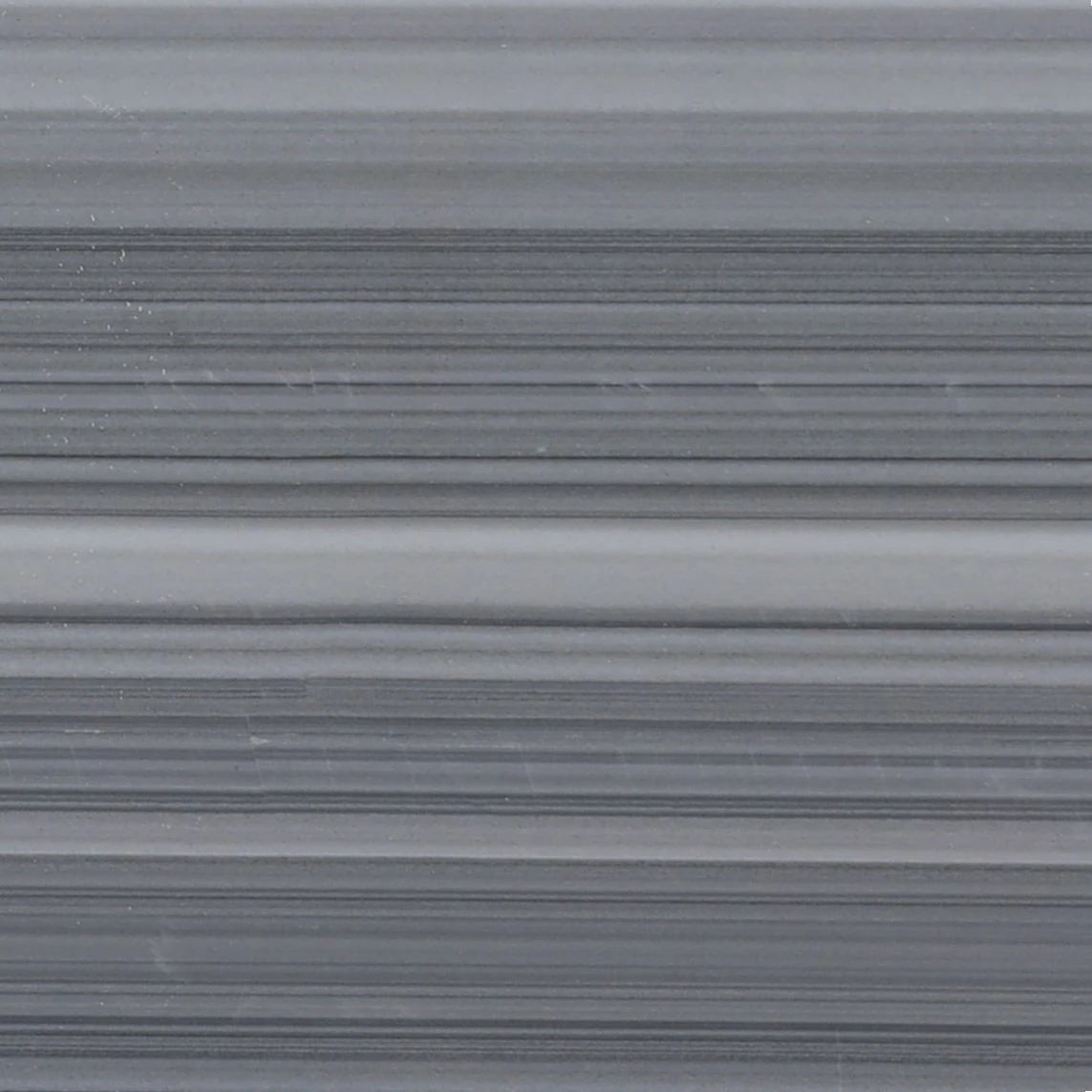
Marmara Epica Dark Marble
View Material →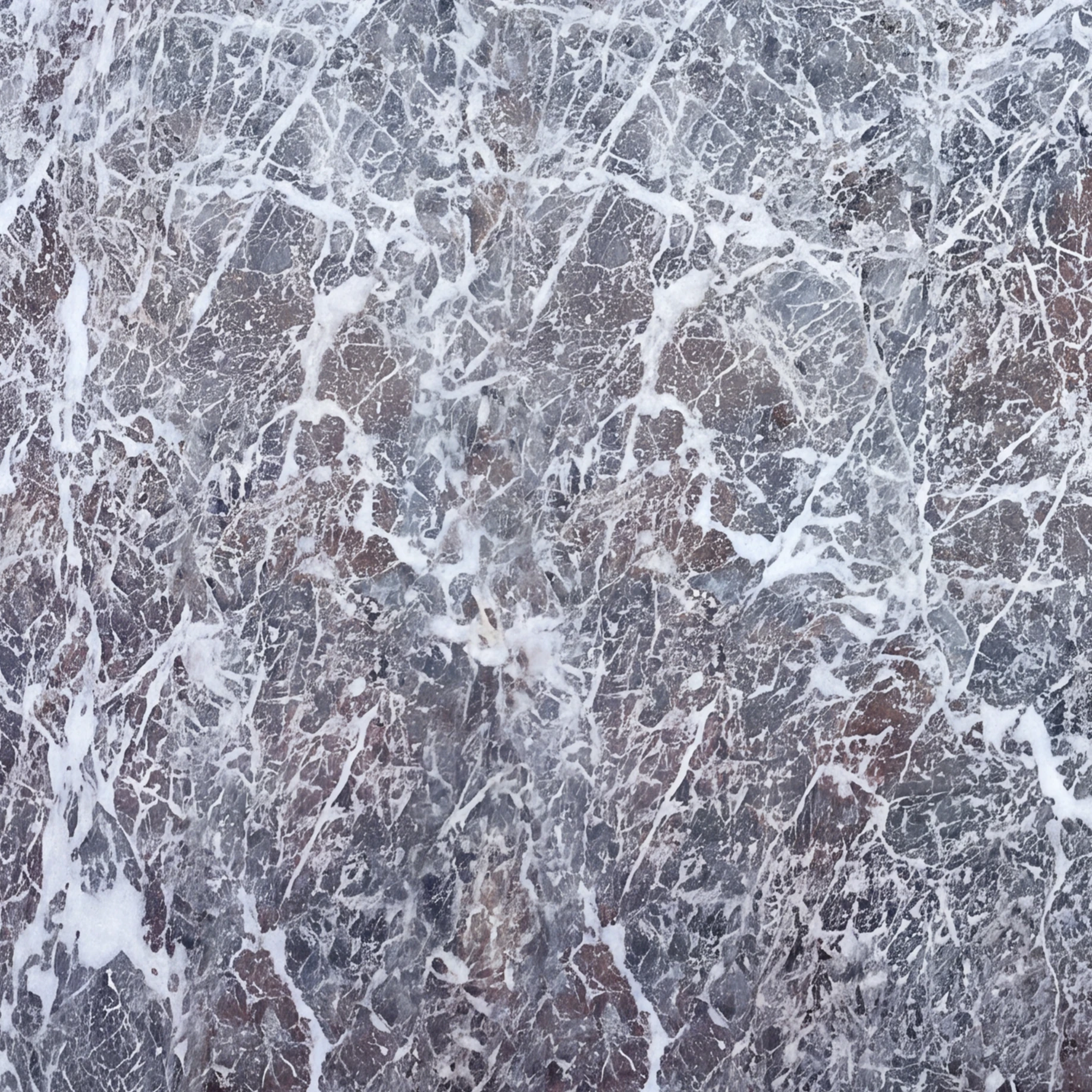
Milano Gray Marble
View Material →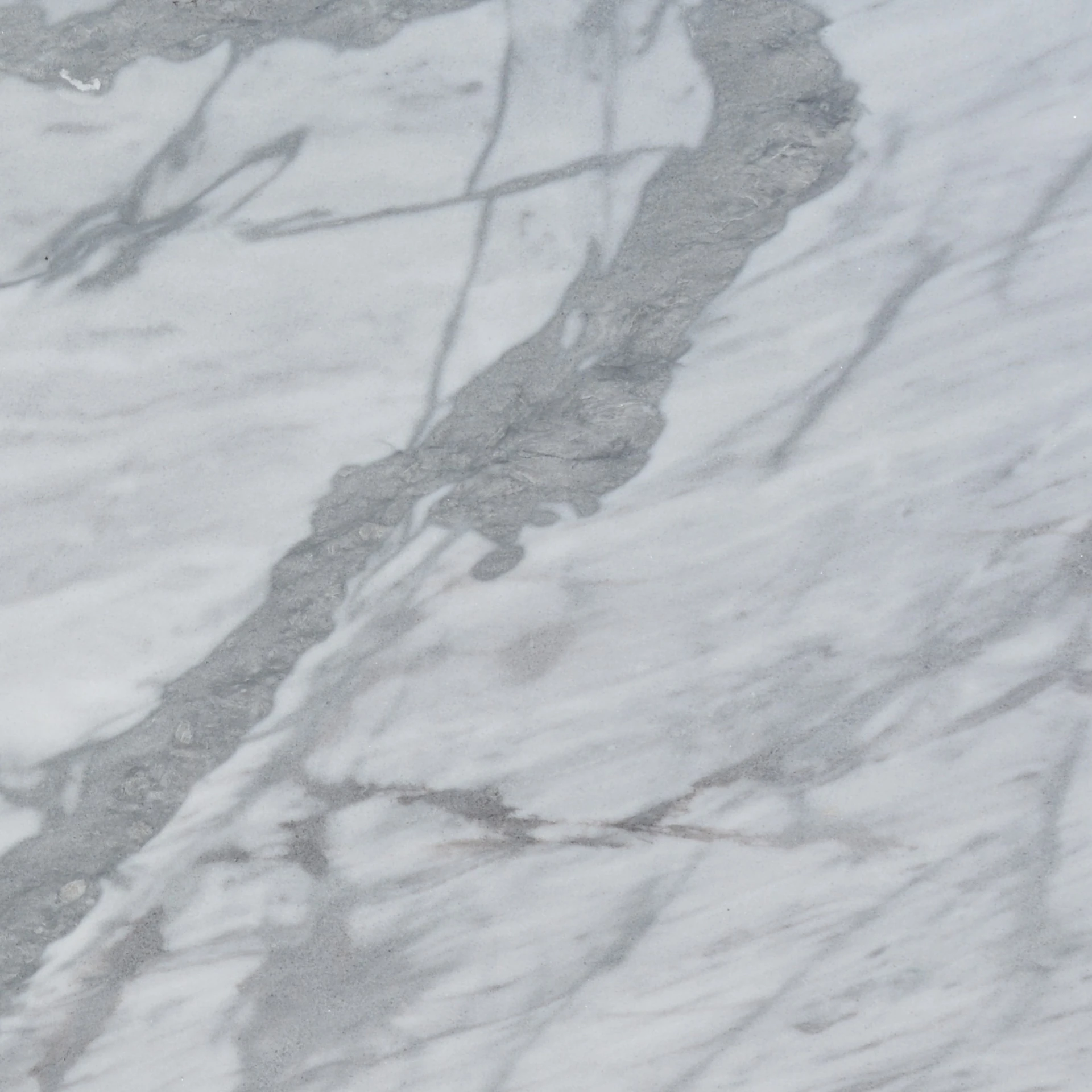
Marmara Statuario Marble
View Material →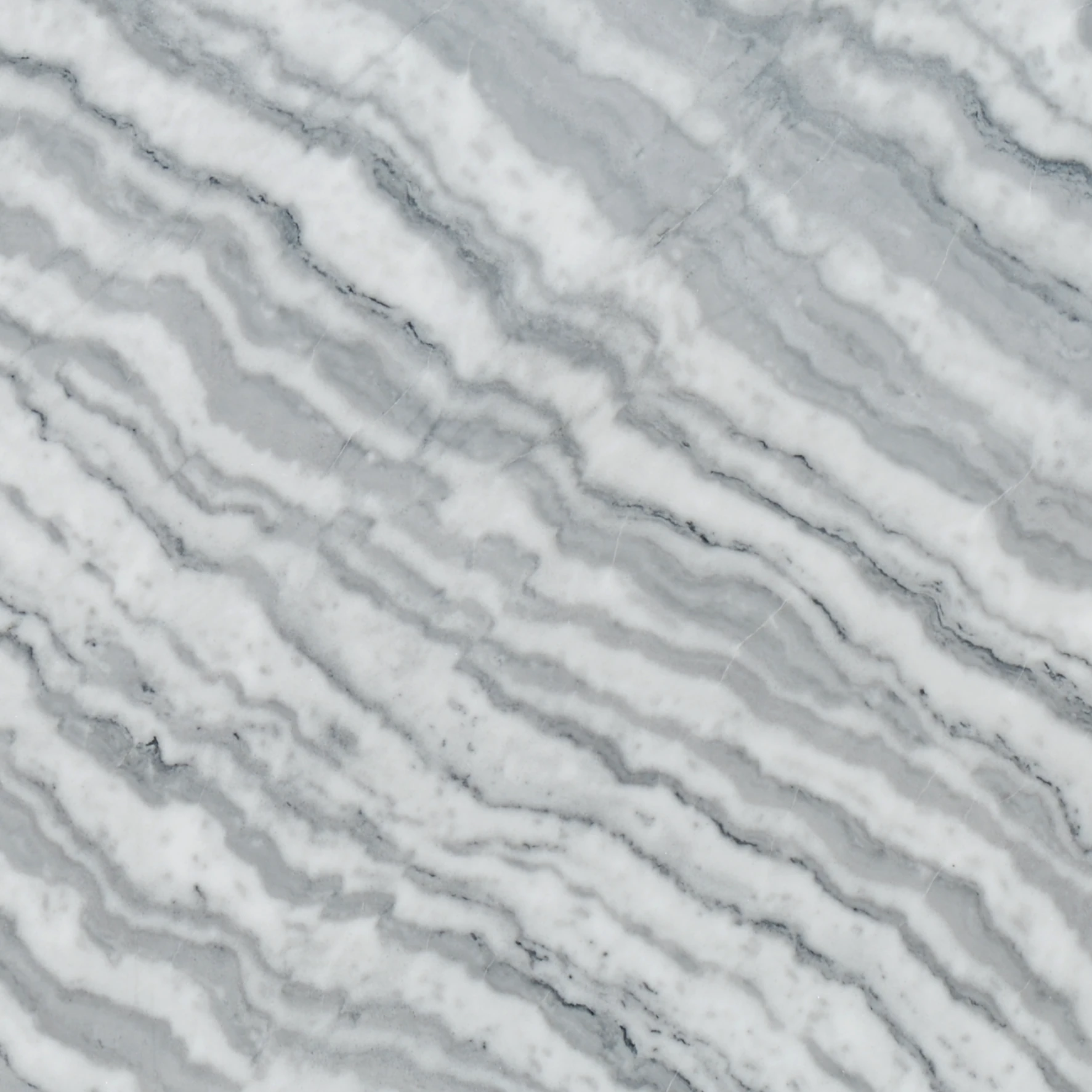
Zebra White Marble
View Material →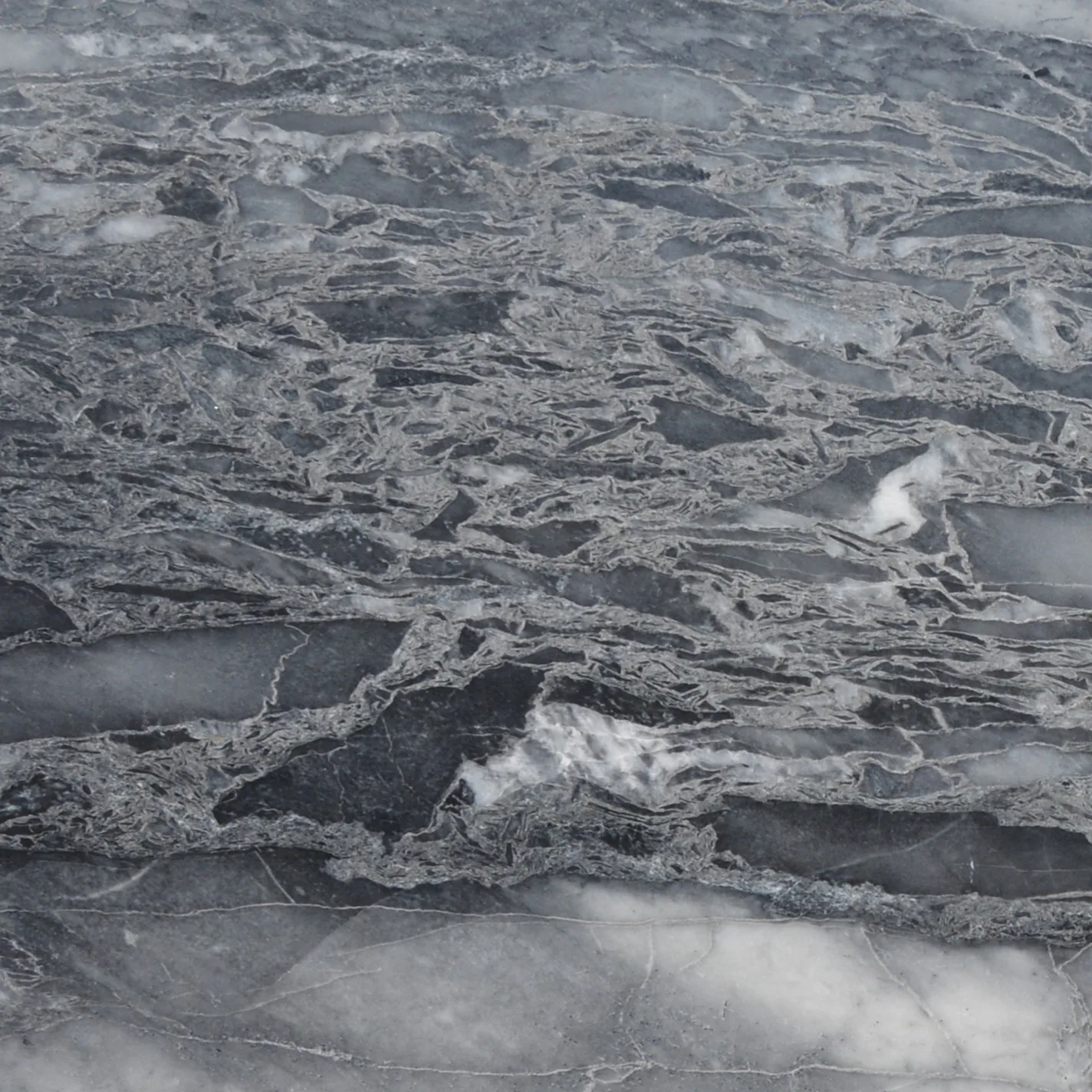
Bardiglio Black Afyon Gray Marble
View Material →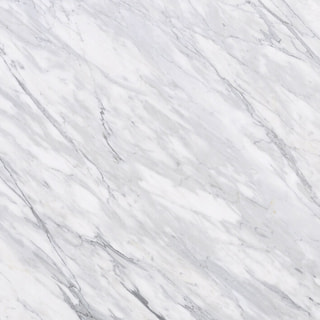
Statuario Marble
View Material →
Blue Stone Afyon Gray Marble
View Material →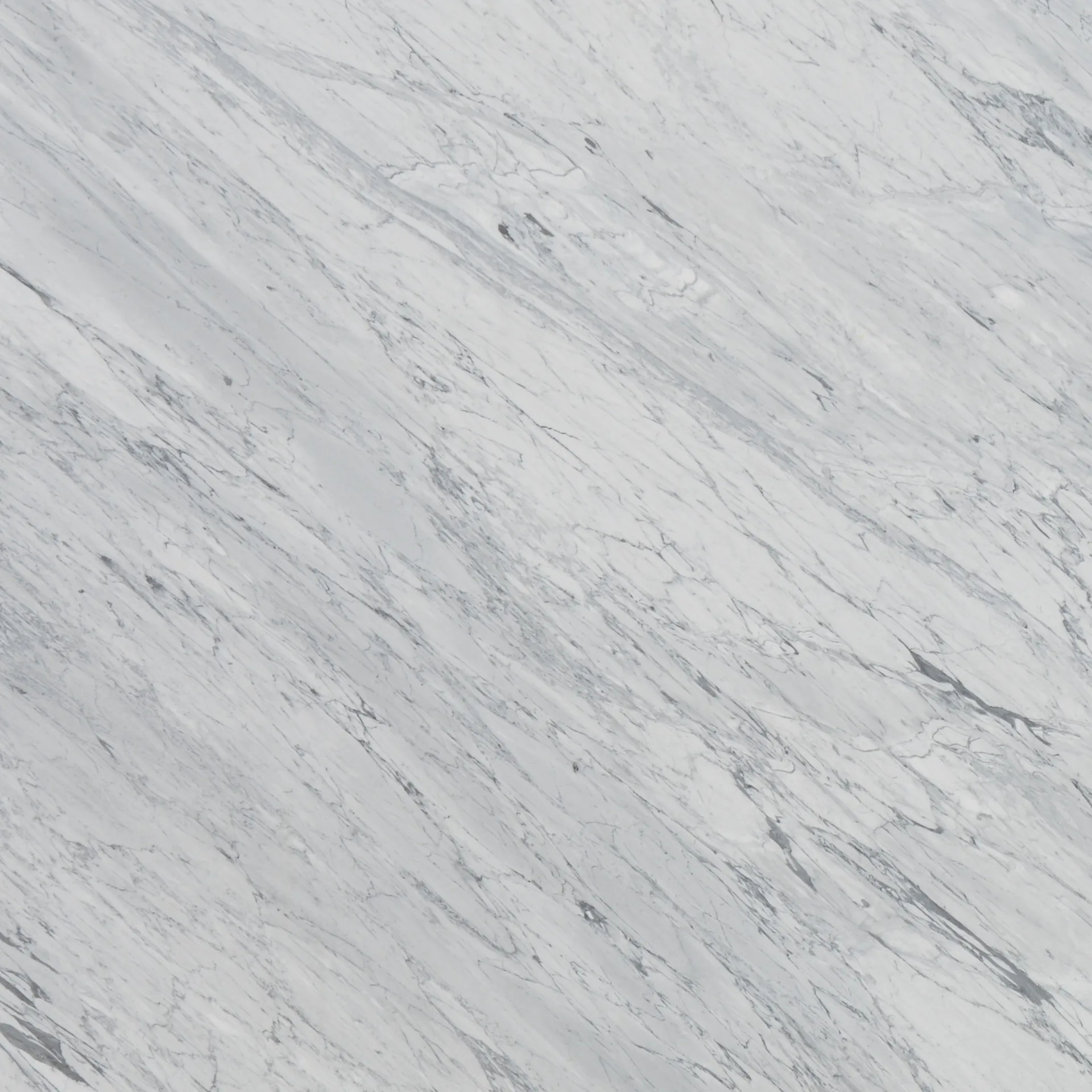
Arabescato Carrara Marble
View Material →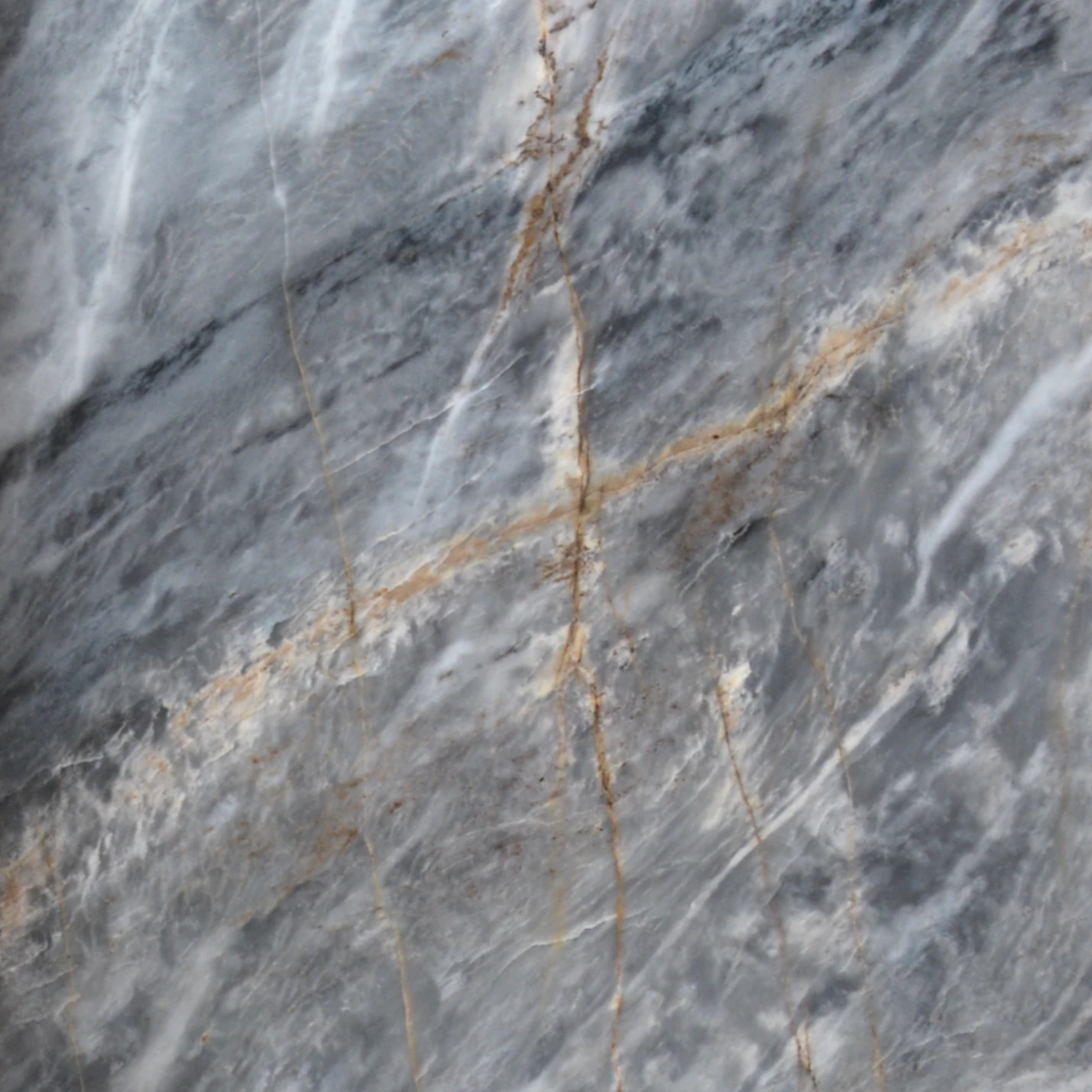
Blue Moon Gold Afyon Gray Marble
View Material →
Marmara Equator Marble
View Material →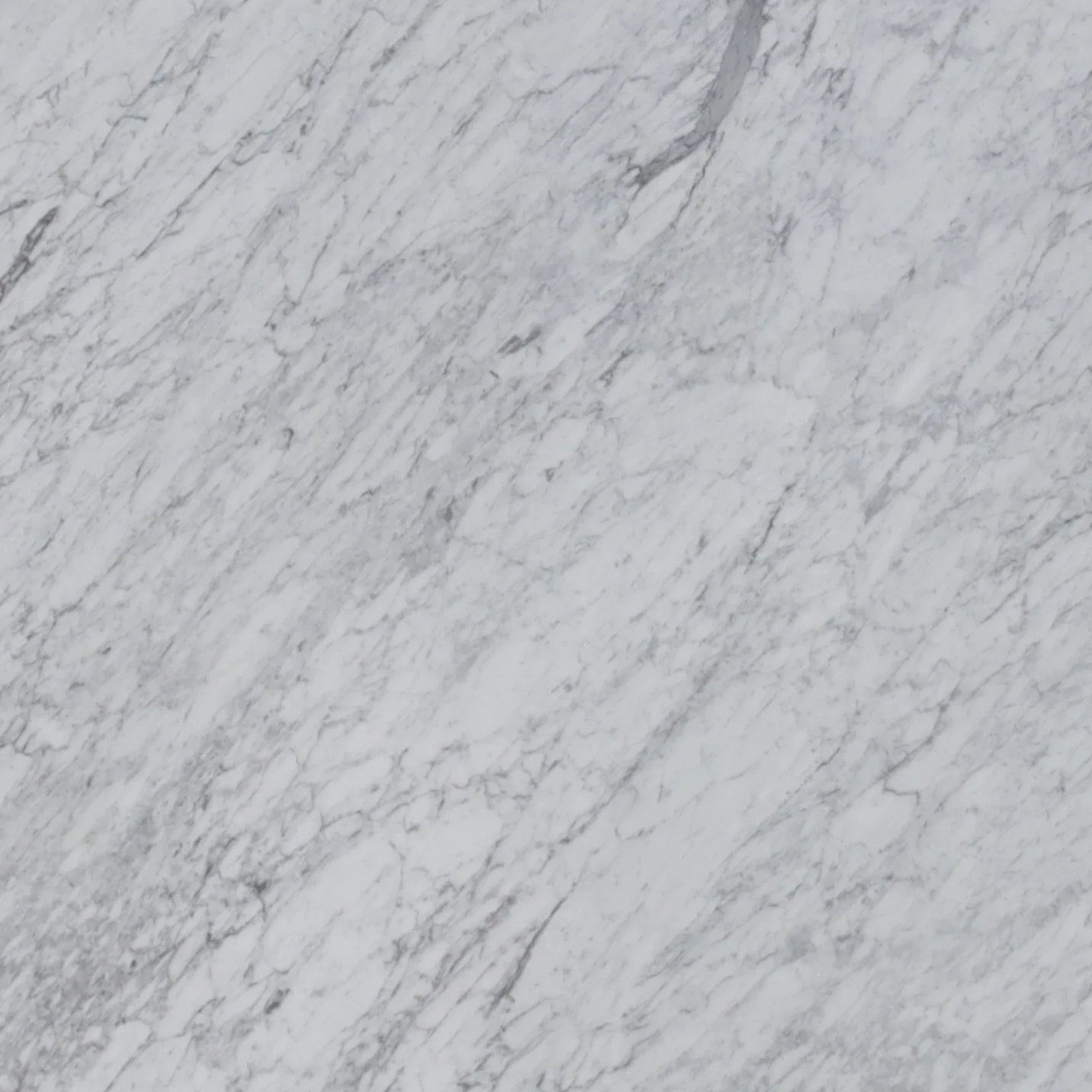
Carrara Marble
View Material →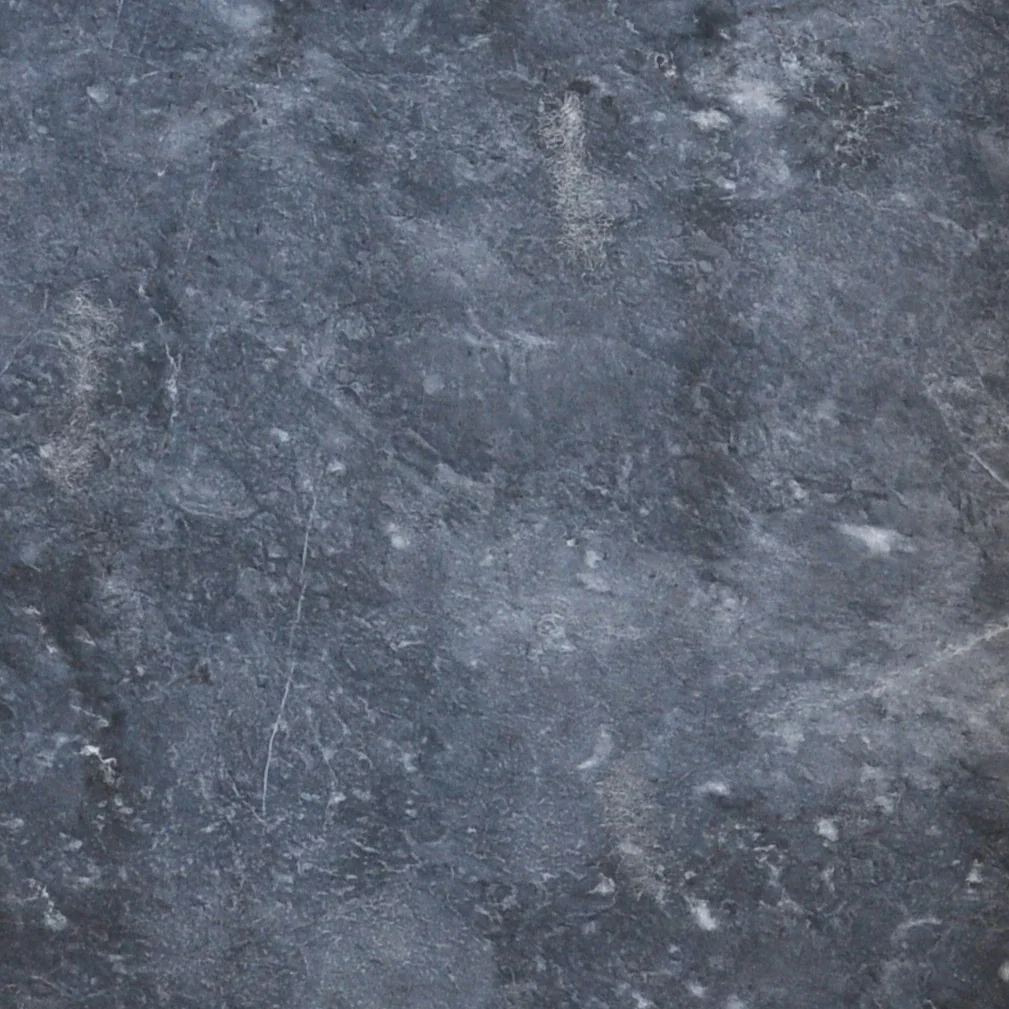
Fumè Grey Marble
View Material →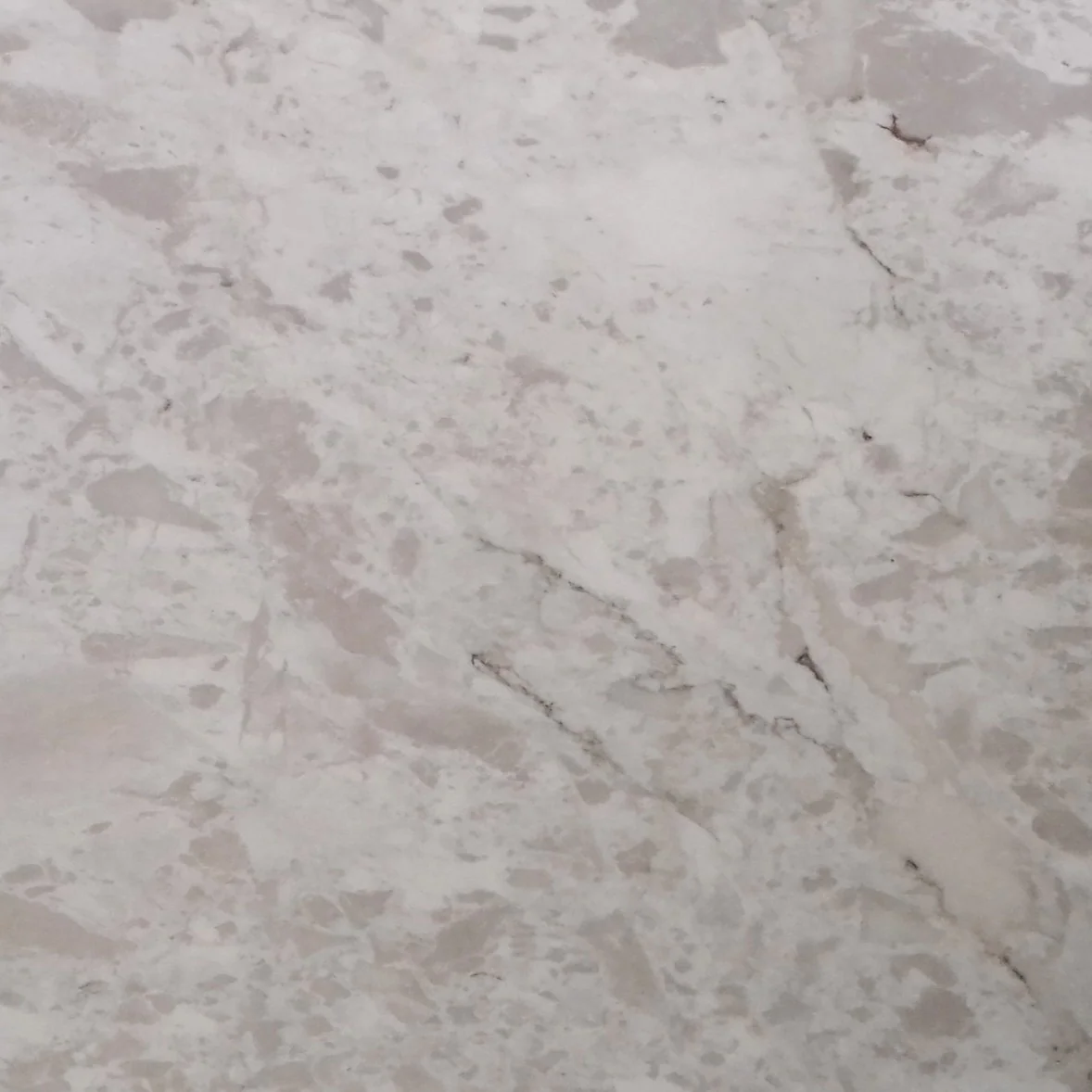
Tigrato Muğla Gray Marble
View Material →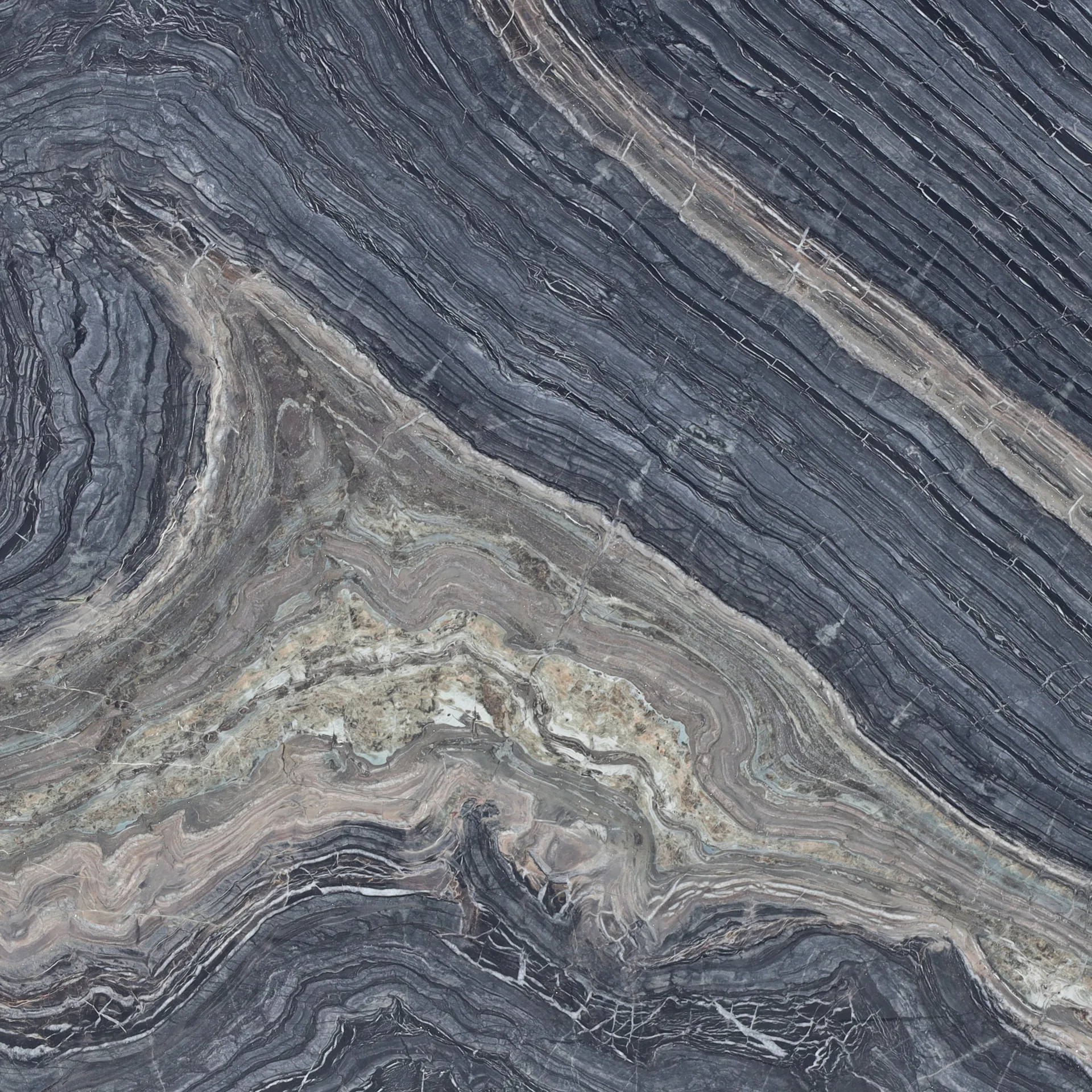
Silver Wave Marble
View Material →
Muğla Gray Marble
View Material →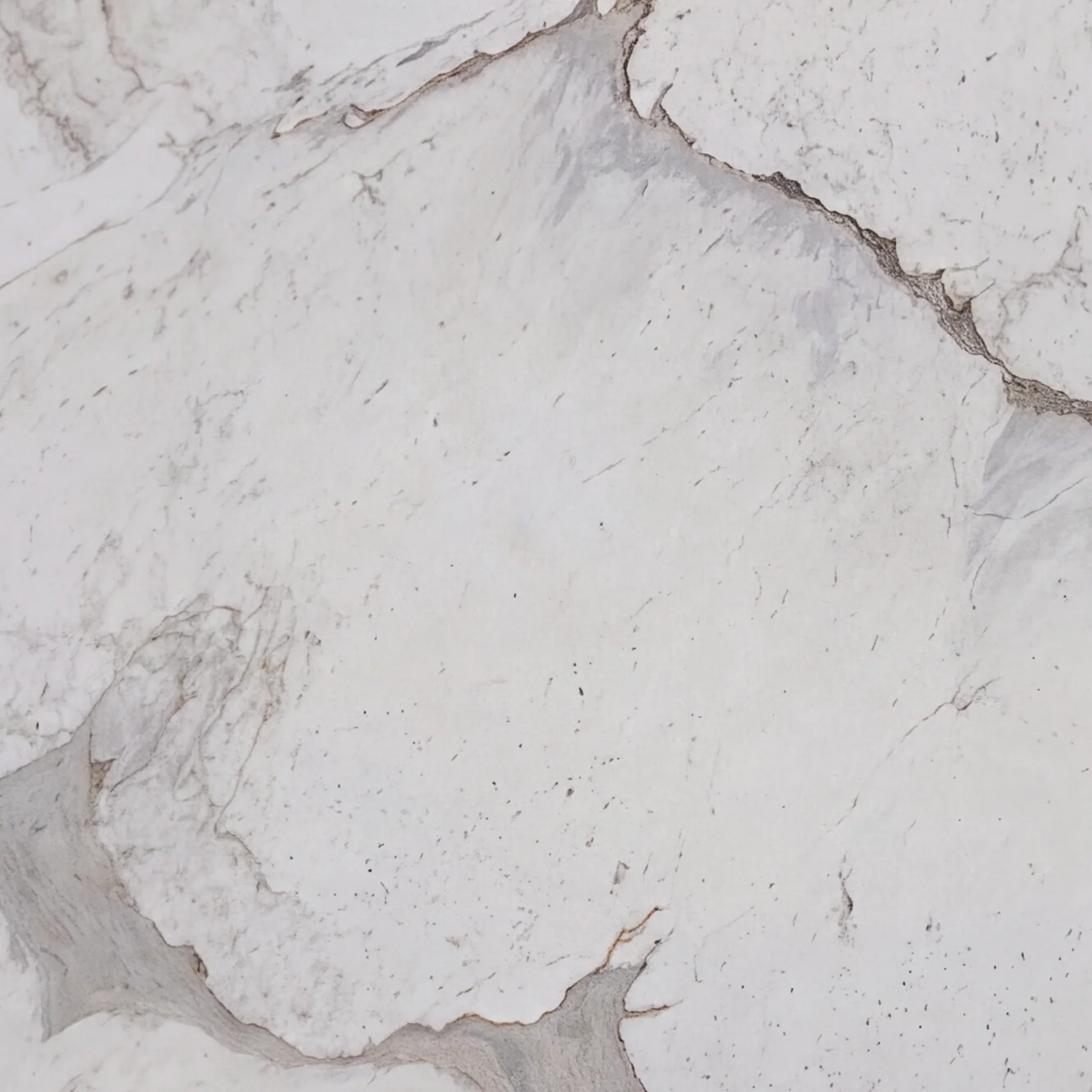
Volakas Marble
View Material →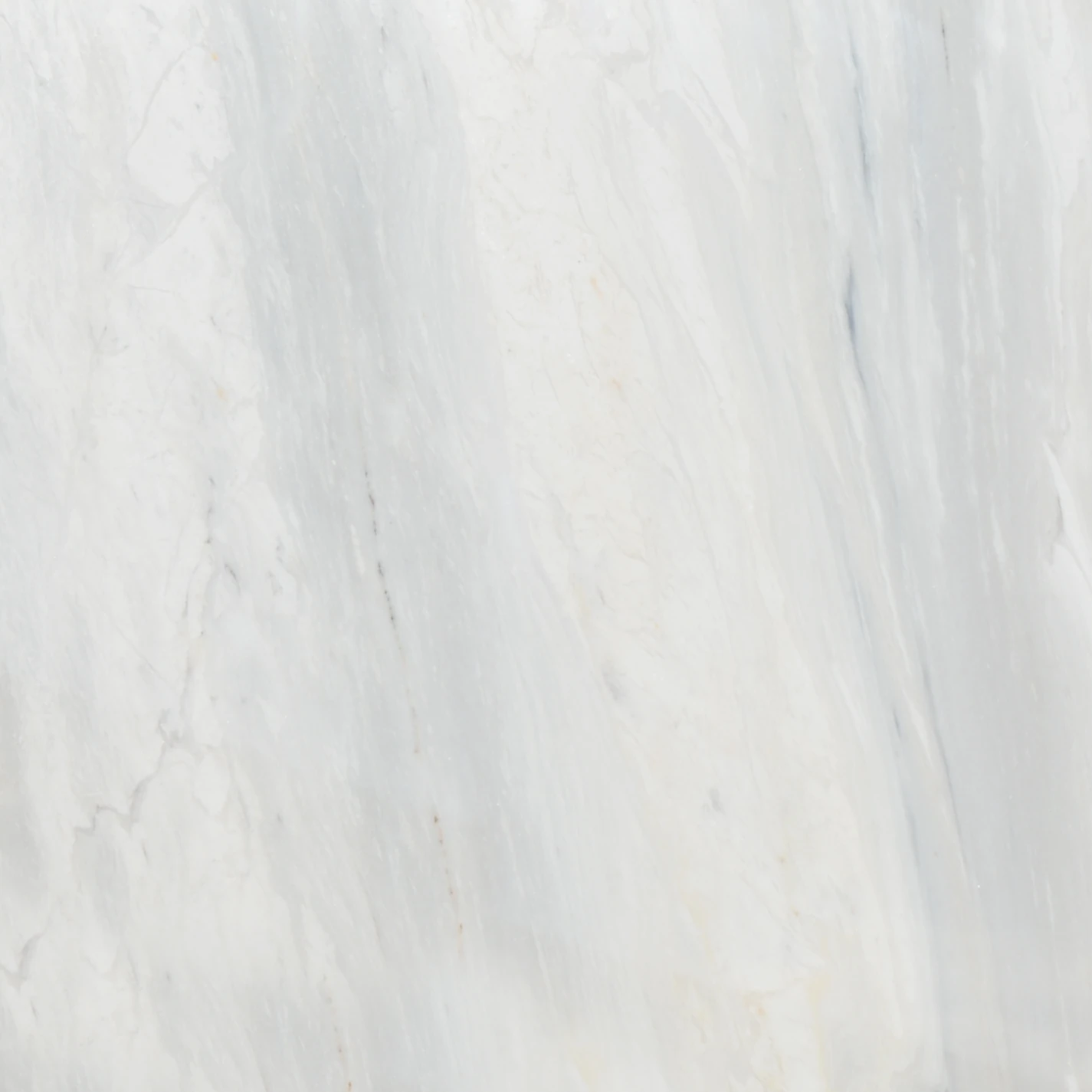
Volakas Bianco Marble
View Material →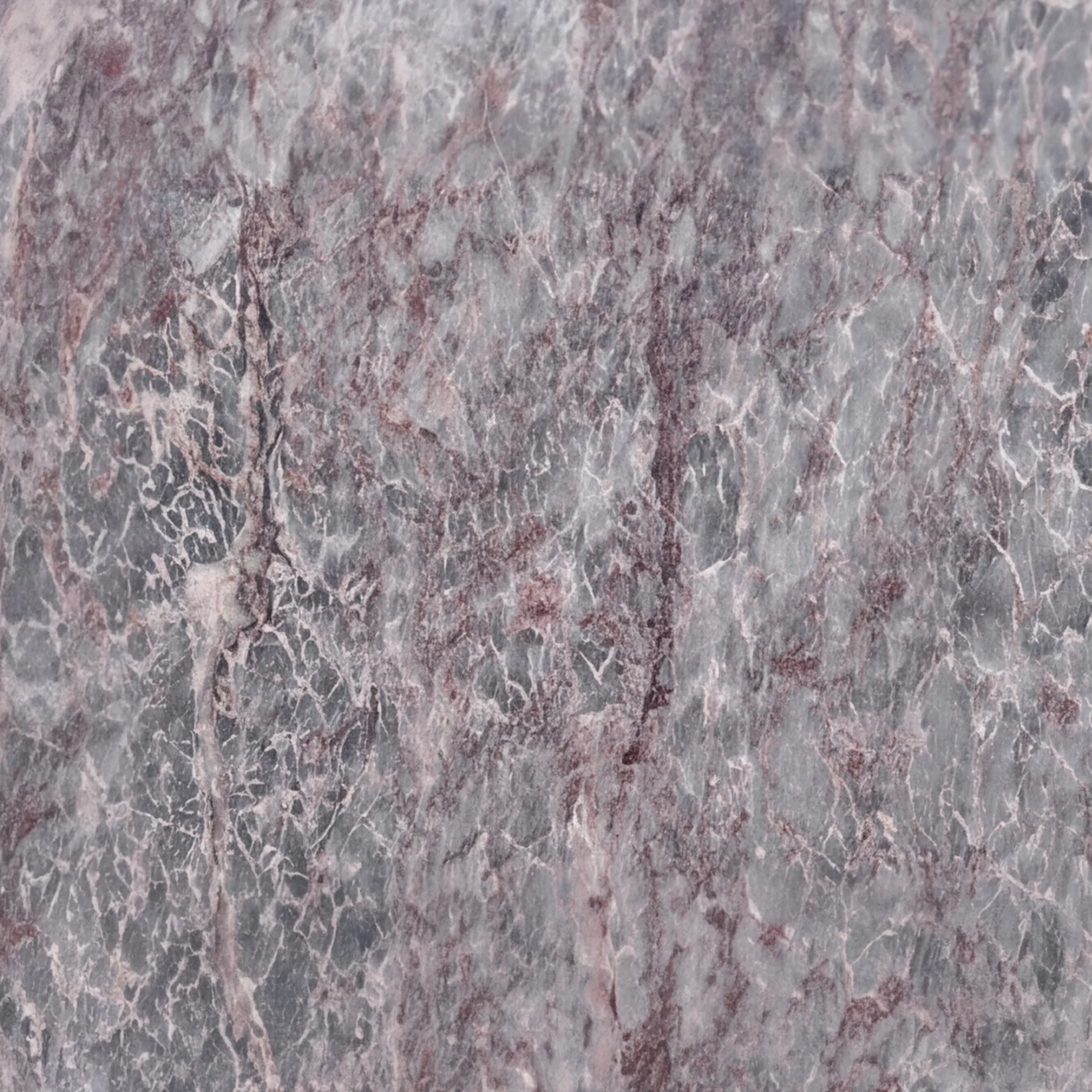
Salome Marble
View Material →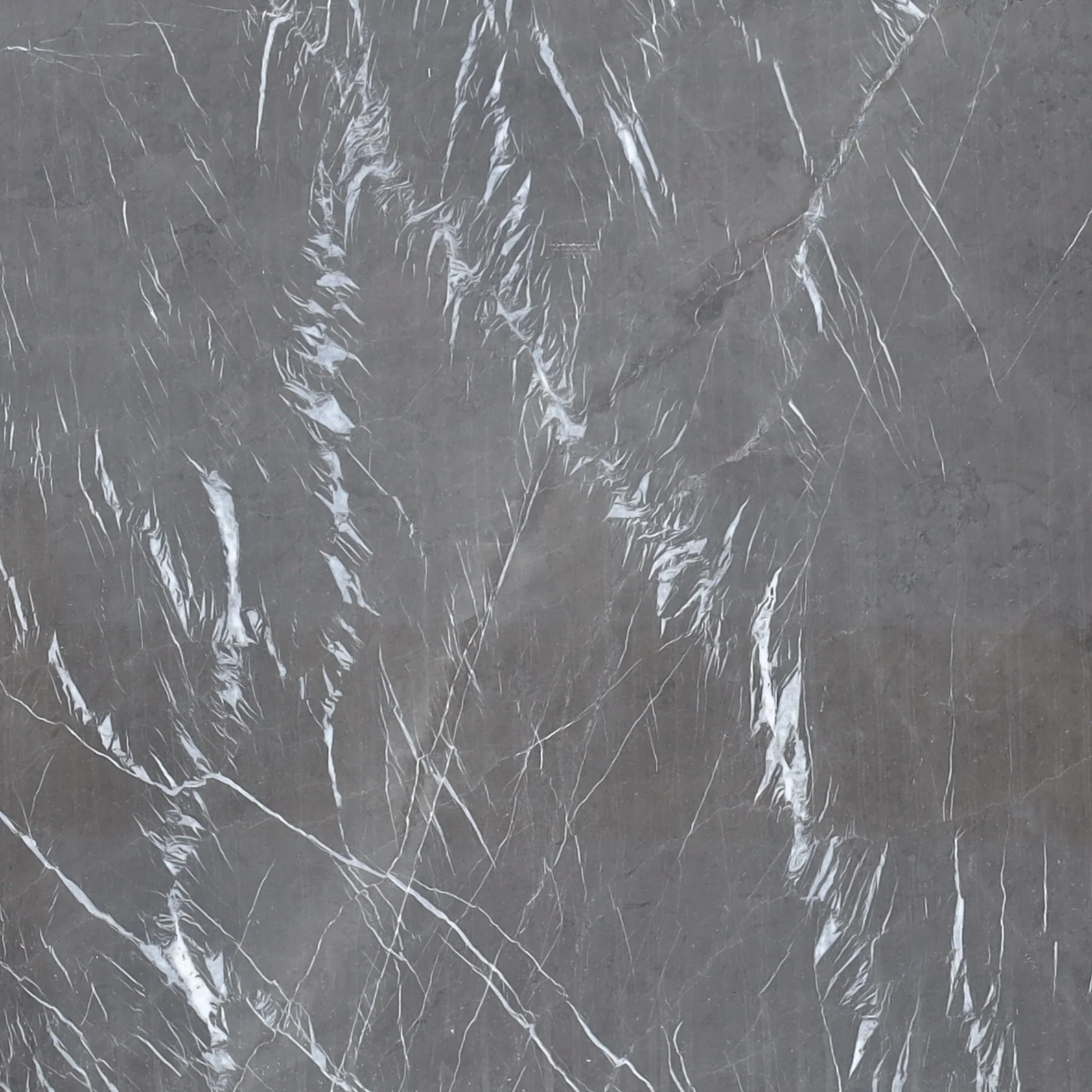
Pietra Grey Marble
View Material →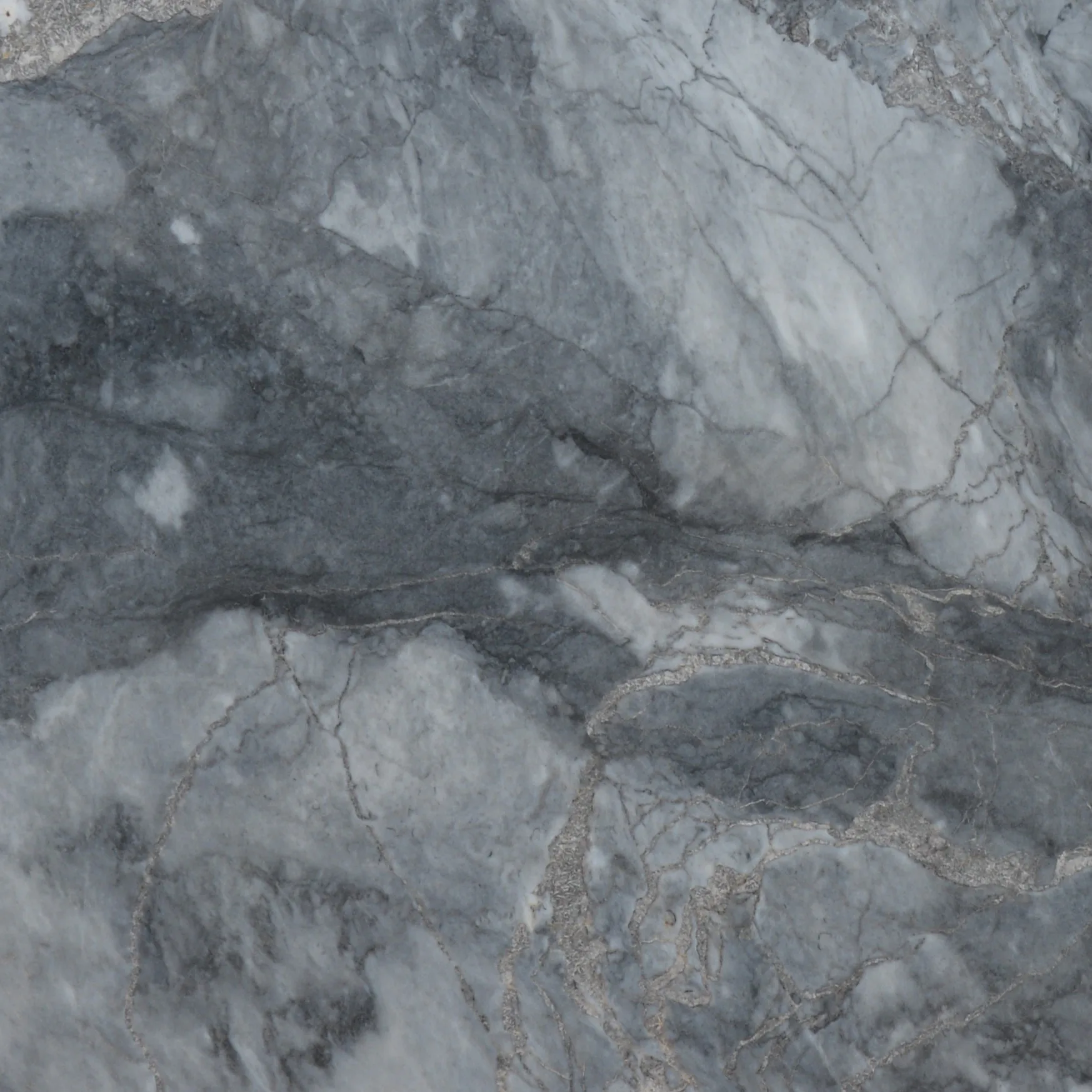
Bardiglio Blu Afyon Gray Marble
View Material →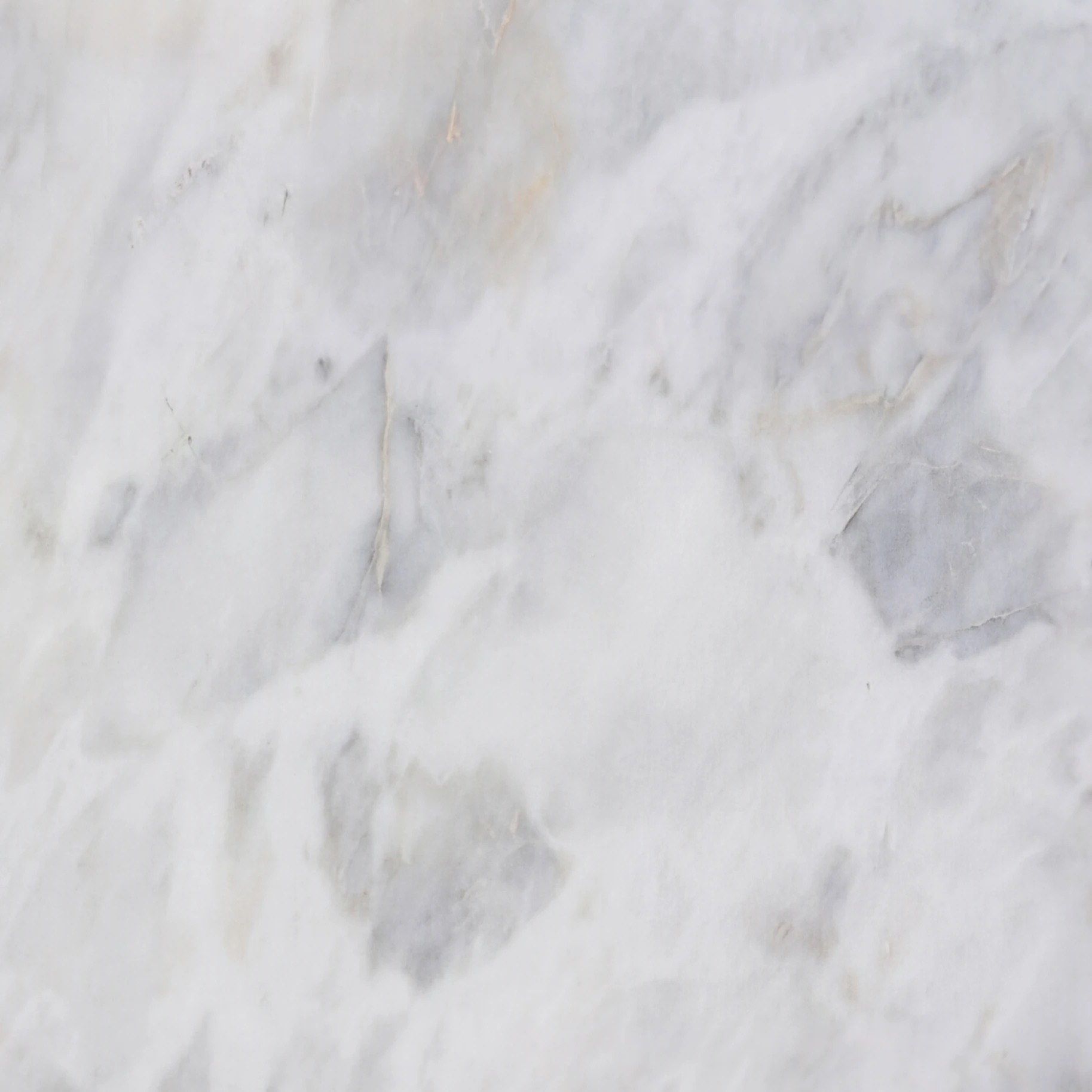
Blue Bahia Afyon Gray Marble
View Material →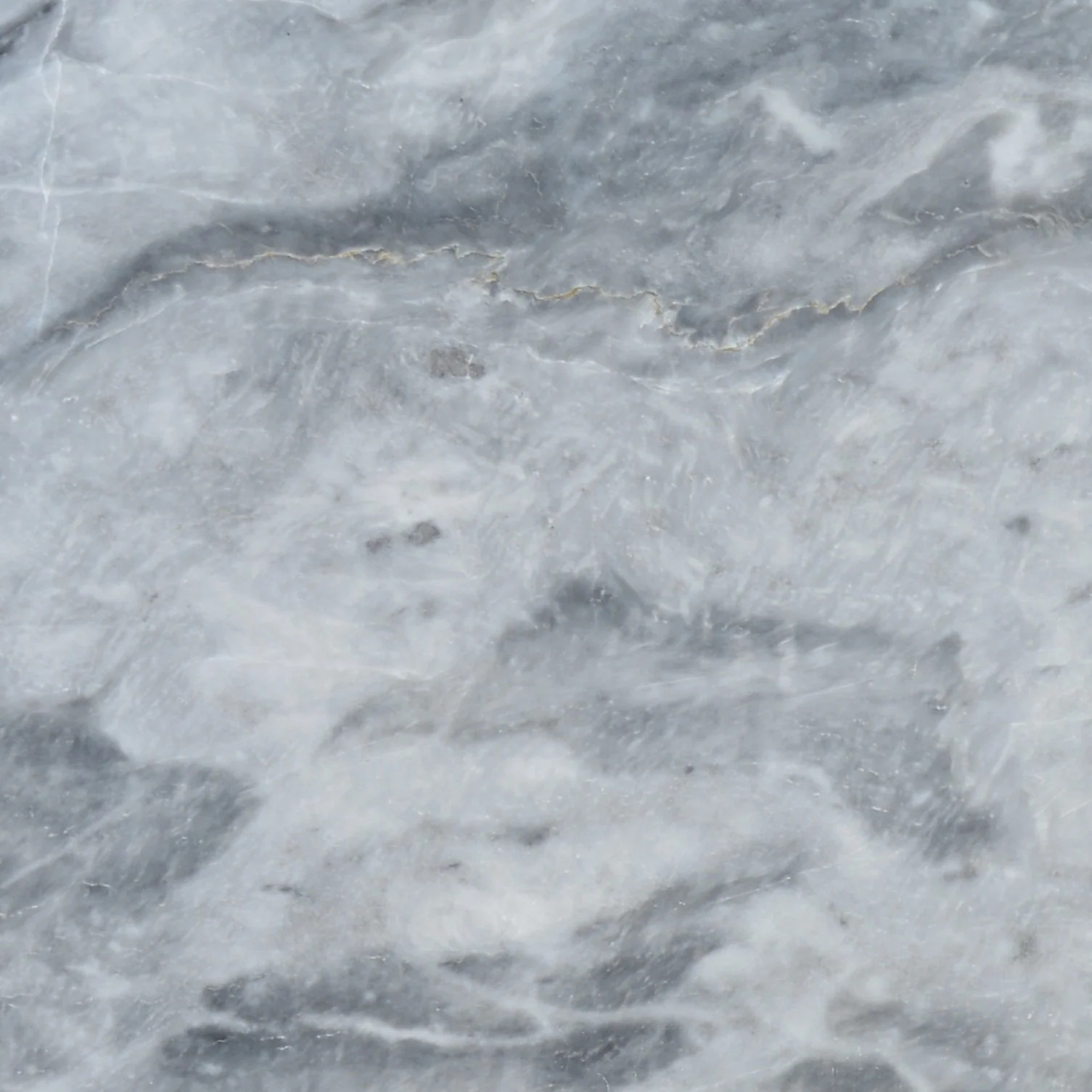
Blue Moon Afyon Gray Marble
View Material →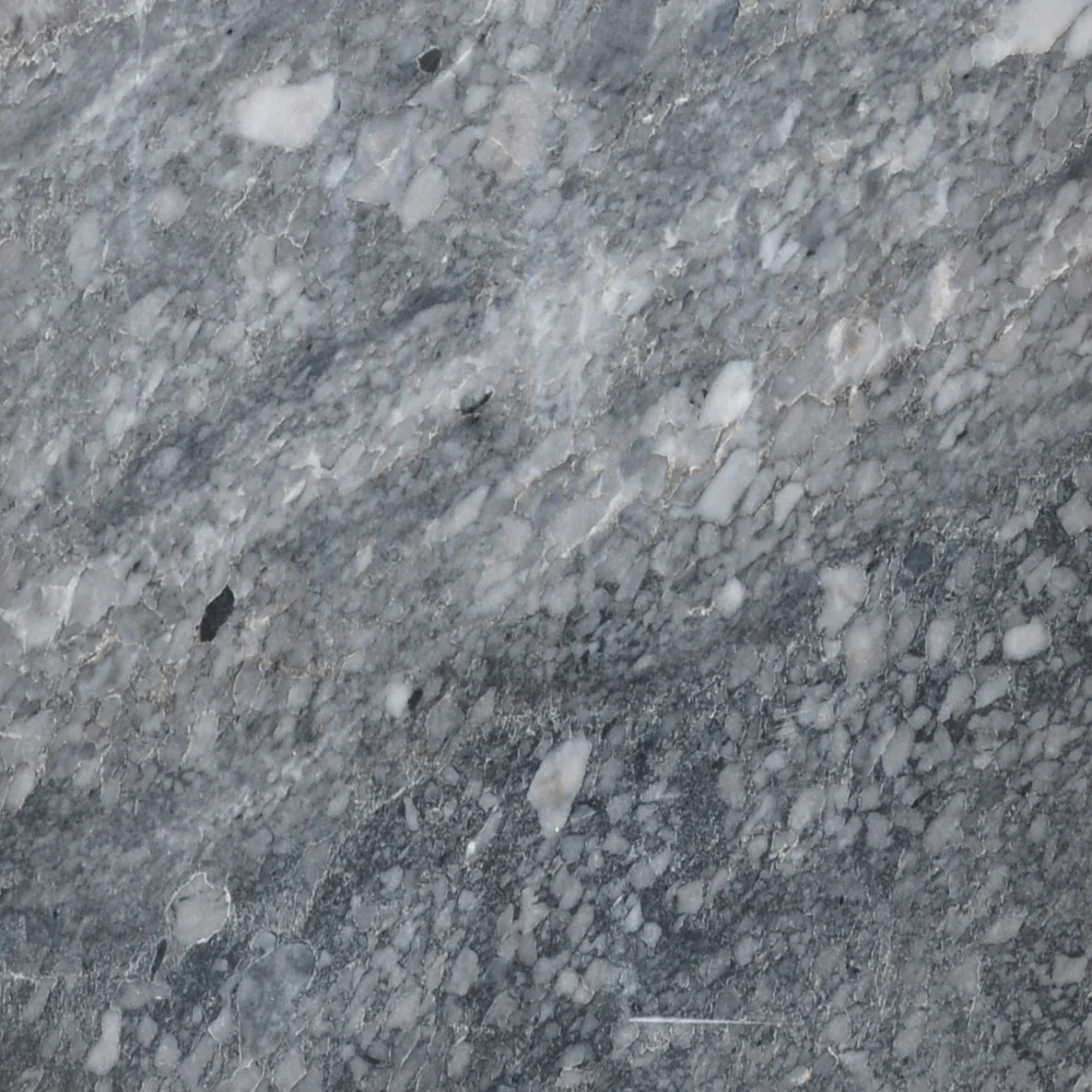
Tiger Skin Marble
View Material →Sourcing Guide for Gray Marble: Technical Specifications and Architectural Applications
What is Gray Marble?
Gray marble is a metamorphic rock formed through the recrystallization of limestone under intense heat and pressure. Geologically, it consists primarily of calcite or dolomite minerals. The distinct gray pigmentation results from the presence of trace minerals such as graphite, iron oxides, or bituminous materials dispersed during the stone's formation. In the B2B procurement sector, gray-marble serves as a neutral yet sophisticated medium that bridges the gap between the starkness of white marble and the intensity of black varieties. This material is a staple for high-end commercial and residential projects due to its ability to ground architectural designs while maintaining a luxurious aesthetic. Efesus Stone, established in 1943, processes these raw materials into high-performance surfaces suitable for heavy-traffic environments.
Characteristics and Properties
Gray marble exhibits a wide range of visual and physical attributes that dictate its suitability for specific applications. The color spectrum ranges from pale ash and silver to deep charcoal and slate tones. Veining patterns vary from fine, hair-like linear movements to bold, brecciated structures.
Technically, gray-marble typically possesses a Mohs hardness rating between 3 and 4. Its density usually averages 2.7 g/cm³, providing the structural integrity required for vertical and horizontal surfaces. Water absorption rates for premium Turkish gray-marble generally remain below 0.2%, ensuring durability against moisture-related degradation. When compared to synthetic alternatives like quartz or porcelain, natural gray marble offers superior heat resistance and a unique geological signature that cannot be replicated. For a deeper understanding of these technical traits, consult our guide on You must know marble's properties before using it at home.
Popular Varieties
Selecting the correct variety involves evaluating the quarry of origin and the specific mineral composition. Efesus Stone provides access to diverse gray-marble slabs and gray-marble blocks from renowned regions.
- Tundra Gray Marble: Sourced from the Afyon and Isparta regions, this stone features a cool gray base with subtle white and darker gray veining. It is a industry standard for large-scale flooring projects. For detailed benefits, see Tundra Gray Marble: Benefits, Applications, and Pricing Guide.
- Blue Moon Afyon Grey Marble: A darker, more atmospheric selection from the Afyon region, characterized by deep tones and consistent crystal structure, ideal for high-contrast interior designs.
- Zebra Grey Marble: This variety from the Marmara Island region displays distinct linear veining, making it a preferred choice for book-matching in wall cladding and feature walls.
- Mugla Gray Marble: Originating from the Muğla region, this stone offers a lighter palette with soft transitions, frequently specified for bathroom vanities and residential flooring.
- Bardiglio Blu Afyon Grey Marble: A premium selection with a fine-grained texture and deep blue-gray hues, often used in luxury hospitality projects.
- Fumè Grey Marble: Sourced from the Bursa region, this stone provides a smoky aesthetic with intricate patterns suitable for modern reception areas.
- Volakas Marble: This is a premium imported selection from Greece, featuring a white base with soft gray diagonal veining that provides a classic architectural finish.
Applications and Use Cases
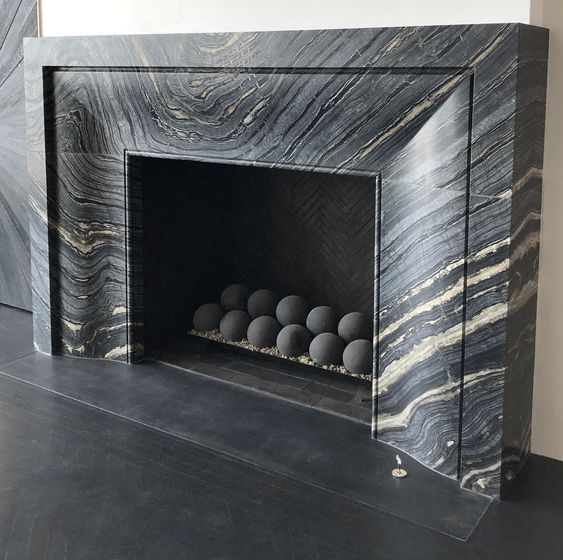
Gray marble is a versatile material specified across multiple sectors. For interior applications, gray-marble slabs are the primary choice for kitchen countertops, island waterfall edges, and backsplash installations. In bathrooms, the stone is utilized for walk-in shower walls, floor tiles, and custom-carved basins.
In commercial settings, gray marble is frequently applied in hotel lobbies and office reception areas where high compressive strength and aesthetic longevity are required. For exterior use, certain denser varieties are suitable for ventilated facade systems and wall cladding. However, for pool surrounds or high-moisture outdoor areas, we recommend evaluating the specific porosity of the batch. For large-format applications, specify our gray-marble slabs collection to ensure vein continuity across expansive surfaces. You can find more information on general applications in our article What Are The Usage Areas of Marble?.
Finish Options and Technical Specifications
Efesus Stone provides multiple finishing techniques to meet the slip-resistance and aesthetic requirements of different projects:
- Polished: A high-gloss finish that highlights the stone's color depth and veining. Best for wall cladding and low-traffic residential floors.
- Honed: A smooth, matte finish that provides better slip resistance than polished surfaces. Ideal for commercial flooring and high-traffic zones.
- Brushed/Leathered: A textured finish that follows the natural contours of the stone, offering a tactile feel and concealing fingerprints or water spots.
- Sandblasted: A coarse finish used primarily for exterior applications to maximize grip.
Standard thicknesses include 2 cm and 3 cm for slabs. Tile dimensions are typically available in 30x60 cm, 60x60 cm, and custom large-format sizes. For high-volume procurement, we supply gray-marble blocks directly from our quarries for processing at the client's facility.
Care and Maintenance
As a natural calcitic stone, gray marble requires specific maintenance protocols to preserve its structural and visual integrity. All gray-marble surfaces must be treated with a high-quality impregnating sealer upon installation. This sealer penetrates the pores to provide a barrier against oil and water-based stains.
Daily cleaning should be performed with pH-neutral detergents. Avoid all acidic cleaners, including vinegar or citrus-based products, as these will etch the calcite surface, leaving dull marks. For persistent stains, refer to our technical guide on How to Get Rid of Marble Stains?. Re-sealing frequency depends on the traffic volume, typically ranging from every 6 to 12 months for commercial environments.
Why Source from EfesusStone?
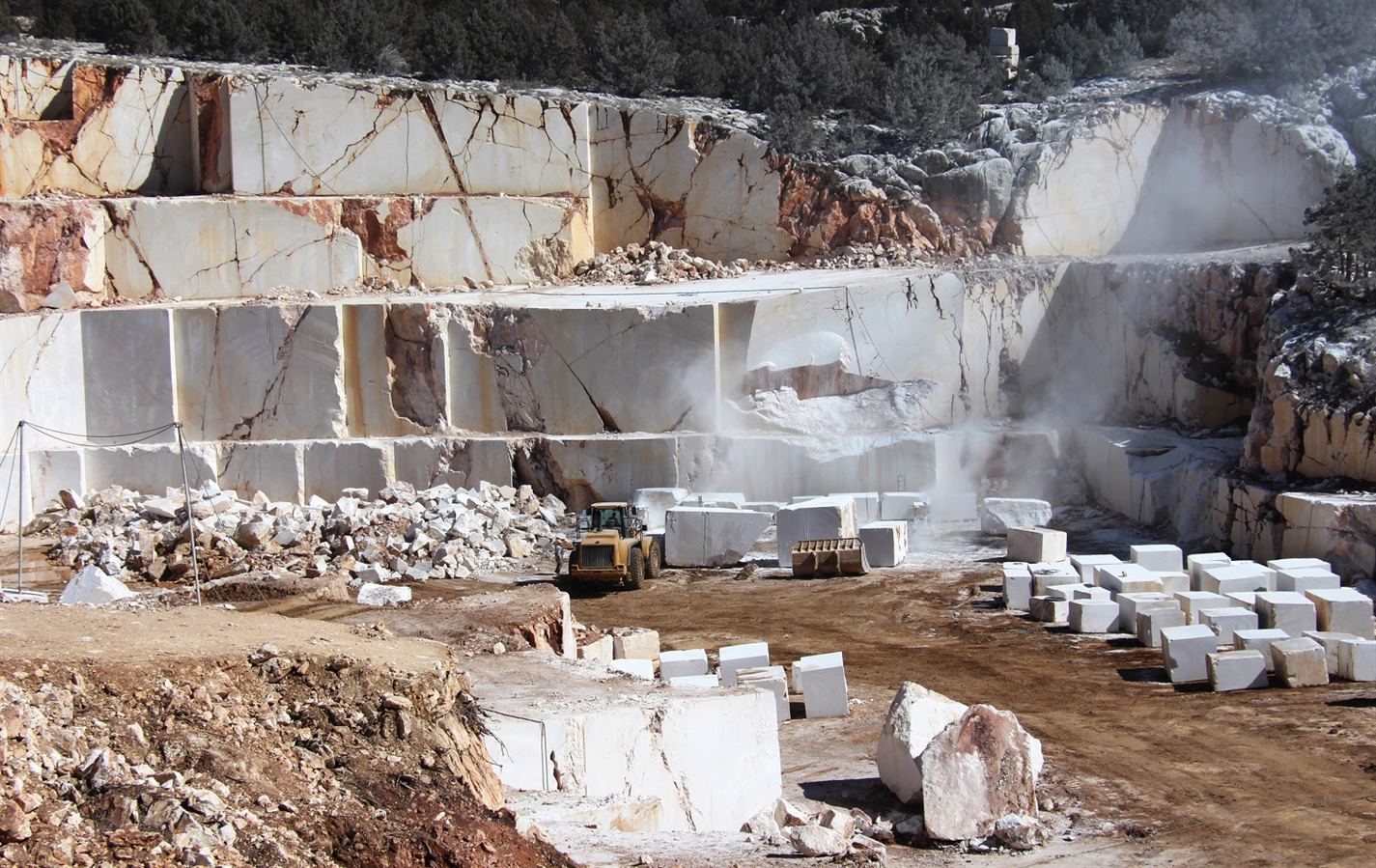
Efesus Stone represents over 80 years of expertise in the Turkish natural stone industry. Since 1943, we have maintained direct control over the supply chain, from quarry extraction to final finishing. This vertical integration allows us to guarantee consistent grading and quality control for every shipment of premium gray-marble.
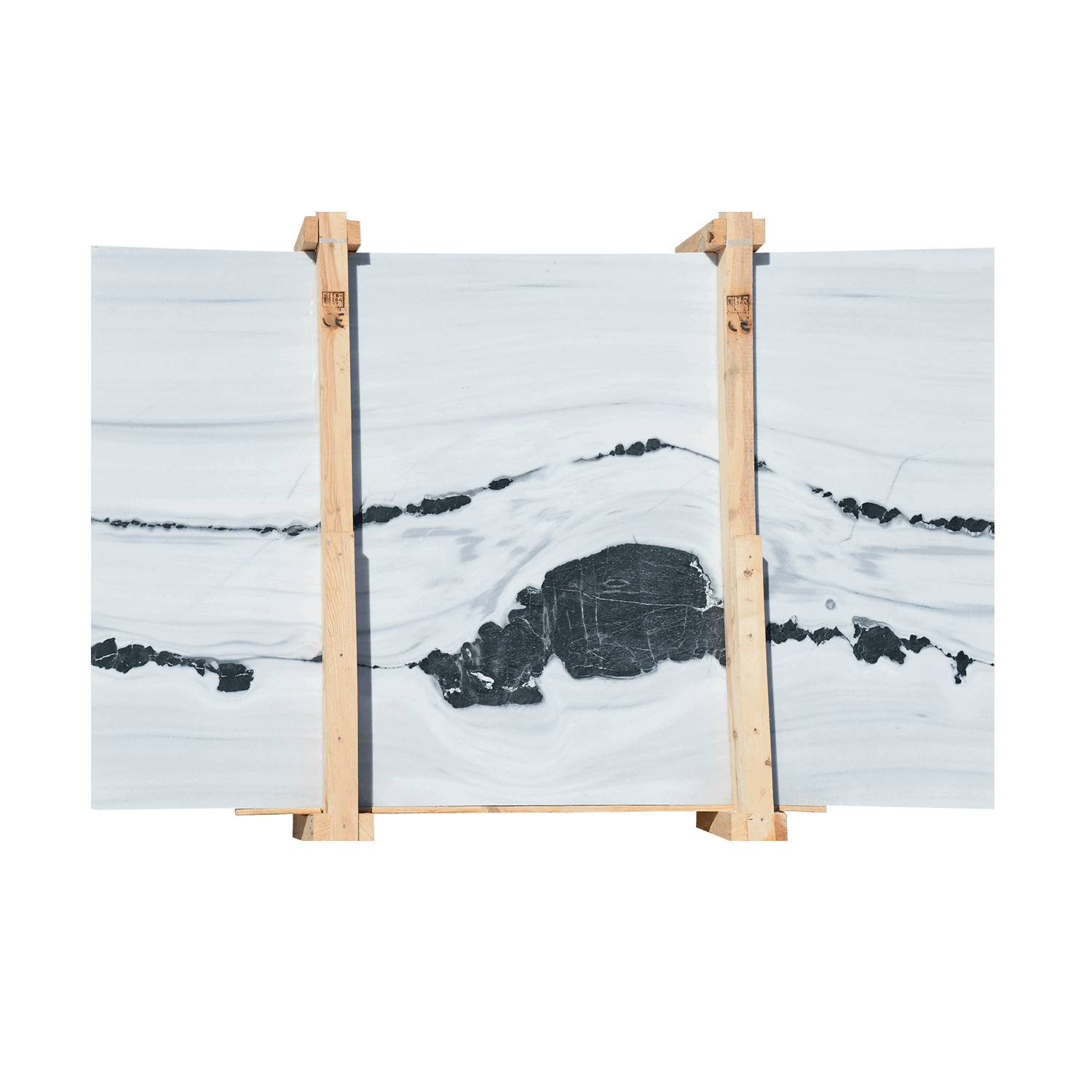
Our manufacturing facilities utilize Italian processing technology to ensure precise calibration and thickness tolerances. We provide comprehensive export logistics, including seaworthy wooden crate packaging and container loading optimization. For architects and developers, we offer custom-to-size cutting services and shop drawing support to ensure the stone meets the exact requirements of the project site. When you source Turkish gray-marble from Efesus Stone, you are partnering with a manufacturer committed to technical excellence and long-term durability.
Frequently Asked Questions
Learn more
Related Articles & Selection Guides
Supply Notes
Sizing, finishing and selection support.
Custom sizes
Coordinate availability, production details and documentation with the Efesus Stone team.
Project finishes
Coordinate availability, production details and documentation with the Efesus Stone team.
Export packing
Coordinate availability, production details and documentation with the Efesus Stone team.