
Blue Marble
Blue Marble Types and Models
Blue marble is a beautiful type of natural stone that can be used to enhance the visual appeal of your home. Whether you prefer light or dark blue marble, incorporating it into your countertops, backsplashes, vanity tops, or other home structures can truly elevate the look of your space. Blue marble is aesthetically pleasing and many varieties feature stunning veins and hints of other colors. Blue marble is a great option if you want to add a vibrant touch of color to your home. Blue marbles are often preferred and add color to designs. Reduce stress in the environment with a natural, calm image.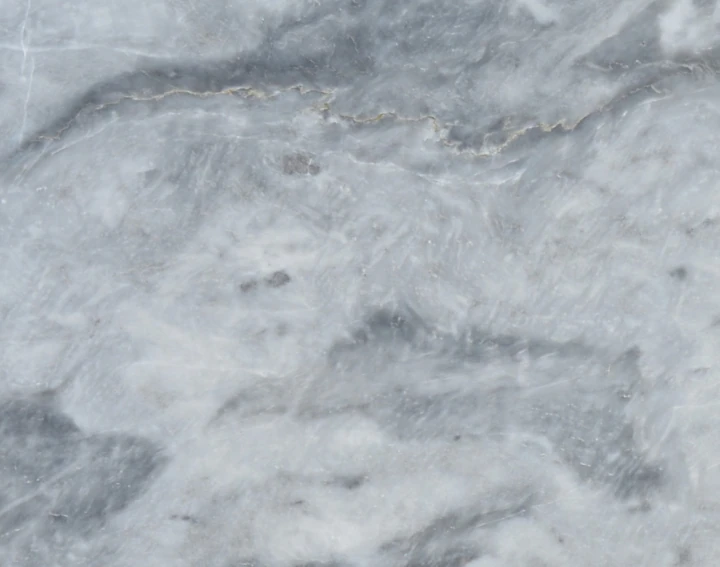
Panda Blue Marble
View Material →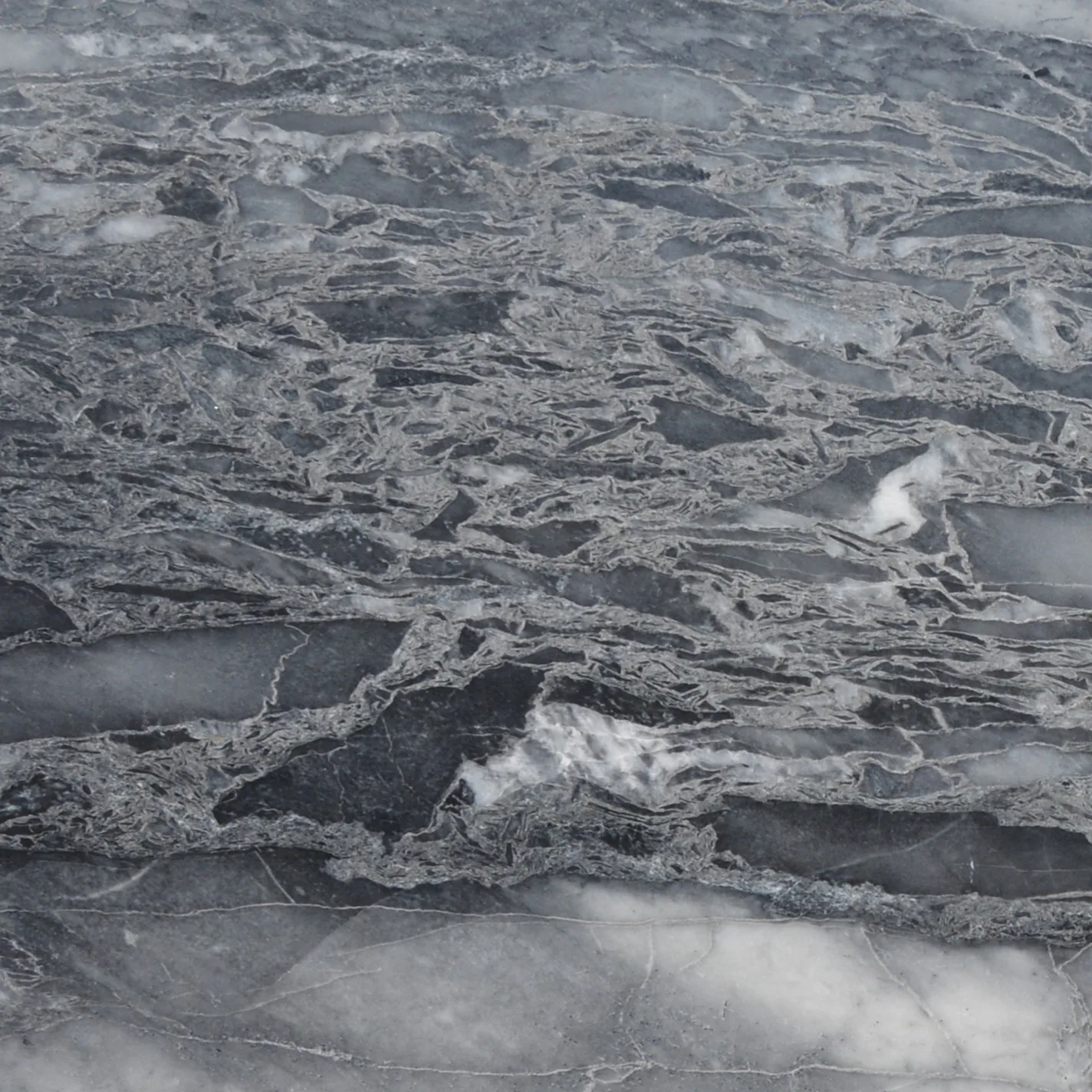
Bardiglio Black Afyon Gray Marble
View Material →
Blue Stone Afyon Gray Marble
View Material →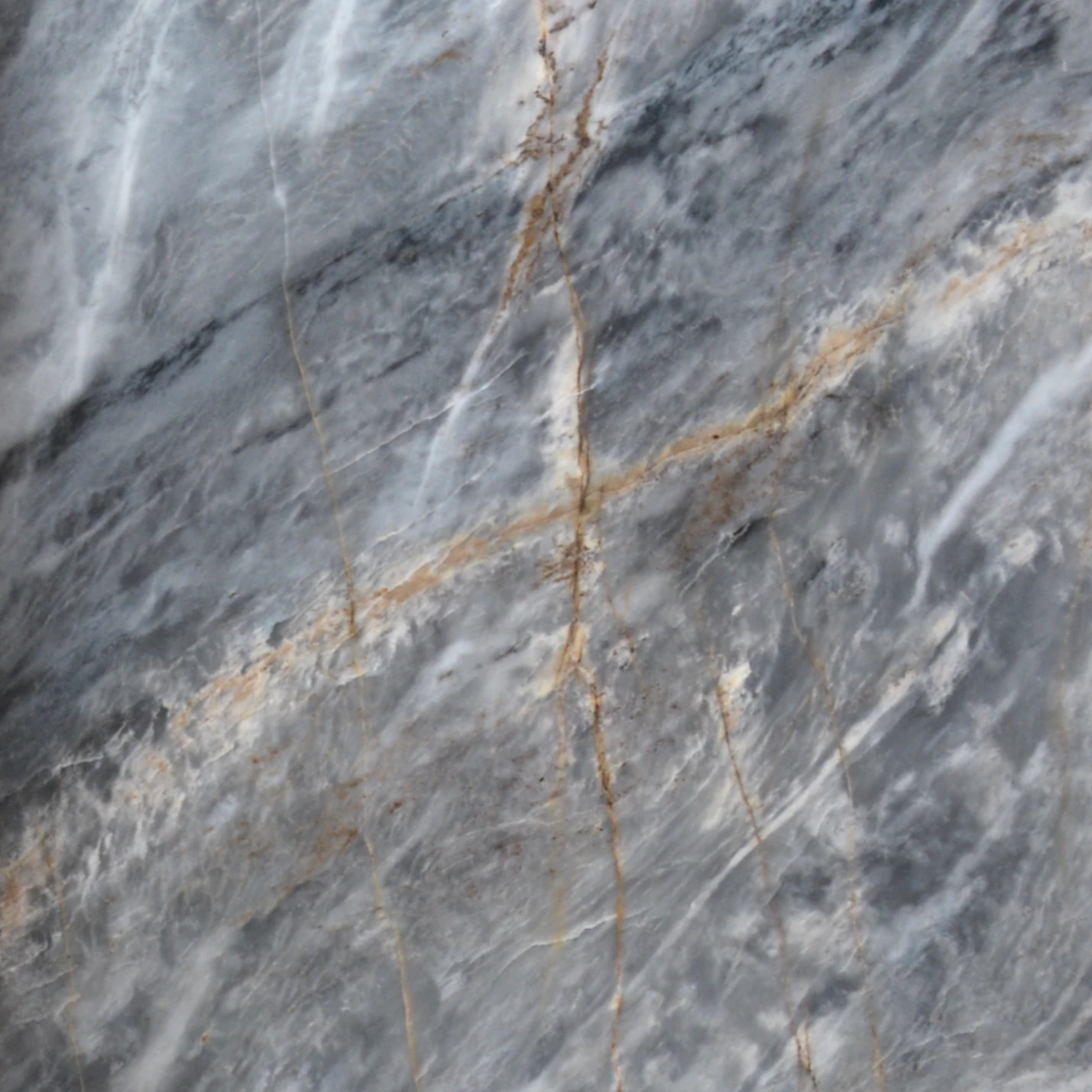
Blue Moon Gold Afyon Gray Marble
View Material →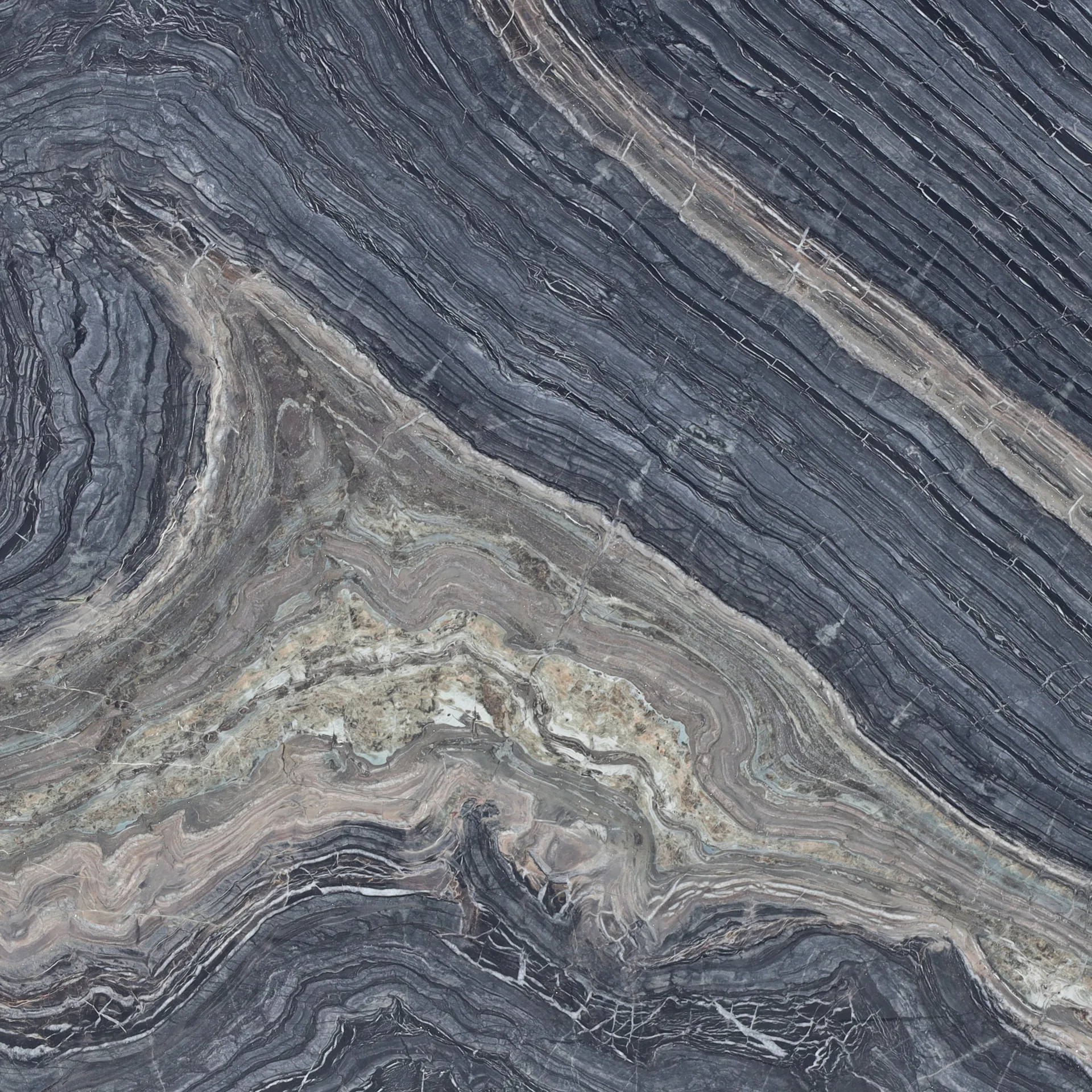
Silver Wave Marble
View Material →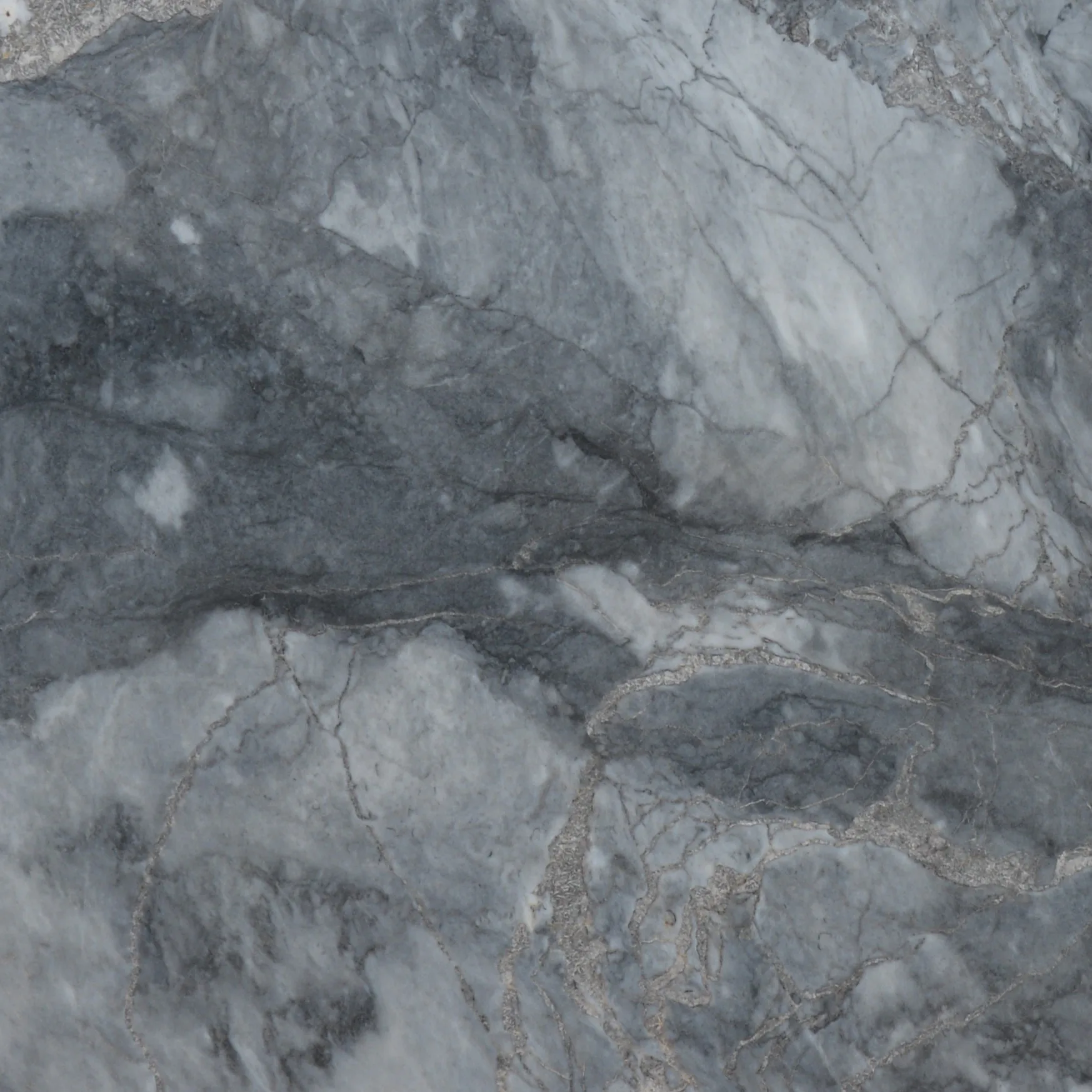
Bardiglio Blu Afyon Gray Marble
View Material →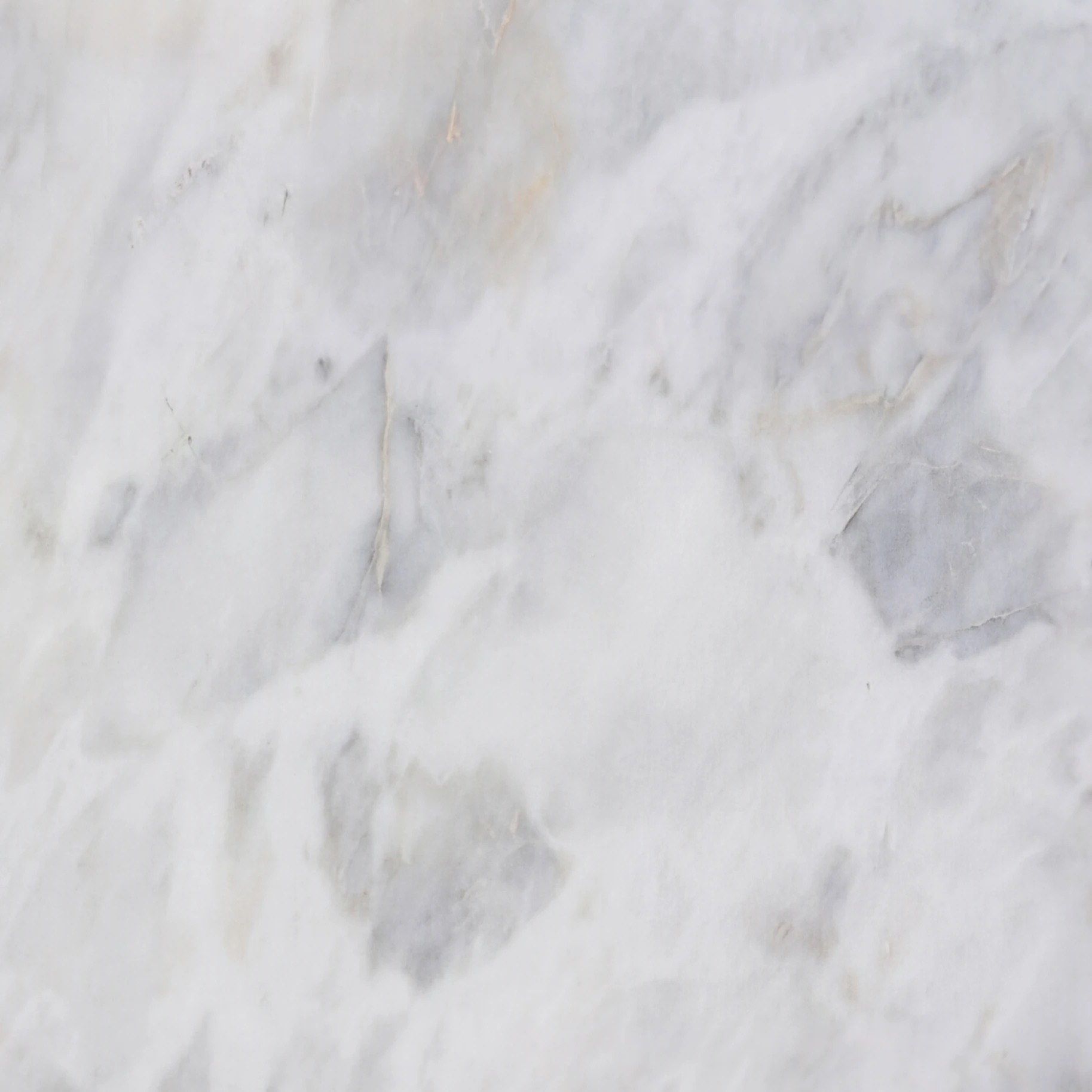
Blue Bahia Afyon Gray Marble
View Material →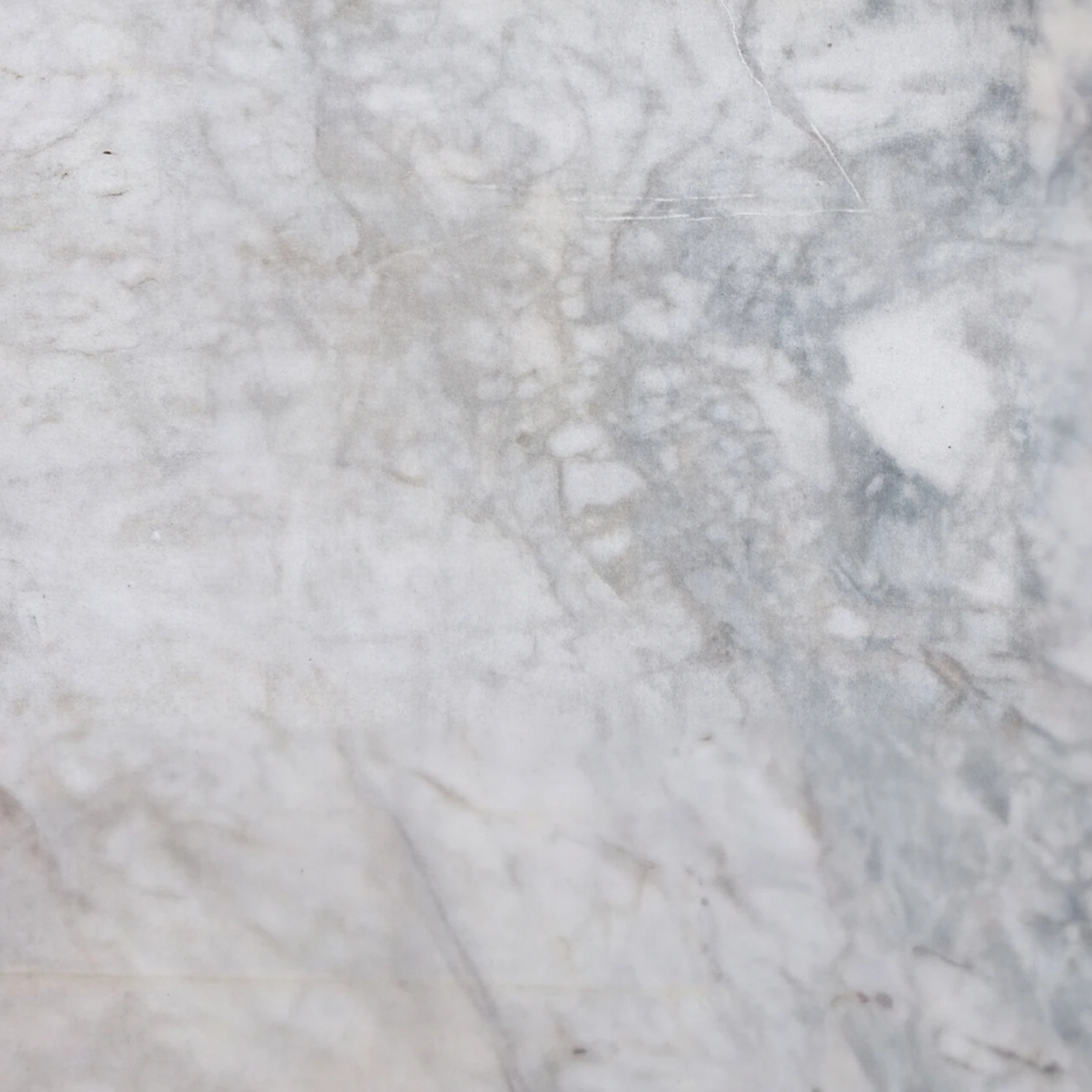
Afyon White Marine Blue Marble
View Material →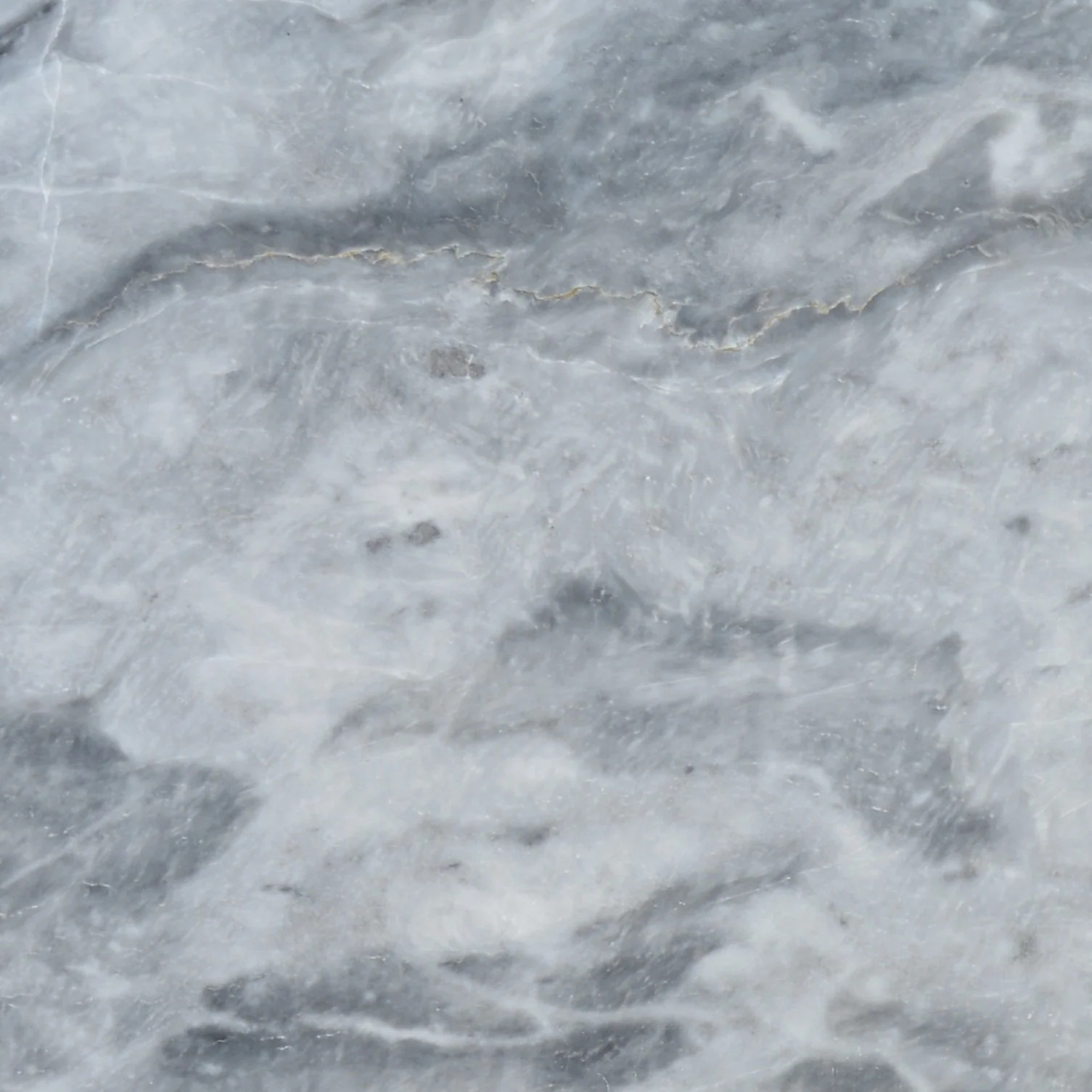
Blue Moon Afyon Gray Marble
View Material →B2B Procurement Guide: Technical Specifications and Sourcing of Blue Marble
What is Blue Marble?
Blue marble is a crystalline metamorphic rock primarily composed of recrystallized carbonate minerals, most commonly calcite or dolomite. Its distinct coloration originates from mineral impurities present during the metamorphic process, such as graphite, pyrite, or various silicates. From a geological perspective, the transition from sedimentary limestone to marble occurs under intense heat and pressure, resulting in a dense, non-foliated structure that permits a high degree of polish.
In architectural and construction projects, blue marble serves as a high-value material for specialized applications. Its rarity compared to standard white or beige varieties makes it a primary choice for feature walls, book-matched slabs, and luxury commercial interiors. Procurement managers specify this material when the project requirements demand a specific aesthetic profile that synthetic surfaces cannot replicate, particularly regarding depth of color and natural veining variation.
Characteristics and Properties
The visual properties of blue marble range from subtle, light-grayish blues to deep navy and cobalt hues. Veining patterns are typically irregular, often appearing as white calcite streaks, gold-toned mineral deposits, or dark grey brecciated fragments. Certain varieties, particularly those with high quartz content, exhibit translucency, making them suitable for backlit installations in hospitality environments.
Technically, blue marble maintains a Mohs hardness rating between 3 and 4. Physical properties include a density typically ranging from 2,600 to 2,800 kg/m³, water absorption rates generally below 0.20%, and high compressive strength. Compared to granite, blue marble is more susceptible to acid etching but offers superior workability for intricate edge profiles and custom carvings. When compared to porcelain slabs, it provides a unique, non-repeating pattern and a higher thermal mass, which is a critical consideration for climate-controlled interior environments.
Popular Varieties
Efesus Stone manages a diverse inventory of blue-toned natural stones, including both indigenous Turkish varieties and premium imported selections. Understanding the regional origin is essential for verifying technical consistency and logistical planning.
- Blue Stone Afyon Gray Marble: Sourced from the Afyon region, this variety features a consistent bluish-grey background with subtle tonal shifts. It is a staple in Turkish natural stone production, known for its structural integrity and suitability for high-traffic flooring.
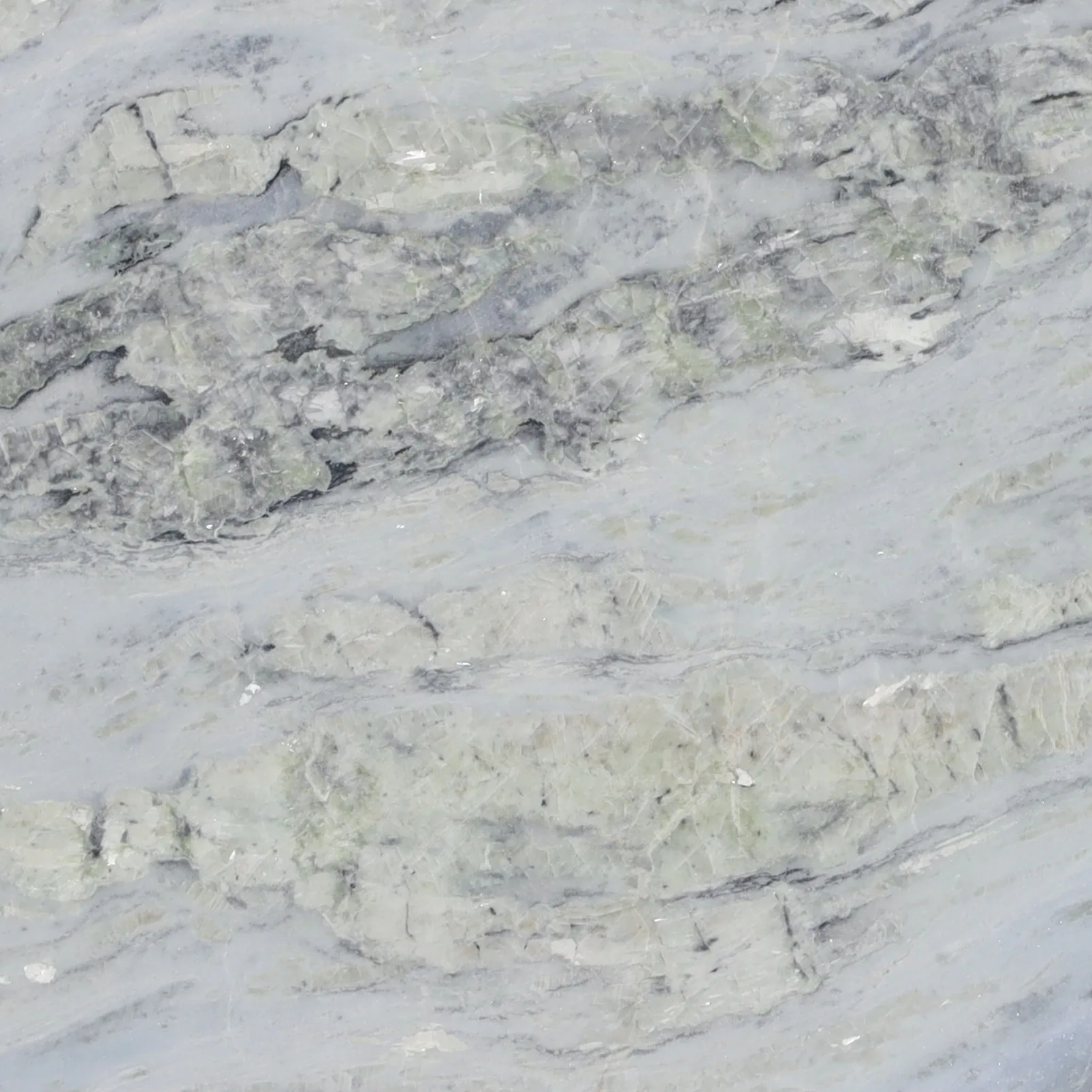
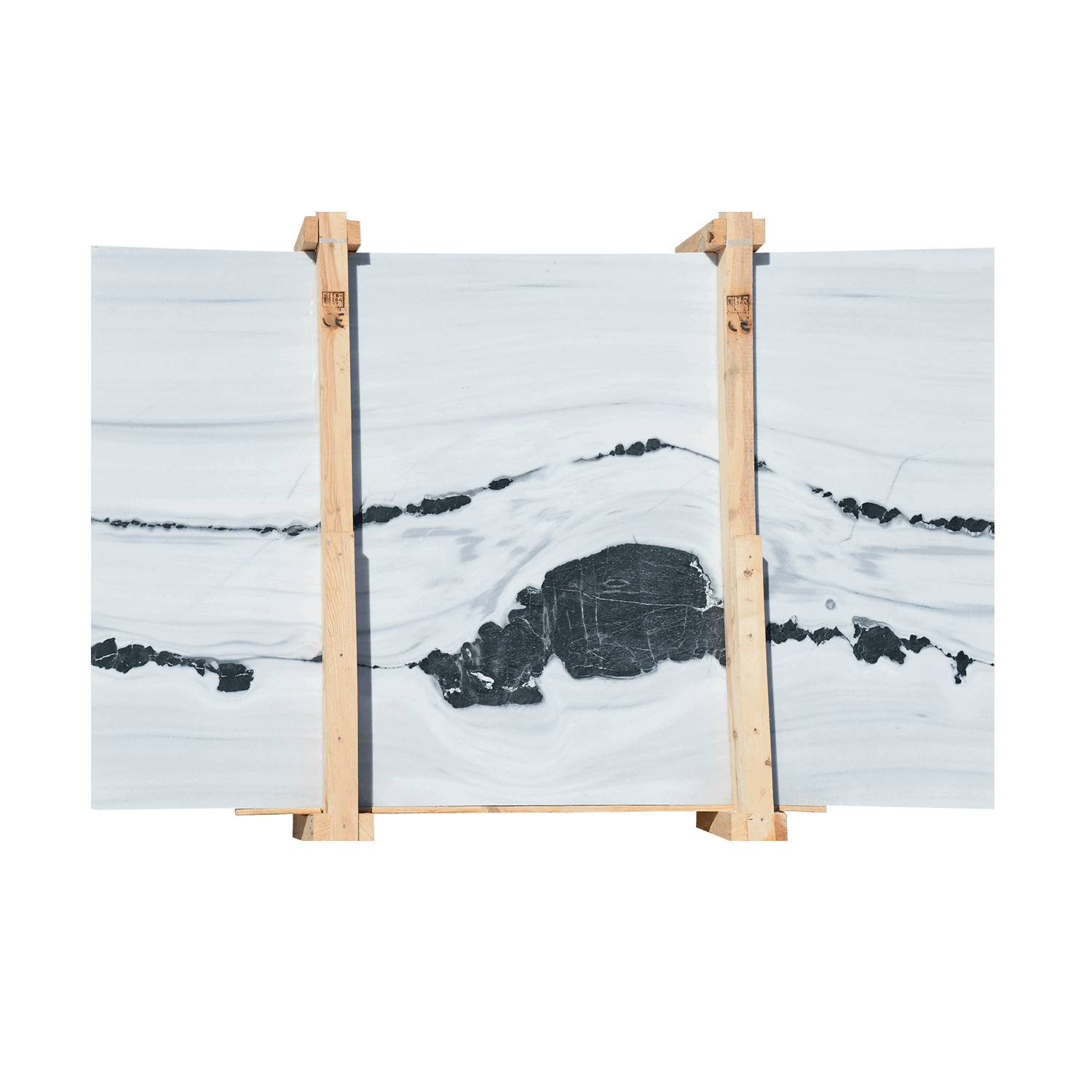
- Panda Blue Marble: This material presents a stark contrast with bold, flowing blue and black veins against a lighter base. It is frequently utilized for book-matched wall cladding in executive suites and luxury residential projects.
- Tundra Blue Marble: Originating from the Isparta region, this stone is characterized by its cool blue-grey palette and intricate spider-web veining. It is often specified as a more colorful alternative to standard Tundra Grey.
- Bardiglio Blu Afyon Grey Marble: A fine-grained marble from Afyon with a deep blue-grey hue. Its low porosity makes it an excellent candidate for wet area applications such as bathroom vanities and shower surrounds.
- Azul Macaubas Quartzite: We categorize this as a premium imported selection. While technically a quartzite, it is often grouped with blue marble in procurement due to its aesthetic profile. It offers superior hardness and acid resistance compared to carbonate-based marbles.
Other notable selections include Blue Moon Afyon Grey Marble and the vibrant Blue Bahia Afyon Grey Marble, which provide architects with a broad spectrum of saturation and pattern density. For projects requiring specific mineral aesthetics, the Blue Agate Gemstone collection provides a semi-precious alternative for specialized backlighting.
Applications and Use Cases
Blue marble is utilized across multiple sectors, provided the technical specifications align with the environmental exposure. For interior applications, it is the standard for high-end countertops, wall cladding, and decorative flooring. Its thermal properties make it compatible with underfloor heating systems in residential and hospitality settings.
In commercial environments, blue marble is frequently specified for hotel lobbies, office reception desks, and luxury retail flooring. For large-format applications, specify our blue-marble slabs collection to ensure pattern continuity across wide surface areas. While generally reserved for interiors, certain denser varieties can be applied to exterior facades with appropriate mechanical fixing systems and protective treatments. However, for pool surrounds, we recommend verifying the slip resistance of the chosen finish. You can read more about stone selection in our article on How to Choose the Perfect Marble Slab for Your Countertop.
Finish Options and Technical Specifications
To meet diverse architectural requirements, we provide various surface treatments:
- Polished: A high-gloss finish that maximizes color saturation and light reflection.
- Honed: A smooth, matte finish that reduces glare and masks minor abrasions, ideal for flooring.
- Brushed: A textured finish achieved with abrasive brushes, providing a tactile surface and enhanced slip resistance.
- Sandblasted: A high-friction finish suitable for specific commercial or exterior applications.
Standard thickness options for blue-marble slabs are 2 cm and 3 cm. Custom thicknesses can be produced for specialized architectural elements. Standard tile dimensions include 30x60 cm, 60x60 cm, and 60x120 cm, though we also supply raw blue-marble blocks for custom fabrication. For further details on slab utilization, refer to What is a marble slab? Where is it used?.
Care and Maintenance
As a calcareous stone, blue marble requires specific maintenance protocols to preserve its structural and aesthetic integrity. All blue-marble surfaces should be sealed with a high-quality impregnating sealer upon installation to reduce the absorption rate. Re-sealing frequency depends on the volume of traffic and exposure to moisture, typically ranging from 12 to 24 months.
Daily cleaning should be performed using pH-neutral detergents. Acidic cleaners, including those containing lemon or vinegar, will cause immediate chemical etching on the surface. For commercial maintenance, avoid abrasive pads that can dull the factory finish. Immediate removal of liquids, particularly oils and acidic substances, is mandatory to prevent permanent staining. For detailed stain removal protocols, see our guide on How to Get Rid of Marble Stains?.
Why Source from EfesusStone?
Established in 1943, Efesus Stone operates with vertically integrated capabilities, providing direct access to premium Turkish quarries. Our manufacturing facilities utilize advanced multi-wire saws and automated polishing lines to ensure dimensional precision and finish consistency. Every blue-marble shipment undergoes a rigorous multi-stage quality control process, grading material for color uniformity and structural soundness.
Our logistics department manages export packaging using ISPM-15 certified wooden crates, ensuring the integrity of the material during international transit. We provide comprehensive documentation for procurement managers, including technical data sheets and origin certifications. By eliminating intermediaries, we offer competitive B2B pricing while maintaining the highest grading standards in the industry. Whether you require standard tiles or custom-cut-to-size slabs for a specific project, our technical team provides the expertise needed to execute complex architectural visions.
Frequently Asked Questions
Learn more
Related Articles & Selection Guides
Supply Notes
Sizing, finishing and selection support.
Custom sizes
Coordinate availability, production details and documentation with the Efesus Stone team.
Project finishes
Coordinate availability, production details and documentation with the Efesus Stone team.
Export packing
Coordinate availability, production details and documentation with the Efesus Stone team.