
Brown Marble
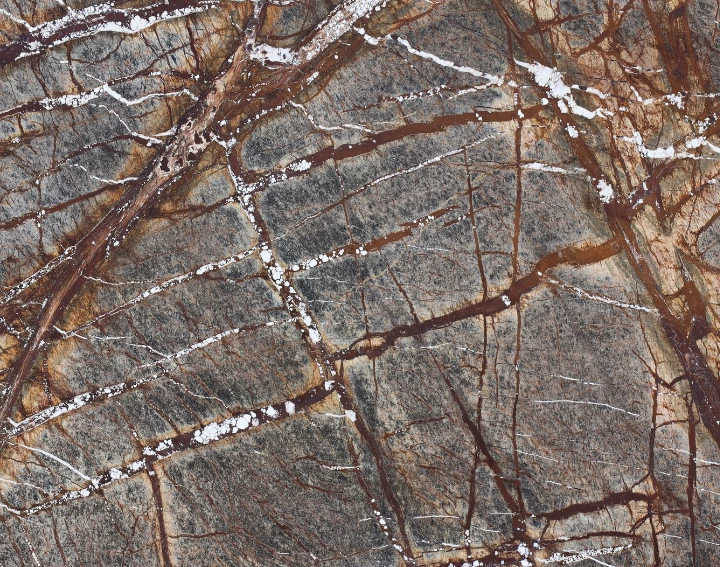
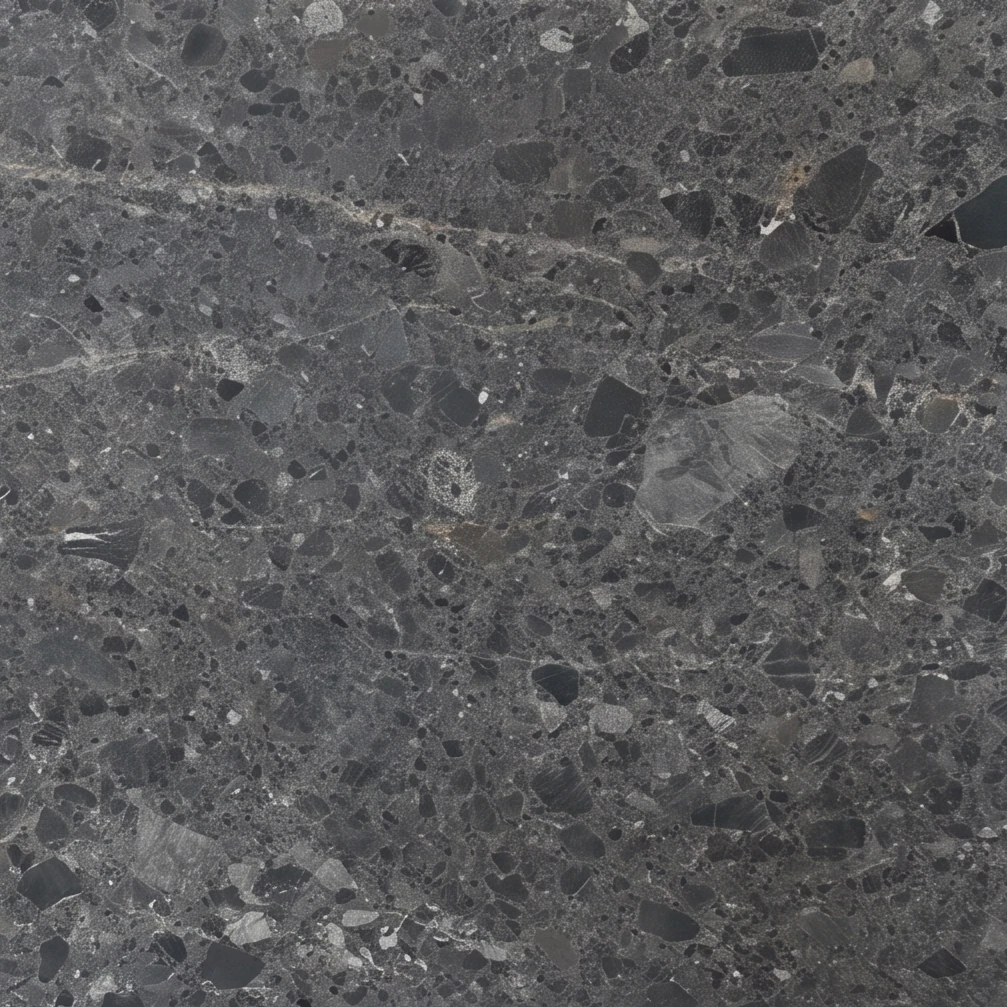
Ceppo Marble
View Material →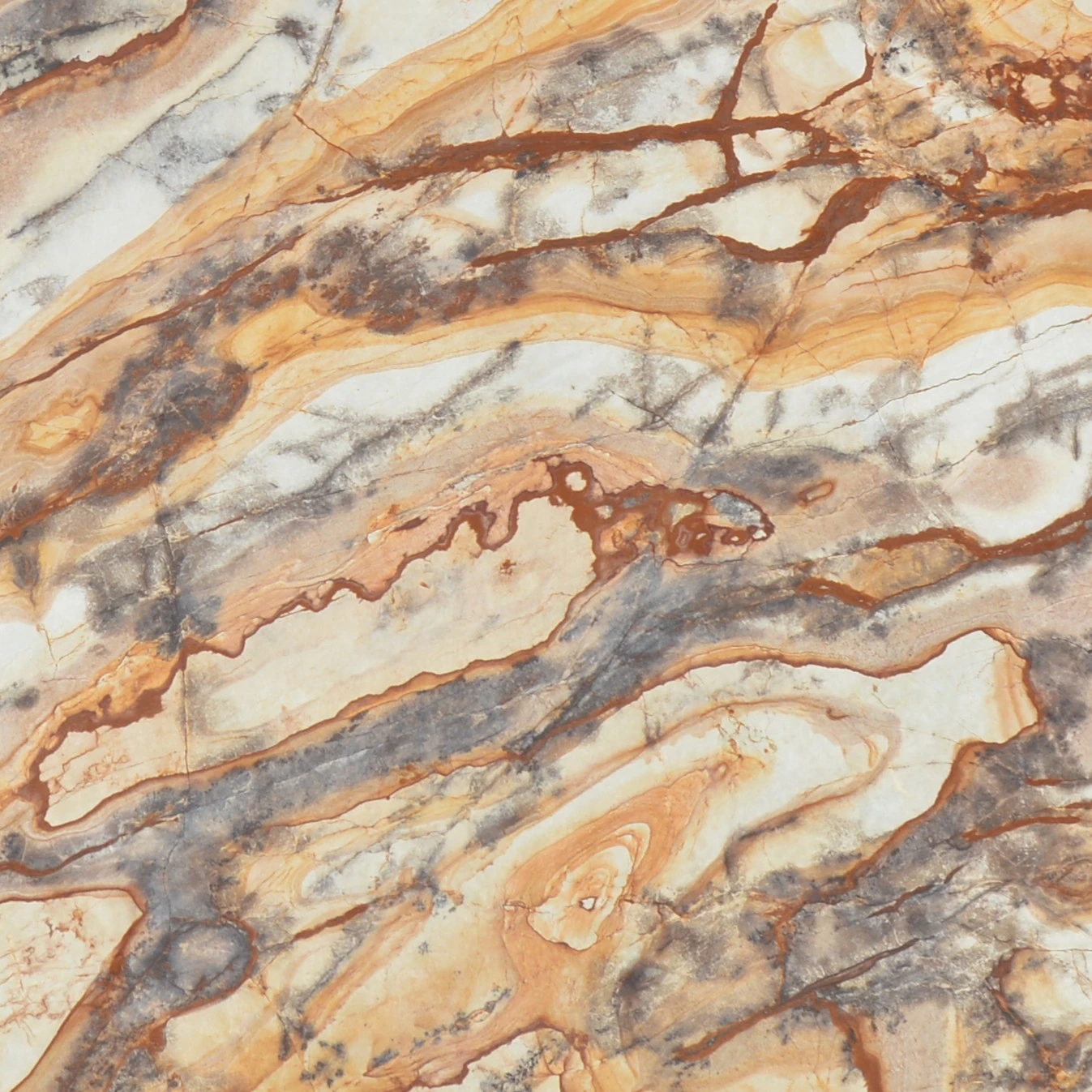
Petrified Wood Marble
View Material →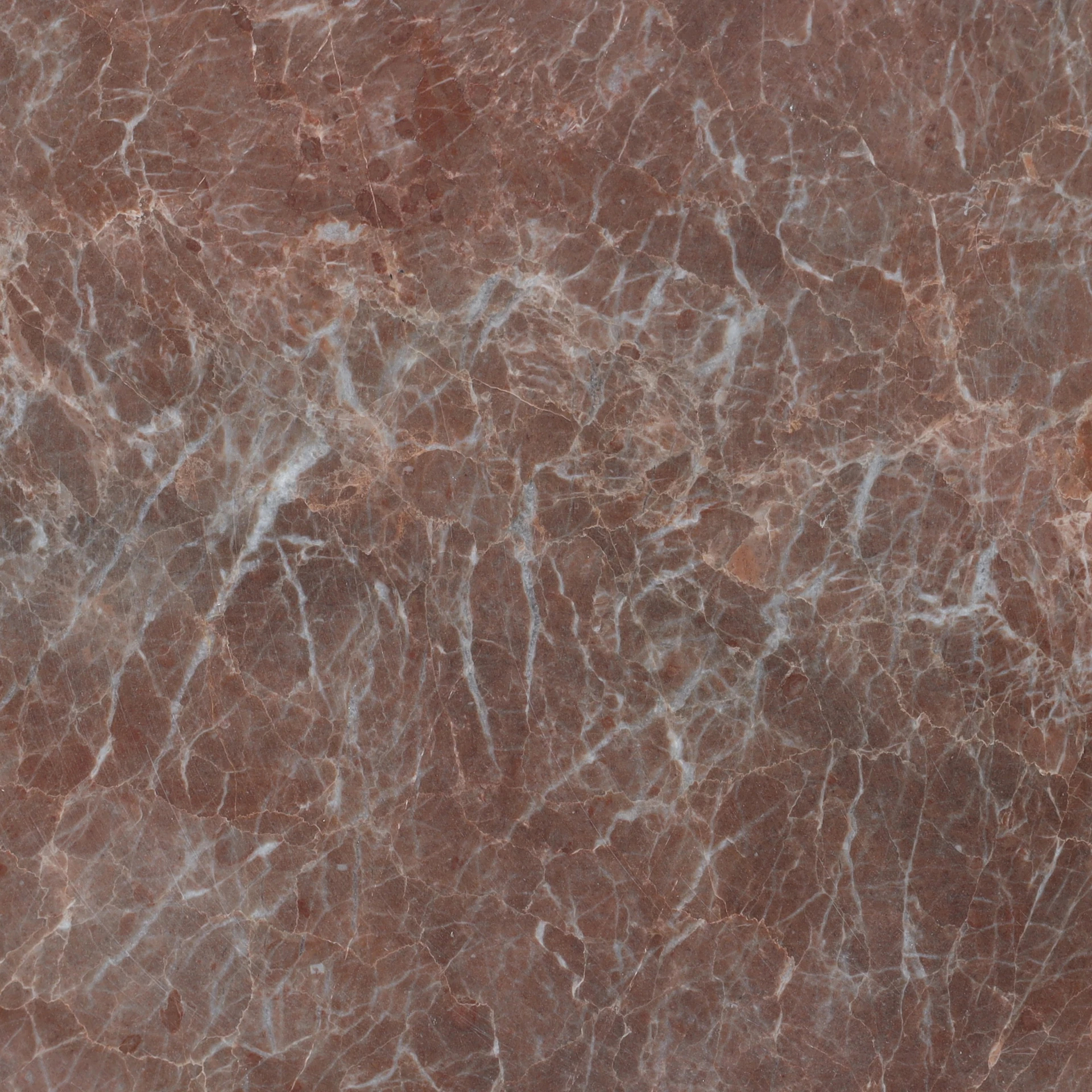
Ege Brown Marble
View Material →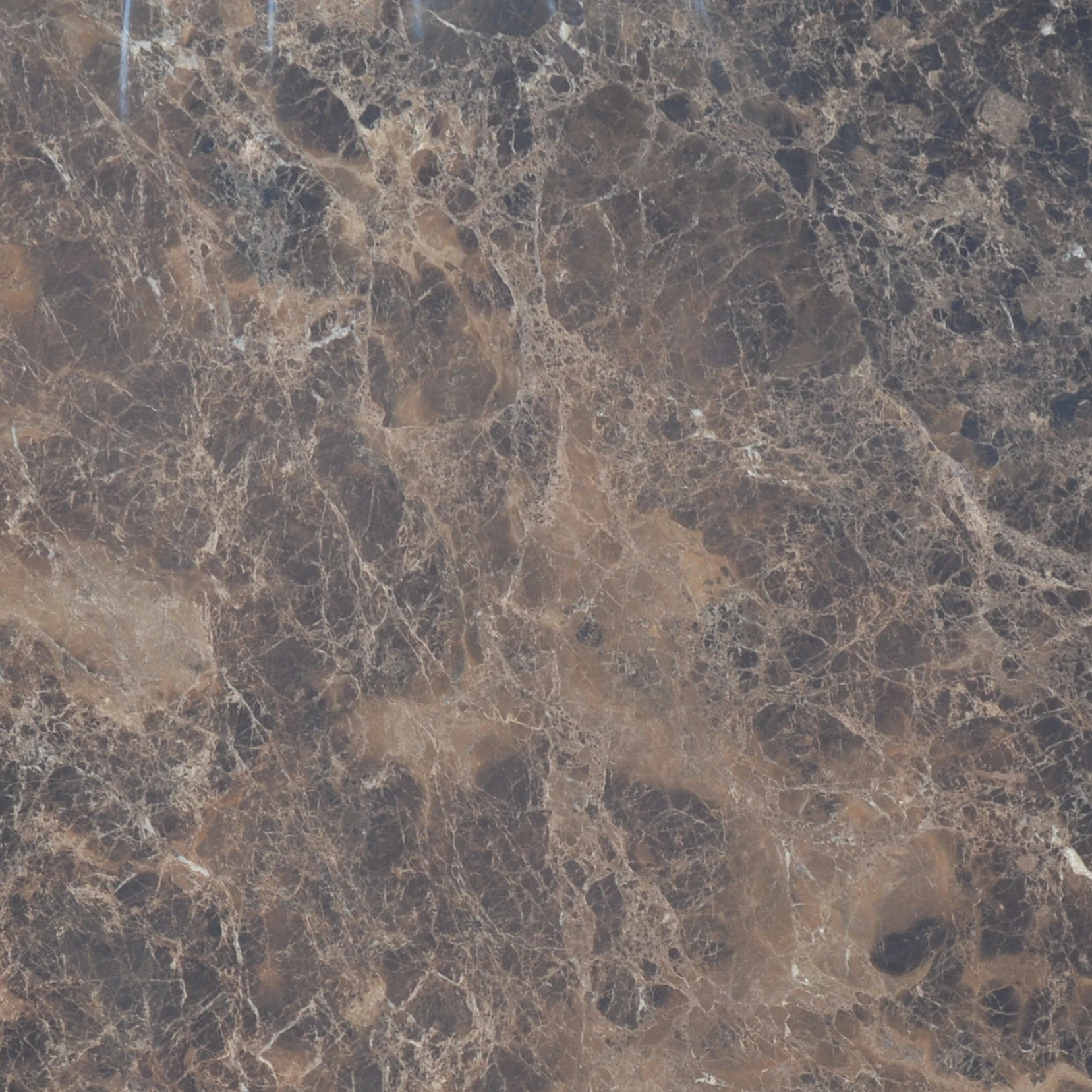
Spanish Dark Emperador Marble
View Material →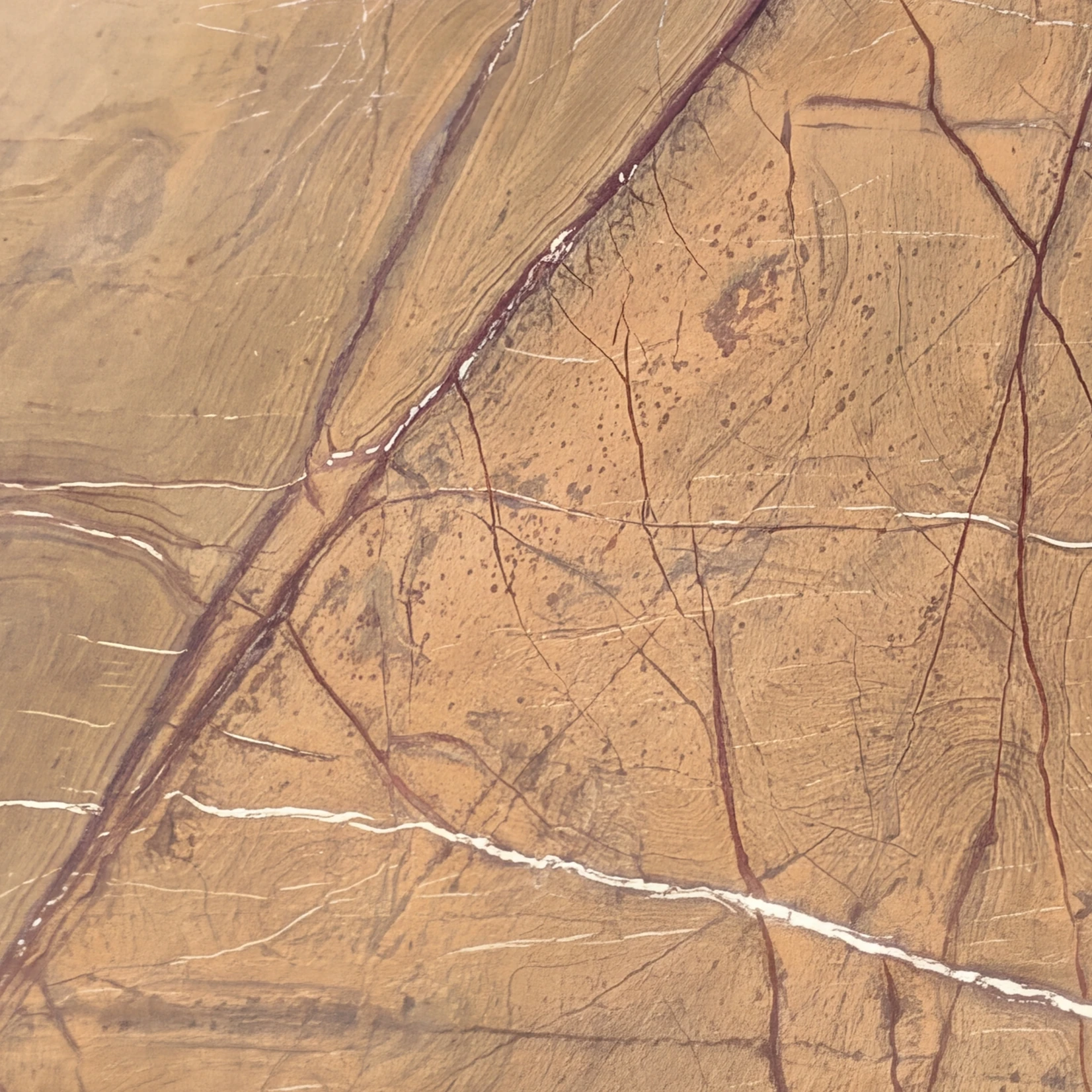
Rain Forest Gold Marble
View Material →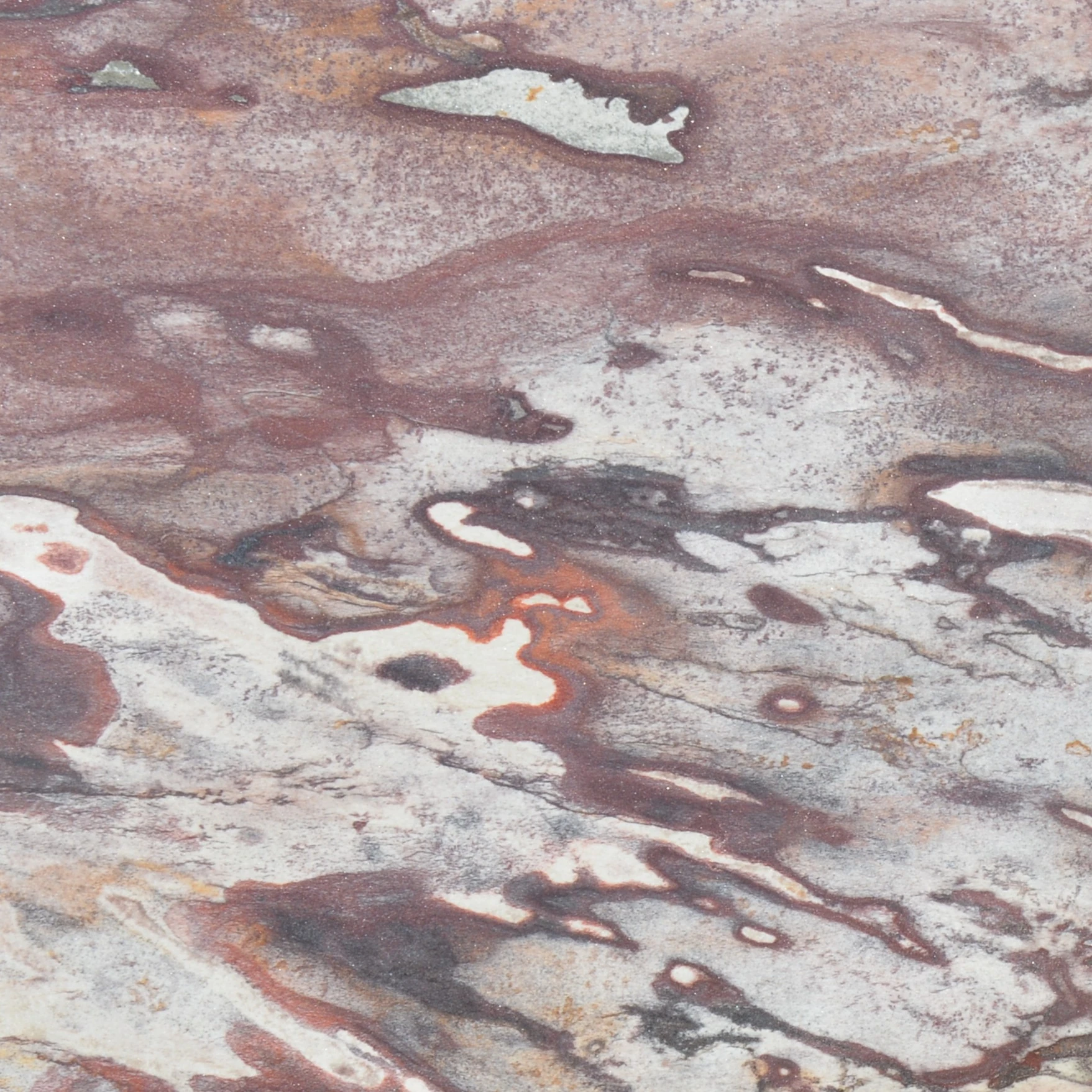
Black Leopar Marble
View Material →
Palissandro Vein Cut Marble
View Material →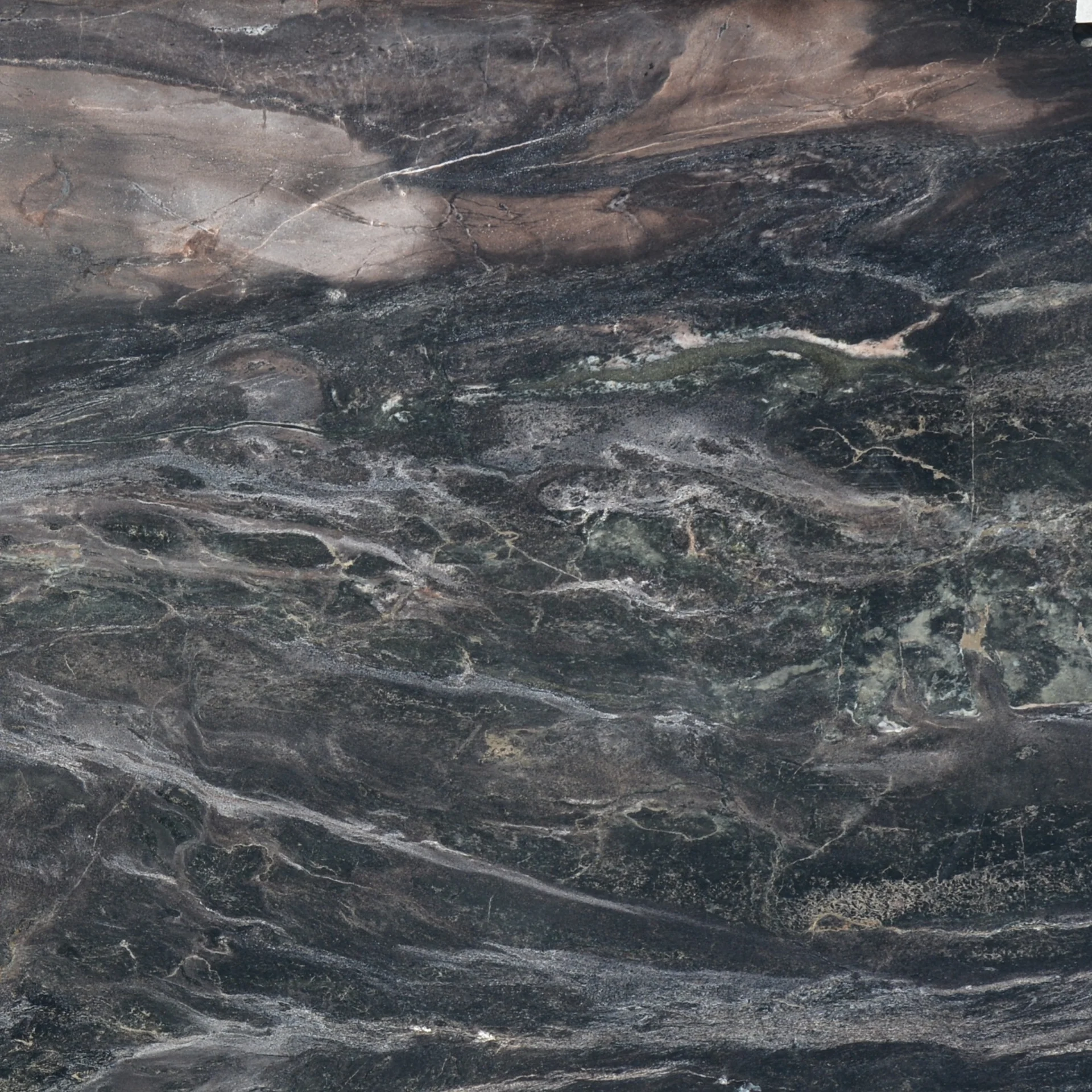
Nero Picasso Marble
View Material →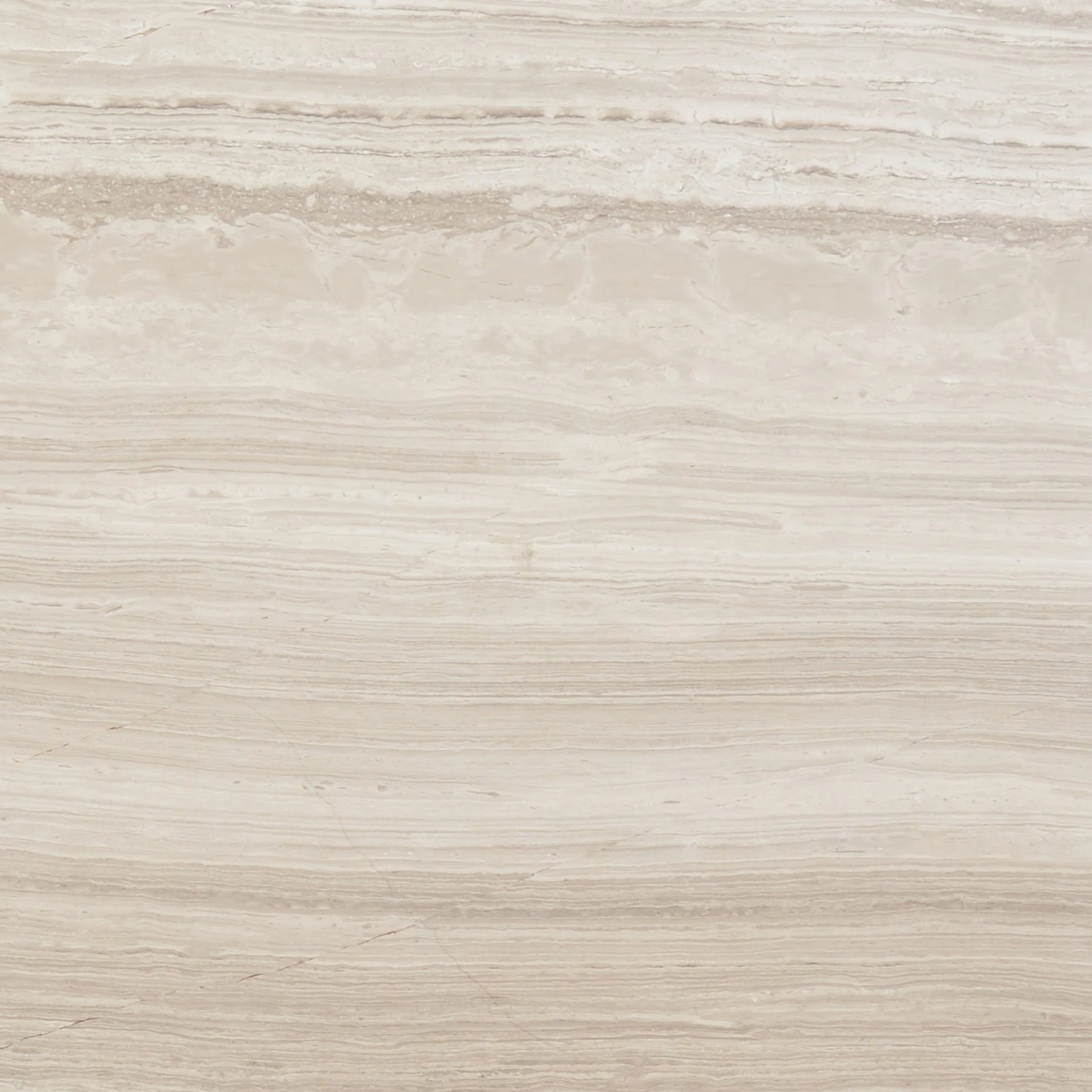
White Wood Marble
View Material →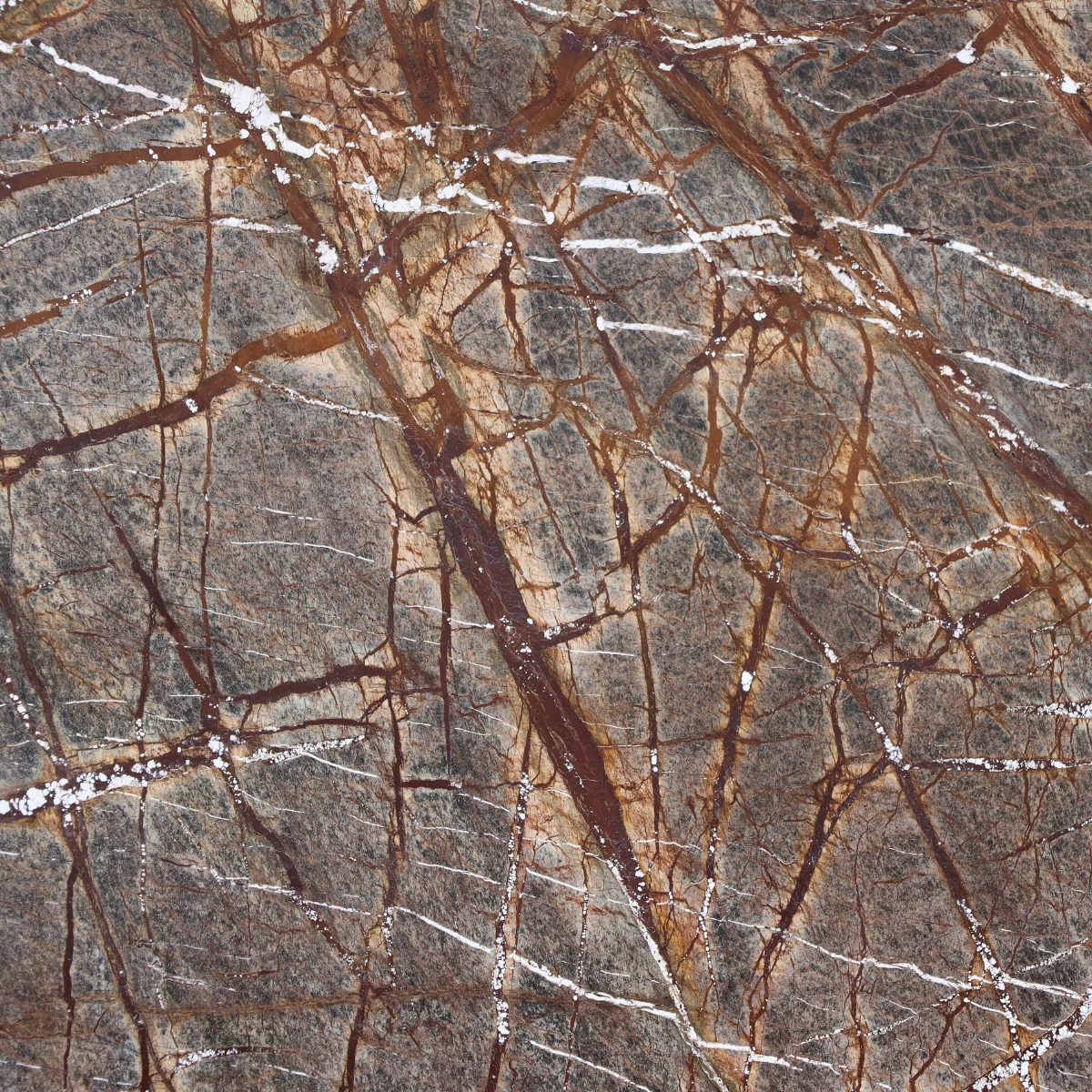
Rain Forest Brown Marble
View Material →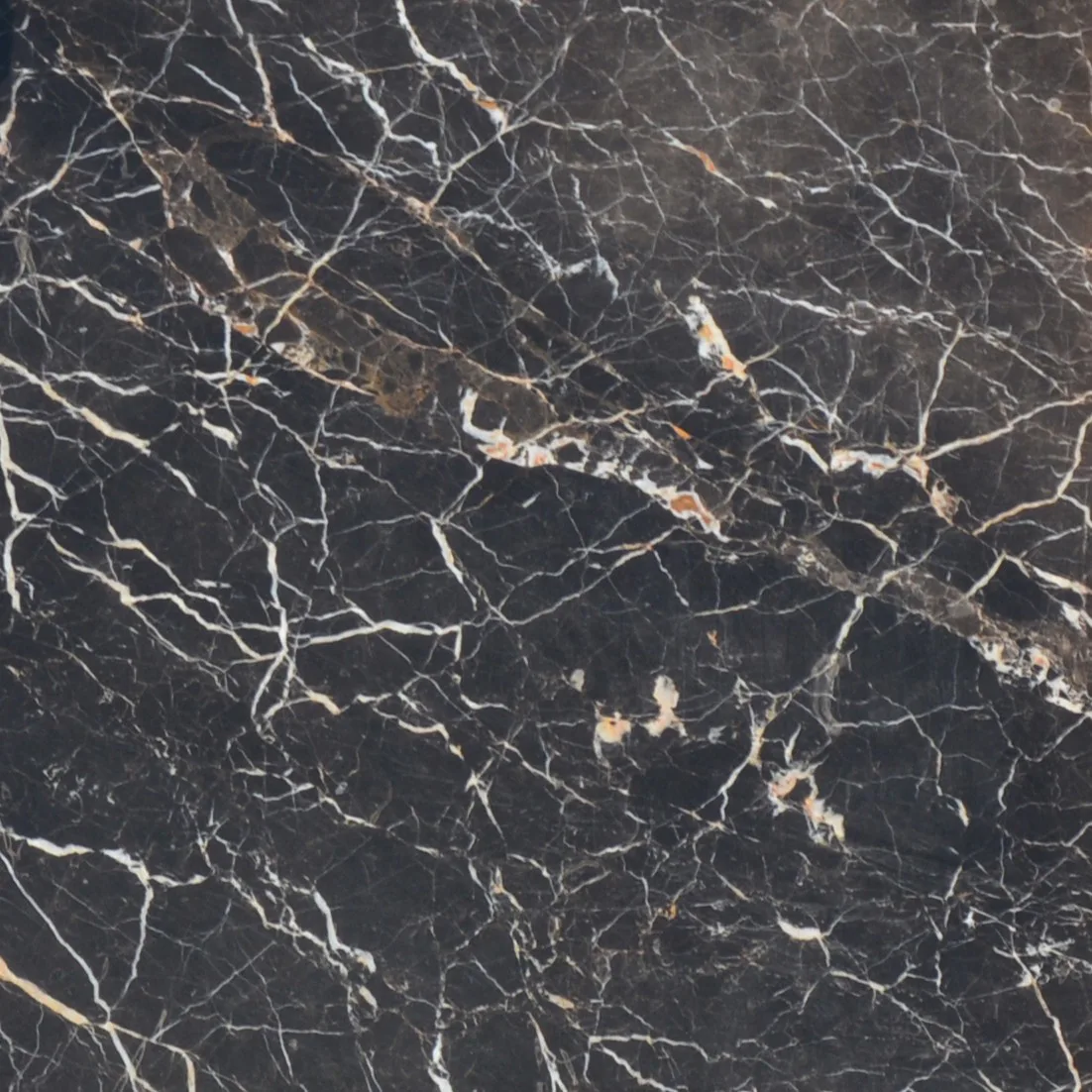
Saint Laurent Marble
View Material →Professional Sourcing Guide for Brown Marble: Technical Specifications and Architectural Applications
What is Brown Marble?
Brown marble is a metamorphic rock formed through the recrystallization of limestone under intense heat and pressure within the Earth's crust. Geologically, its distinct pigmentation arises from the presence of iron oxide, clay minerals, or bituminous material during the formation process. For procurement managers and architects, brown marble represents a category of natural stone that provides high thermal stability and structural density suitable for high-traffic environments.
In architectural and construction projects, this material serves as a functional alternative to lighter stones, offering improved camouflage for organic wear while maintaining the prestige of natural stone. The technical value of brown marble lies in its ability to ground a design scheme, providing a neutral yet sophisticated palette that bridges the gap between traditional masonry and modern minimalist aesthetics.
Characteristics and Properties
Visual Properties
Brown marble exhibits a spectrum ranging from light café-au-lait tones to deep chocolate hues. Veining patterns typically consist of calcitic white streaks, golden arborescent details, or brecciated fragments. Unlike translucent onyx, most brown marble varieties are opaque, though some selections with high quartz content may show slight light transmission at a 1 cm thickness.
Physical Properties
Technical performance varies by quarry location, but typical specifications for premium Turkish brown marble include:
- Hardness: 3 to 4 on the Mohs scale.
- Density: 2.68 - 2.73 g/cm³.
- Water Absorption: Often below 0.2% by weight, indicating a compact pore structure.
- Compressive Strength: Typically ranges between 80 and 120 MPa, making it resilient for flooring and vertical cladding.
Comparison with Alternative Materials
Compared to wood, brown marble offers superior fire resistance and longevity. Against porcelain slabs, natural brown marble provides a unique, non-repeating grain and a depth of color that digital printing cannot replicate. While granite may offer higher scratch resistance, brown marble is preferred for interior applications where aesthetic warmth and ease of edge profiling are priorities.
Popular Varieties
Efesus Stone manages a diverse inventory of brown marble, sourcing from established quarry regions to ensure color consistency across large-scale batches.
- Dark Emperador 101: A classic selection characterized by a deep brown background and fine white calcitic veins. This material is primarily sourced from reputable regions to ensure structural integrity.
- Armani Brown Marble: Known for its sophisticated, uniform texture and subtle veining, this variety is a staple for high-end retail and hospitality projects.
- Bruno Perla Marble: Sourced from the Burdur region, this stone features a rich brown base with cream-colored highlights, offering a balanced contrast for residential flooring.
- Olive Maron Marble: A distinct variety from the Bilecik region, presenting olive-brown undertones and a dense mineral structure suitable for exterior cladding.
- Rainforest Brown Marble: A premium imported selection from India, this serpentinite stone features dramatic, branch-like veining that mimics a forest floor. It is essential to distinguish this imported variety from local Turkish stones.
- Light Emperador Classic Marble: Sourced from the Bursa region, this stone offers a softer tan palette, ideal for smaller spaces where a dark stone might feel too heavy.
Applications and Use Cases
Interior Applications
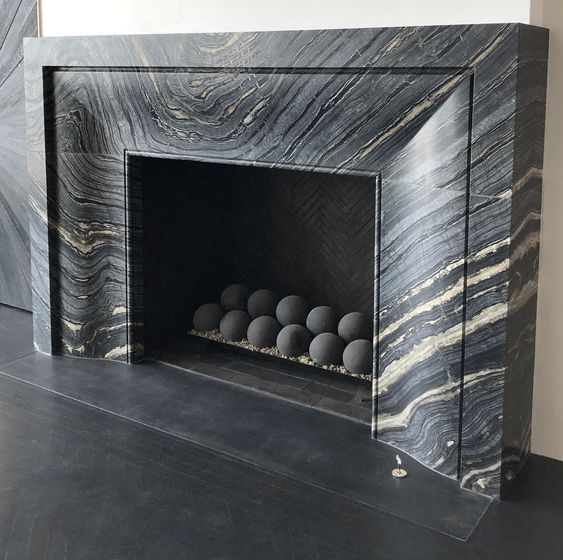
In residential and commercial interiors, brown marble is frequently specified for high-use surfaces. For kitchen environments, refer to our guide on Best Marble Kitchen Countertops. It is an excellent choice for bathroom vanities, wall cladding, and heavy-duty flooring. The material’s resistance to heat makes it suitable for fireplace surrounds.
Exterior Applications
Selected varieties with high density, such as those from the Bilecik or Antalya quarries, are utilized for ventilated facades and landscaping elements. When used outdoors, a honed or sandblasted finish is recommended to mitigate the effects of UV exposure and weathering.
Commercial Applications
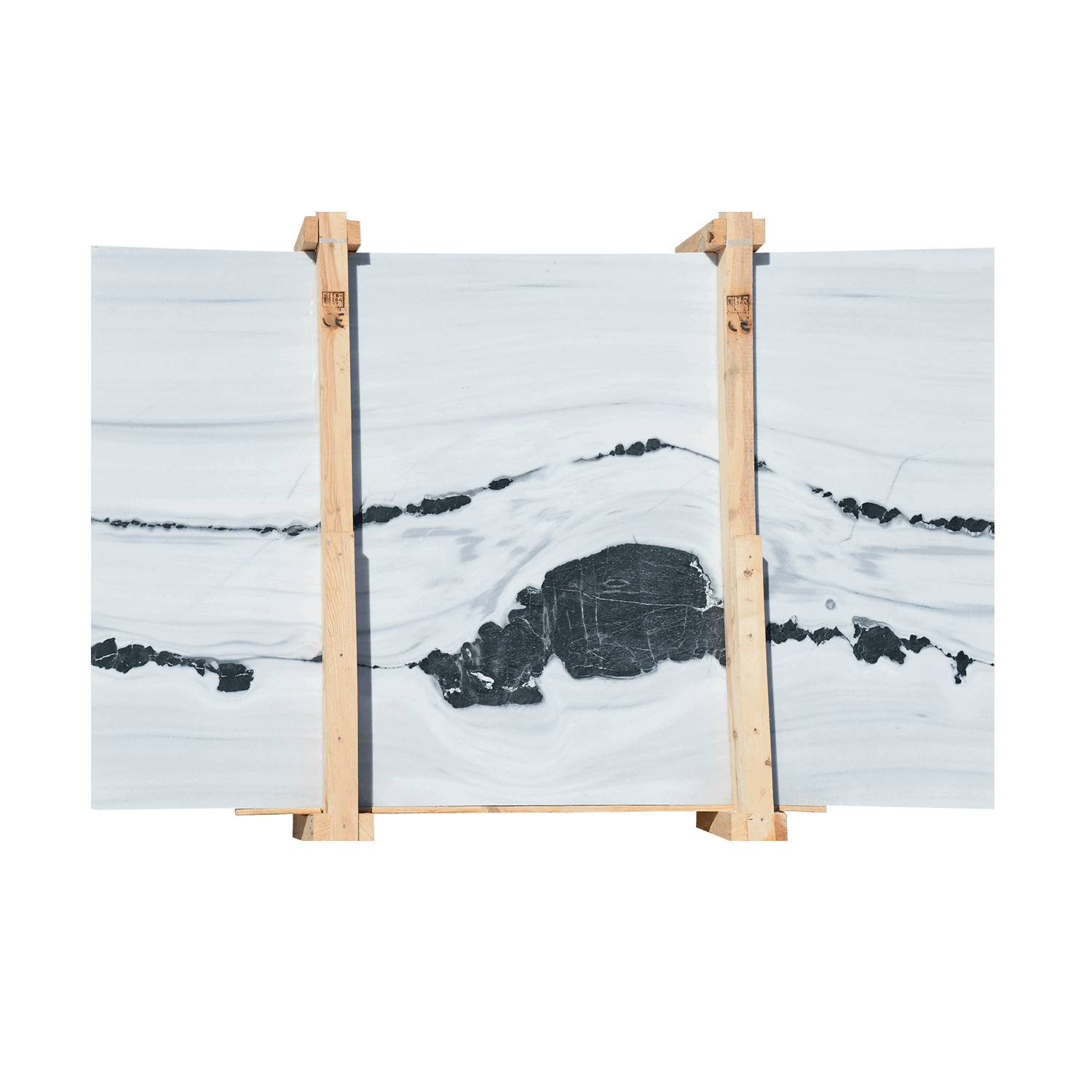
Brown marble is a preferred material for hotel lobbies and office reception areas due to its professional appearance and ability to withstand high foot traffic. For large-format applications, specify our Brown Marble Slabs collection to ensure vein-matching and book-matching capabilities.
Finish Options and Technical Specifications
We provide various surface treatments to meet specific slip-resistance and aesthetic requirements:
- Polished: A high-gloss finish that saturates the stone’s color and highlights intricate veining.
- Honed: A smooth, matte finish that provides a contemporary look and better hides scratches.
- Brushed/Leathered: A textured finish that follows the natural contours of the stone’s minerals, providing an antislip surface.
- Tumbled: Softened edges and a weathered surface, ideal for rustic or outdoor applications.
Standard Dimensions
- Thickness: Standard production includes 2 cm and 3 cm slabs. Custom thicknesses (5 cm+) are available for architectural carvings.
- Slabs: Average dimensions are 280 x 160 cm.
- Tiles: Standard sizes include 30x60 cm, 60x60 cm, and 80x80 cm.
Care and Maintenance
To maintain the structural and aesthetic integrity of brown marble, strict maintenance protocols must be followed. Understanding the material is vital, as detailed in our article: You must know marble's properties before using it at home.
Sealing and Cleaning
Natural stone is porous and requires a high-quality impregnating sealer upon installation. This should be reapplied every 12 to 24 months depending on usage. Daily cleaning should be performed with pH-neutral detergents. Avoid all acidic cleaners (vinegar, lemon juice) and abrasive pads, which can etch the polished surface.
Stain Prevention
Liquid spills, particularly oils and alcohols, should be blotted immediately. If staining occurs, a professional-grade poultice may be required to extract the contaminant from the stone's pores.
Why Source from EfesusStone?
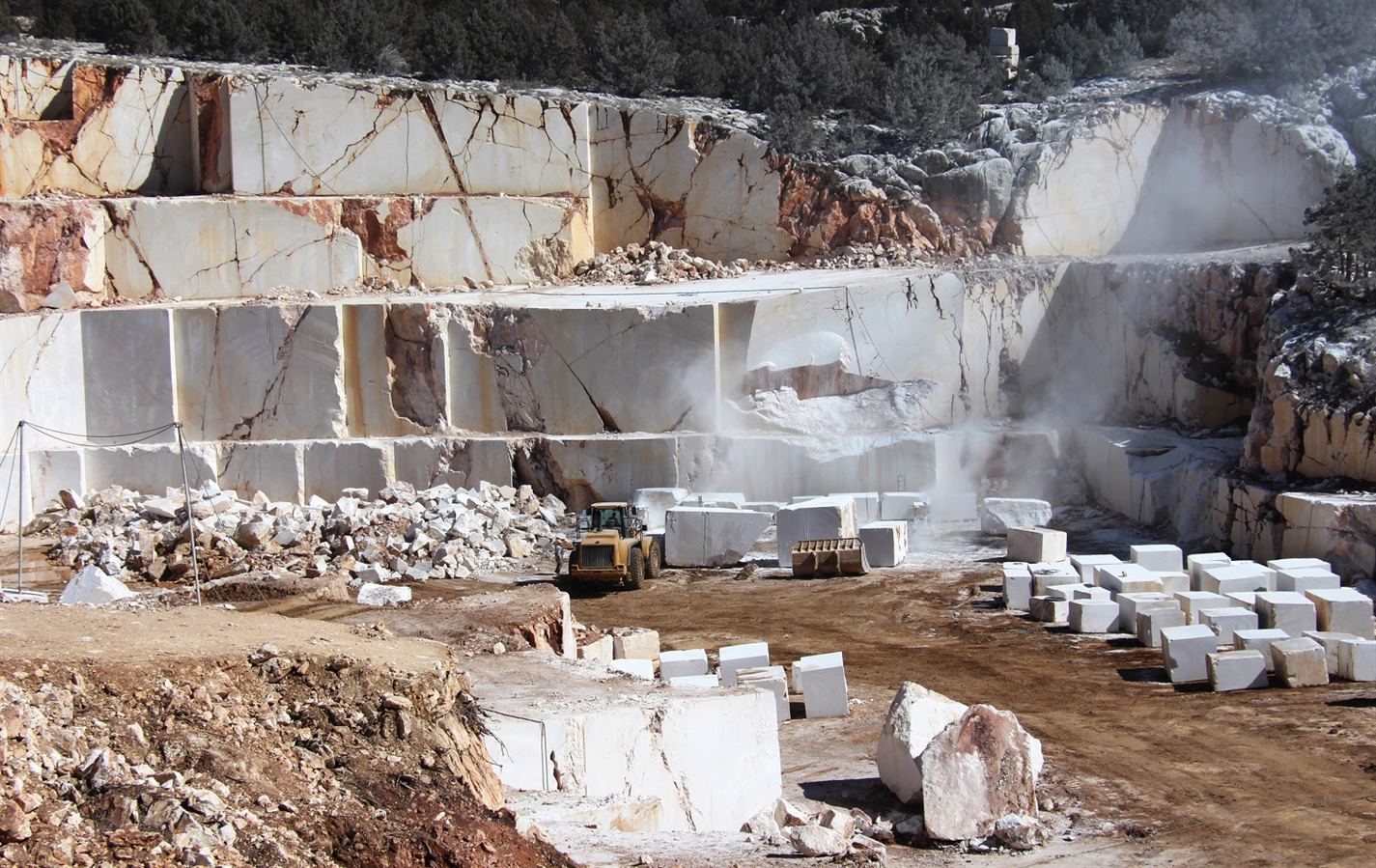
Established in 1943, Efesus Stone maintains a legacy of precision in the natural stone industry. Our B2B partners benefit from direct quarry access, ensuring competitive pricing and priority selection of blocks. We implement rigorous grading standards, categorizing slabs by color uniformity and structural soundness to meet the specific demands of international procurement managers.
Our facility utilizes multi-wire saws and automated polishing lines to ensure dimensional accuracy. We provide comprehensive export packaging, utilizing fumigated wooden crates and secure container loading to ensure the product arrives at the job site without compromise. From custom cutting to specialized finishing, our technical team supports every phase of the procurement process.
Frequently Asked Questions
Learn more
Related Articles & Selection Guides
Supply Notes
Sizing, finishing and selection support.
Custom sizes
Coordinate availability, production details and documentation with the Efesus Stone team.
Project finishes
Coordinate availability, production details and documentation with the Efesus Stone team.
Export packing
Coordinate availability, production details and documentation with the Efesus Stone team.