
 Türkçe
 Deutsch
 العربية
 Français
 Español
Marble has been used for countless purposes since ancient times, including in buildings, furniture and works of art. This natural stone has long been recognised and loved for its superior elegance and durability. Perhaps because of its constant use, some of its qualities are taken for granted. One of the most important of these is absolute lustre. The word ‘marble’ comes from ancient Greece. It comes from the verb ‘marmar’, meaning to shine.
However, there is much more to this stunning natural stone than its glossy surface. We decided to explore its lesser-known properties to understand why it is such a fascinating material. The more we learn, the clearer it becomes why marble is such a popular choice. This natural stone continues to captivate all who encounter its beauty, day after day.
The gem of the natural world
Marble is a metamorphic stone formed deep underground from calcareous or dolomitic material over hundreds of years. During this initial stage of its formation, it is subjected to high temperatures and pressures. The result is large blocks of dense, colourful marble. The veins formed during metamorphosis are actually broken-up minerals in large quantities that fill the cracks and crevices of the original rock.
The pressure then slowly crystallises everything, creating the reflective, shining veins. This is why every marble slab is unique. The most common colours of marble are white, beige and grey. However, these are certainly not the only colours available. Marble comes in many different shades and varieties, ranging from black to yellow and from red to purple. Marble offers endless colour possibilities. The colours of marble depend on where the stone is quarried.
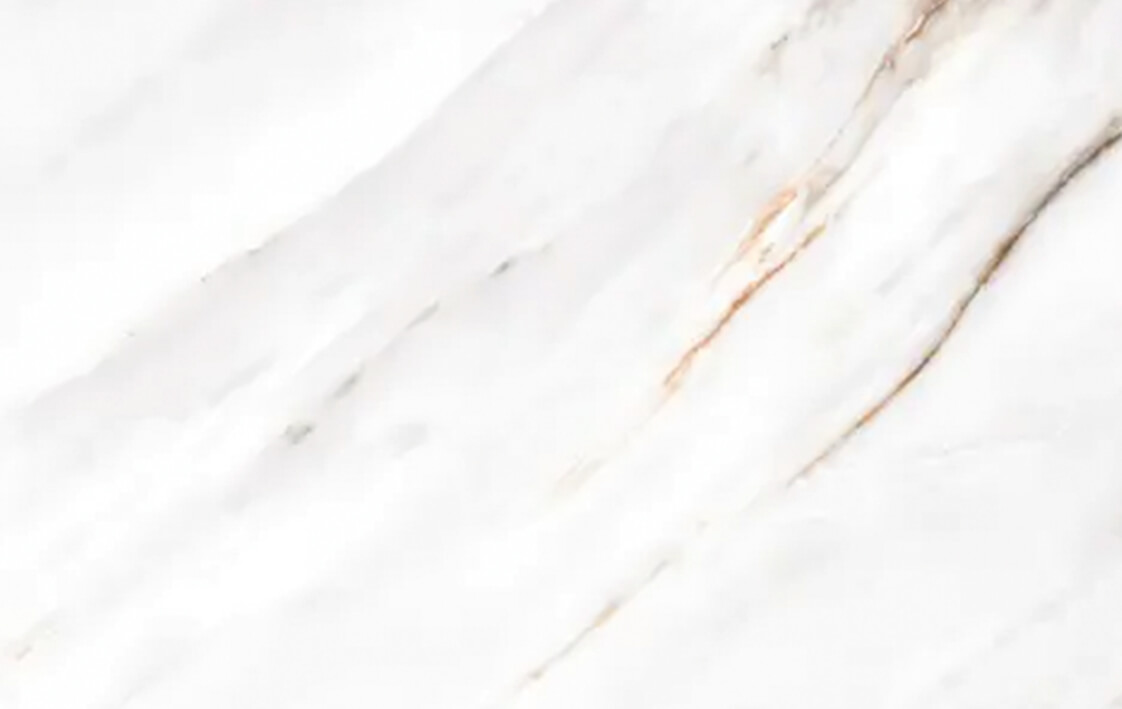
Each type of marble is unique to the region in which it is mined. This natural stone has certain characteristics that are specific not only to the region, but also to the quarry. In some cases, it has unique physical properties. Another highly valued feature of marble is that it does not retain heat. For this reason, it is often preferred in hot regions. In fact, floors made from this material take a long time to heat up and do not absorb energy, unlike wood or concrete, for example.
Contrary to what you might expect, marble is a relatively soft stone. It ranges from 2.5 to 5 on the Mohs scale, whereas granite reaches a rating of 8. This softness makes marble perfect for sculpting without compromising its durability. Marble can last for centuries if properly installed; the Pantheon in Rome is a prime example of this.
A stone is a reliable option
It is also known for its antibacterial and hypoallergenic properties, which make it especially popular with allergy sufferers and families with young children. It has a high density and low porosity. It does not trap bacteria and allergens. Marble also has more unusual applications. Marble powder is often used as an ingredient in other products. These include paint, plastic, paper and toothpaste. In some cases, it is even fed to cows and poultry as a calcium supplement. Another overlooked feature of marble is that, unlike most other surfaces, it is not affected by moisture.