
 Türkçe
 Deutsch
 العربية
 Français
 Español
Marble is a remarkable material with much to offer. Marble, a natural stone used in home improvement projects around the world, enhances the look and feel of your home. It’s one of the best investments you can make.
Marble is formed when limestone is subjected to tremendous pressure over millions of years. The popularity of this natural stone began in ancient Rome and Greece. Off-white marble was used in the construction of a wide variety of buildings and structures at that time.
The ancient Romans and Greeks used marble in their buildings because of the stone’s aesthetic appeal. It is an indisputable fact that some of these marble structures have stood for 2,000 years. Marble is a durable natural stone. Some Egyptian pyramids are covered with marble. Many Egyptian pyramids glowed white thousands of years ago because the pyramid builders used white marble for larger pyramids and beige marble for smaller pyramids.
Marble blocks were even used to decorate Egyptian temples. However, during the Caliphate period, the marble stones were removed to build a mosque. The Taj Mahal, a mausoleum on the Yamuna River in India, was built entirely of marble. The tomb is a structure whose entire focal point is a large white marble standing on a square base. This marble is remarkably hard for its size.
Marble never stops changing
Marble is one of the most durable natural stones in the world. Marble has a hardness ranging from 2.5 to 5 on the Mohs scale. It is a metamorphic rock that doesn’t change after being cut and polished. The marble’s structure will react and change even after it has been installed in your home. Marble’s structure is altered by acidic elements and minerals found in hard water and extreme heat. The sealant is applied to the majority of marble structures.
Marble is interesting because it does not retain heat. This natural stone is heat resistant, unlike concrete and wood, which absorb and retain heat. Marble is the perfect natural cooling solution for interiors in hot climates. Marble’s low porosity and density make it hypoallergenic. Marble doesn’t collect allergens. Other products collect dust and animal dander. Marble is the perfect choice for people with allergies.
Marble is easy to maintain
Marble is also a low-porosity stone. Its durability is unparalleled; it has survived in some structures for thousands of years. Moisture has no effect on marble’s structure, unlike most other surfaces. Marble is also relatively easy to maintain compared to most other surfaces. Polishing will extend the life of this natural stone. It also makes maintenance easier over time. Marble is available in a variety of colors. It is naturally white, but it can also be found in a wide range of colors due to clay and mineral deposits.
Choose from white, pink, green, beige, gray, red, black, or blue marbles. You can also cut the stones into almost any shape. Marble is the most versatile interior design material on the market today. Marble is used for more than construction. Many people are not aware of this fact. In fact, many cultures have used fine marble dust to make toothpaste and glue.
The advantages of marble
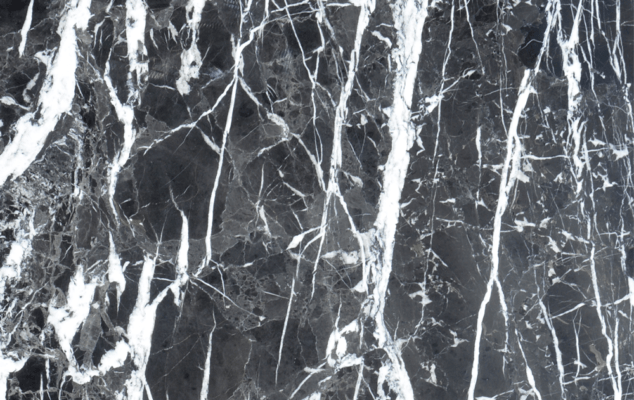
It’s a fact: no two slabs of marble will ever have the same pattern. If you want a unique look for your floors or countertops, marble is the best choice. Marble’s advantages are numerous.
- Fine marble powder, the product of the whitening process, is used as a filler and colorant in industries such as paper, cosmetics, plastics and pastes.
- The crushed marble is the perfect solution for neutralizing acids in rivers, lakes, soils, and ponds.
- Marble is more economical because it is abundant.
- It is used as an inert filler in the pharmaceutical industry.
- The pharmaceutical industry uses marble powder. Antacid medications contain CaCo3 powdered marble, which effectively reduces acid reflux.
- Marble is used to make sculptures and ornaments.
- Marble is used in floor tiles, stair treads, window sills, and decorative panels.
- Powdered marble is a key component in calcium-dependent diets for dairy animals like chickens and cows.