
Marble / Slabs
Marble Slabs
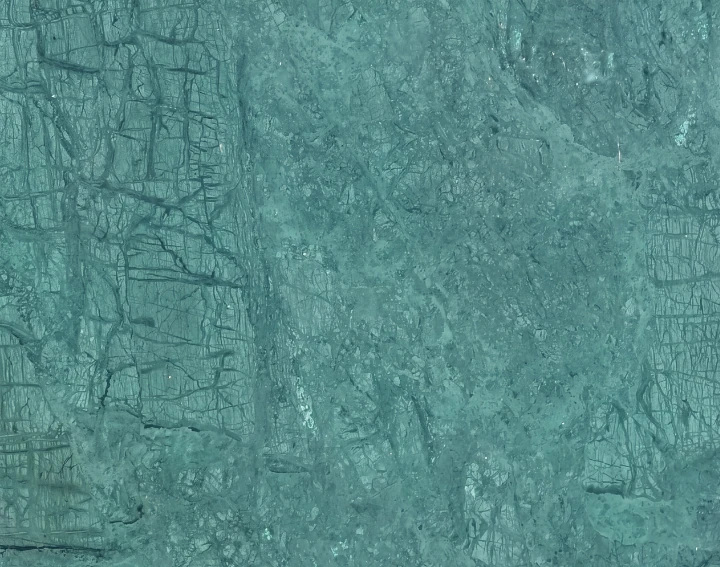
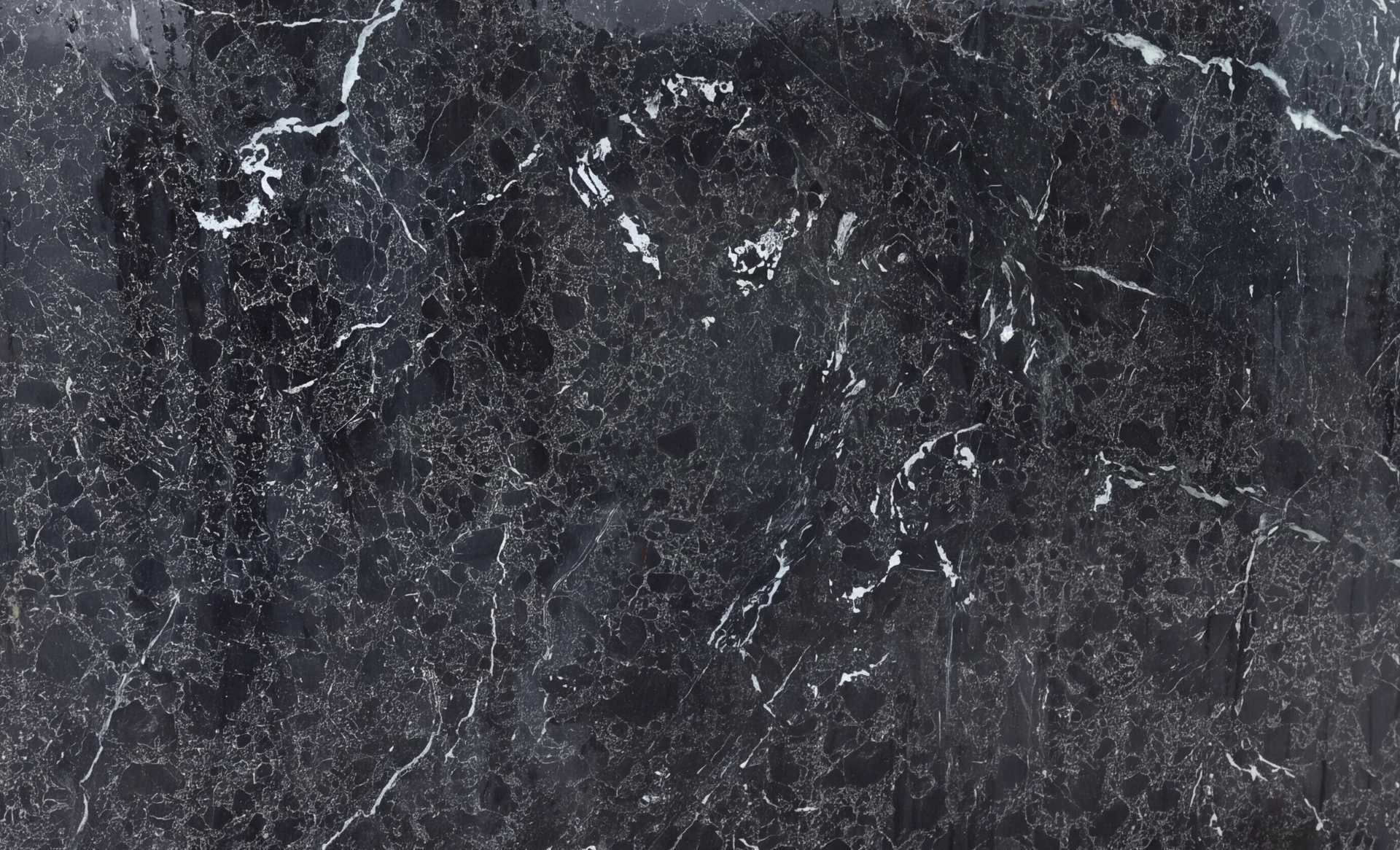
Verde Alpi Marble Slab
View Material →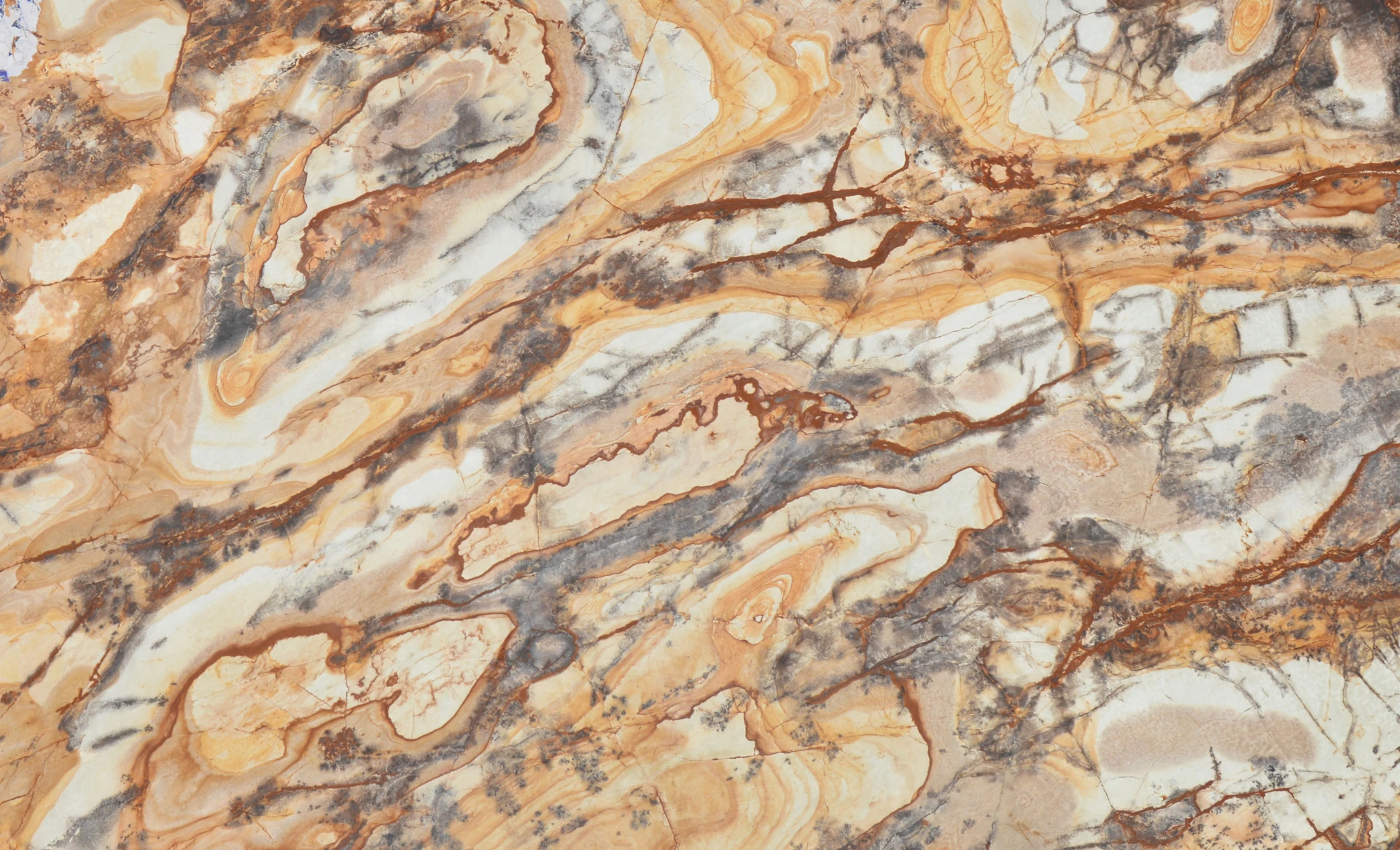
Petrified Wood Marble Slab
View Material →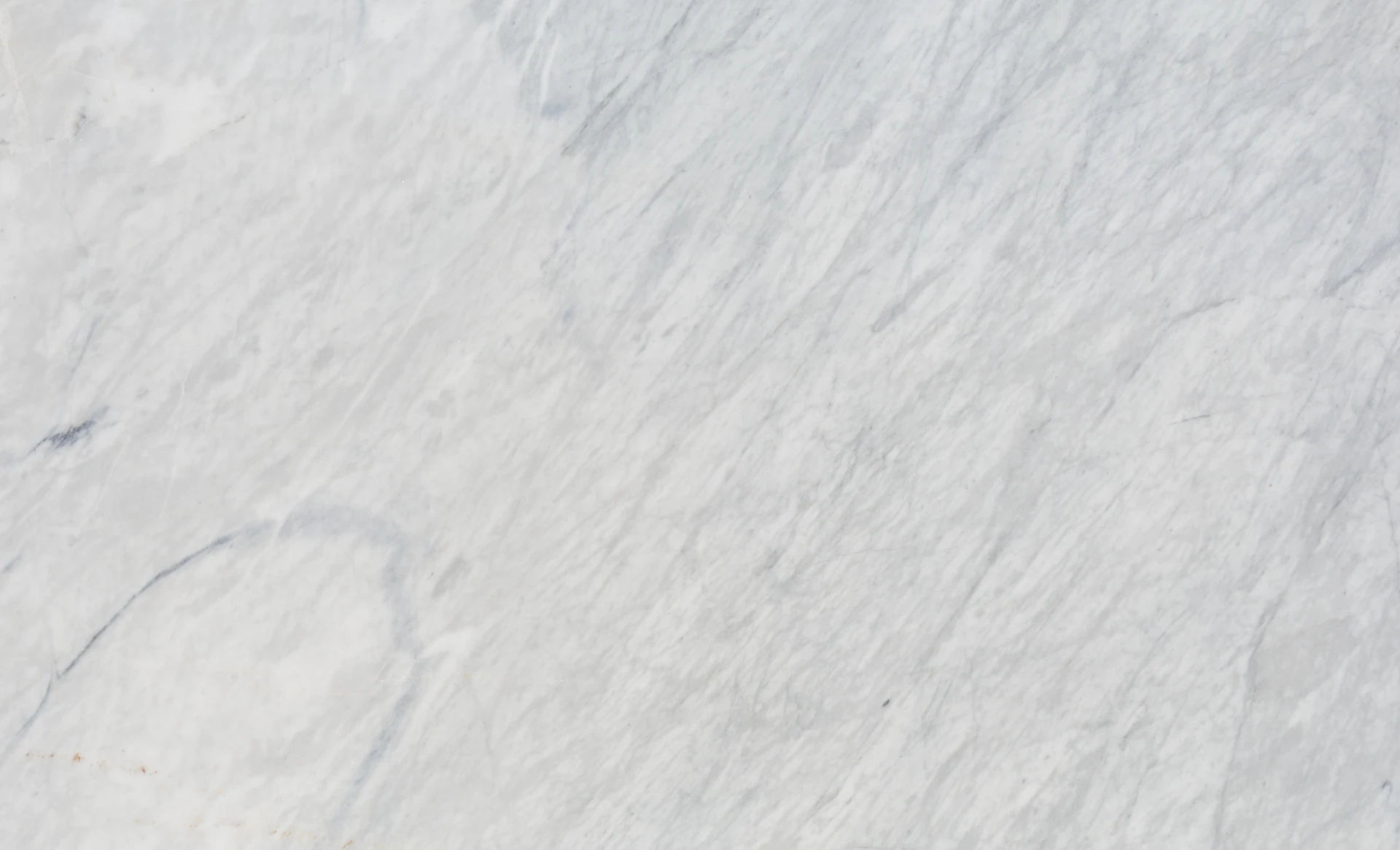
Muğla Sedef White Marble Slab
View Material →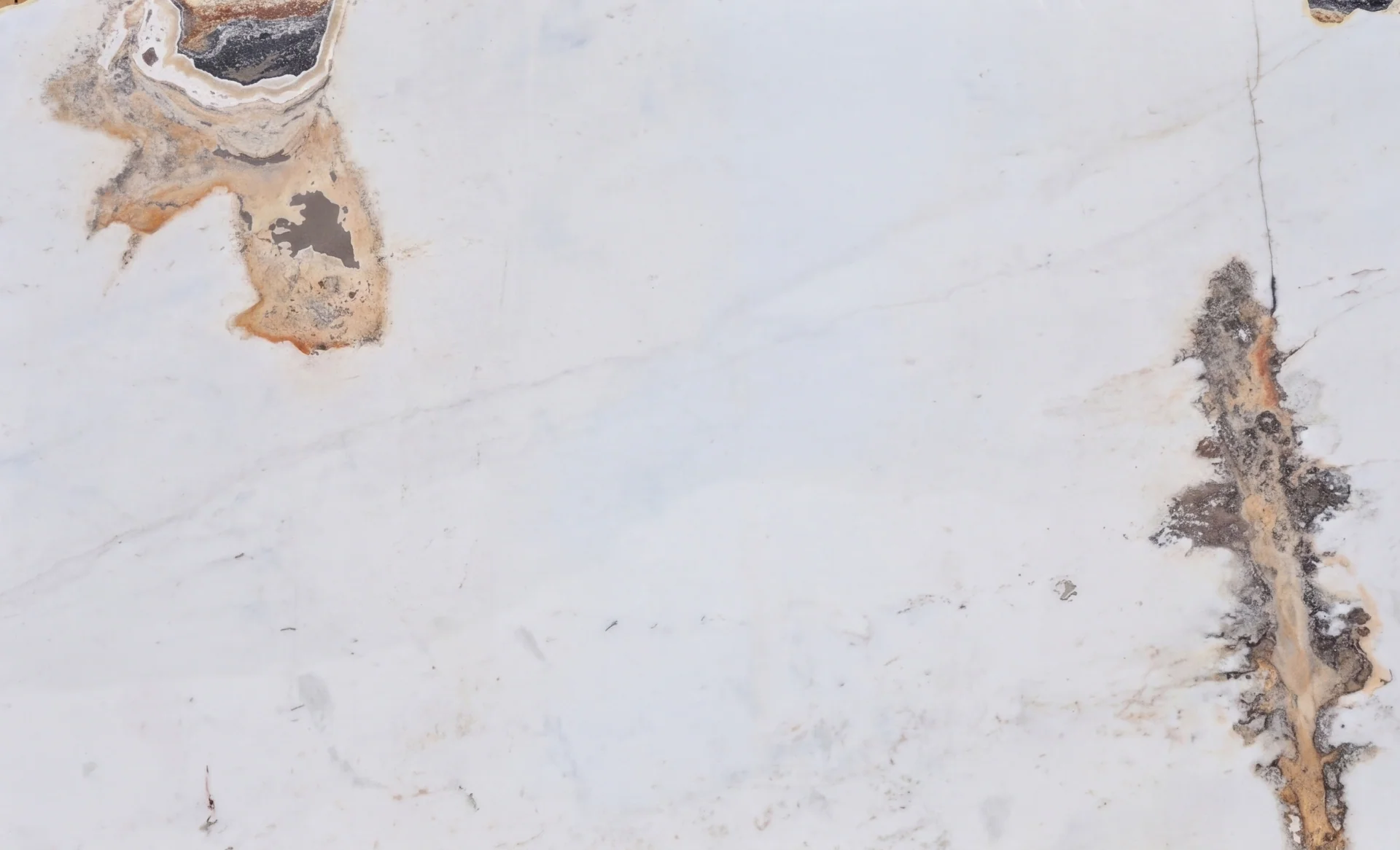
Afyon White Onyx Marble Slab
View Material →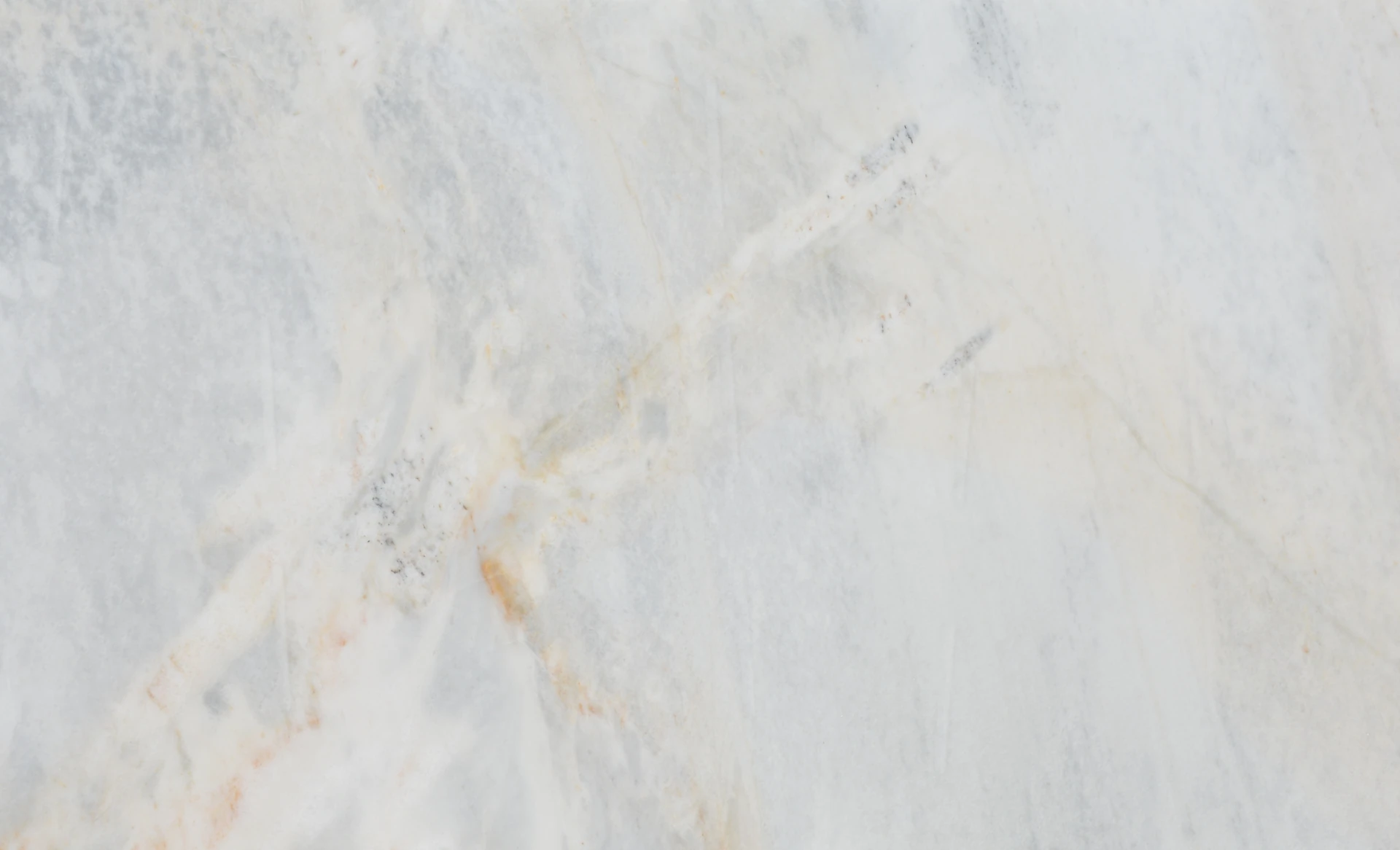
Afyon White Billur Gold Marble Slab
View Material →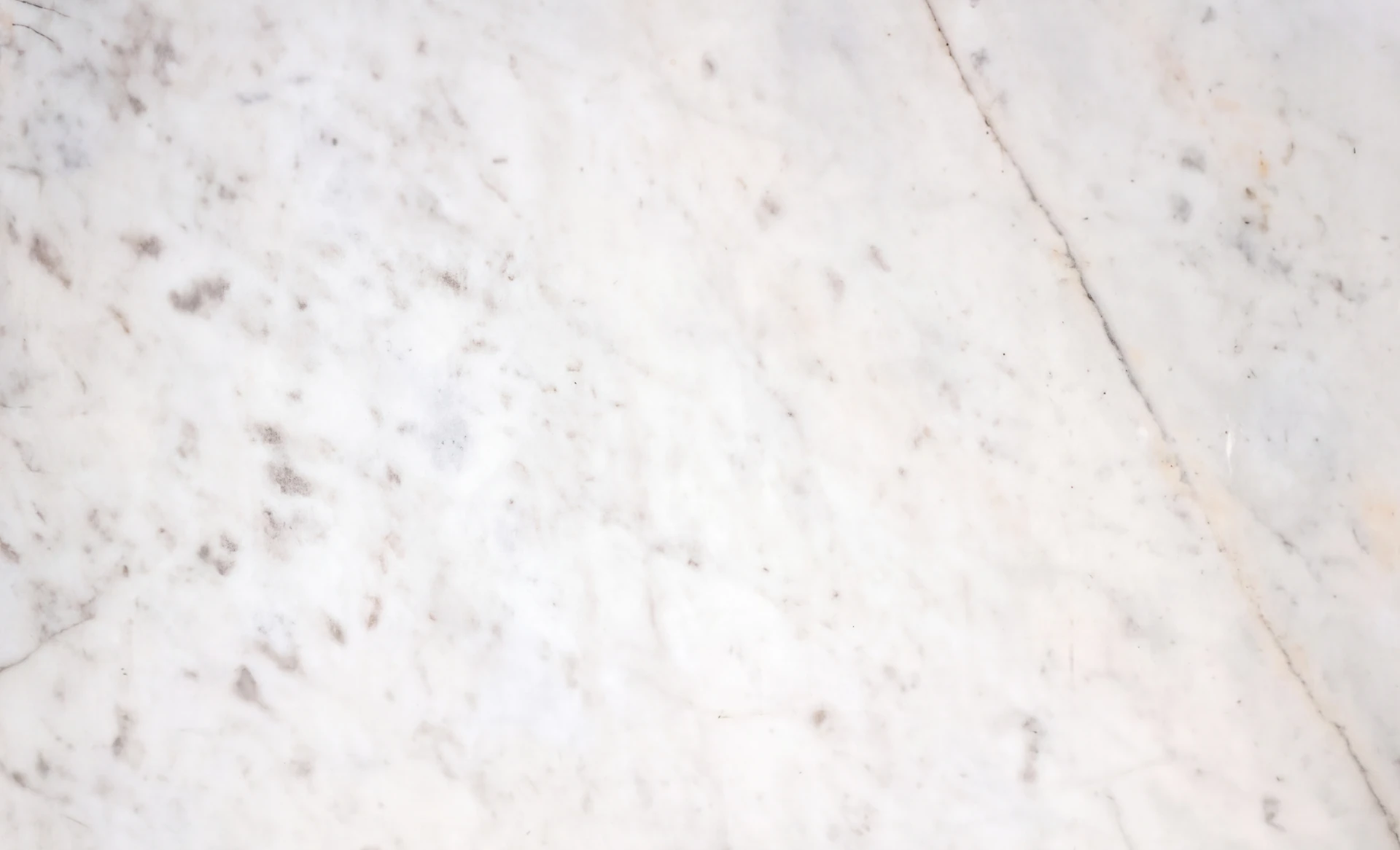
Afyon White A La Vogue Marble Slab
View Material →
Marmara Epica Dark Marble Slab
View Material →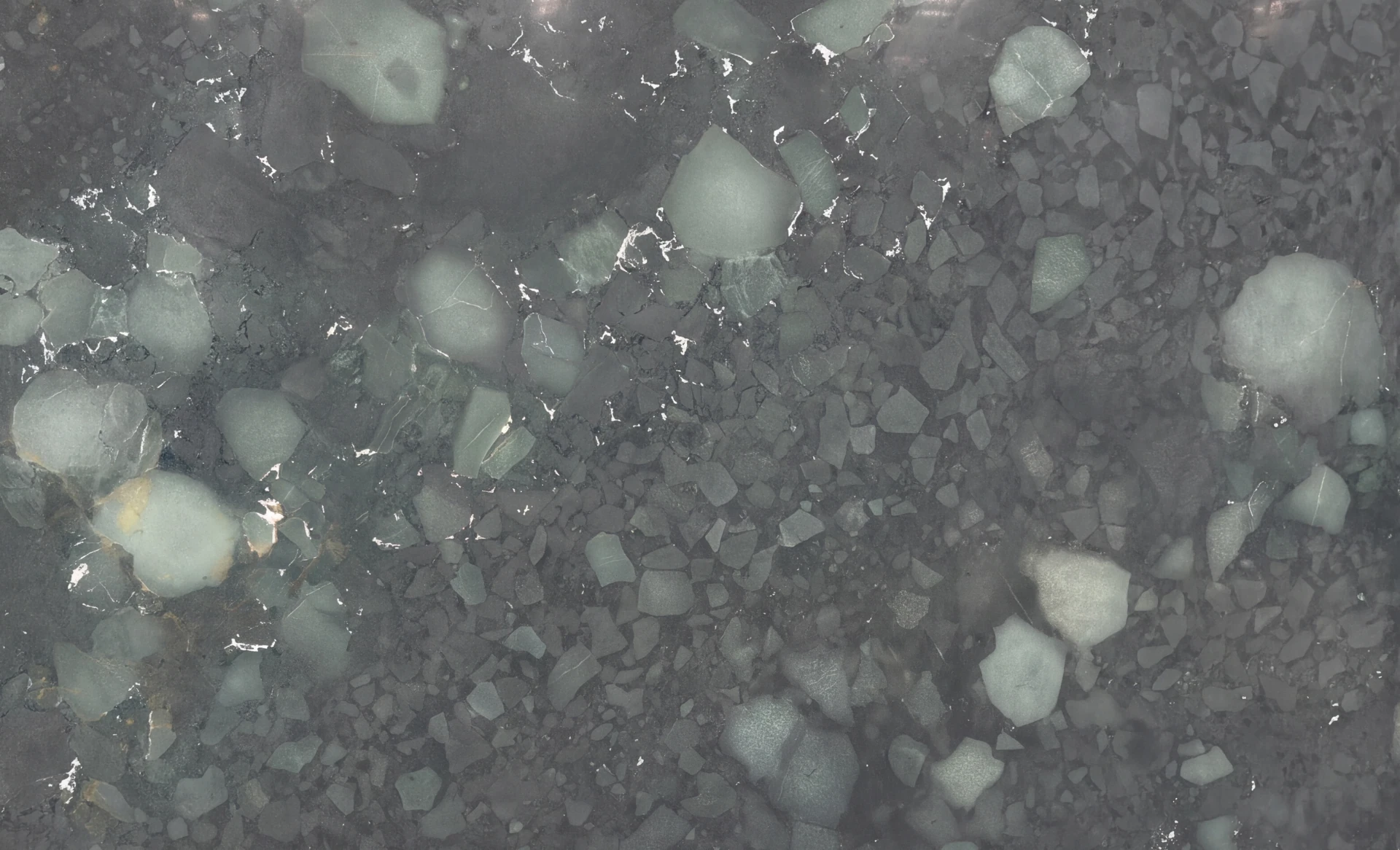
Serpantine Marble Slab
View Material →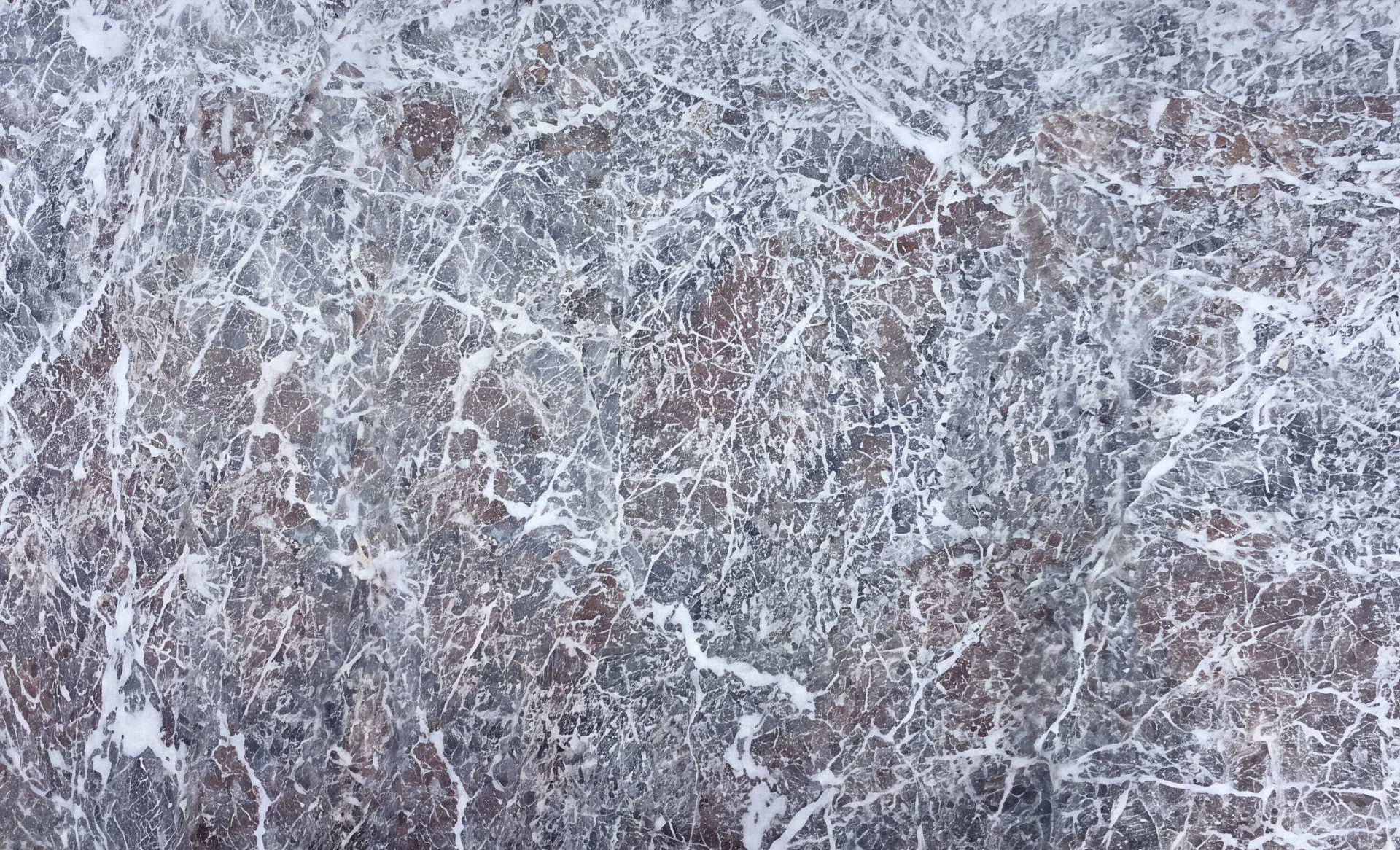
Milano Gray Marble Slab
View Material →
Marmara Epica Light Marble Slab
View Material →
Bianco Carrara Marble Slab
View Material →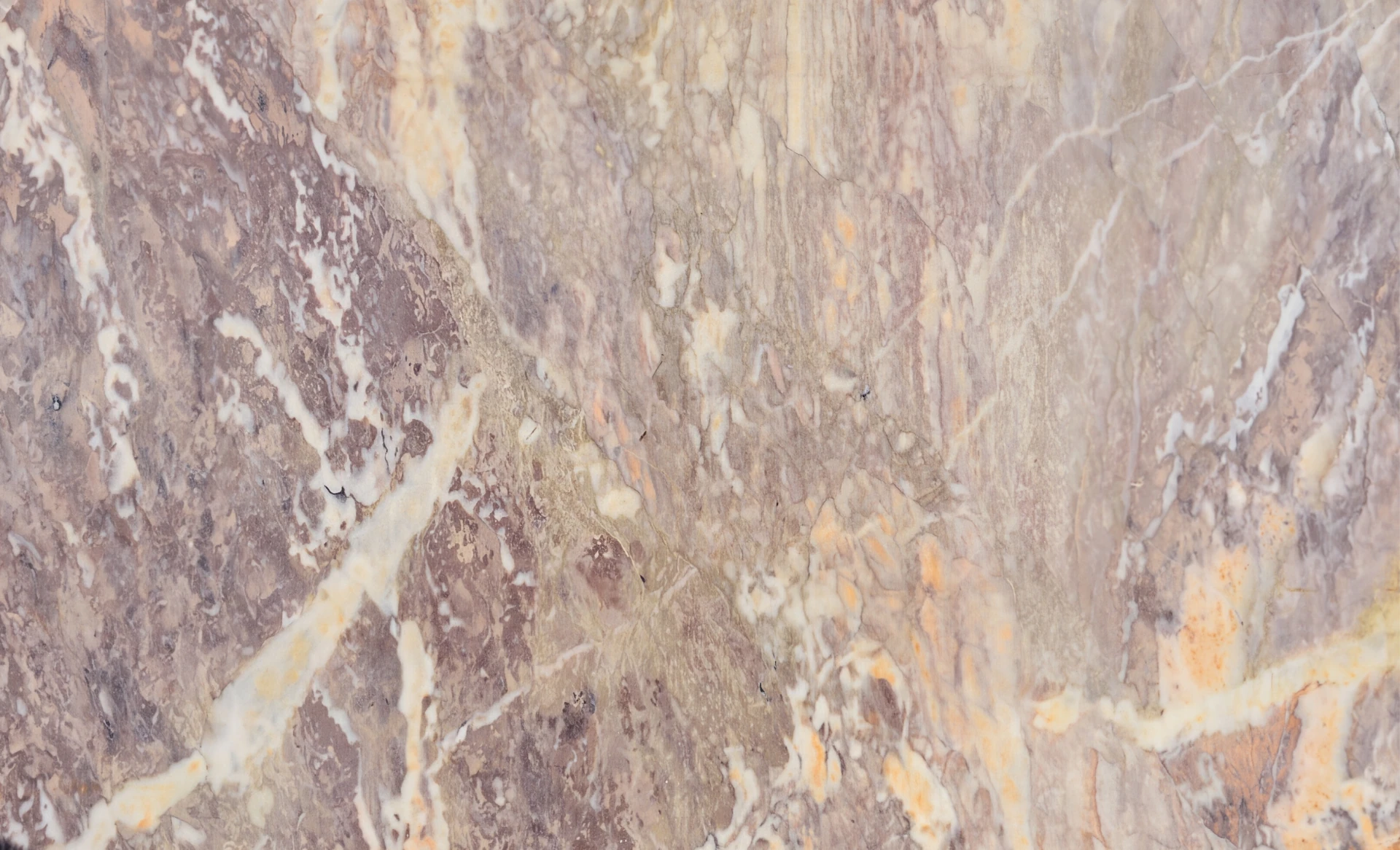
Blackberry Marble Cross Cut Slab
View Material →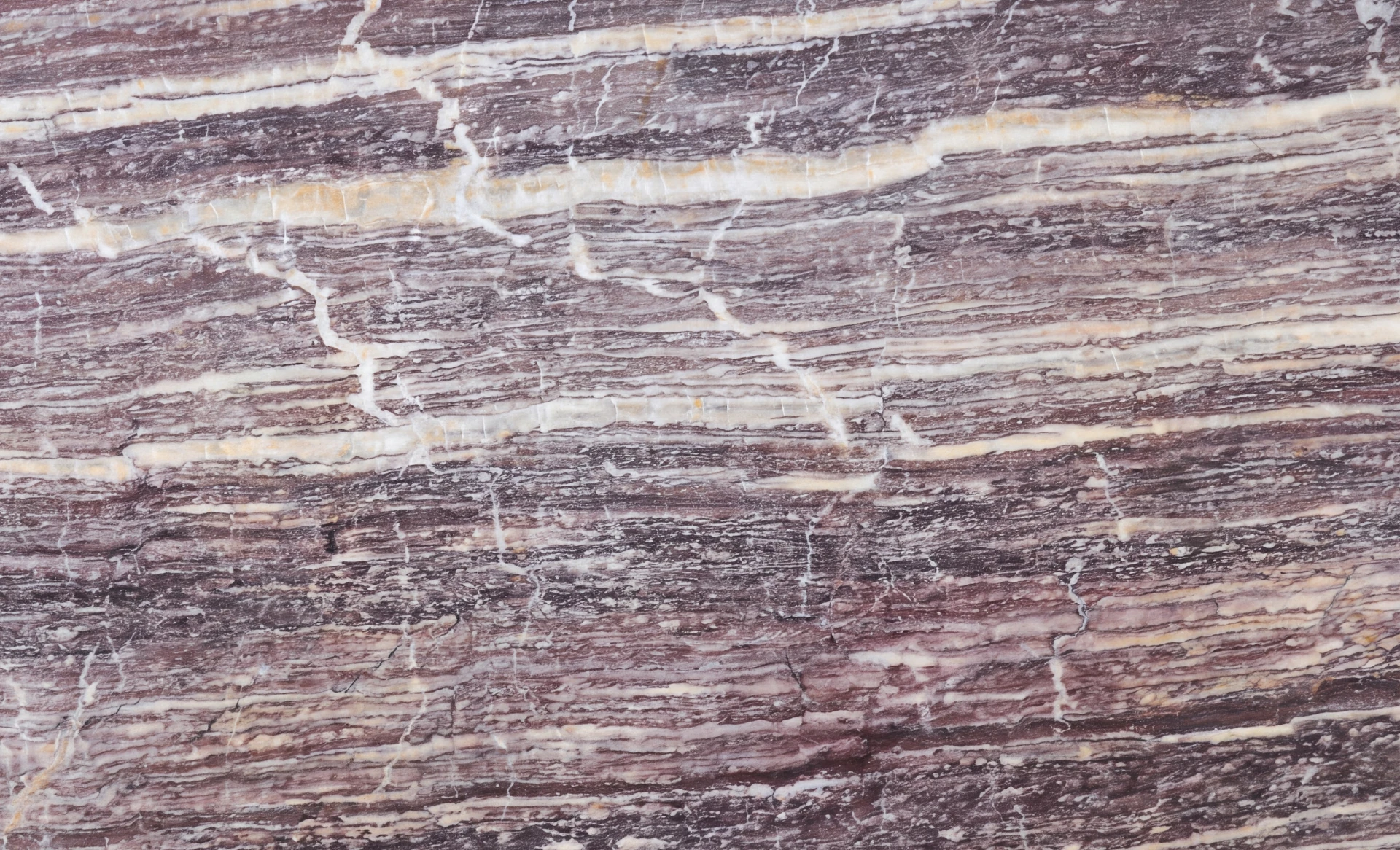
Blackberry Marble Vein Cut Slab
View Material →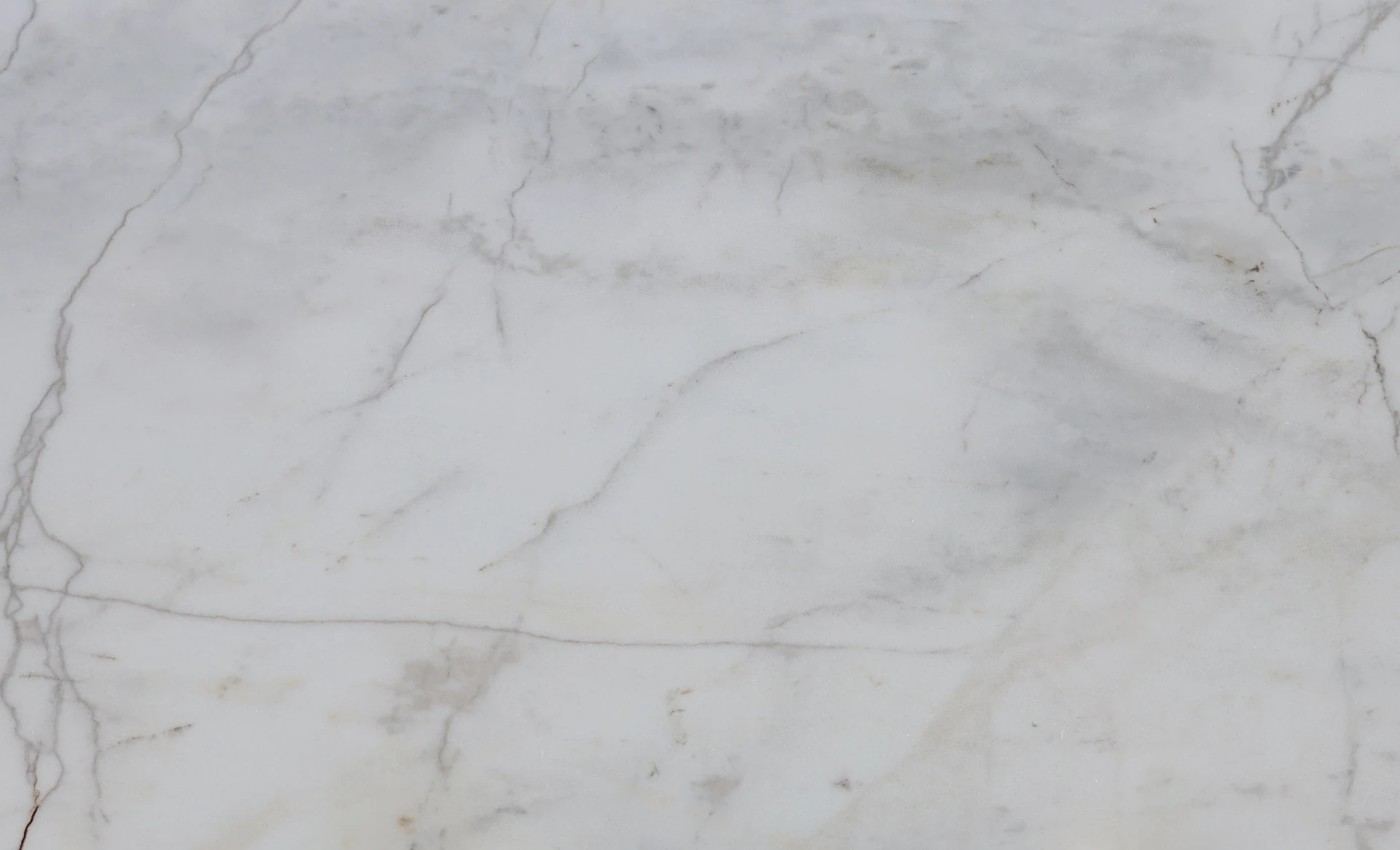
Turkish Calacatta Marble Slab
View Material →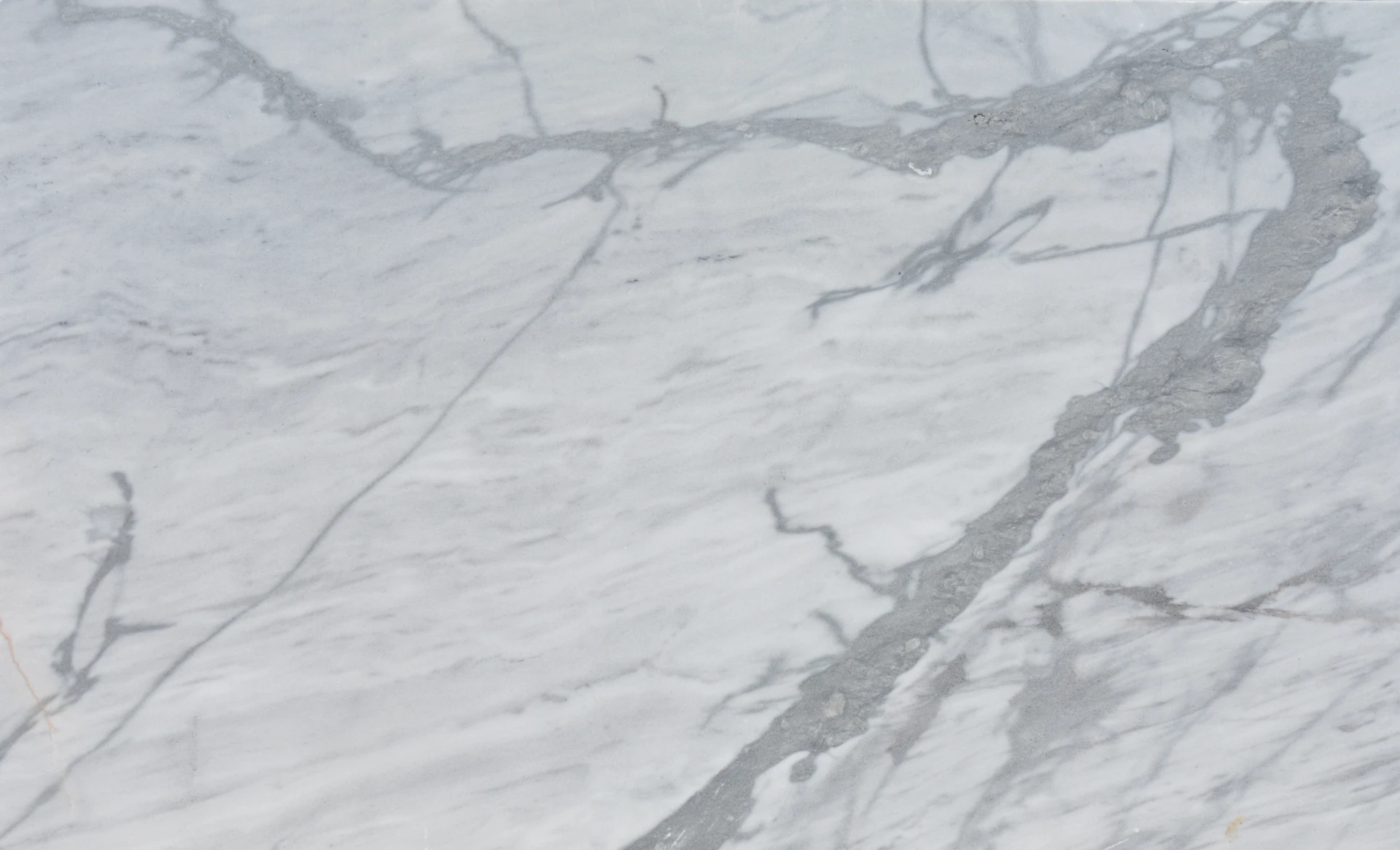
Marmara Statuario Marble Slab
View Material →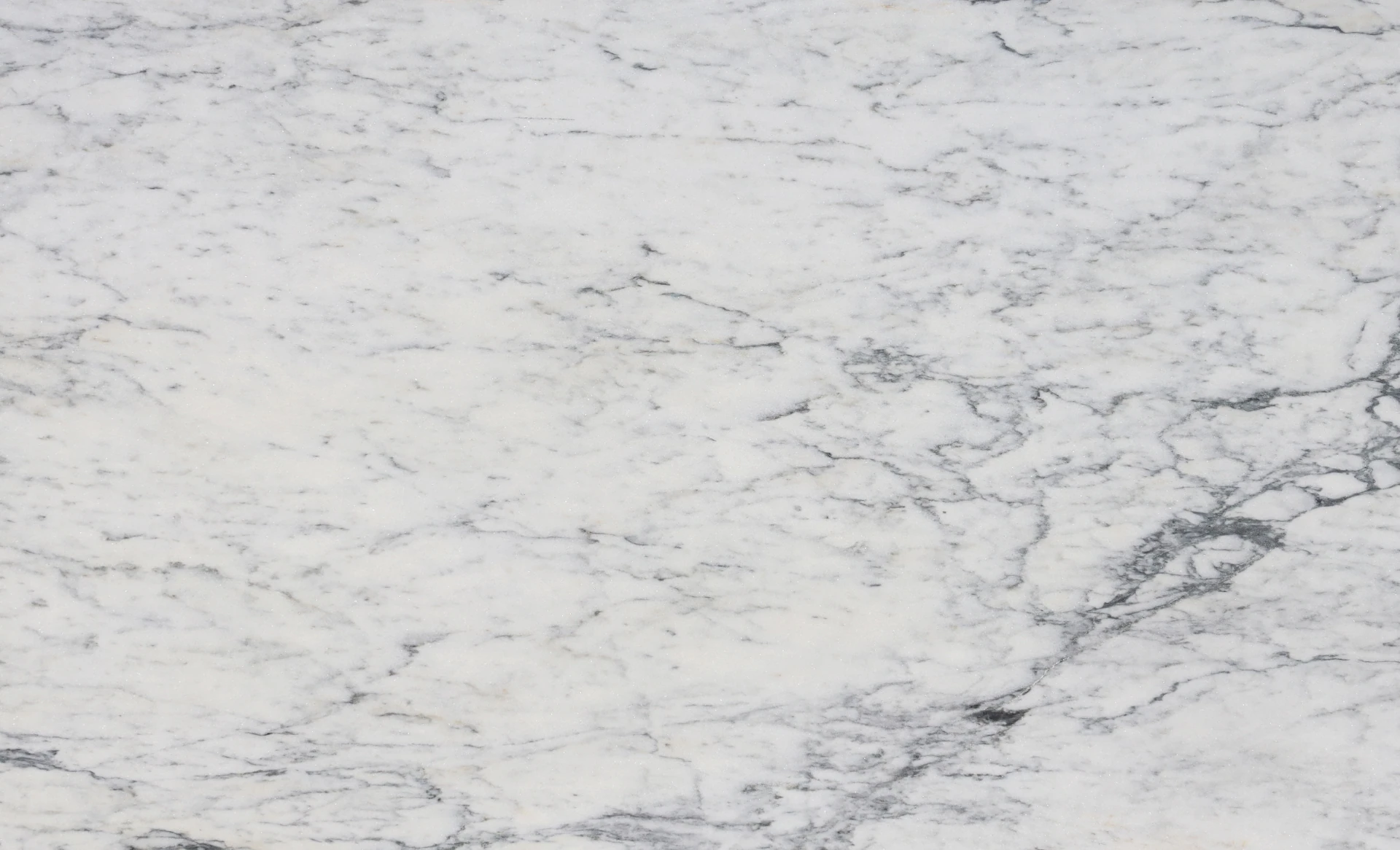
Turkish Carrara Marble Slab
View Material →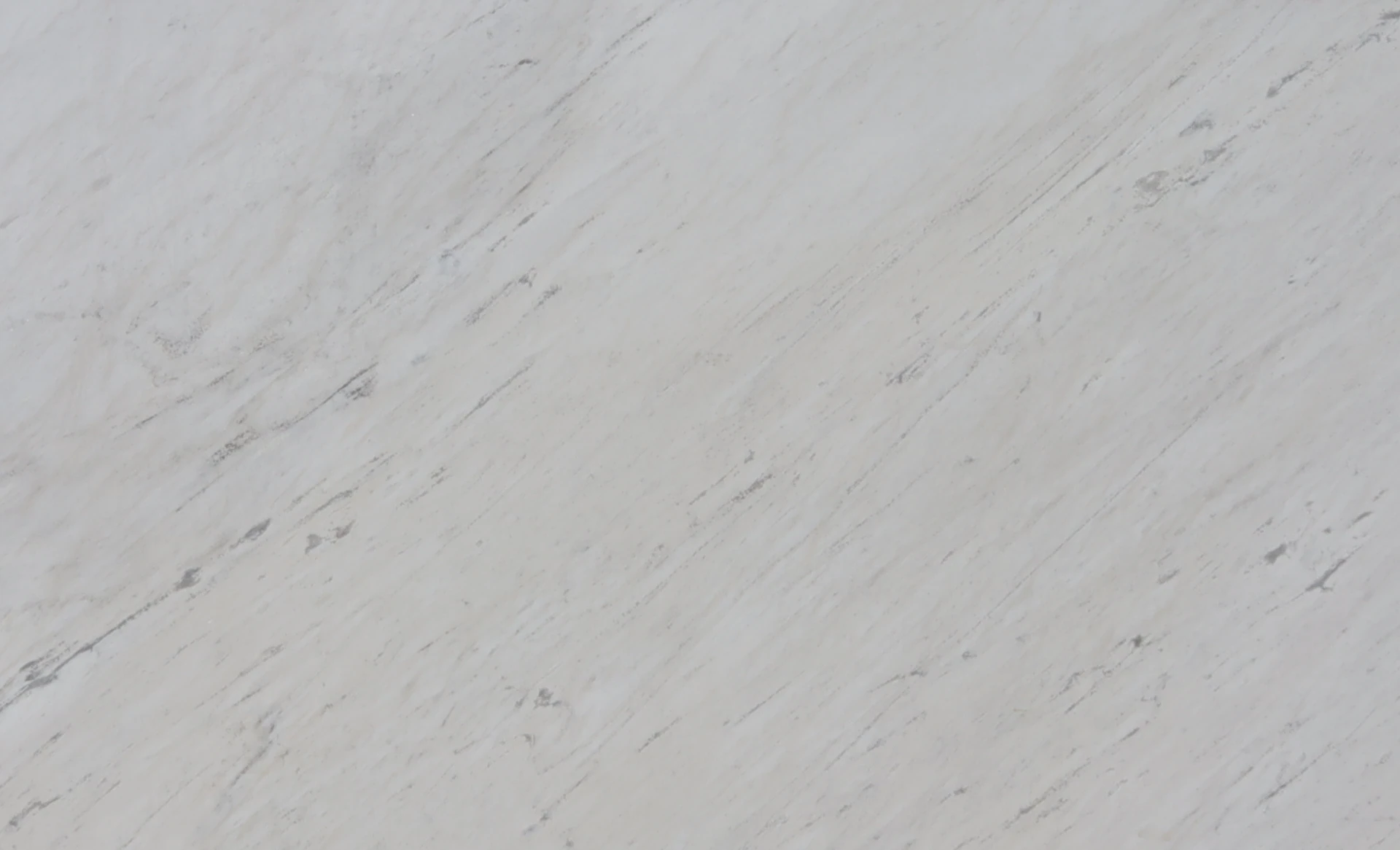
Sivec Marble Slab
View Material →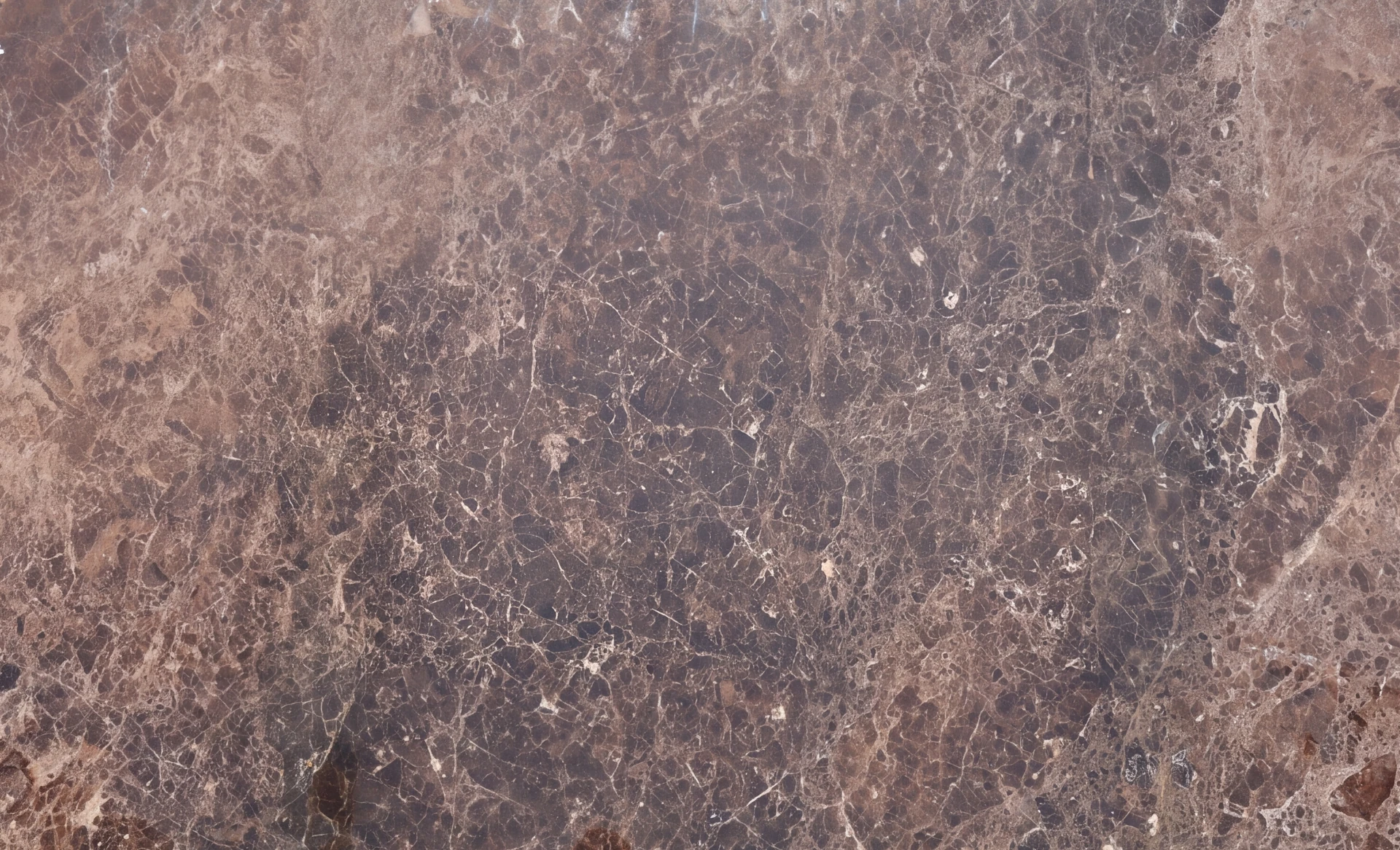
Spanish Dark Emperador Marble Slab
View Material →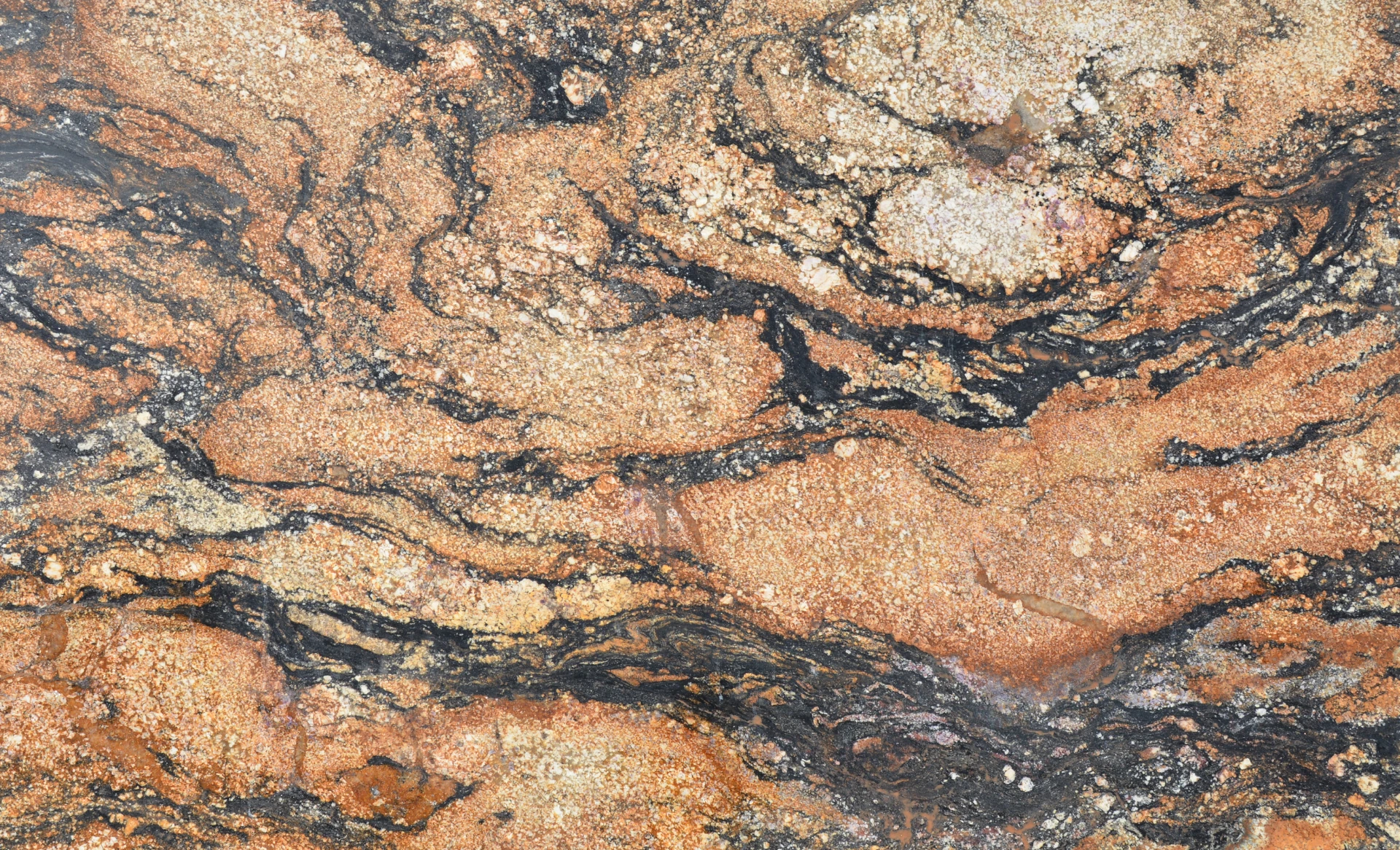
Magma Gold Marble Slab
View Material →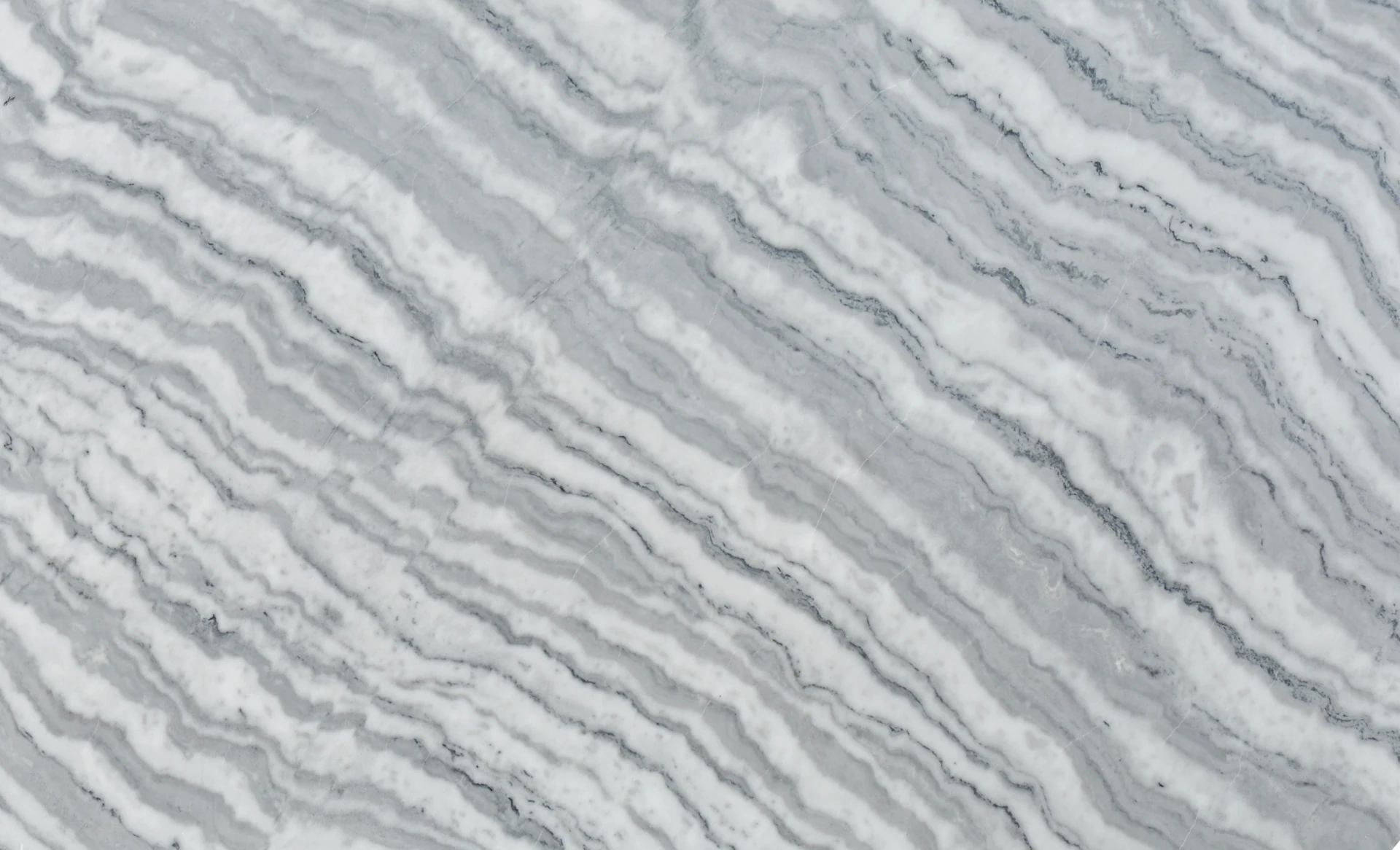
Zebra White Marble Slab
View Material →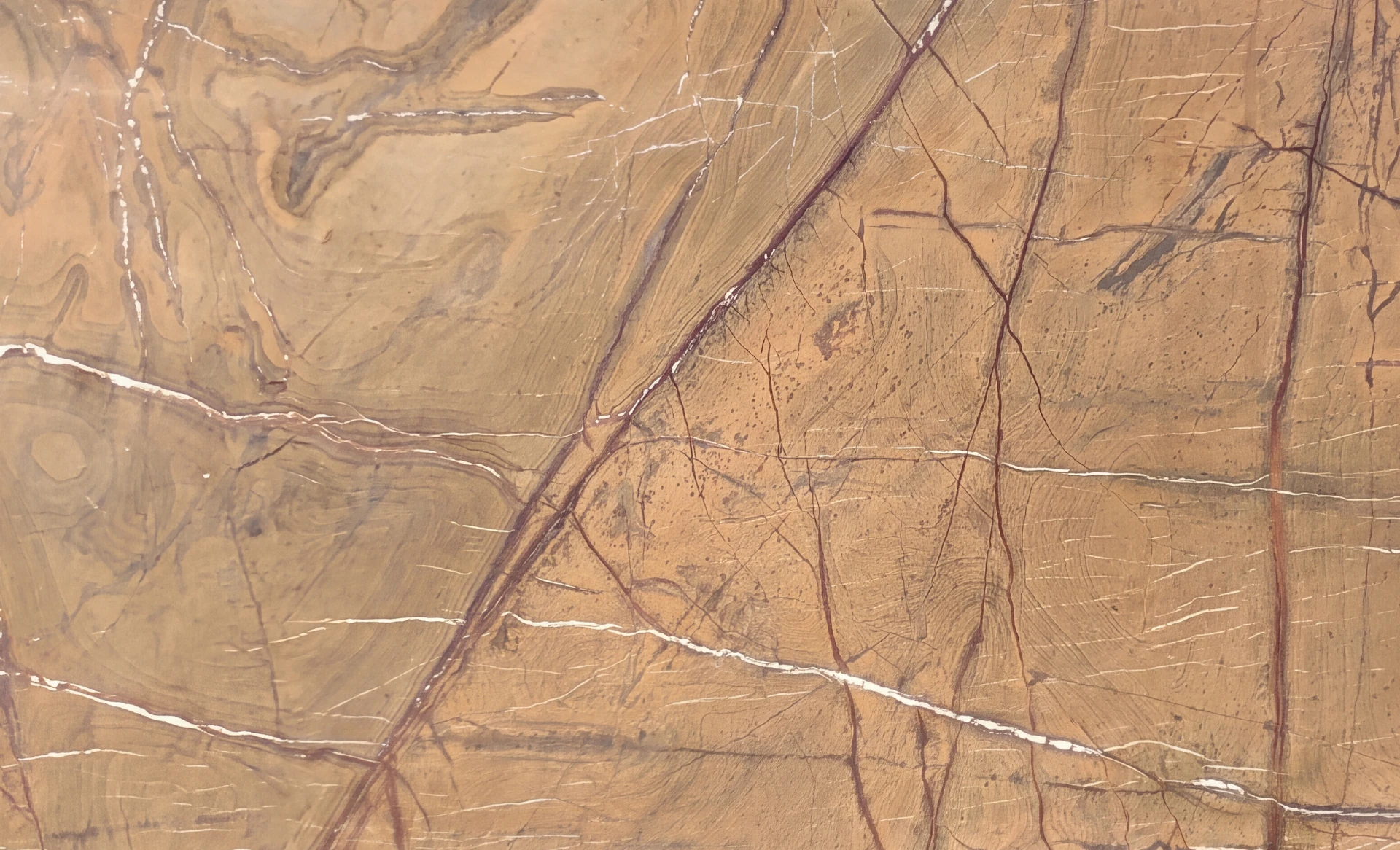
Rain Forest Gold Marble Slab
View Material →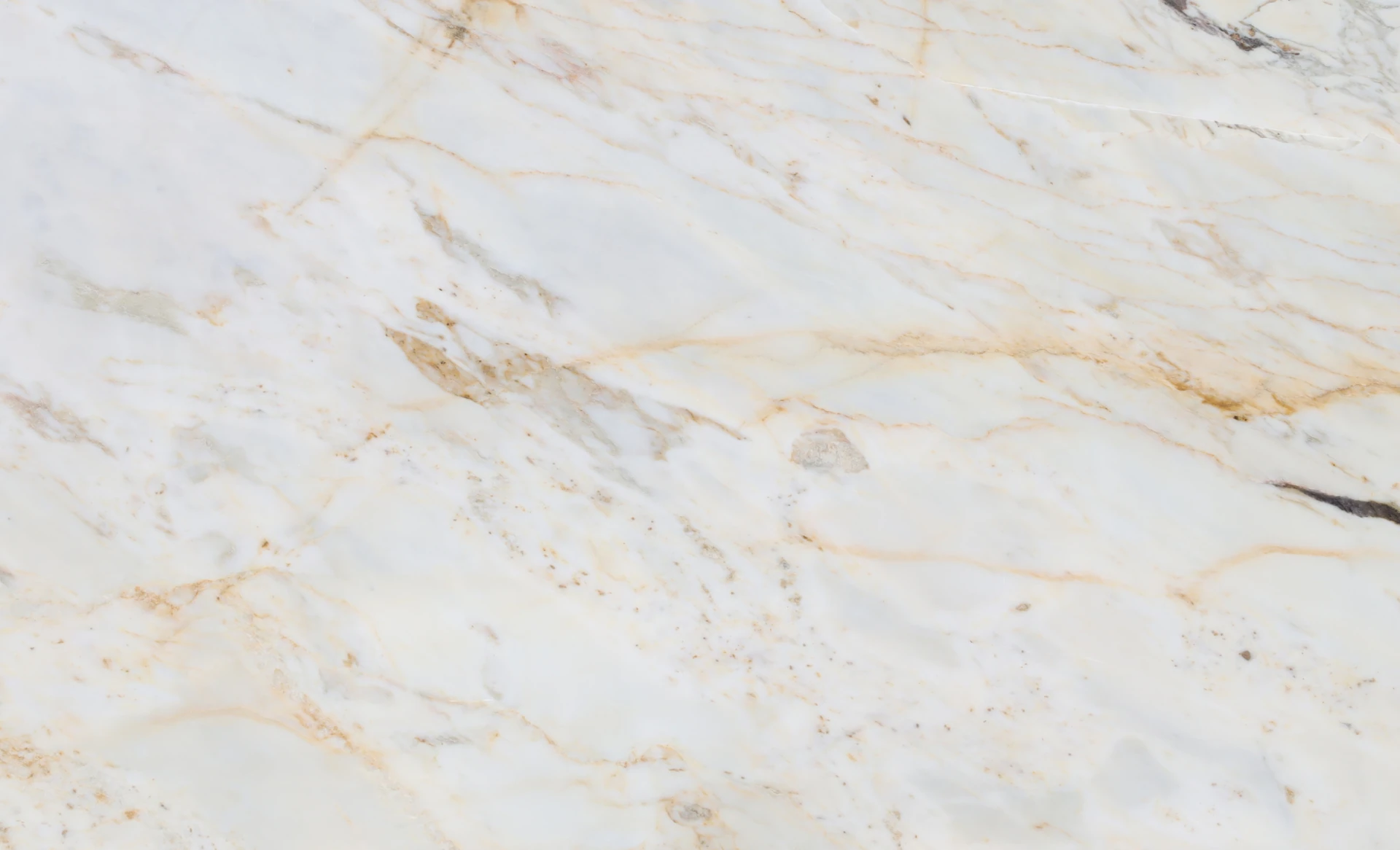
Calacatta Gold Marble Slab
View Material →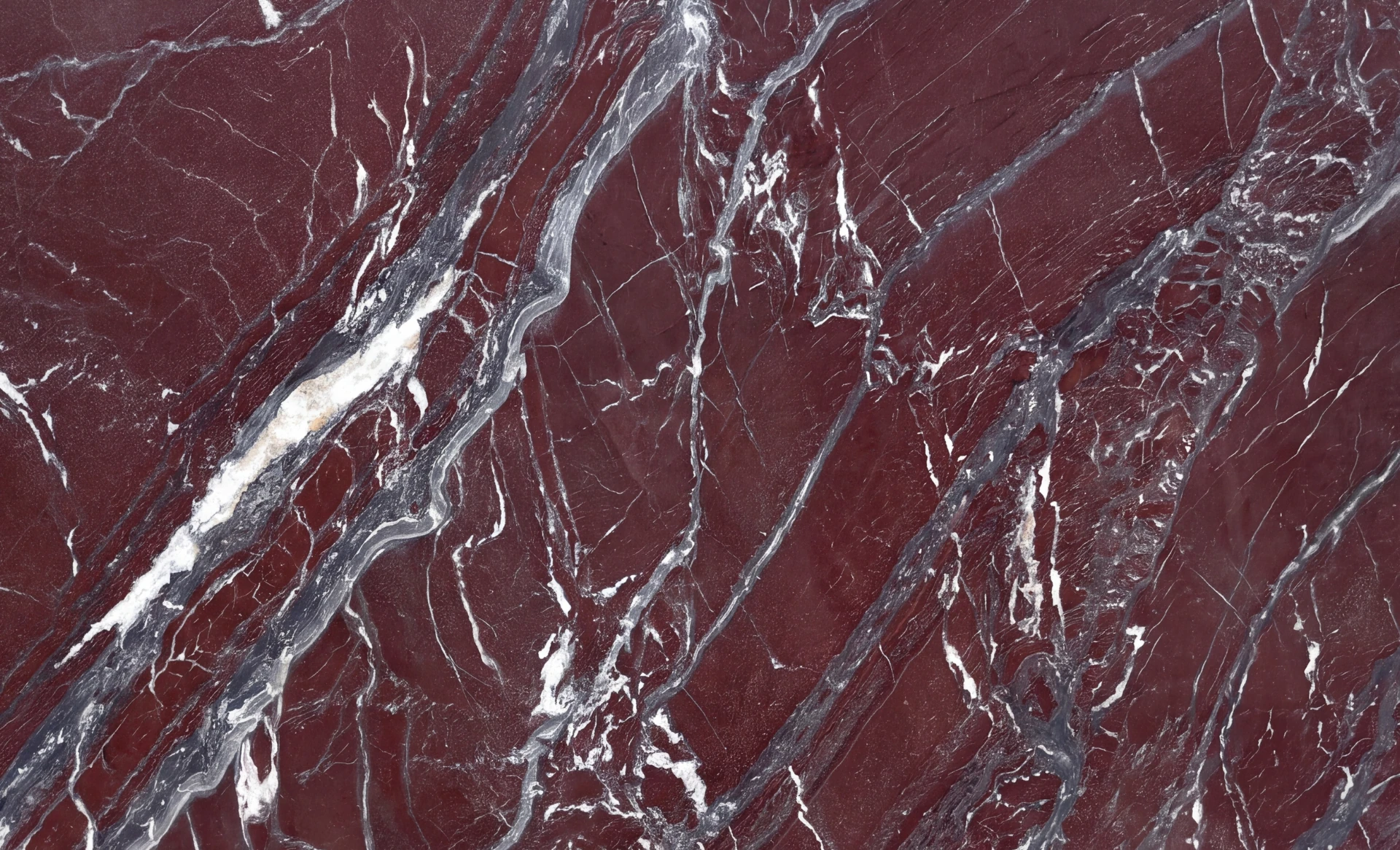
Rosso Laguna Marble Slab
View Material →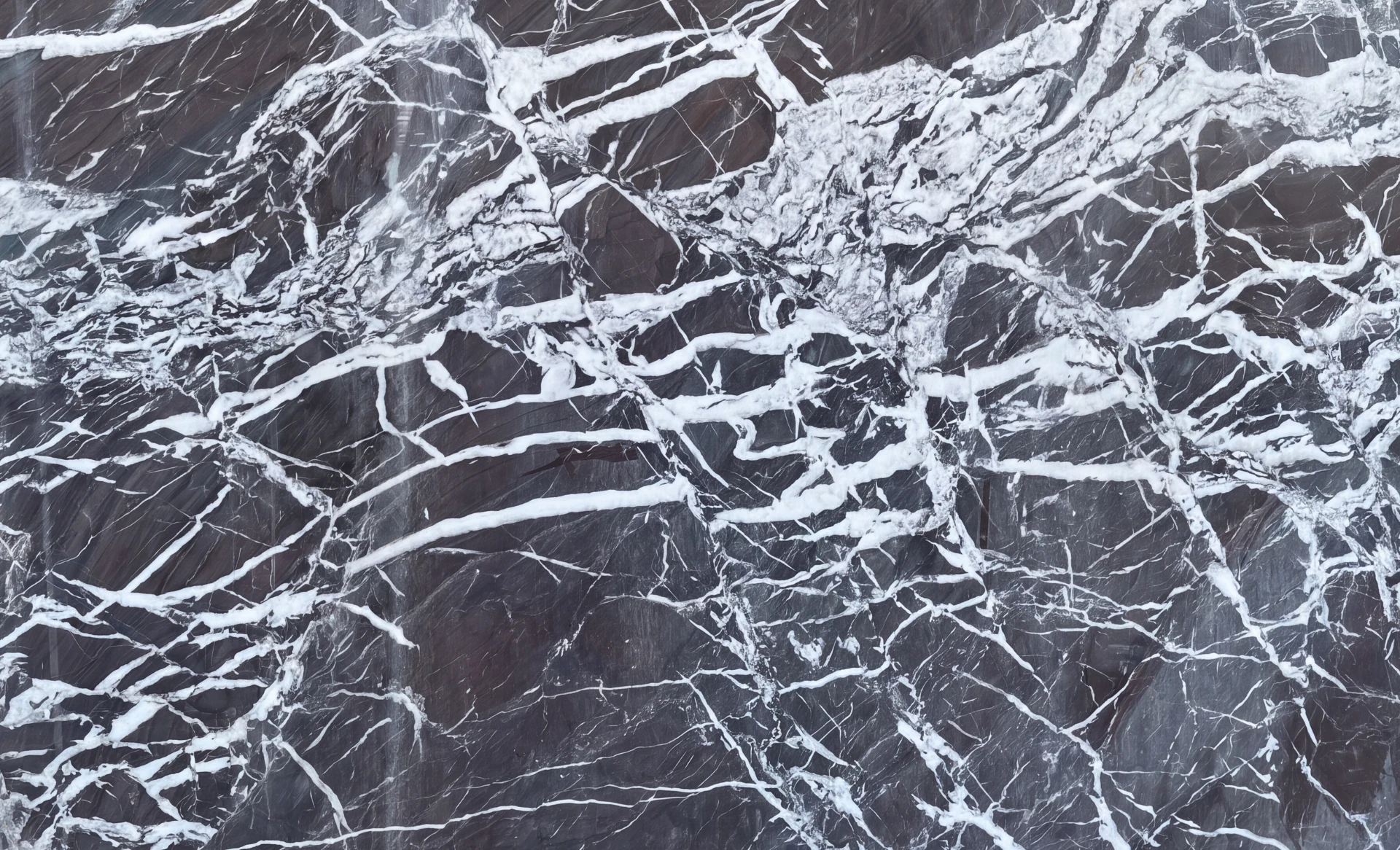
Ice Break Marble Slab
View Material →Architectural Sourcing Guide for Marble Slabs
Quarry Origins and Technical Characteristics of Premium Slabs
Architects and interior designers specify marble slabs based on geological composition, mineral density, and aesthetic variation of marble slabs. Turkish quarry regions, particularly Afyon, Mugla, Bilecik, and Burdur, yield some of the world's most stable marble slabs. These quarry networks produce block extractions with highly consistent crystalline structures. Understanding these geological variations helps procurement teams select the appropriate batch of marble slabs for demanding high-traffic environments.
Selecting natural stone requires a clear understanding of block extractions. For instance, the Afyon White Marble represents a highly dense, fine-grained selection prized for its clean white background. Similarly, Polar White Marble Slab offers a cool, bright white aesthetic that works well in minimalist architectural layouts. In contrast, the Afyon Sugar Marble Slab introduces warm golden veining that provides a different design direction. Sourcing from established regions ensures that the marble slabs possess the structural integrity required for custom fabrication.
Geological classification affects how these marble slabs perform in various environments. Calcium carbonate content determines the acid sensitivity of the stone, while crystalline grain size affects its water absorption rate. Fine-grained white marble slabs from Turkish quarries exhibit low porosity, making them highly resilient against moisture penetration. When executing large-scale B2B procurement, verify the technical data sheet for compressive strength and density parameters to match the stone with the project specifications.
Dimensional Standards and Finishing Options in Commercial Projects
Specifying stone products requires strict adherence to thickness standards. Nominal thickness standards for marble slabs dictate nominal thicknesses of 2 cm and 3 cm. The 2 cm thickness is typically specified for vertical wall cladding, fireplace surrounds, and moderate-use residential surfaces. Commercial flooring, high-traffic stairs, and heavy marble slabs generally require 3 cm thick slabs to ensure structural integrity under structural load.
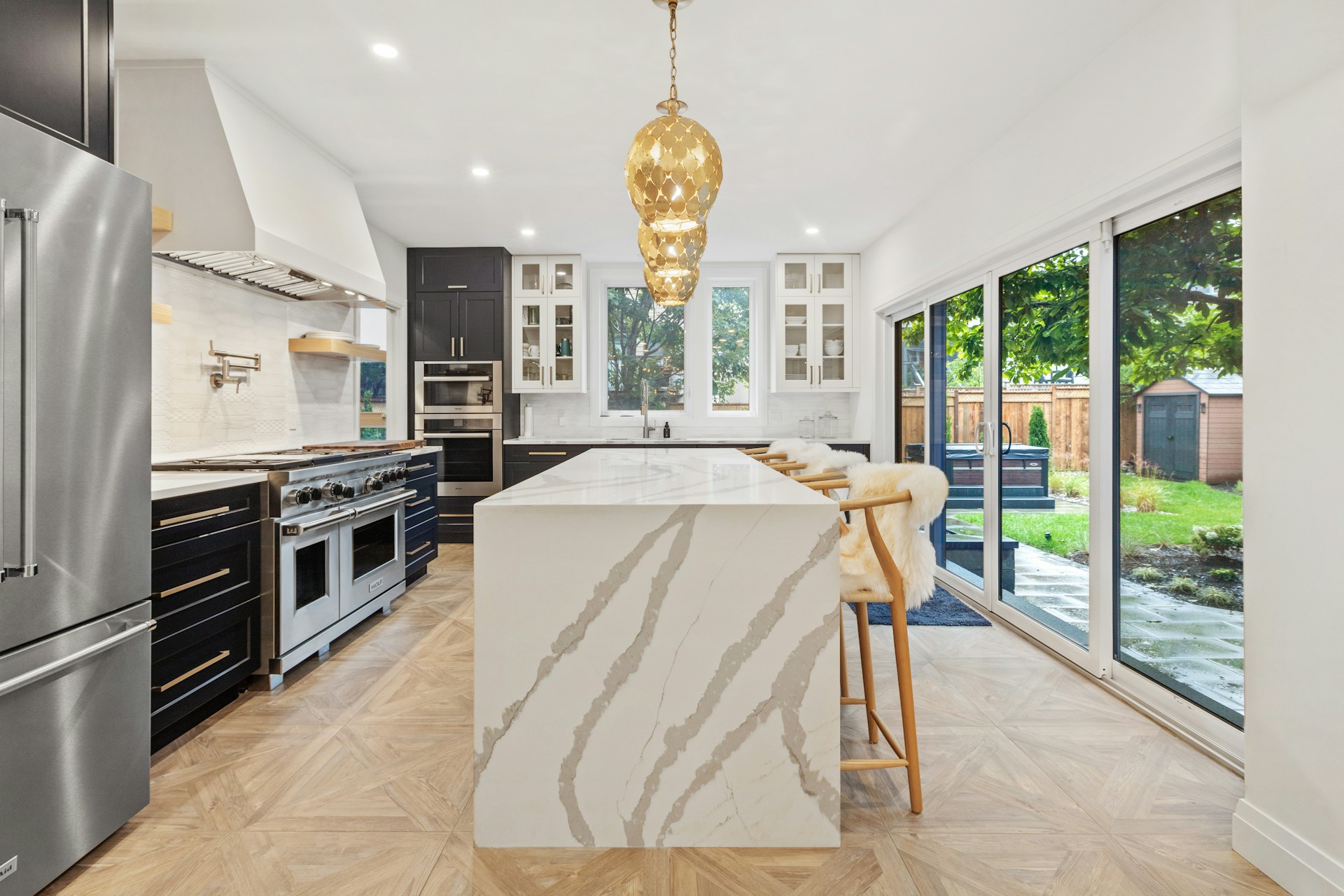
Slab sizes for these marble slabs vary depending on the quarry block dimensions and gang saw limits. Manufacturers categorize these extractions as random jumbo slabs, which typically measure 240-300 cm in length and 120-180 cm in height. These dimensions allow fabricators to lay out large kitchen islands and continuous wall panels with minimal joints. Prior to ordering marble slabs, architects must verify the maximum yield of each slab to align joint placements with structural grids and minimize fabrication waste.
Surface treatment plays a critical role in both slip resistance and light reflection. A polished marble slab provides maximum light reflection and highlights the natural color depth and veining of the stone. For areas requiring a more muted appearance, a honed surface offers a satin-like texture that diffuses light softly and hides minor scratches. Brushed finishes provide tactile depth, while sandblasted surfaces offer high slip-resistance for specialized architectural applications such as wet areas or elevator lobbies.
Procurement Strategies for High-Value Stone Installations
Purchasing material for large-scale projects involves careful inspection of individual bundles. Wholesalers and contractors should request detailed lot photos or visit the slab yard in person to inspect the raw material. Since natural stone varies from block to block, selecting consecutive marble slabs from the same block ensures pattern continuity and color consistency. When bookmatching marble slabs for feature walls, selecting adjacent cuts is necessary to achieve mirror-image symmetry.
Material estimation must account for fabrication waste and cutouts. Standard waste factors range from 15% to 20% for typical layouts, but complex projects with curved edges may require more. When specifying marble slabs, fabricators must account for this buffer. Fabricating marble slabs into countertops requires matching the vein flow along mitered edges, which also demands additional material. Sourcing from experienced Turkish marble suppliers ensures that slab thickness remains uniform across the entire bundle, reducing onsite installation problems.
For comprehensive comparison parameters, professionals refer to technical documentation. Consulting a Natural Stone Comparison Guide: Marble vs. Travertine vs. Granite helps clarify the mechanical differences between these material classes. This comparison assists designers in identifying the proper material family for specific load-bearing or environmental conditions.
Architectural Applications and Detailing for Stone Surfaces
Integrating large stone panels into modern interiors requires careful planning of support structures. Heavy slabs require reinforced sub-bases, particularly when used for cantilevered details or floating vanities. Designers must coordinate with structural engineers to ensure the sub-floors can support the weight of 3 cm marble slabs.
Mitering edges is a common method for creating the appearance of a thicker solid block. Fabricators utilize advanced cutting machinery to execute precise 45-degree miter joints. Proper adhesive selection is essential to prevent staining along these joints. Utilizing non-staining, stone-specific epoxies preserves the aesthetic integrity of the installation over time.
Selecting the right product involves understanding the specific installation environment. Designers seeking classic styling often turn to Calacatta Marble Slab or the premium Calacatta Borghini Marble Slab to create dramatic focal points. Proper sealing with penetrating sealers protects these luxury surfaces from acid etching in high-use areas.
Technical Processing and Quality Control in Manufacturing
Modern stone processing facilities use state-of-the-art gang saws and wire saws for slicing large blocks into high-quality marble slabs. During this phase, vacuum epoxy resin lines treat natural fissures and micro-cracks, strengthening the stone structure. This process is standard for premium Calacatta selections, ensuring they can undergo cutting without breakage.
Quality control teams inspect each of the marble slabs under specialized lighting to detect micro-cracks or color variations. Slabs are bundled in sequential order as they exit the polishing line, allowing B2B buyers to trace the block origin. Wooden bundles are secured with steel straps to prevent movement during international ocean freight shipping.
Long-Term Maintenance and Structural Protection
Preserving the surface quality of natural stone requires correct maintenance protocols. Alkaline or acidic cleaners damage the calcium carbonate structure of the marble. Maintenance teams must specify pH-neutral stone cleaners for daily care. Applying a high-quality impregnating sealer during installation helps retard liquid absorption.
Regular resealing is necessary to maintain stain resistance on active countertops. High-traffic commercial installations may require resealing every six months, while residential surfaces can go longer. In cases where etching or scratching occurs, professional restoration teams can polish the stone back to its original finish.
For step-by-step guidance on selecting and buying marble slabs, designers can review specialized resources. Reading Choosing the Right Marble Slab: Tips for Selecting the Perfect Stone provides an overview of lot inspection techniques. Additionally, understanding How to Choose the Perfect Marble Slab for Your Countertop prepares contractors for the fabrication phase. Finally, reviewing 5 Mistakes to Avoid When Buying Marble Slabs prevents common procurement errors.
Frequently Asked Questions
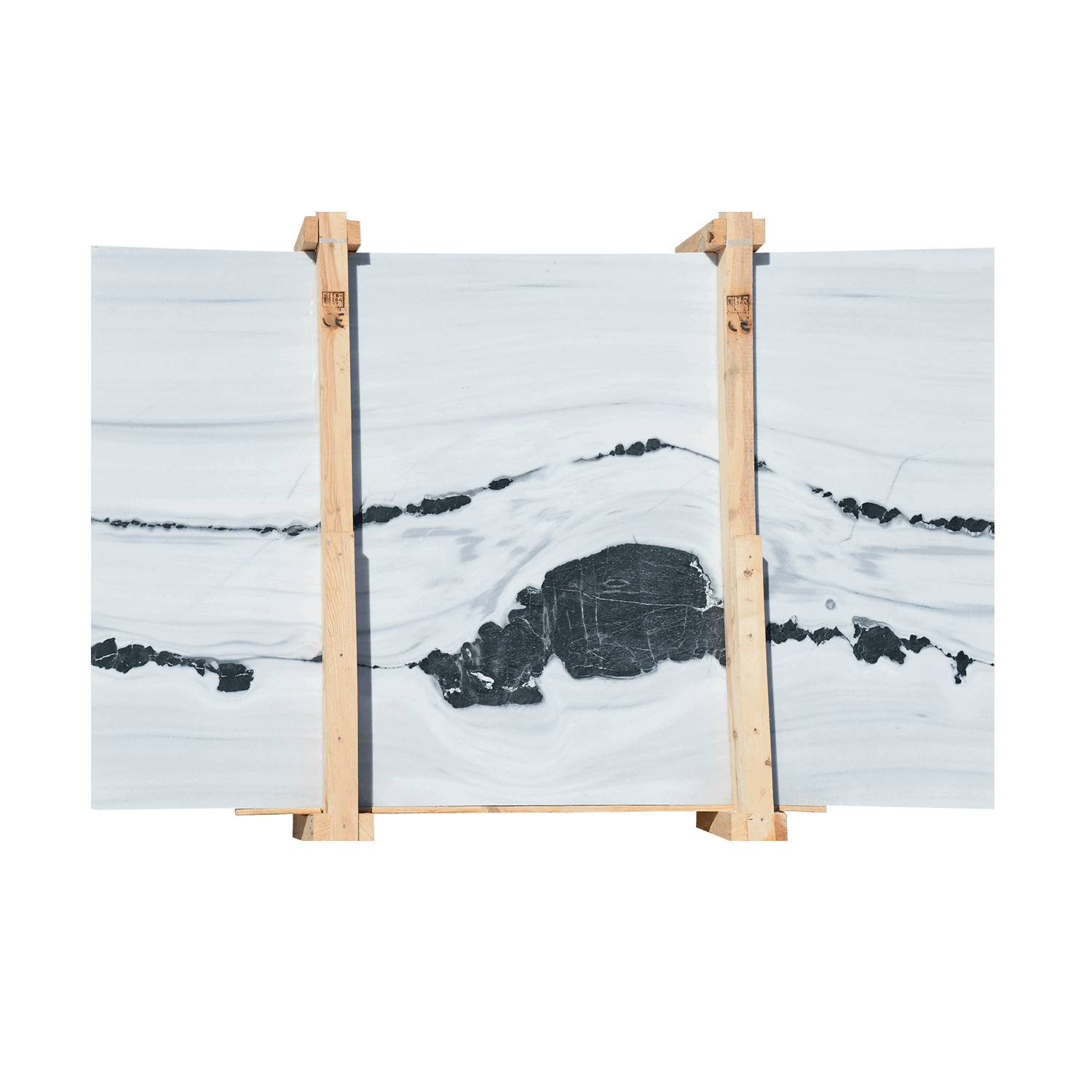
Related formats
Related stones
Supply Notes
Sizing, finishing and selection support.
Custom sizes
Coordinate availability, production details and documentation with the Efesus Stone team.
Project finishes
Coordinate availability, production details and documentation with the Efesus Stone team.
Export packing
Coordinate availability, production details and documentation with the Efesus Stone team.