
Limestone / Slabs
Limestone Slabs


Sourcing Guide for Limestone Slabs in Commercial Architecture
Geological Formation and Quarry Origins of Limestone Slabs
Limestone is a sedimentary rock formed primarily from the accumulation of calcium carbonate, organic skeletal fragments, and shell debris in warm, shallow marine environments over millions of years. This unique geological process gives the stone its characteristic warm tones, subtle fossilized structures, and soft textures. High-quality extraction sites in Turkey and across the Mediterranean basin produce a variety of limestone slabs suitable for indoor cladding, exterior facades, and moderate-traffic flooring. Selecting the right quarry origin is essential for ensuring mineral uniformity, load-bearing capability, and long-term durability in high-end projects.
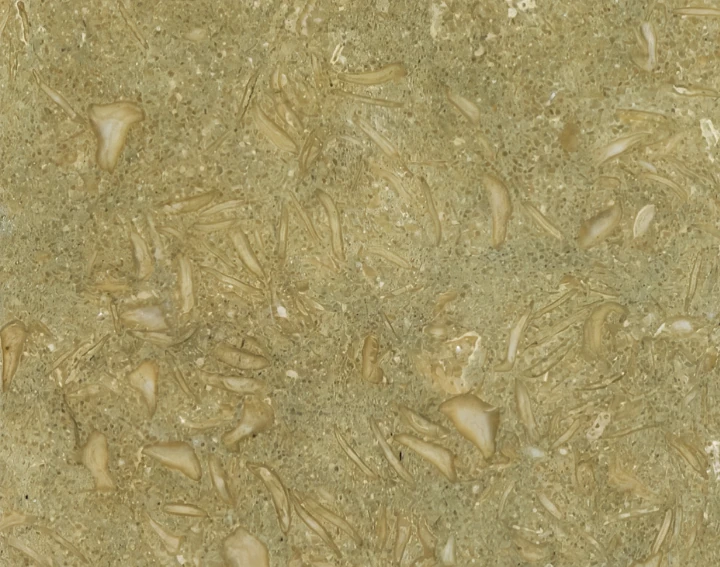
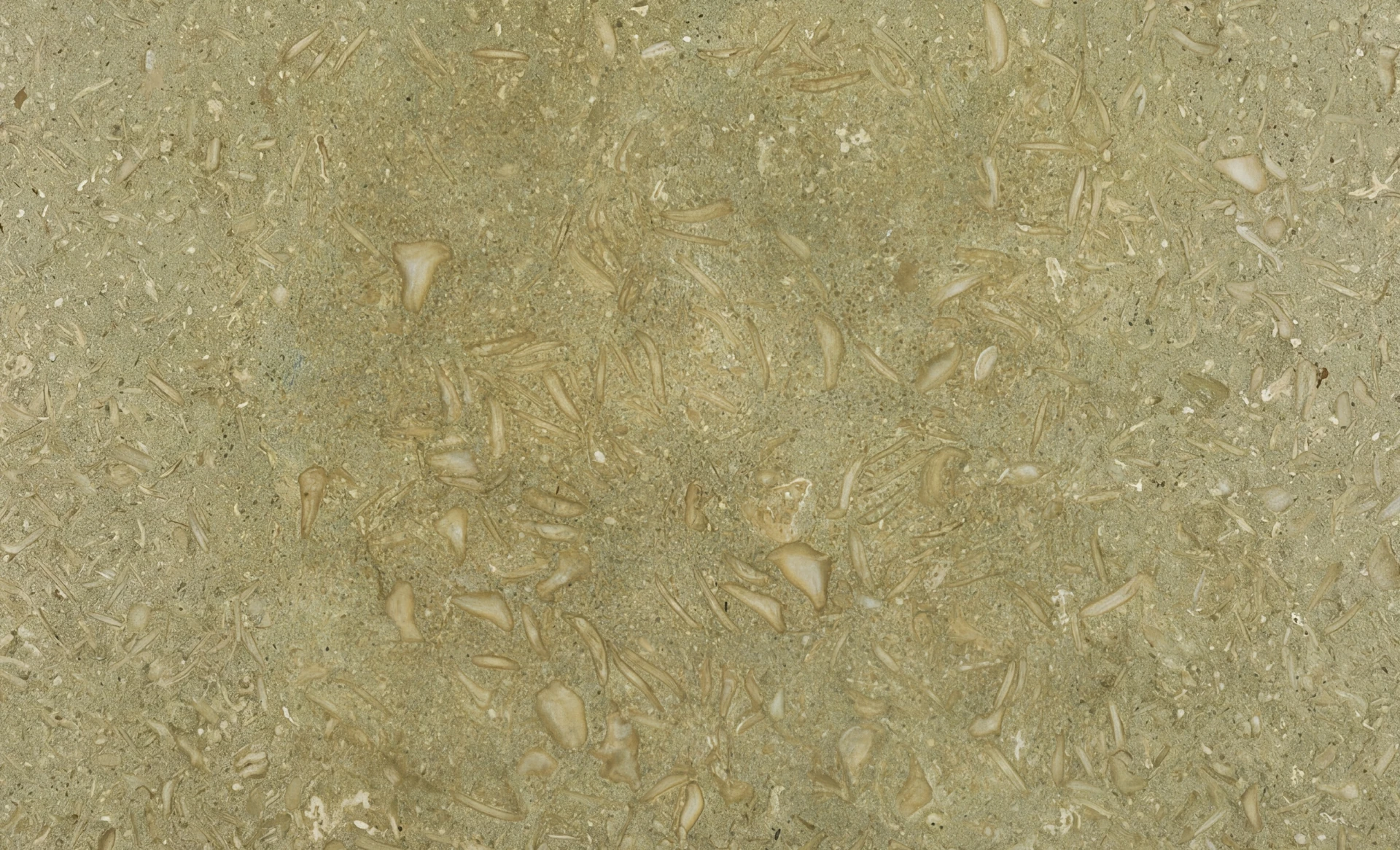
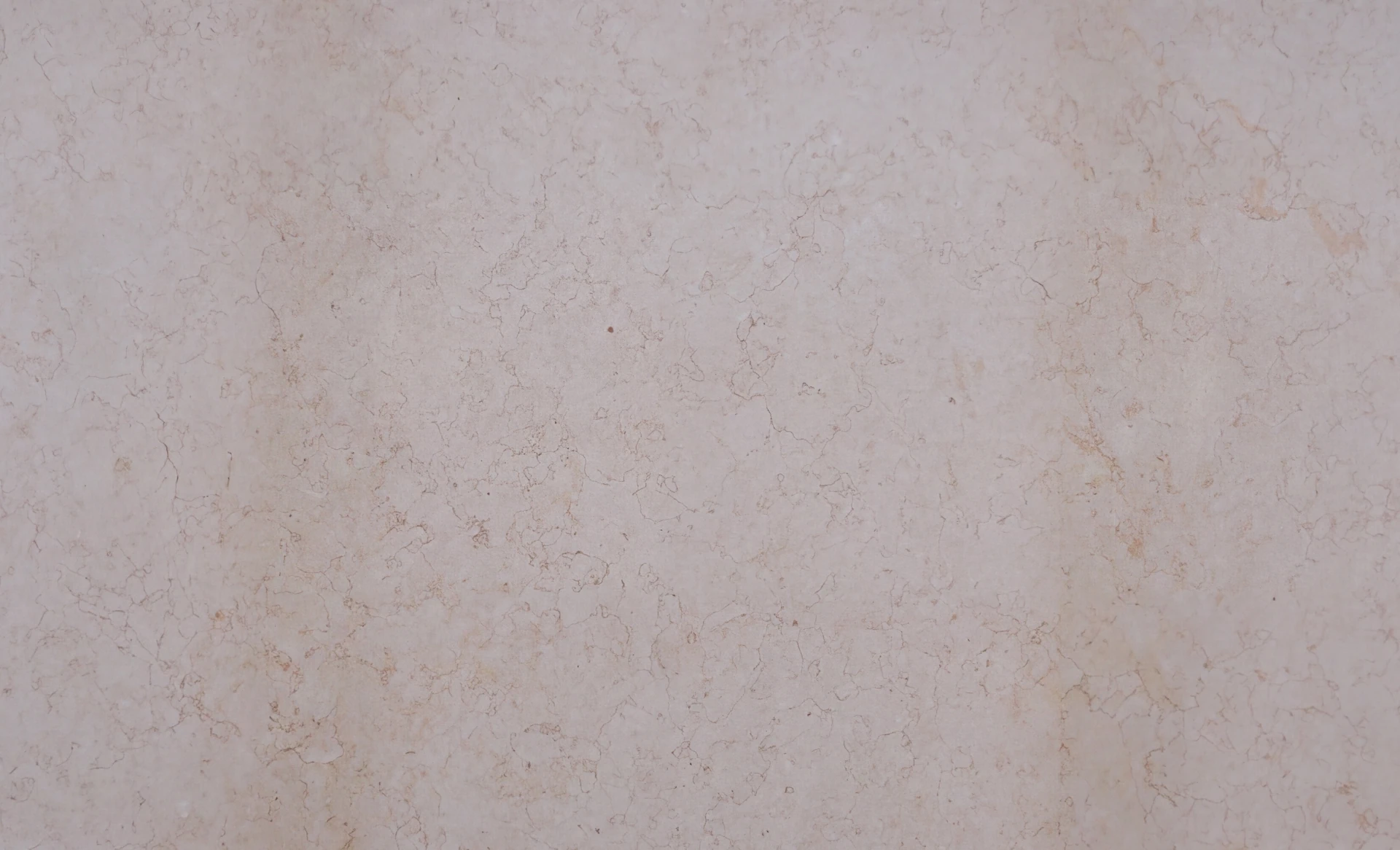
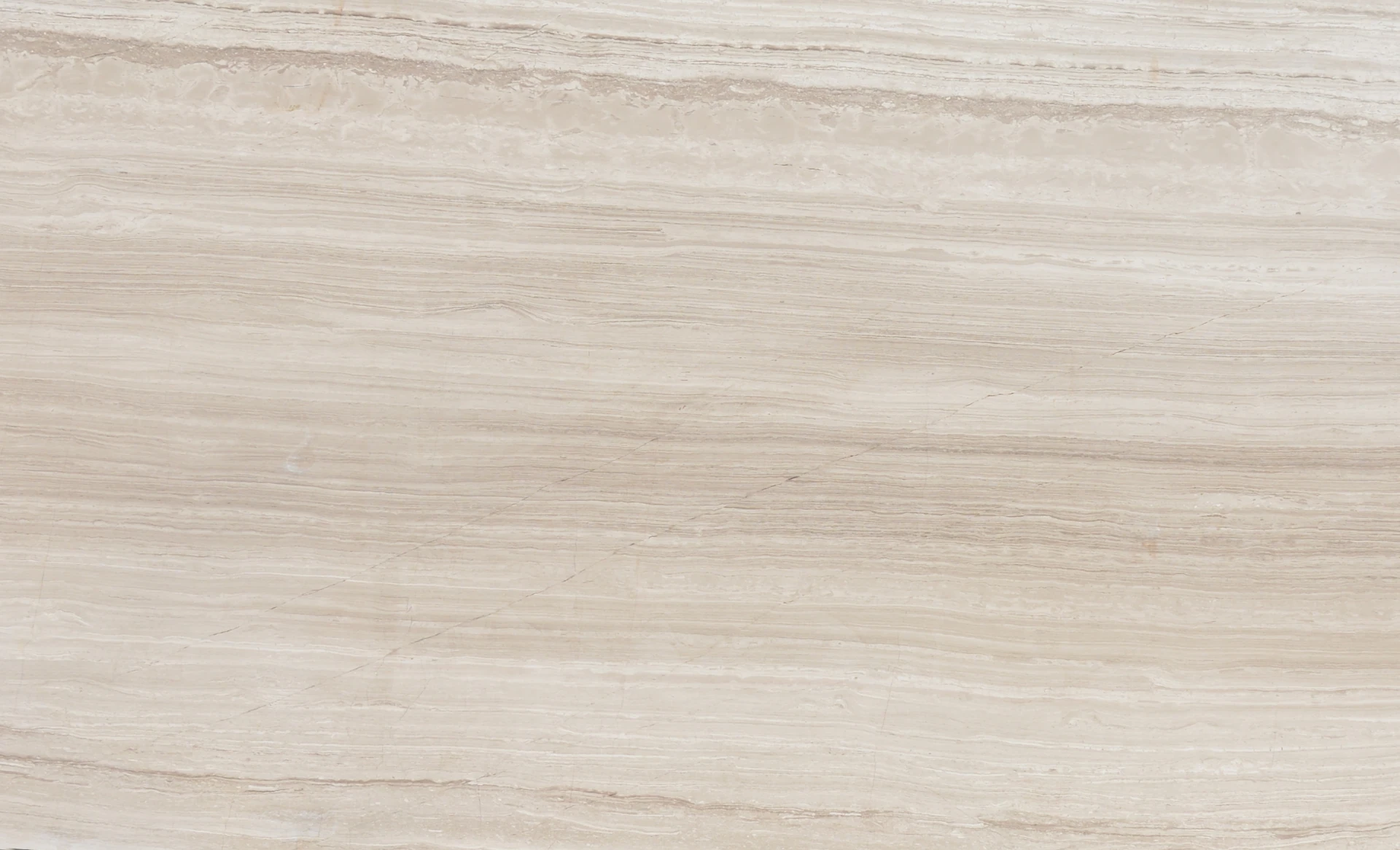
When sourcing premium building materials, design professionals prioritize aesthetic consistency and structural durability. For instance, the Bianco Crema Limestone Slab is highly sought after for its uniform light cream color and fine-grained texture, making it an excellent choice for modern minimalistic designs. Projects requiring a more textured, organic appearance often utilize the Coquillage Limestone Slab, which features distinct fossilized shells and marine elements scattered throughout its surface. For classic, warm beige tones, the Sunny Limestone Slab and the lighter Sunny Light Limestone Slab offer outstanding thermal insulation and aesthetic warmth. Sourcing consecutive bundles of these limestone slabs ensures that natural color shifts remain cohesive across large installations.
Understanding the mechanical properties of limestone is critical for successful B2B applications. Unlike crystalline stones like granite, limestone consists mainly of calcite, resulting in a hardness rating of 3 to 4 on the Mohs scale. Despite being softer than granite, premium limestone boasts a high compressive strength ranging from 60 to 90 MPa and low thermal expansion coefficients. These characteristics make it a preferred material for large-scale external wall cladding, where breathability and thermal regulation are valued. Project managers review these technical properties to ensure the selected stone meets local building codes and structural loads.
Format Standards and Thickness Tolerances in Project Procurement
Architectural specifications for natural stone require precise thickness tolerances to prevent installation issues. Commercial standards dictate that limestone slabs are processed in thicknesses of 2 cm and 3 cm. The 2 cm thickness is generally specified for interior wall tiles, decorative panels, and residential bathroom vanities where weight minimization is important. Conversely, exterior facade cladding, high-traffic paving, and heavy-duty countertops require 3 cm thick slabs to withstand mechanical stresses and environmental conditions.
Slab sizes depend on the dimensions of the quarry block and the limits of the gang saw machinery. Typical raw limestone slabs measure between 220 cm to 280 cm in length and 120 cm to 160 cm in height. These dimensions allow fabricators to plan large wall panels and seamless floor layouts while minimizing joint lines. Before placing orders, procurement teams must verify the yield of each slab lot to optimize matching patterns and minimize fabrication scrap. Uniform thickness across the entire shipping bundle is critical to prevent installation errors and uneven transitions.
Surface Processing and Mechanical Treatments
Surface finishes modify both the performance and appearance of natural stone. A honed finish is the most common treatment for limestone, offering a smooth, matte surface that highlights the stone's warm tones and fossil structures without reflections. For interior applications requiring a soft, aged appearance, a brushed or tumbled finish provides tactile depth. Sandblasted, bush-hammered, or chiseled finishes are ideal for exterior paths and wet environments, providing the necessary slip resistance to meet safety regulations.
Selecting the appropriate finish requires matching the stone's treatment to its environment. Honed and brushed surfaces perform well indoors for floors and walls. For exterior facades, sandblasted or bush-hammered finishes are preferred because they diffuse sunlight and resist weathering. For comparison data, buyers consult technical resources. Reviewing a Natural Stone Comparison Guide: Marble vs. Travertine vs. Granite helps clarify the mechanical and structural differences between these stone categories, guiding architects in choosing the right material family.
Procurement Strategies for Large-Scale Projects
Buying natural stone for commercial construction requires thorough inspections of raw bundles. Wholesalers and project managers should request high-resolution photos of individual slabs or visit the production facility to inspect the material. Since limestone is a natural sedimentary product, selecting consecutive limestone slabs from the same block ensures consistency in color and pattern. When planning features like bookmatched walls, sourcing consecutive cuts from the same block is necessary for visual symmetry.
Material estimators must factor in fabrication waste. Standard layouts typically require a 10% to 15% waste allowance, while complex designs with curved cuts require up to 20%. Working with experienced suppliers guarantees that slab thickness is uniform, reducing installation problems. Bundles are secured in wooden crates with steel strapping to prevent breakage during maritime shipping. Additionally, reading a guide such as How to Choose the Best Moca Cream Limestone for Your Project provides practical tips on selecting premium limestone varieties.
Maintenance and Long-Term Protection Protocols
Maintaining the surface of limestone requires specific cleaning procedures. Because limestone is highly sensitive to acids, common household cleaners containing vinegar, citrus, or harsh chemicals can etch the surface. Maintenance teams must use pH-neutral stone cleaners for daily care. Applying a high-quality penetrating impregnating sealer during installation helps block water absorption and stains.
Regular resealing is necessary to protect limestone surfaces. High-traffic commercial properties may require resealing every twelve months, whereas residential settings can go longer between applications. If staining or etching occurs, professional restoration teams can clean and refinish the stone to restore its original appearance.
Why Choose Limestone Slabs from EfesusStone
EfesusStone has been a trusted supplier and exporter of natural stone since 1943. We operate modern processing facilities that combine traditional craftsmanship with advanced technology. Our B2B services include custom fabrication, strict quality control inspections, and secure export packaging. By managing our supply chain from the quarry to the final delivery, we ensure the highest standards for every shipment of limestone slabs. Our technical team assists architects with selection, layout coordination, and custom dimensions to ensure project success.
Frequently Asked Questions
Related formats
Related stones
Supply Notes
Sizing, finishing and selection support.
Custom sizes
Coordinate availability, production details and documentation with the Efesus Stone team.
Project finishes
Coordinate availability, production details and documentation with the Efesus Stone team.
Export packing
Coordinate availability, production details and documentation with the Efesus Stone team.