
Slabs
Slabs
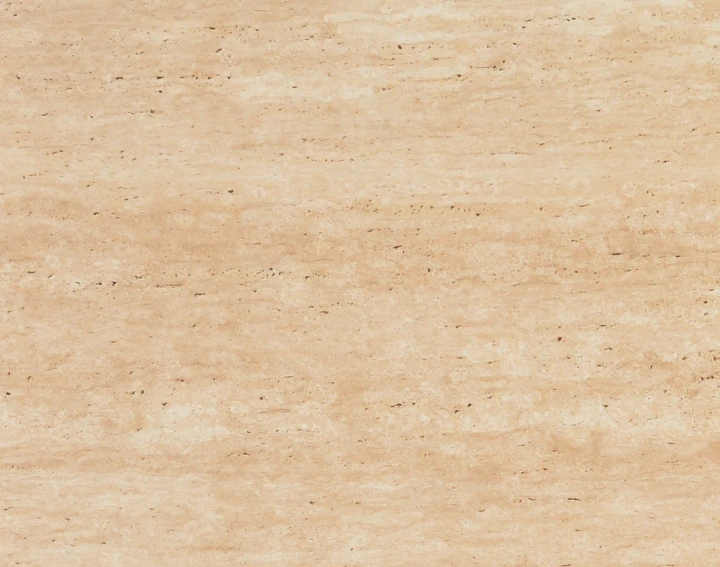
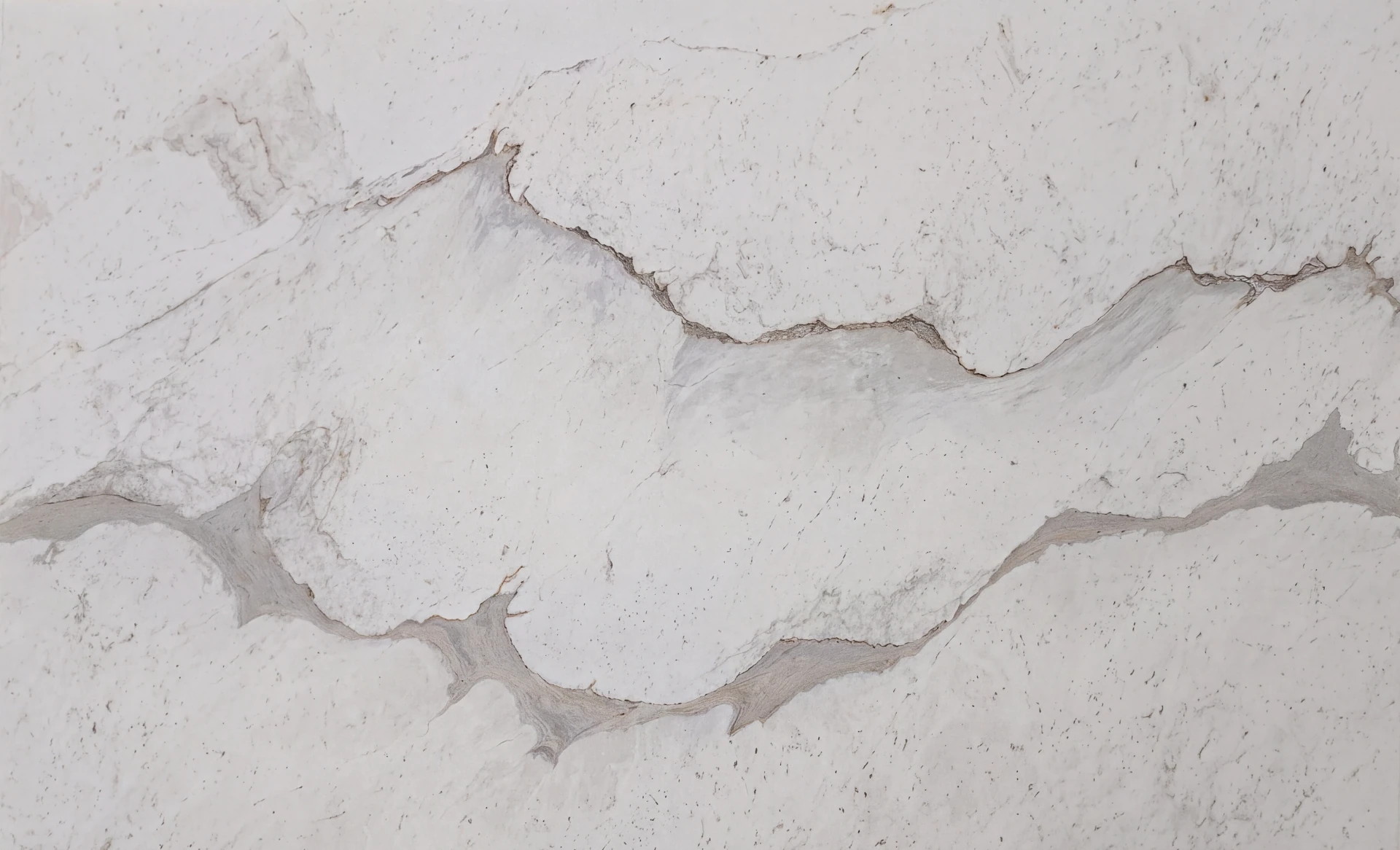
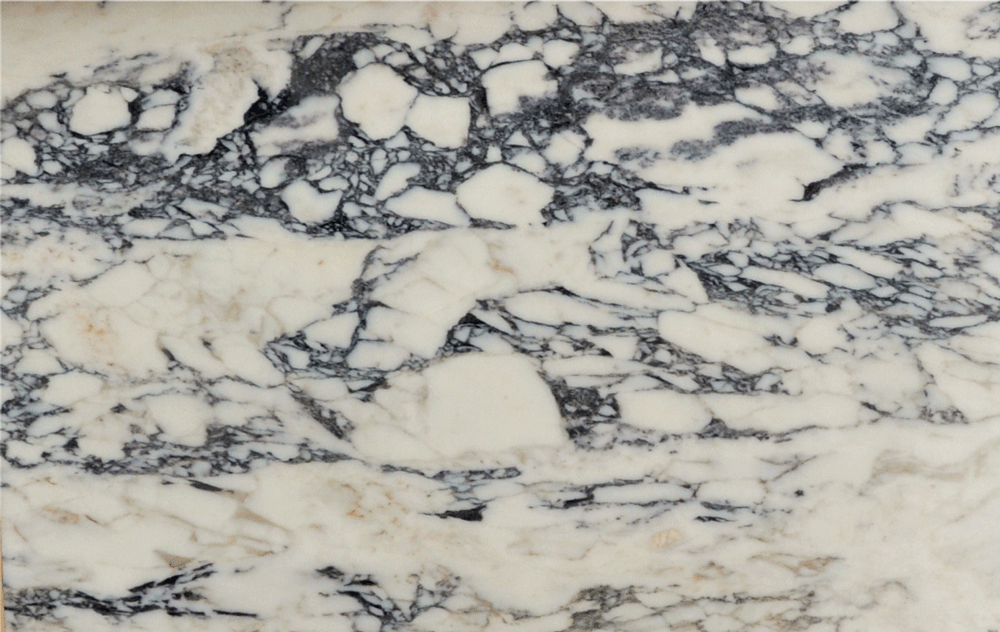
Volakas Dolomite Slab
View Material →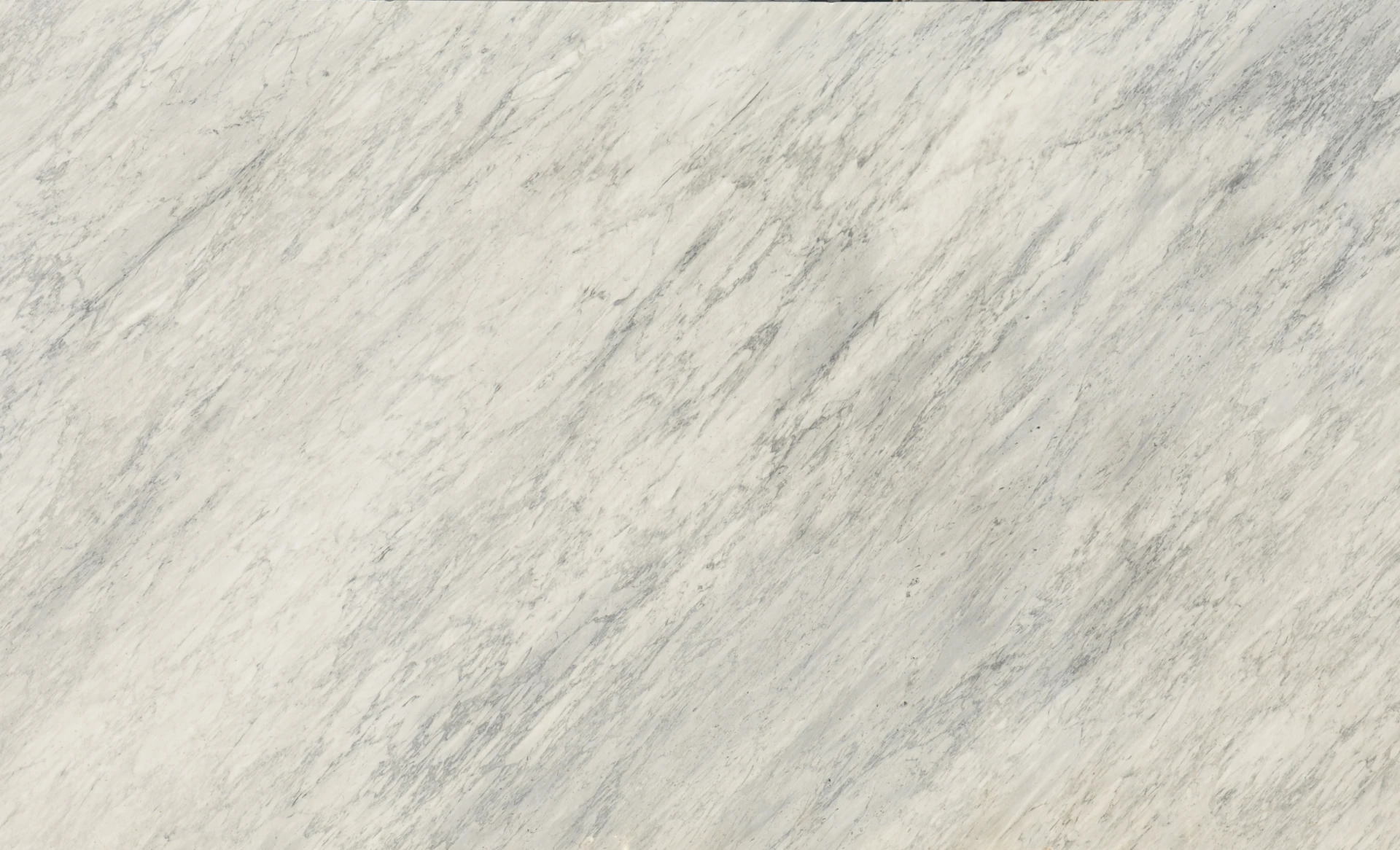
Arabescato Carrara Dolomite Slab
View Material →
Bianco Carrara Dolomite Slab
View Material →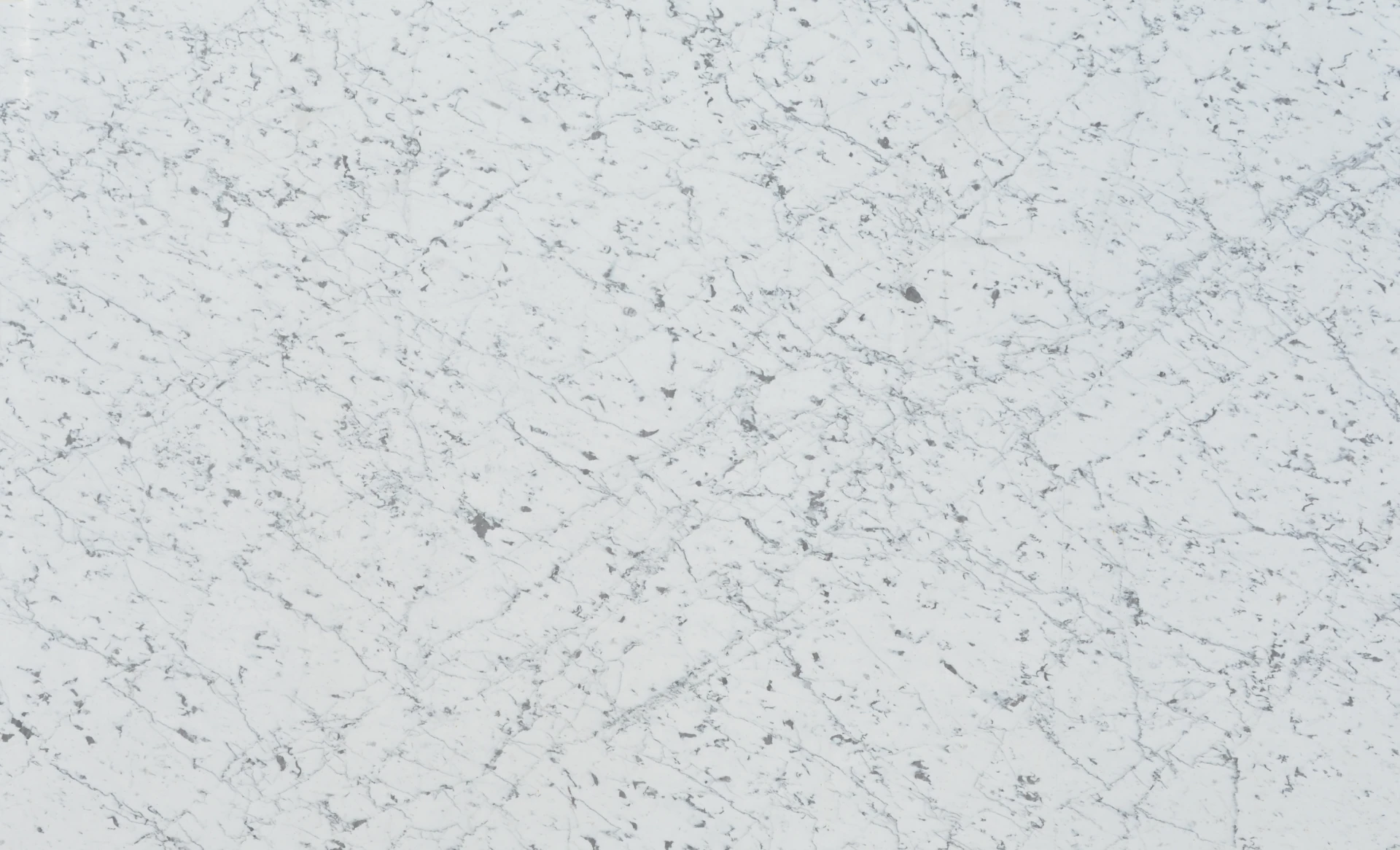
Carrara Dolomite Slab
View Material →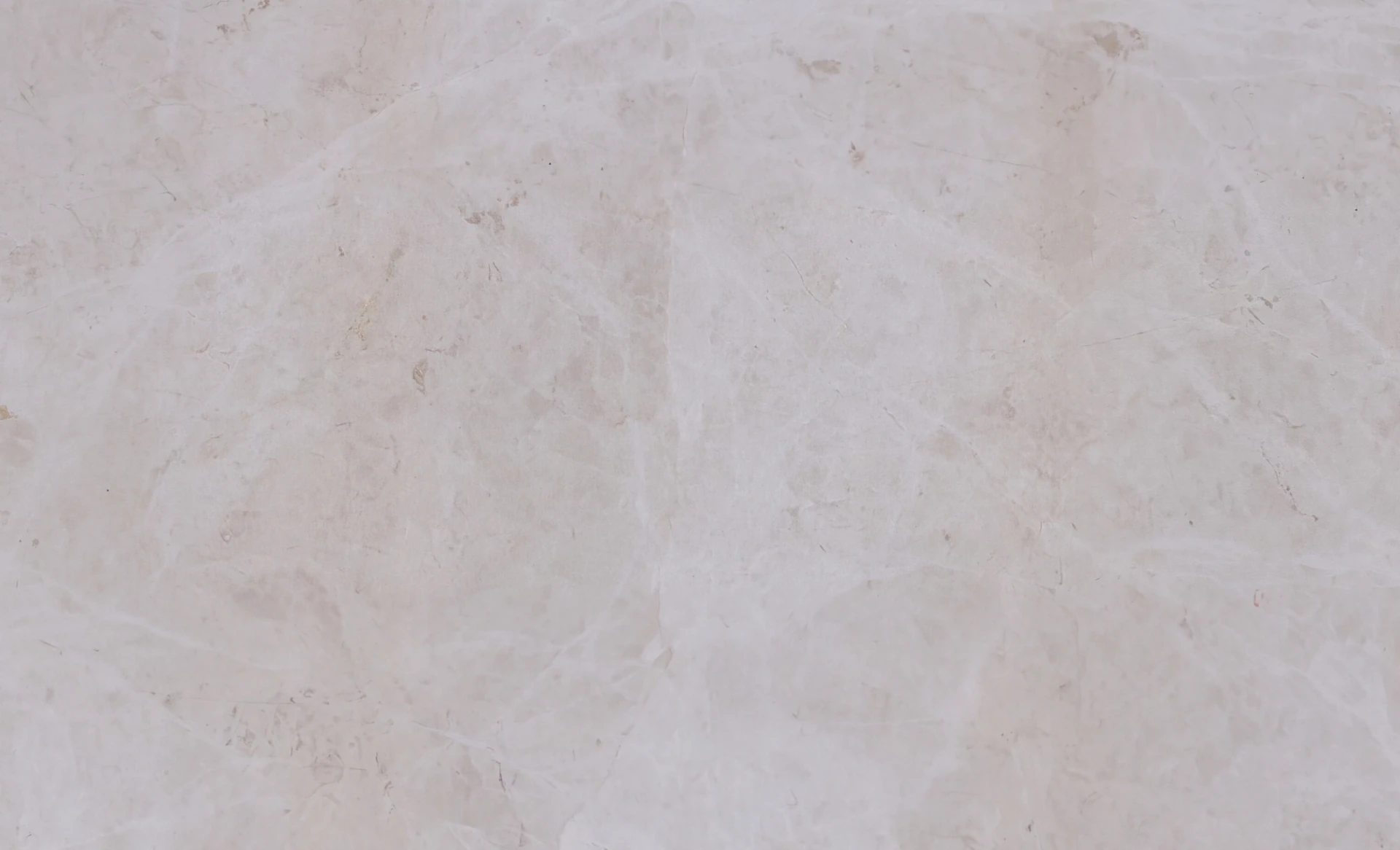
Crema Bella Burdur Beige Marble Slab
View Material →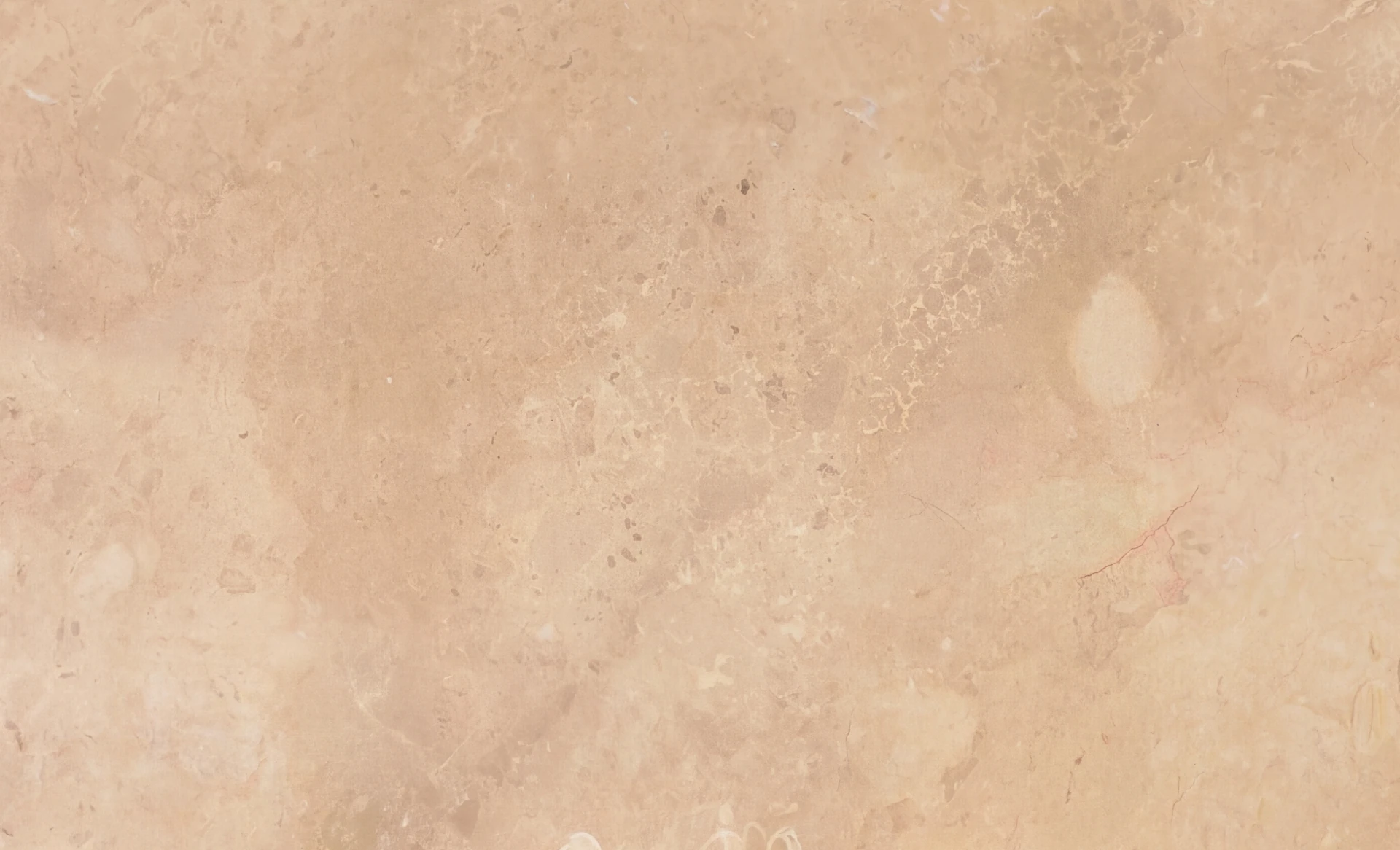
Crema Foret Sivrihisar Beige Marble Slab
View Material →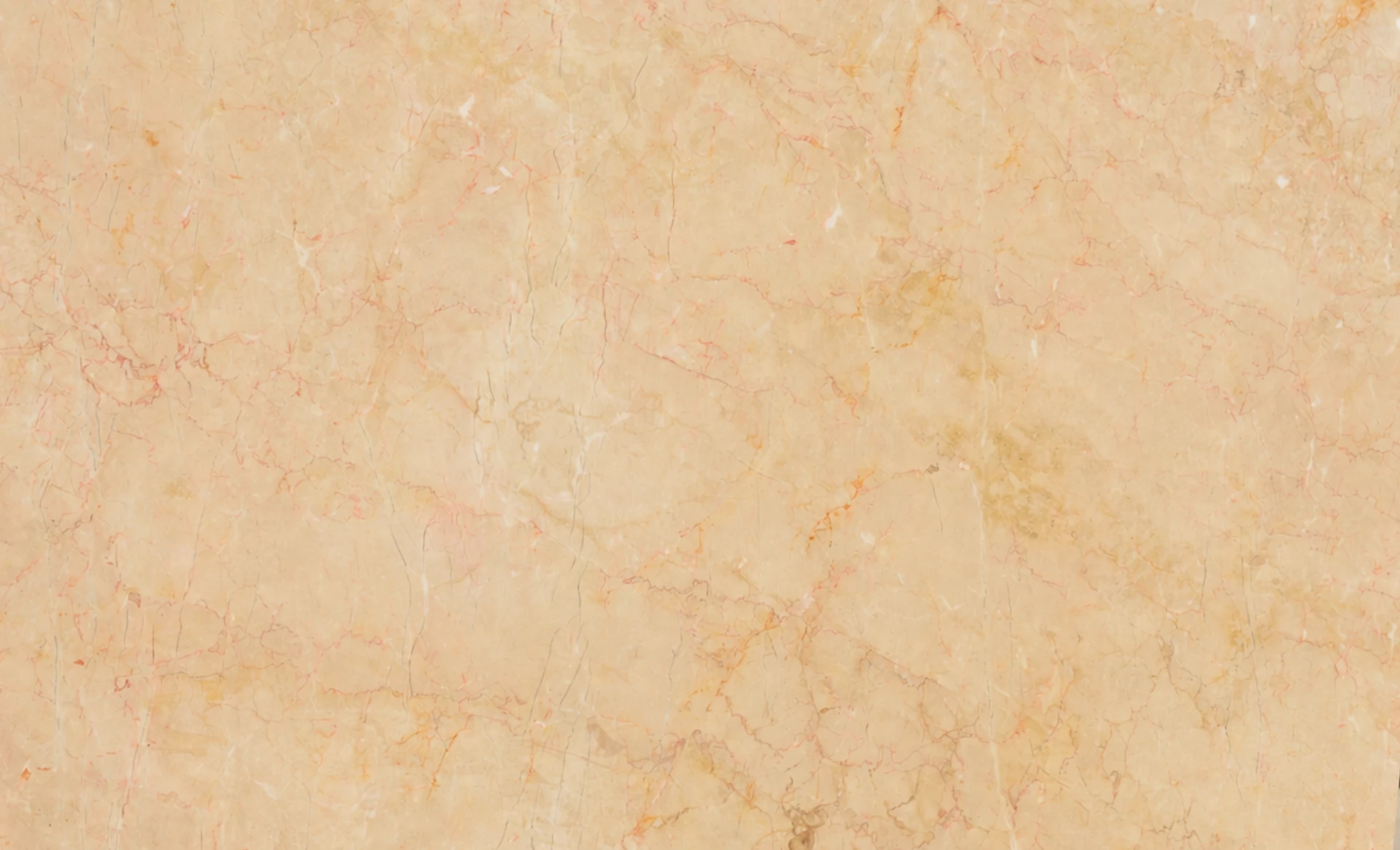
Luna Piera Sivrihisar Beige Marble Slab
View Material →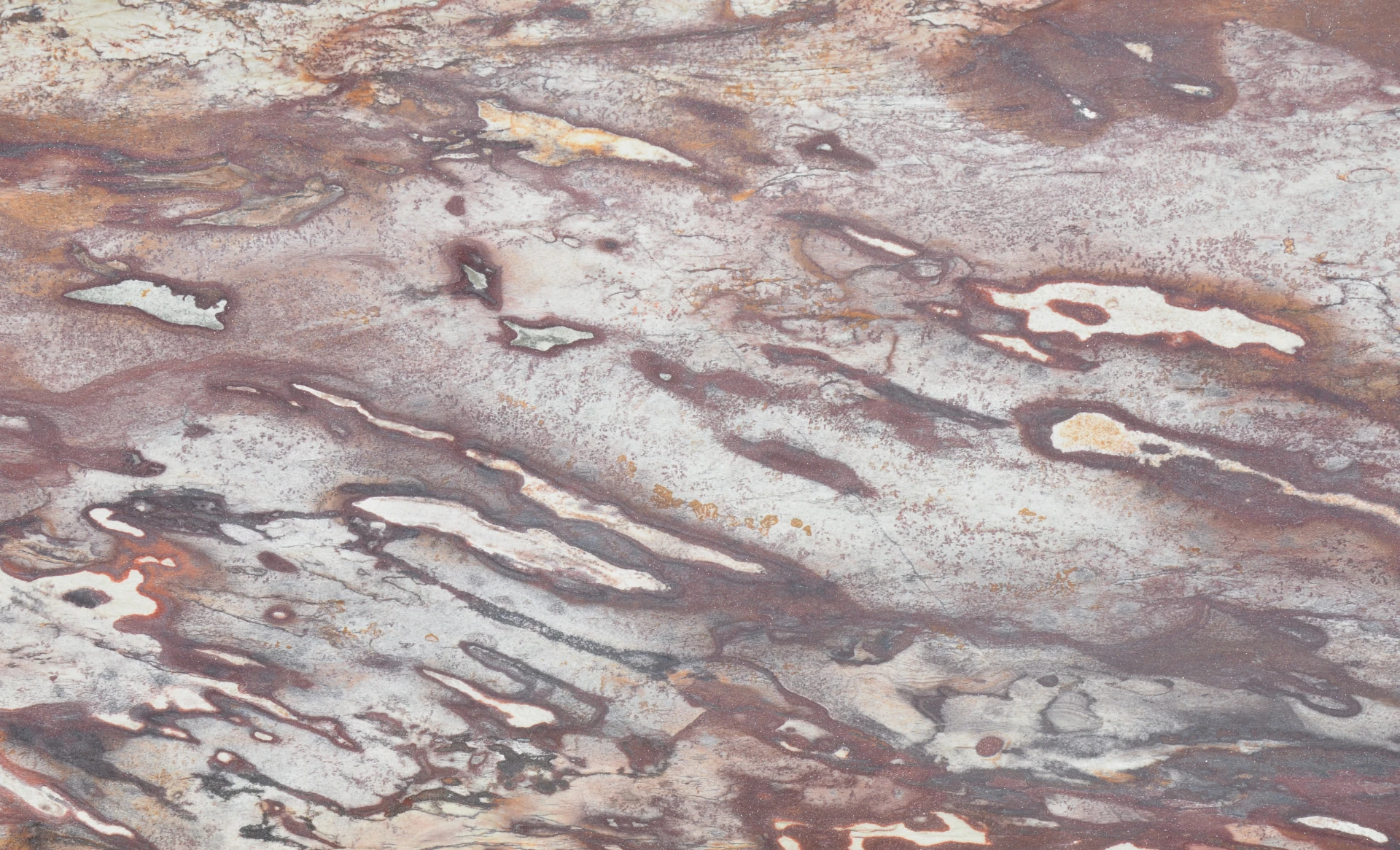
Black Leopar Quartzite Slab
View Material →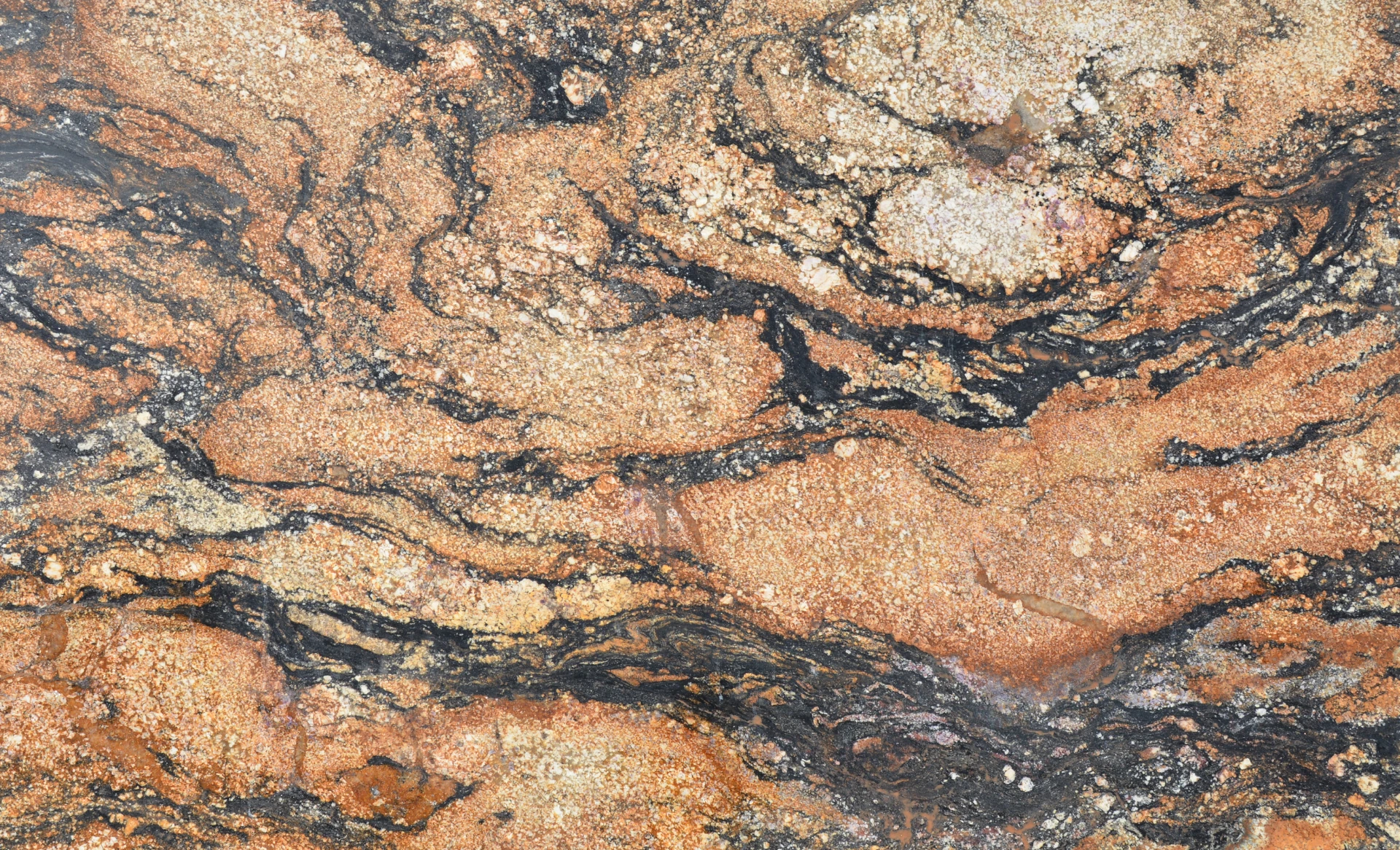
Magma Gold Quartzite Slab
View Material →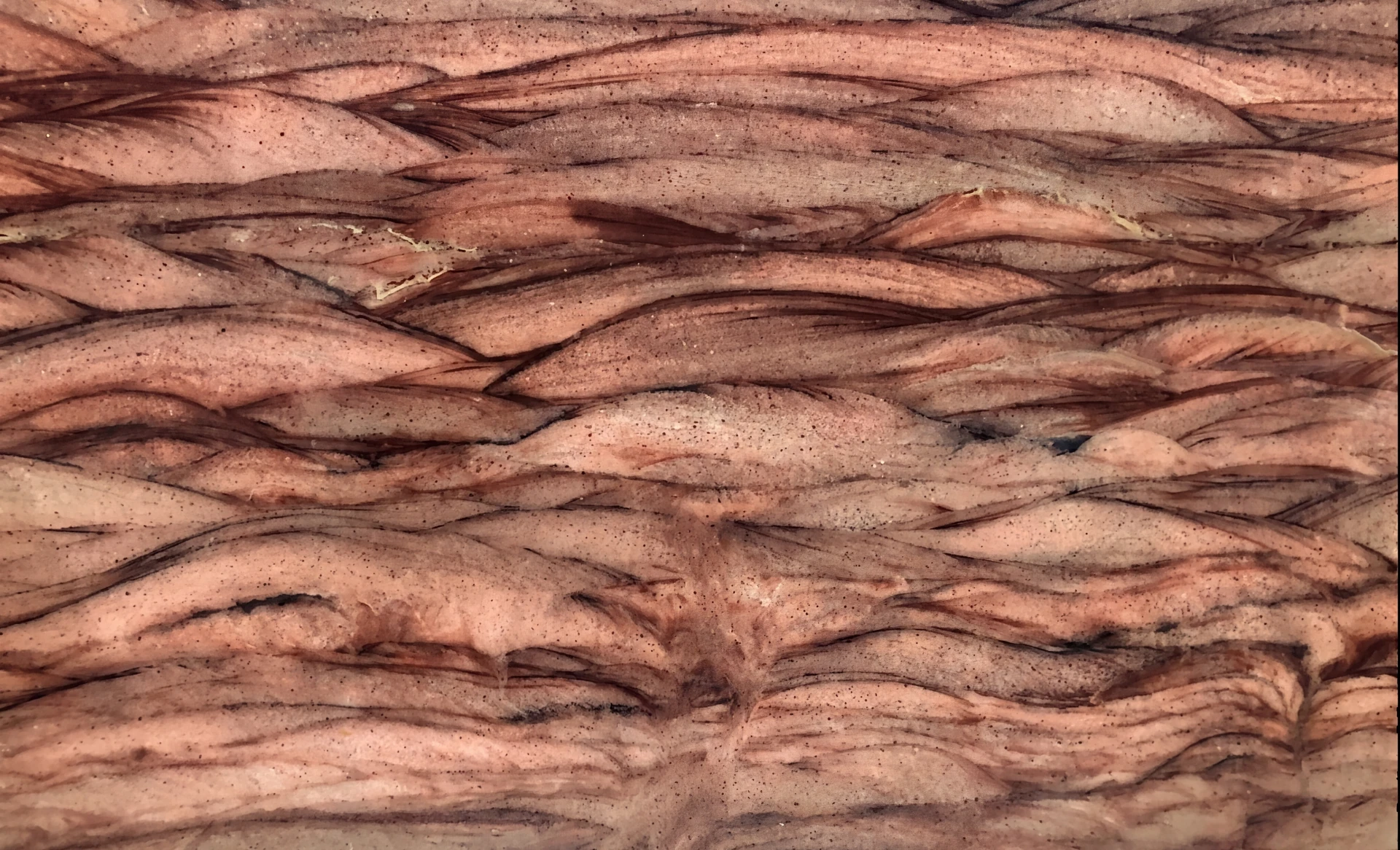
Red Colinas Quartzite Slab
View Material →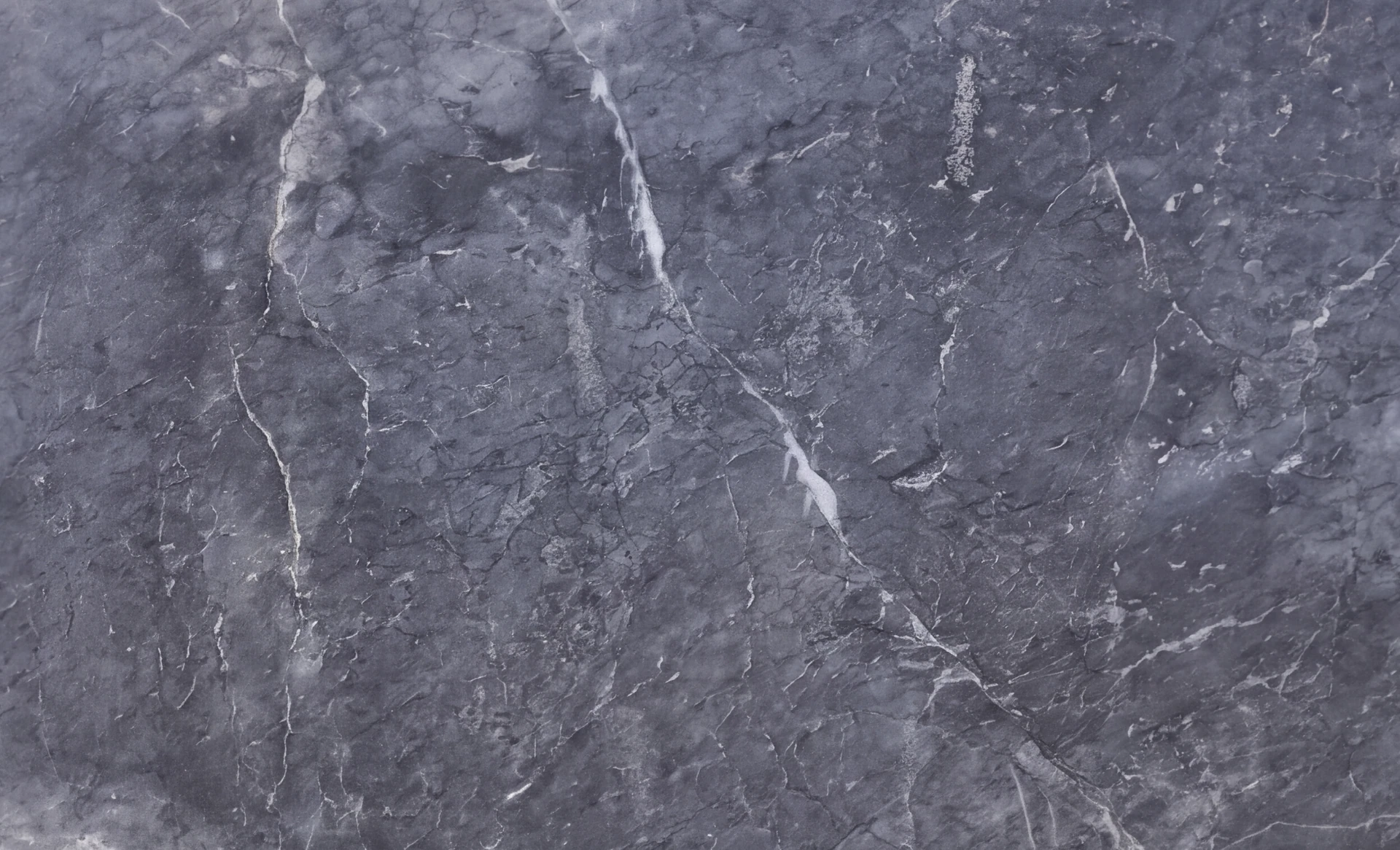
Füme Kütahya Gray Marble Slab
View Material →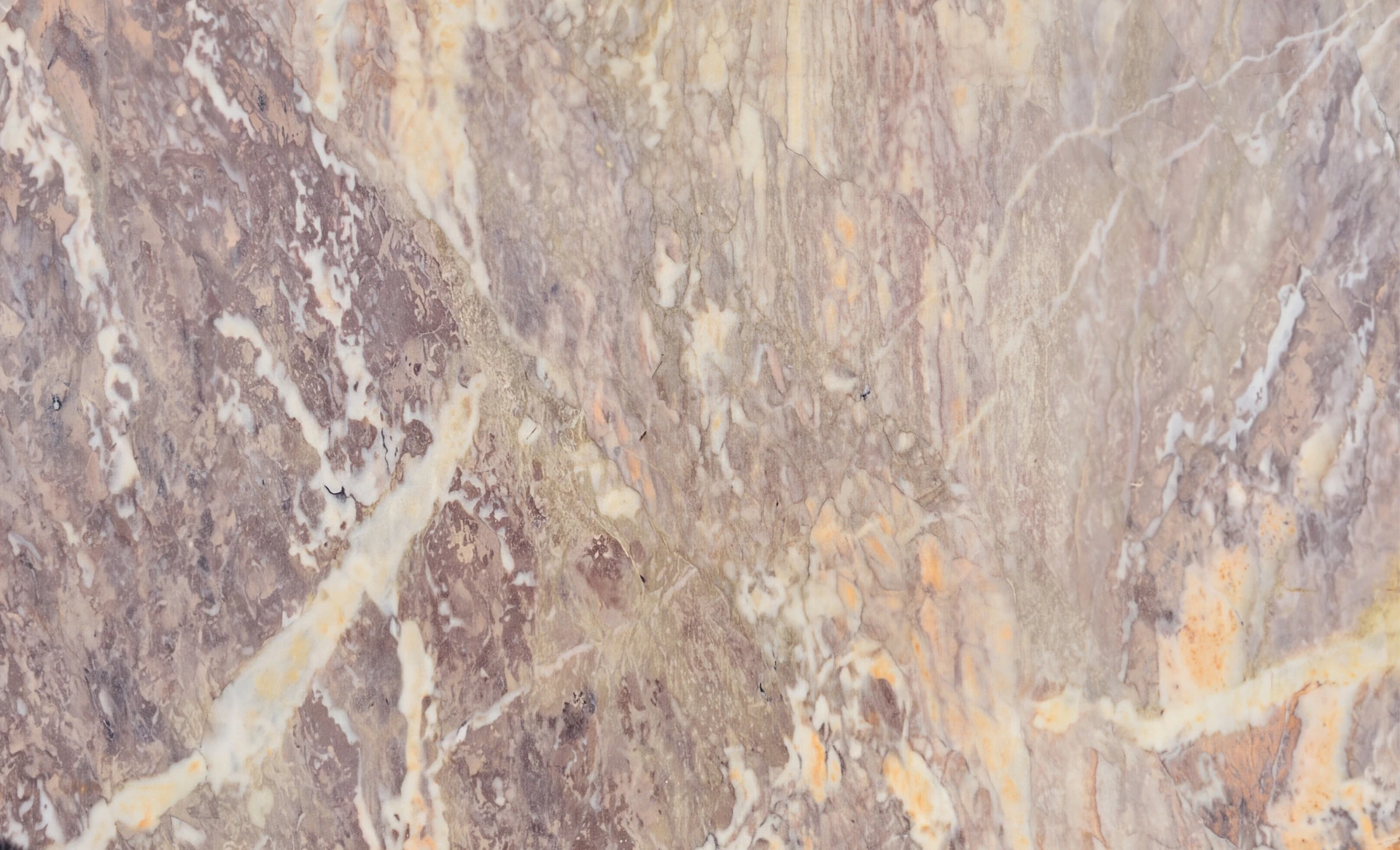
Afyon Blackberry Marble Cross Cut Slab
View Material →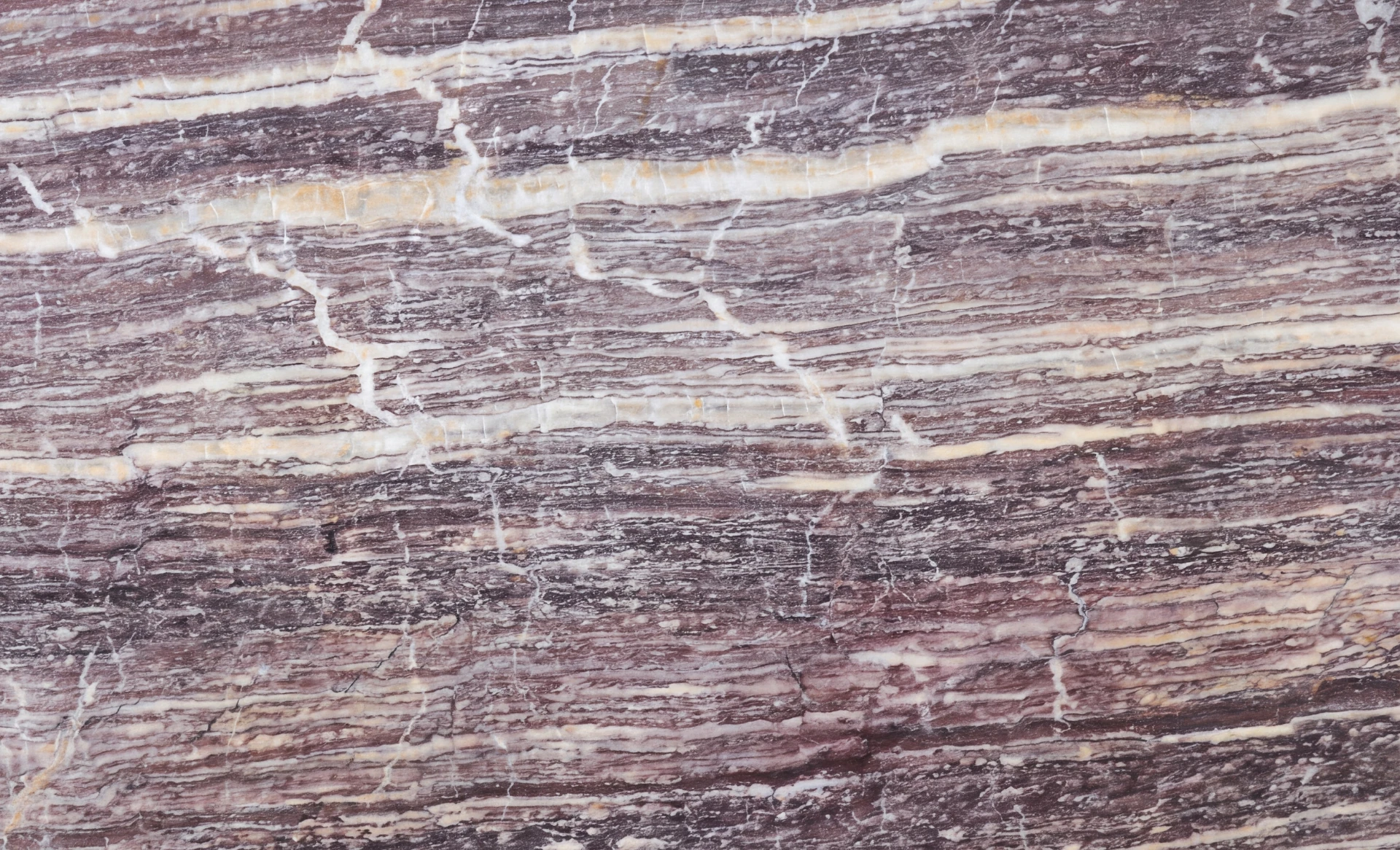
Afyon Blackberry Marble Vein Cut Slab
View Material →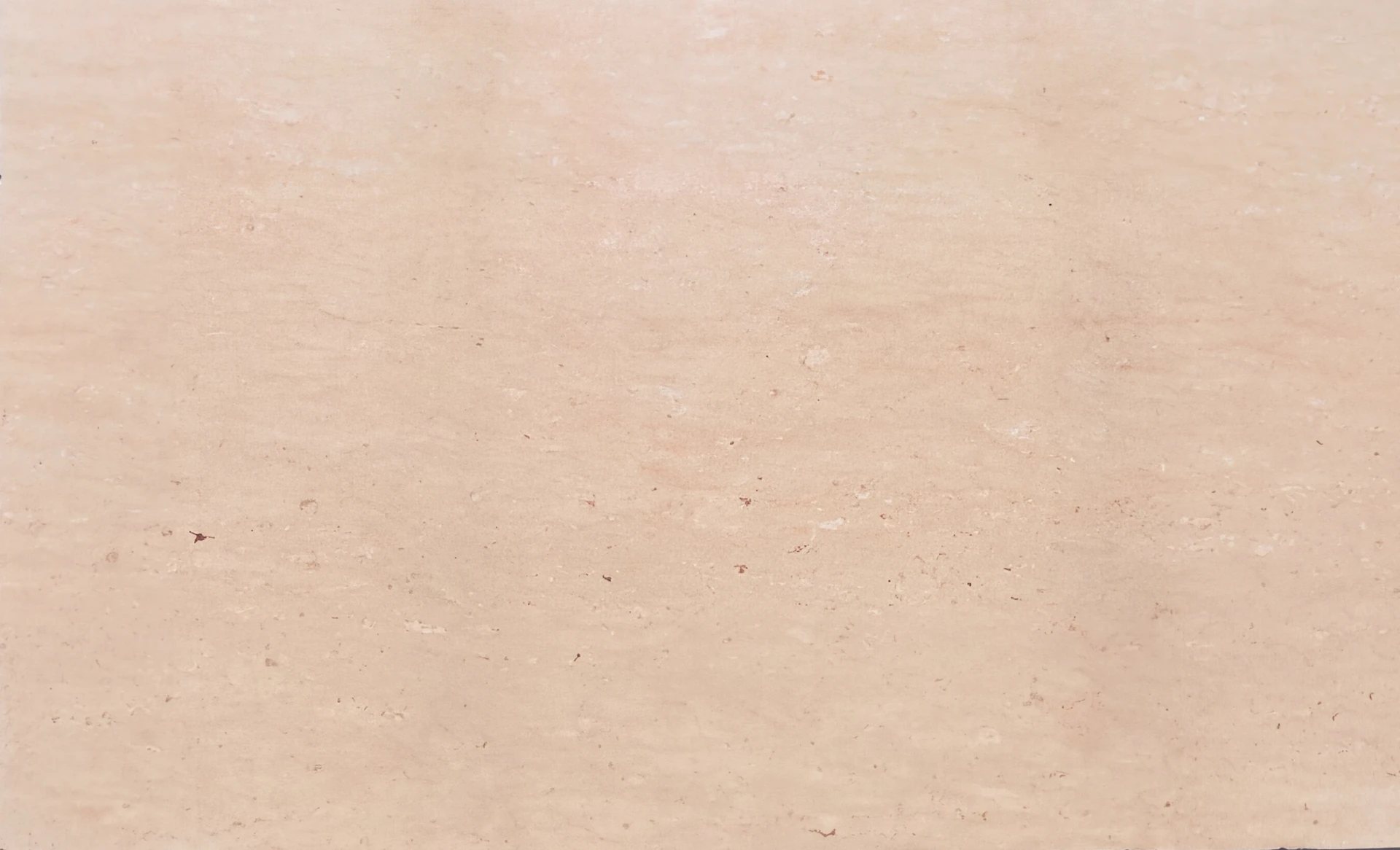
Beach Diyarbakır Beige Marble Slab
View Material →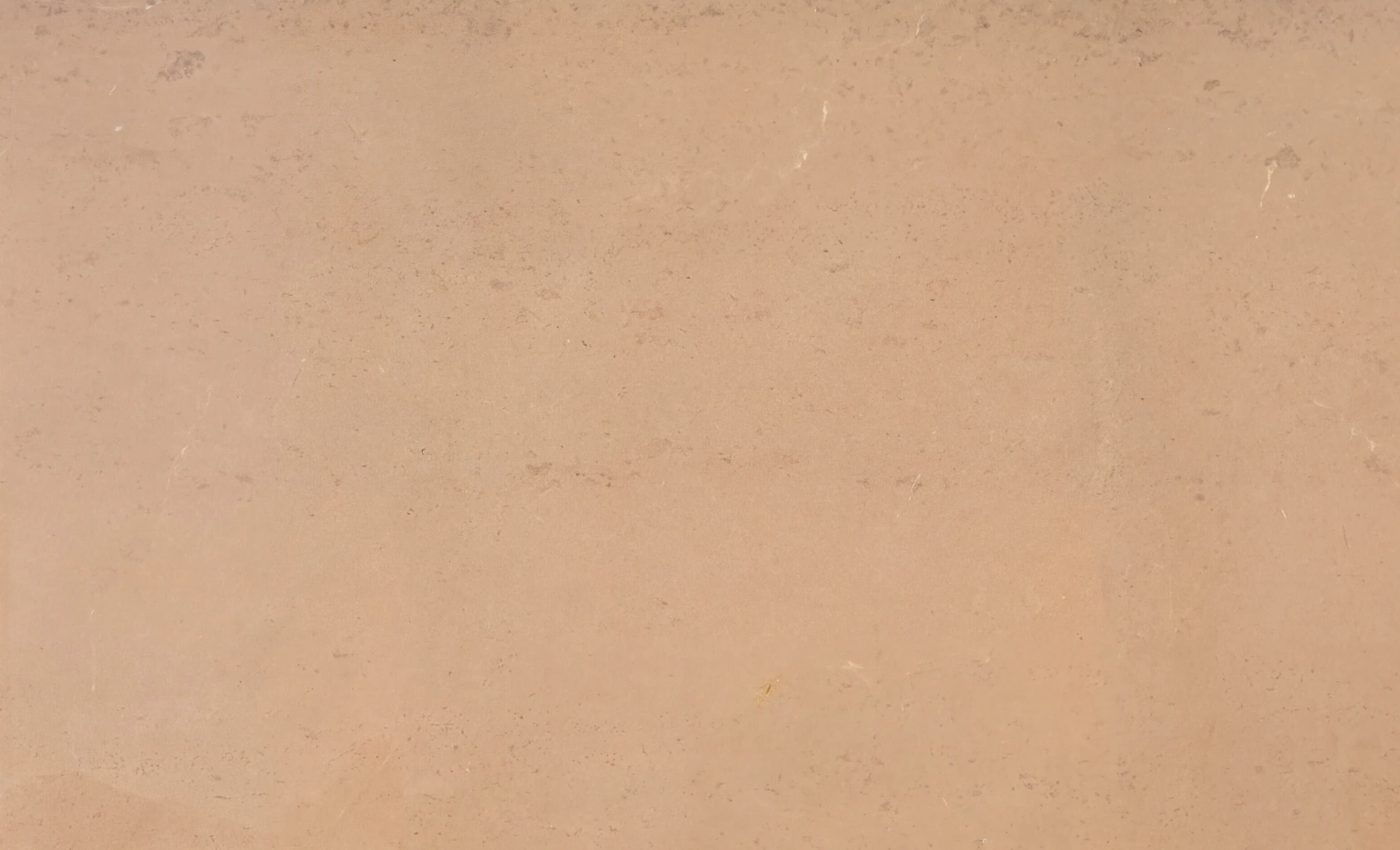
Regal Amasya Beige Marble Slab
View Material →
Sahara Amasya Beige Marble Slab
View Material →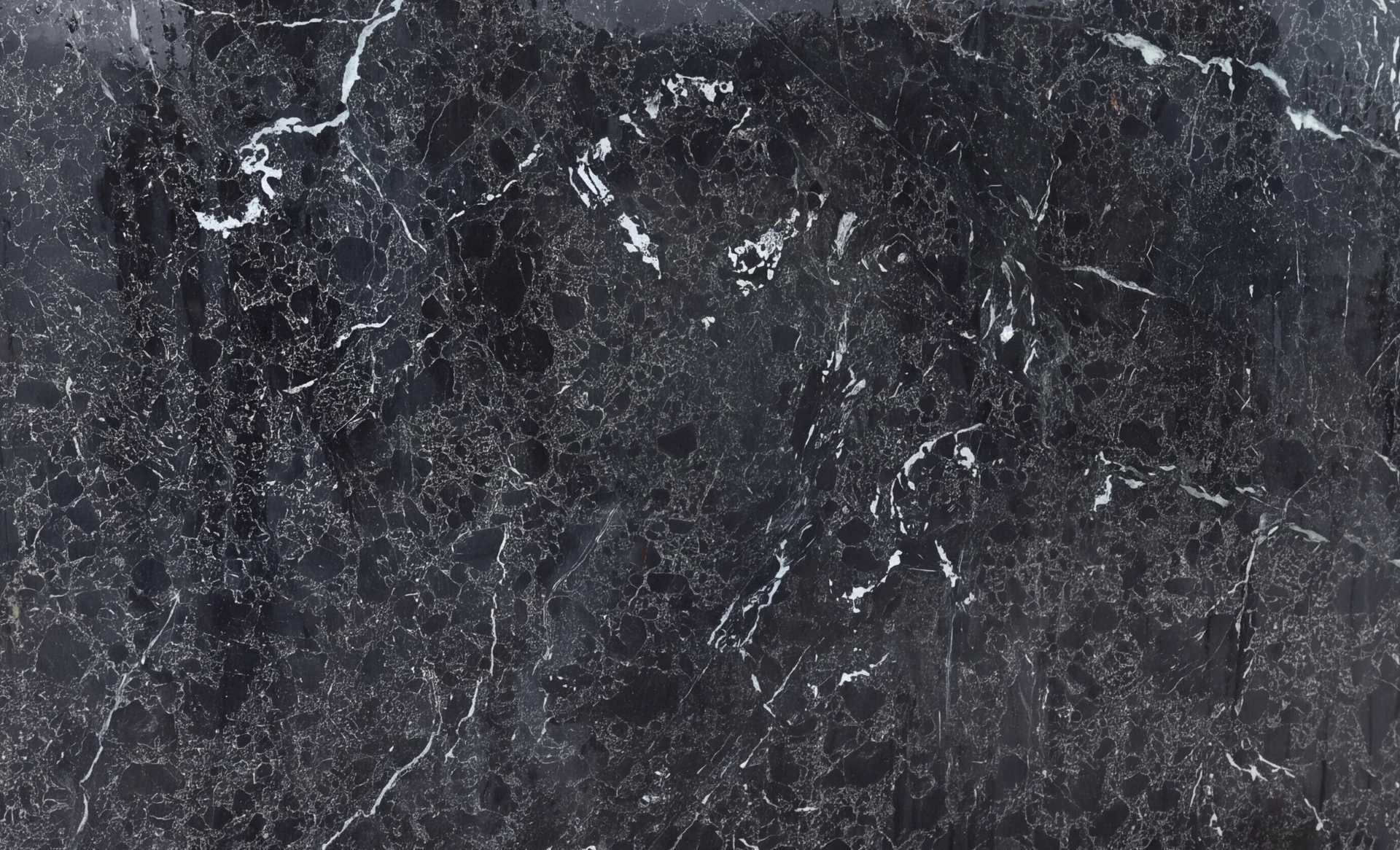
Verde Alpi Marble Slab
View Material →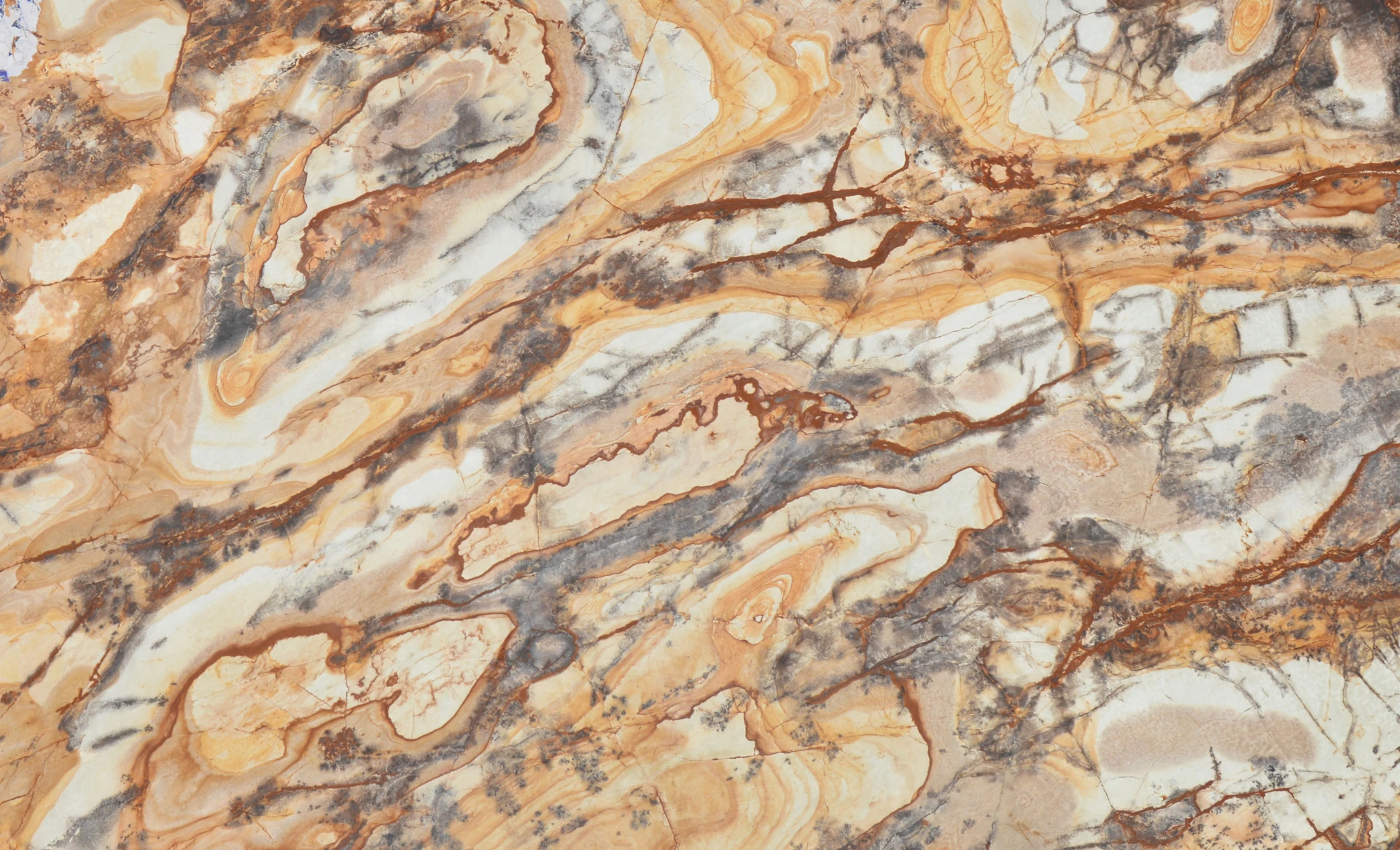
Petrified Wood Marble Slab
View Material →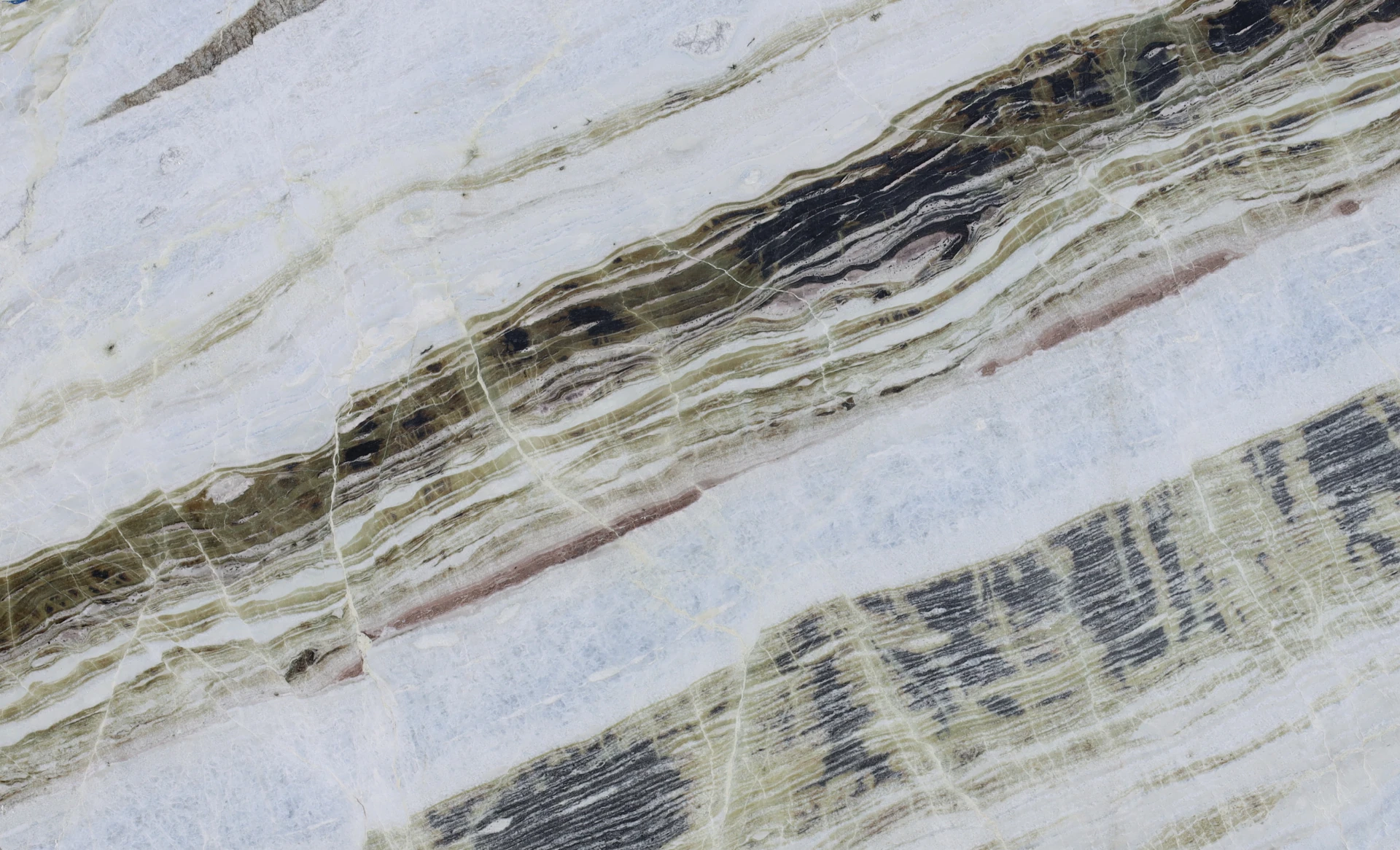
Panda Emerald Quartzite Slab
View Material →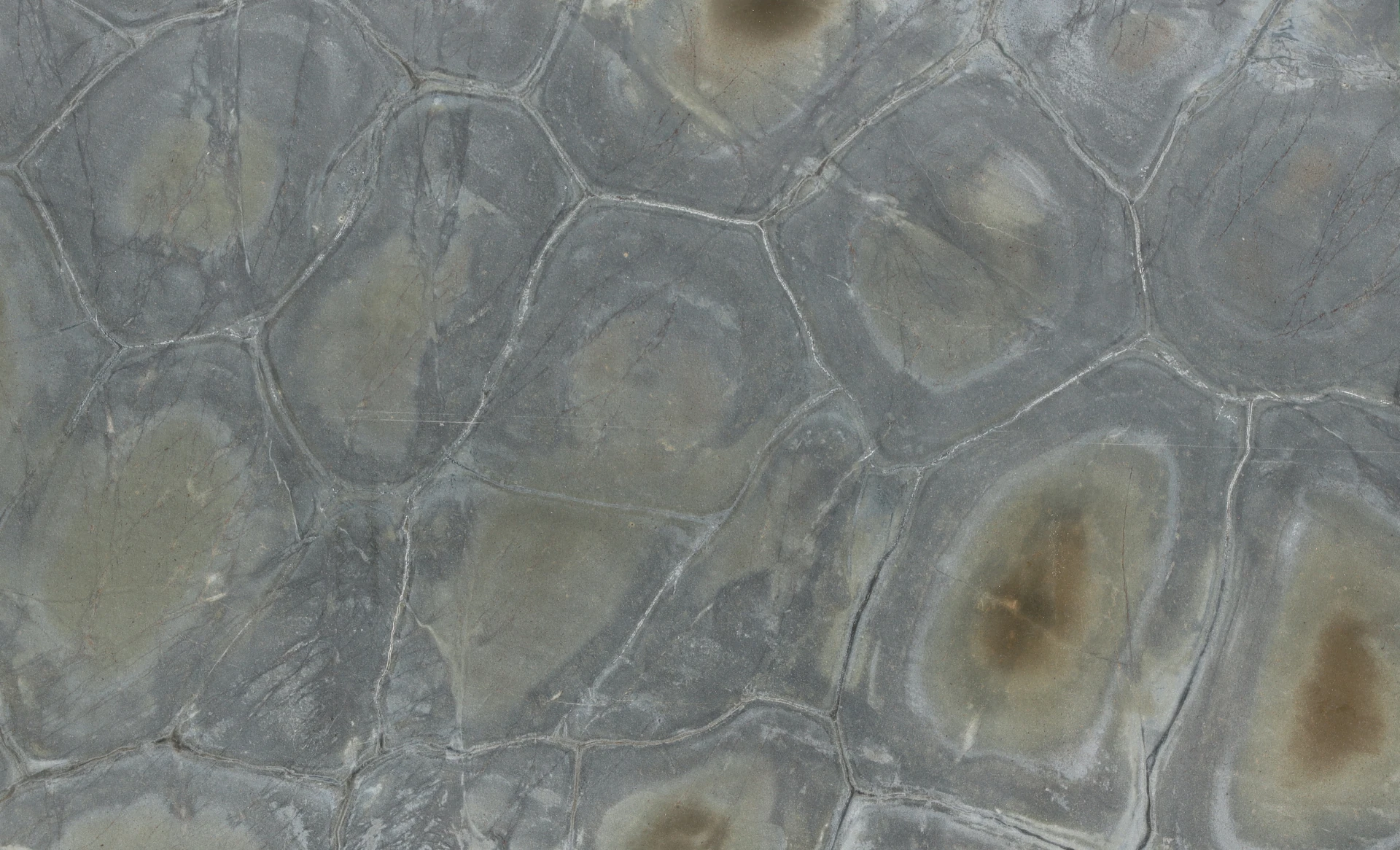
Verde Tortuga Quartzite Slab
View Material →
Muğla Sedef White Marble Slab
View Material →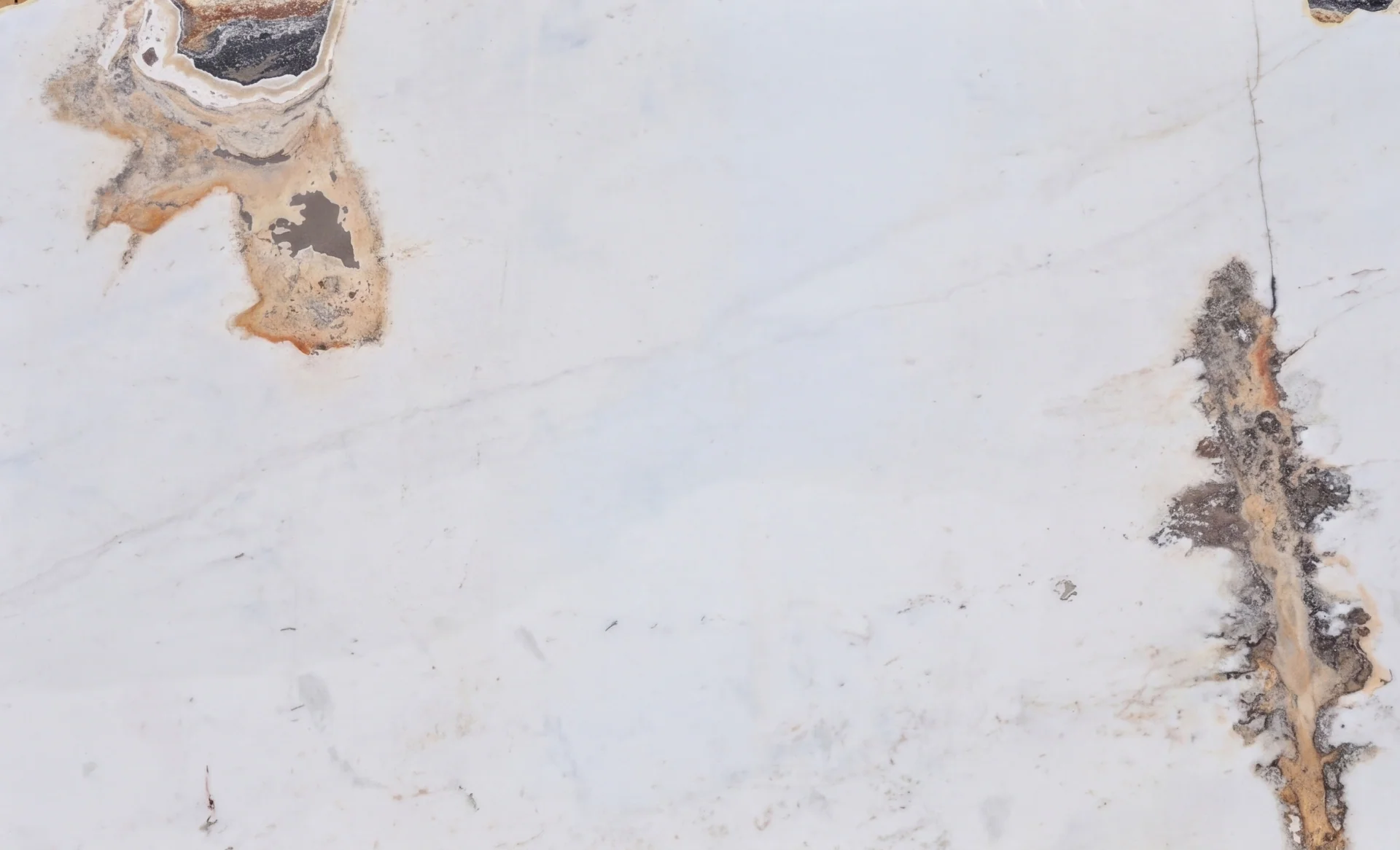
Afyon White Onyx Marble Slab
View Material →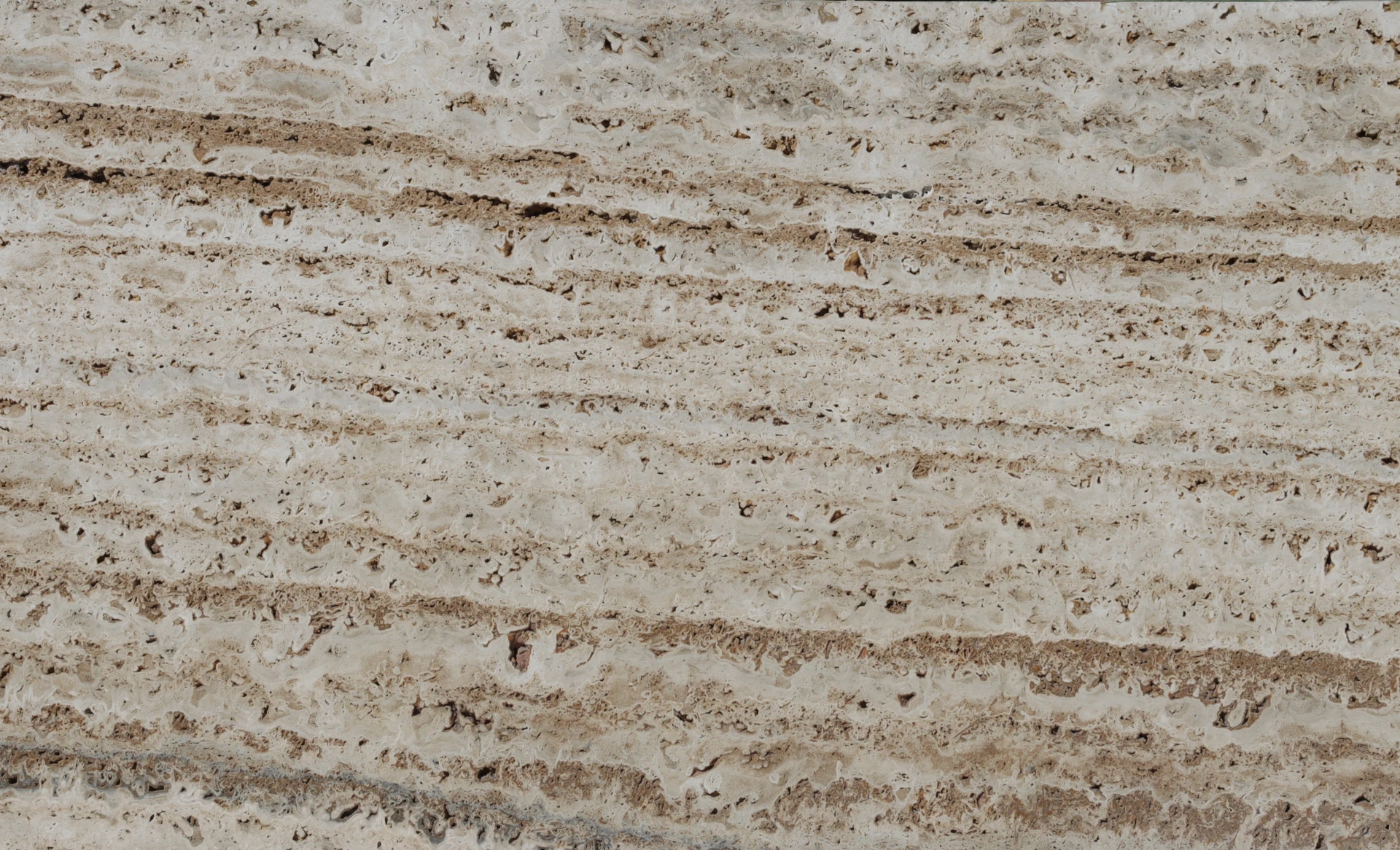
Denizli Travertine Vein Cut Slab
View Material →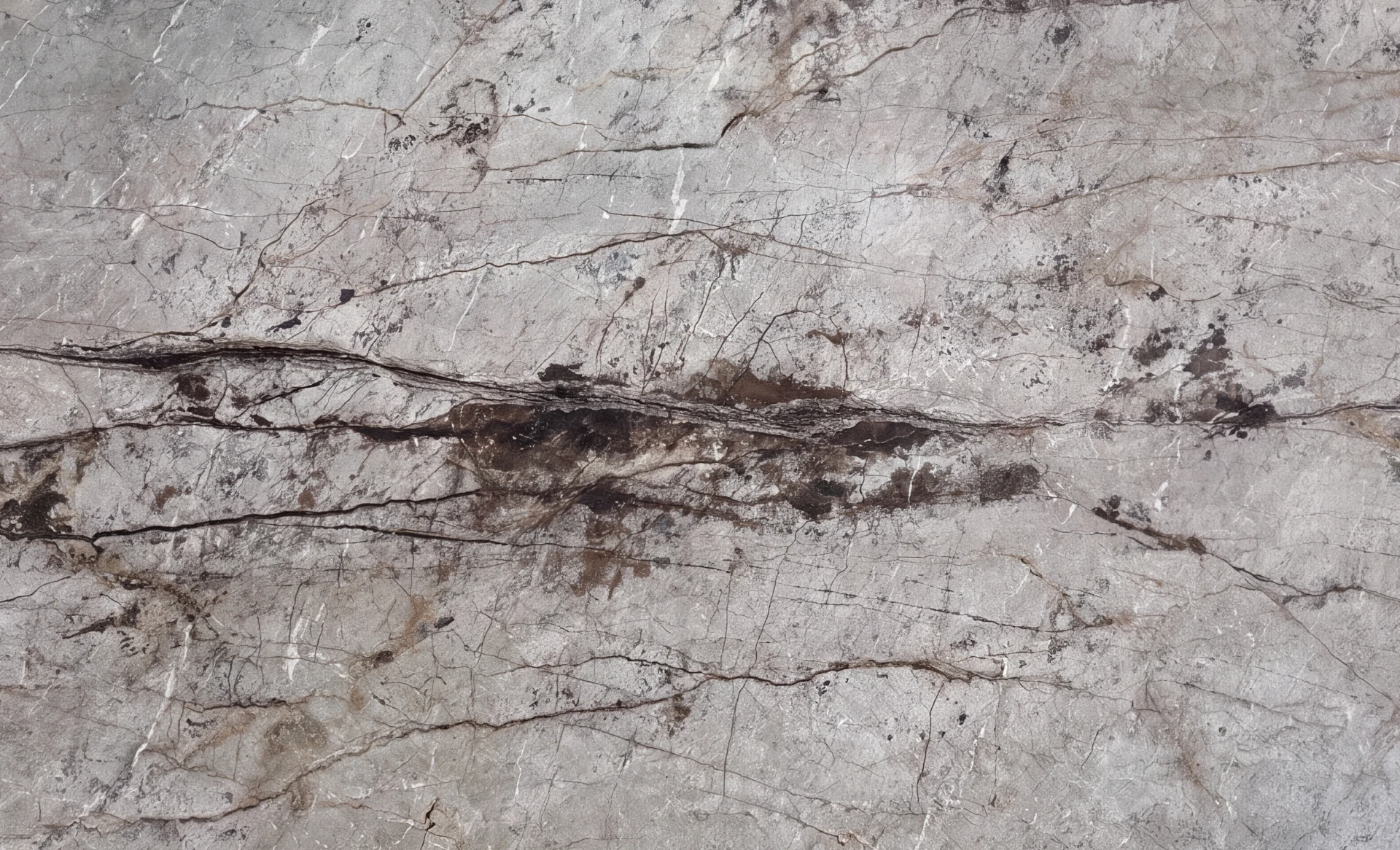
Silver Roots Marble Slab
View Material →B2B Procurement Guide: Technical Specifications and Sourcing Parameters for Natural Stone Slabs
Quarry Sourcing and Block Extraction
The procurement of high-grade natural stone slabs begins at the quarry face. Large geological blocks are extracted using diamond wire saws, chain cutters, and expansive mortars to preserve structural integrity and minimize micro-fracturing. The mineralogical composition of the deposit dictates the extraction method and subsequent processing requirements. For instance, metamorphic rocks like those found in Marble Slabs require careful tension management during cutting compared to the highly abrasive igneous formations found in Granite Slabs. Understanding the quarry's yield capacity, geological bedding planes, and block grading standards is critical for commercial projects requiring high volume and color consistency. Slabs are sliced from these blocks using multi-wire gang saws, which ensure uniform thickness across the entire surface area.
Dimensional Standards and Tolerances
Natural stone slabs are typically processed into standard nominal thicknesses of 20mm (2 cm) and 30mm (3 cm). For heavy-duty commercial traffic, structural cantilevers, or specialized architectural elements, custom thicknesses (e.g., 40mm to 50mm) must be specified.
- 20mm Slabs: Primarily utilized for vertical cladding, interior wall panels, and low-impact horizontal surfaces. They offer a lower dead load on building structures.
- 30mm Slabs: The industry standard for high-traffic countertops, stair treads, and structural thresholds, providing superior flexural strength.
- Dimensional Tolerances: Standard calibration tolerances must align with ASTM or EN standards, typically allowing a maximum deviation of ±1mm in thickness and ±2mm in overall length and height. Flatness tolerances must also be monitored to prevent lippage during installation.
Surface Finishing and Processing
The selection of surface finishes directly impacts both the aesthetic performance and slip resistance (coefficient of friction) of the stone.
- Polished: Achieved through progressive grit abrasives, highlighting the natural crystallization and color depth. Ideal for interior vertical surfaces and low-traffic areas.
- Honed: A smooth, matte finish with no visible sheen. This finish is highly recommended for high-traffic commercial flooring to mitigate slip hazards and reduce visible wear.
- Brushed/Leathered: Texturized using diamond-tipped brushes, providing tactile depth while sealing micro-fissures.
- Unfilled vs. Filled: Particularly relevant when sourcing Travertine Slabs, where natural voids can either be filled with synthetic resins/cement or left unfilled for a rustic, architectural aesthetic.
B2B Procurement and Quality Control
To mitigate project risk, procurement professionals must establish strict quality control protocols prior to dispatch. This includes verifying block numbers to ensure vein-matching (book-matching or slip-matching) continuity across large expanses. For a comprehensive analysis of material performance characteristics, refer to our Natural Stone Comparison Guide.
- Dry-Lay Inspections: Mandatory for high-end commercial lobbies to verify color blending, vein alignment, and to pre-approve slab layouts before final installation.
- Fissure and Resin Treatment: Many natural stones undergo vacuum-epoxy resin treatment to stabilize micro-fissures. This process must be documented, specifying the type of resin used and its UV stability.
- Packaging and Logistics: Slabs must be secured in heavy-duty A-frame timber crates with protective rubber stripping to prevent transit fractures. Ocean freight logistics require moisture-absorbent materials inside containers to prevent condensation staining.
Frequently Asked Questions

Supply Notes
Sizing, finishing and selection support.
Custom sizes
Coordinate availability, production details and documentation with the Efesus Stone team.
Project finishes
Coordinate availability, production details and documentation with the Efesus Stone team.
Export packing
Coordinate availability, production details and documentation with the Efesus Stone team.