
Marble / Blocks
Marble Blocks
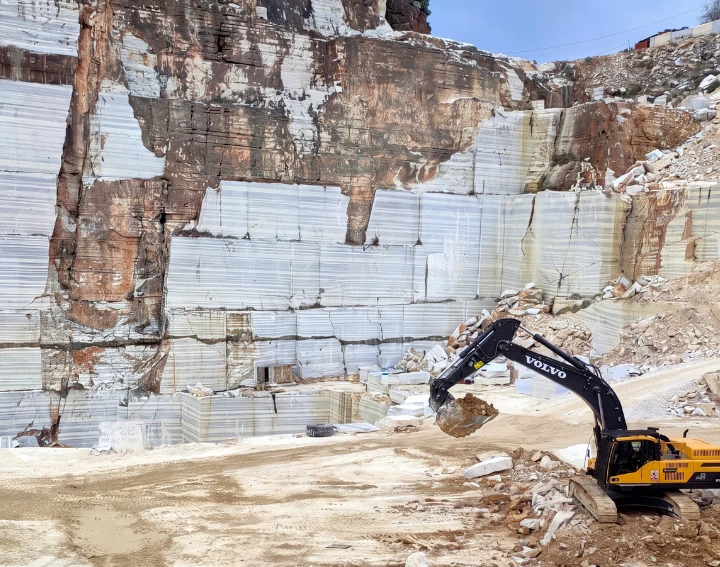
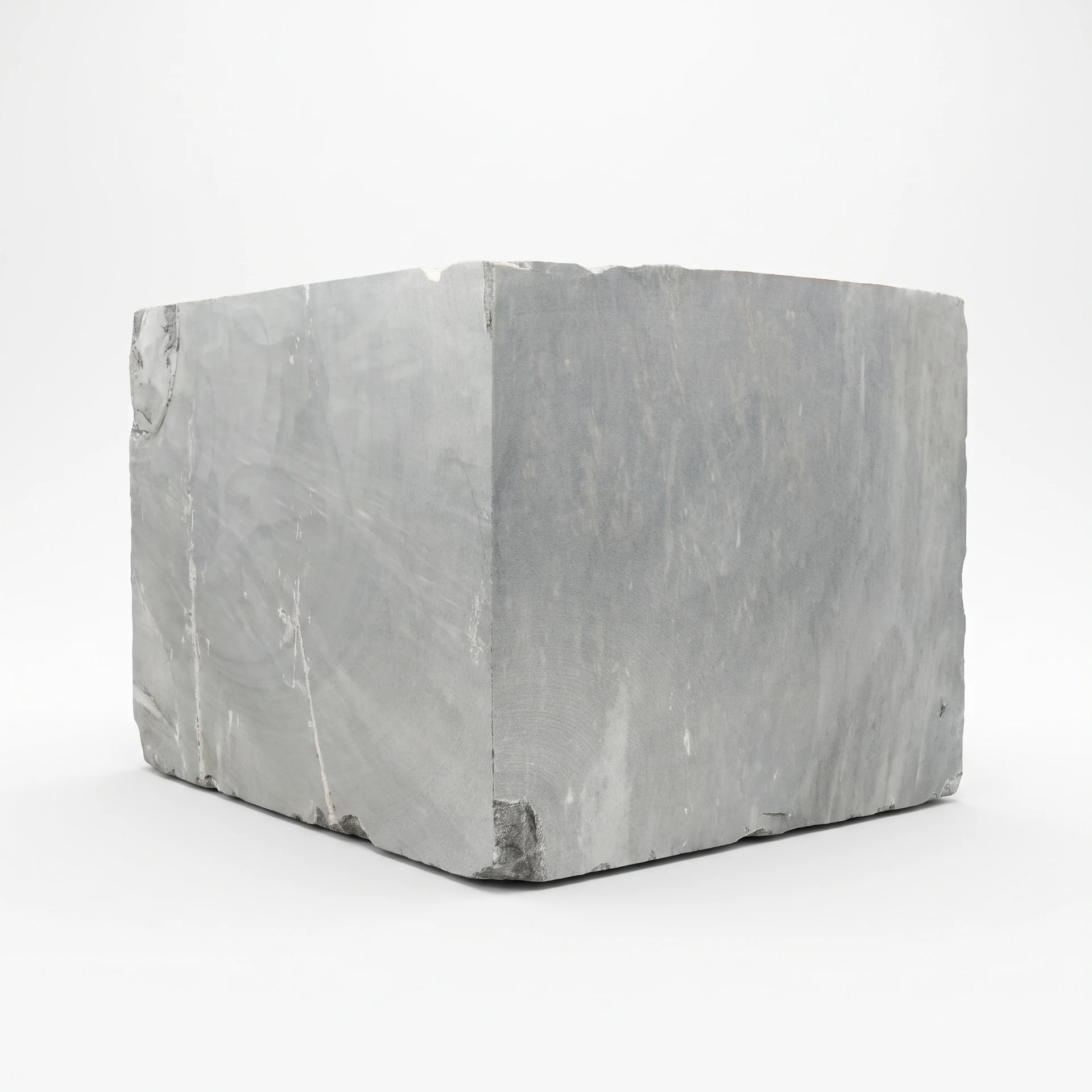
Marmara Epica Dark Marble Block
View Material →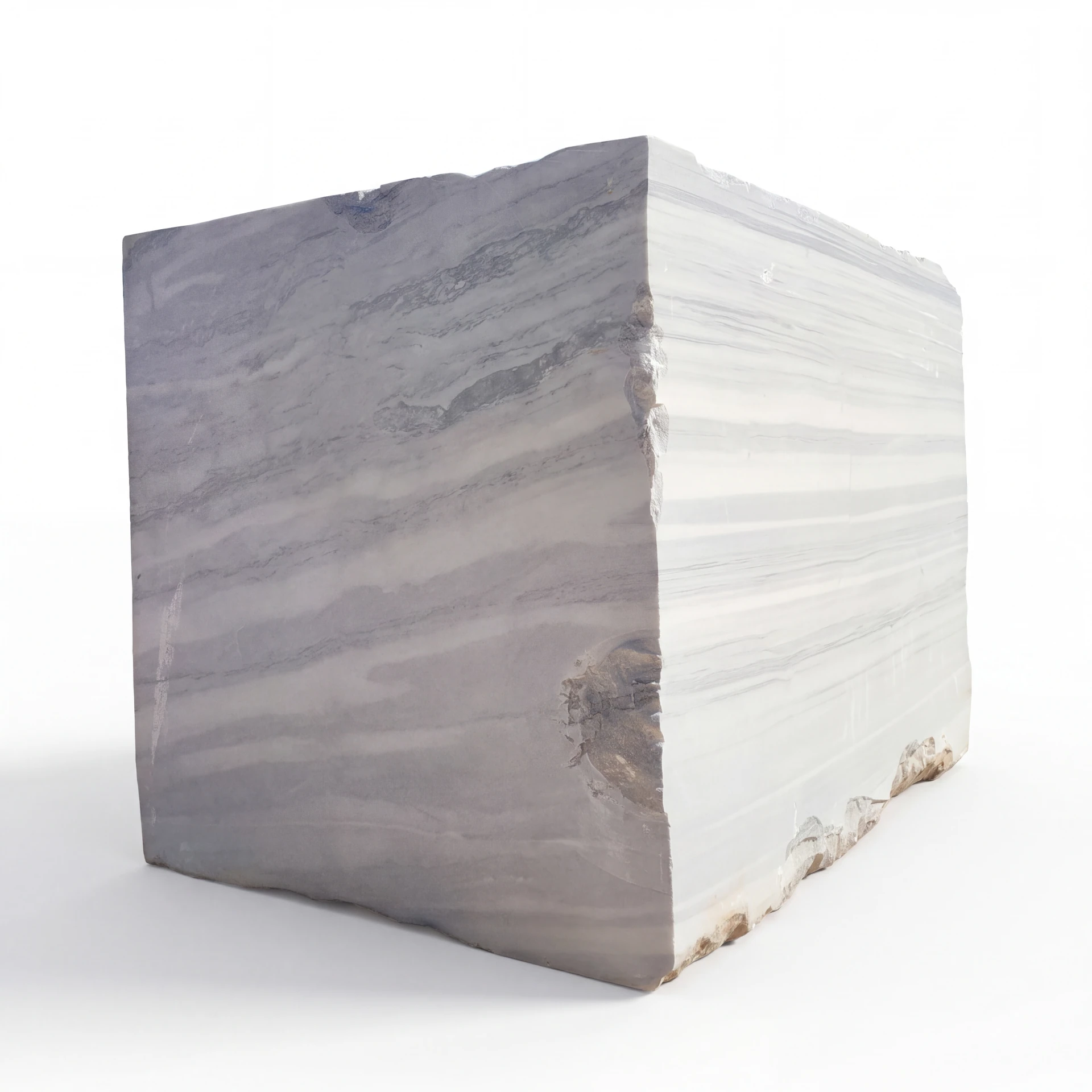
Marmara Epica Light Marble Block
View Material →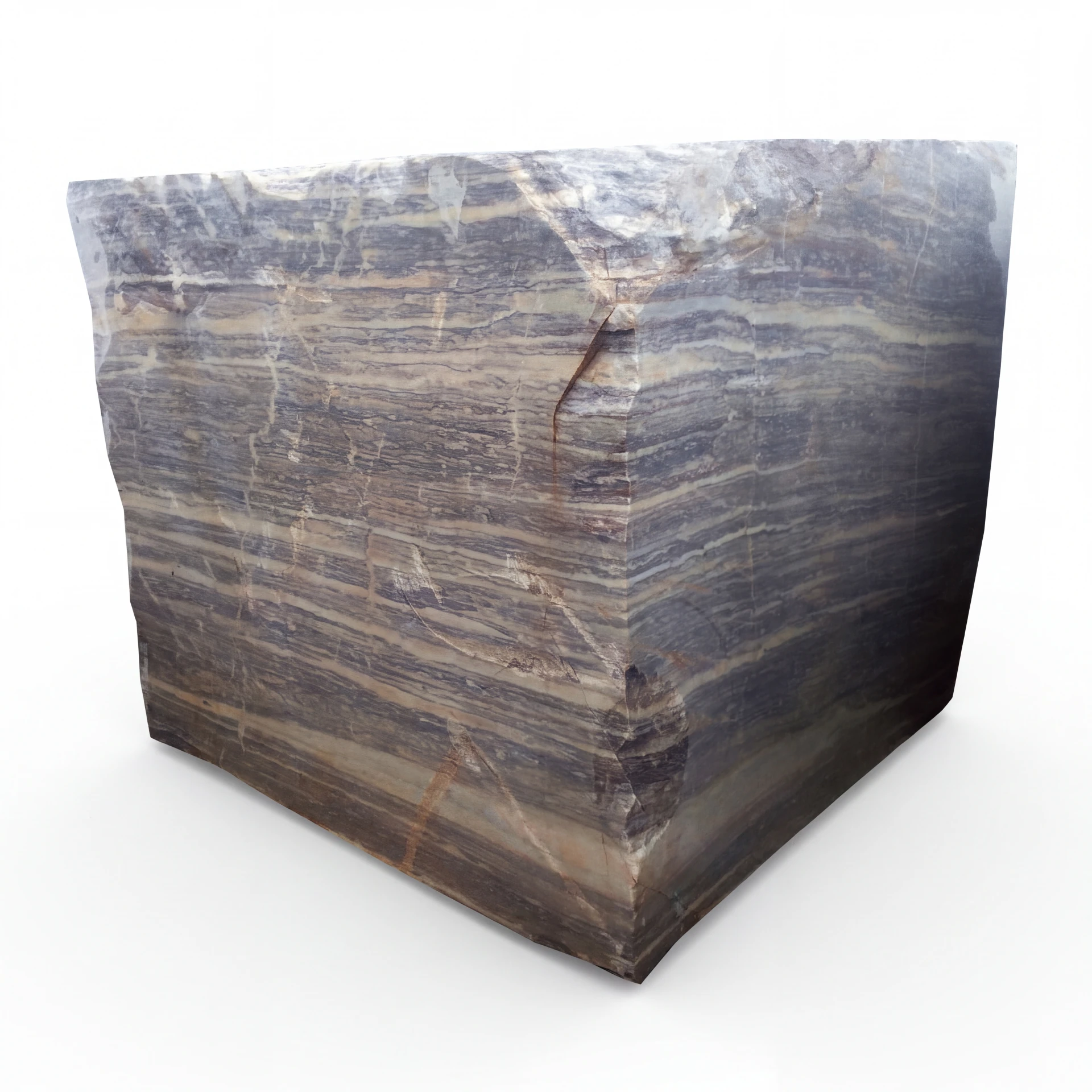
Blackberry Marble Vein Cut Block
View Material →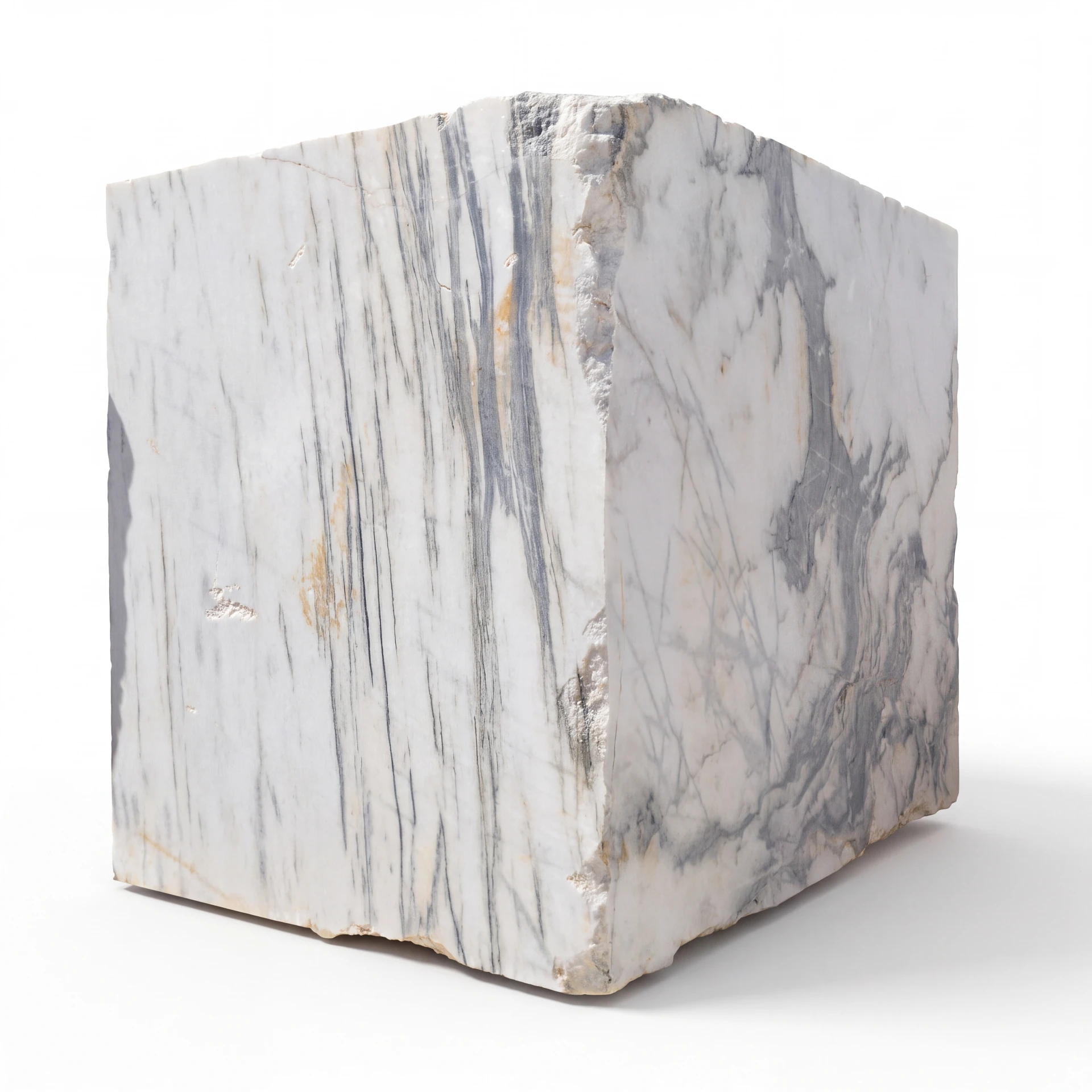
Turkish Calacatta Marble Block
View Material →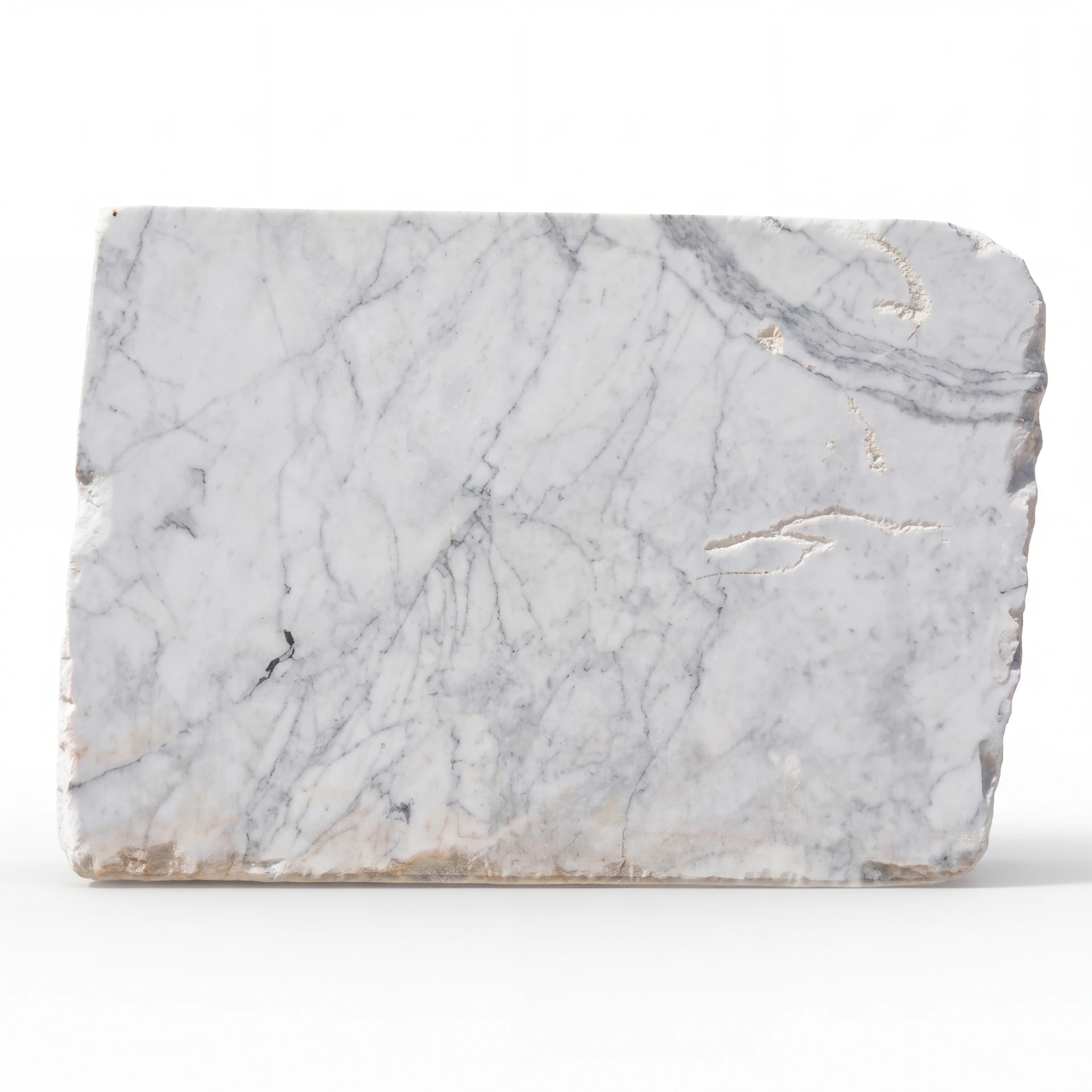
Turkish Carrara Marble Block
View Material →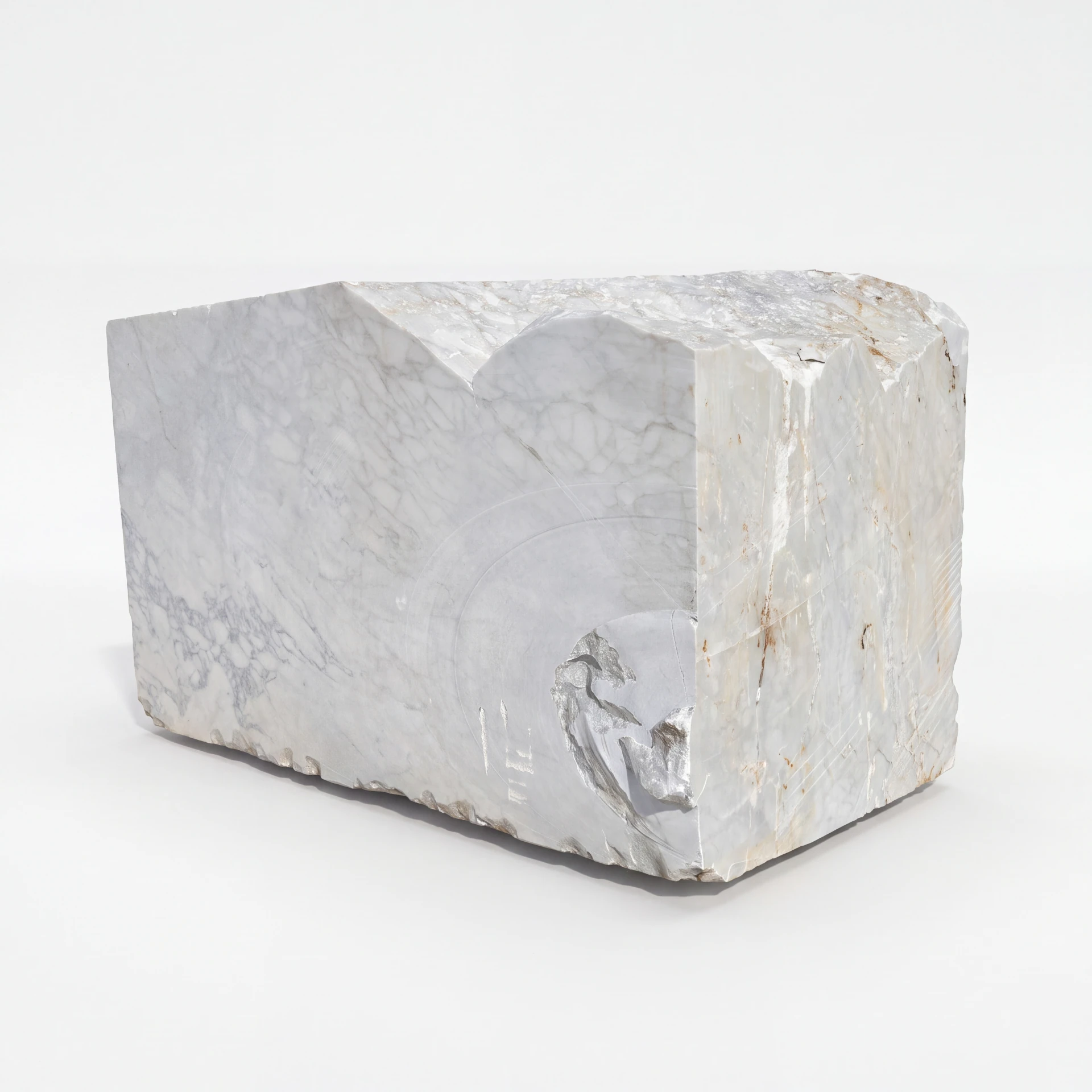
Calacatta Gold Marble Block
View Material →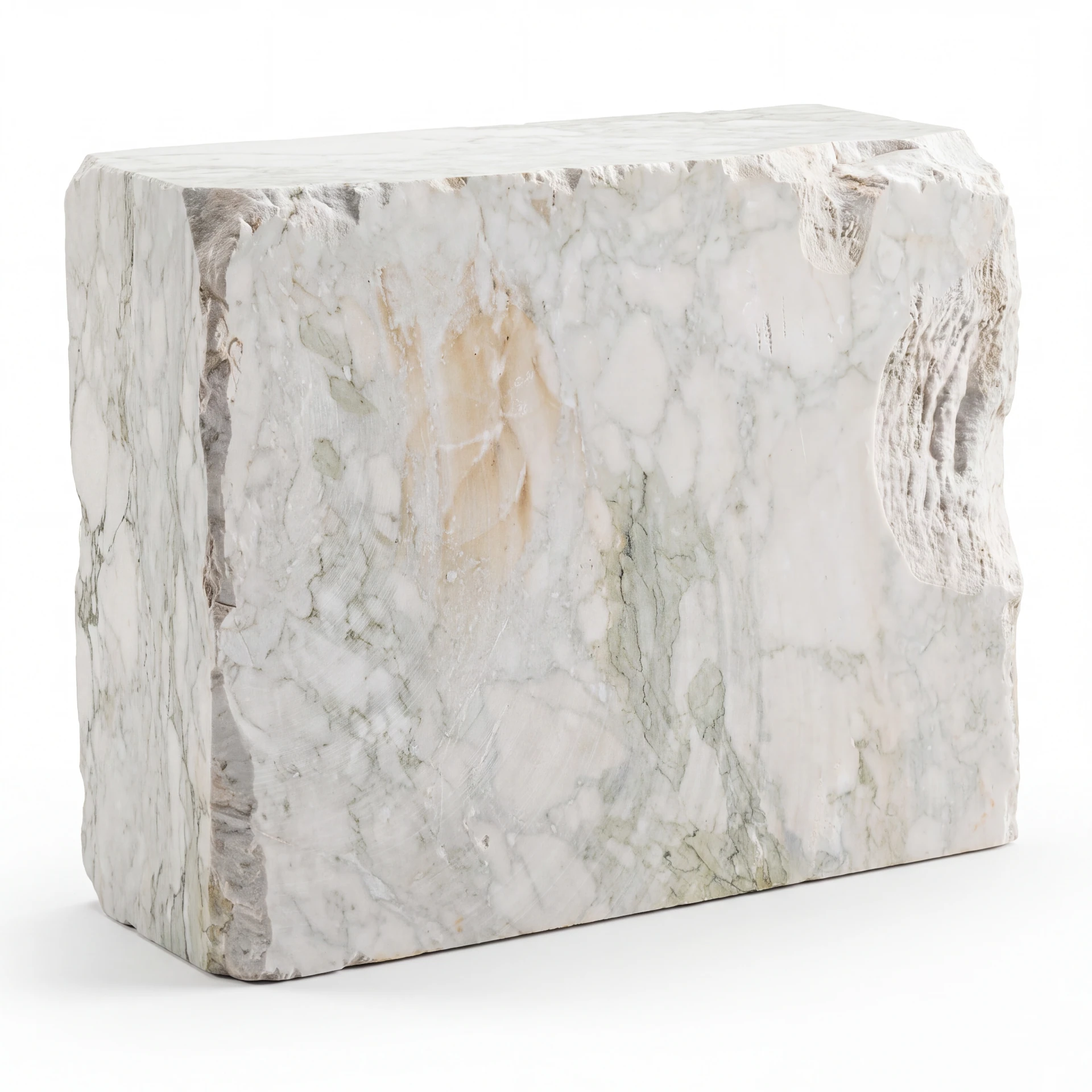
Calacatta Green Marble Block
View Material →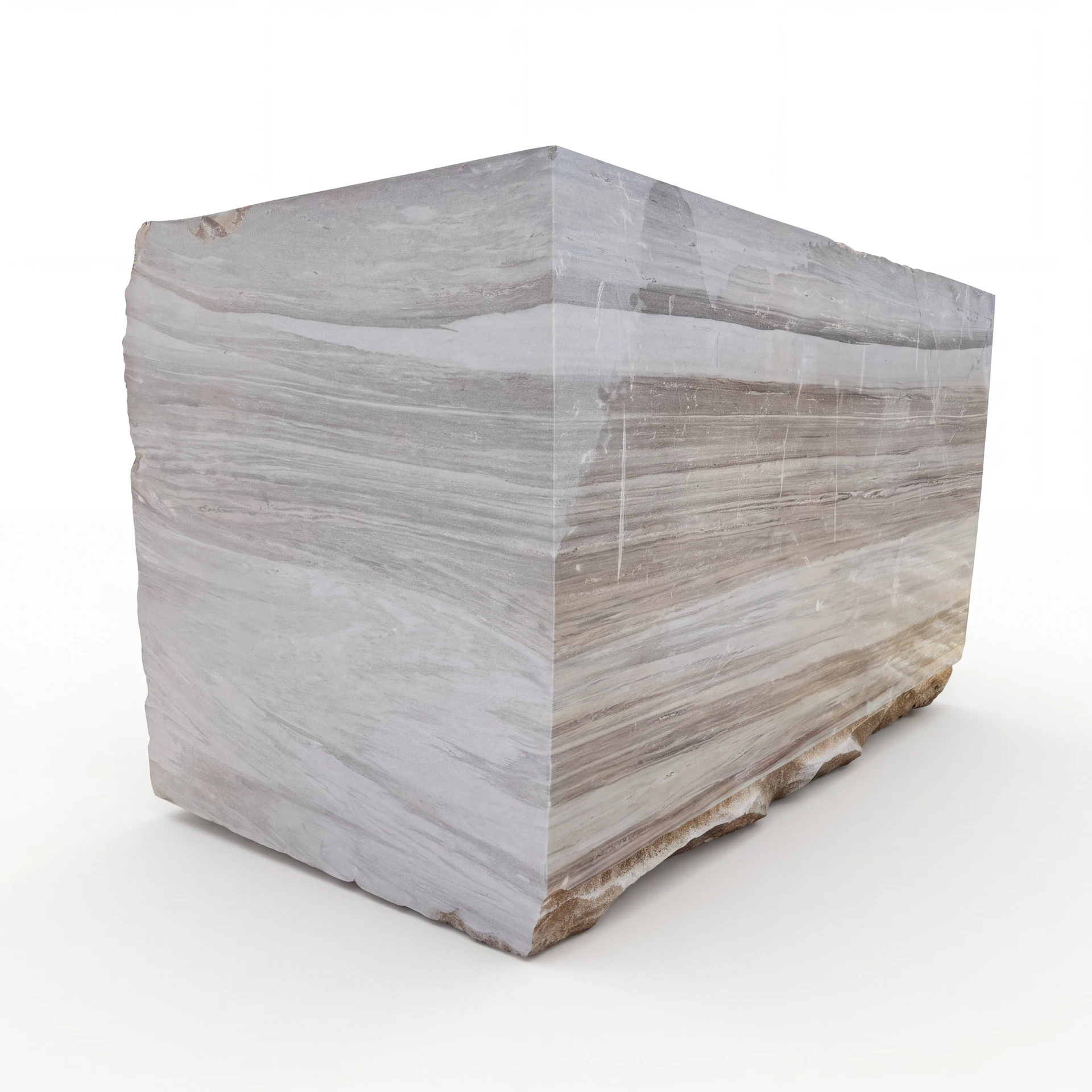
Palissandro Vein Cut Marble Block
View Material →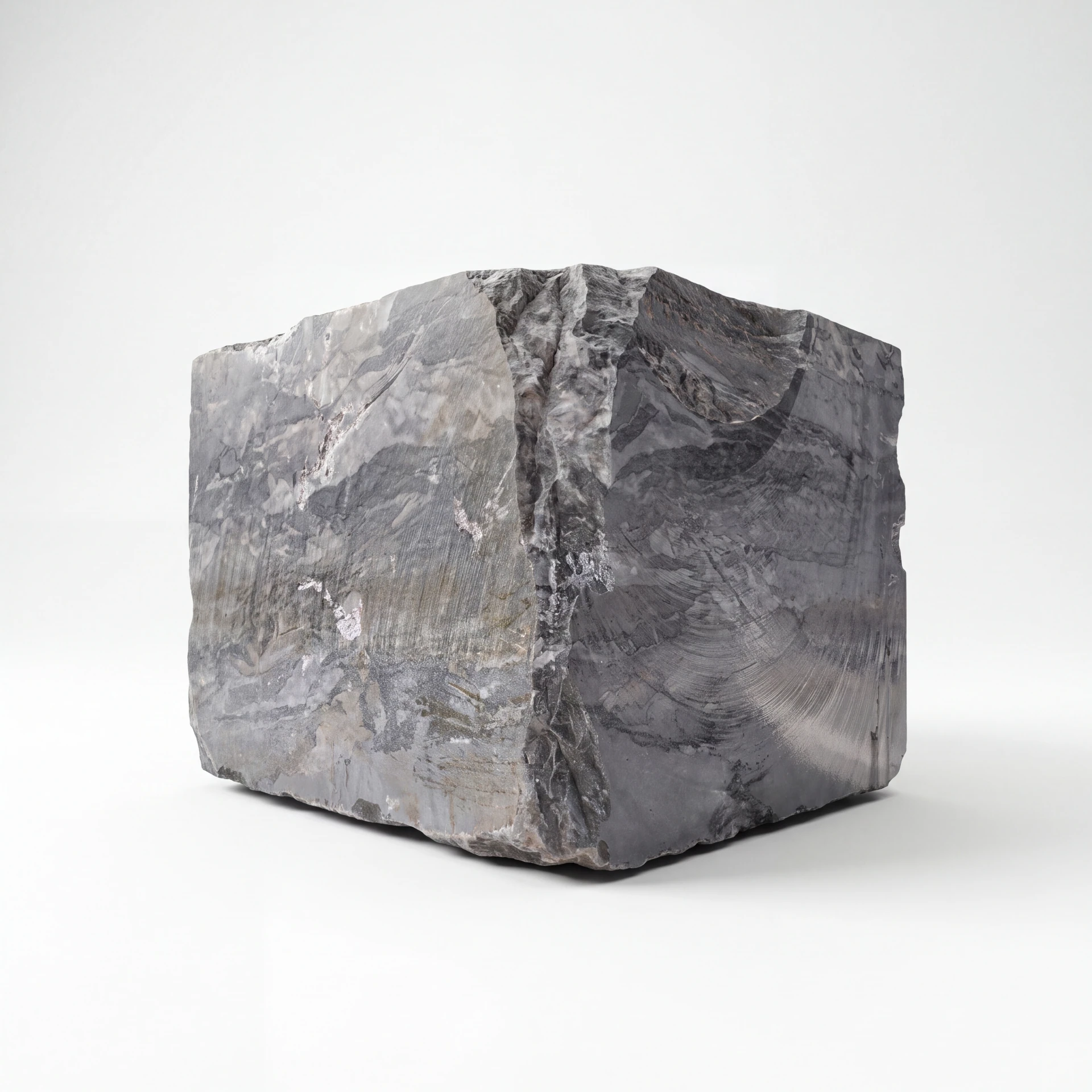
Bardiglio Black Afyon Gray Marble Block
View Material →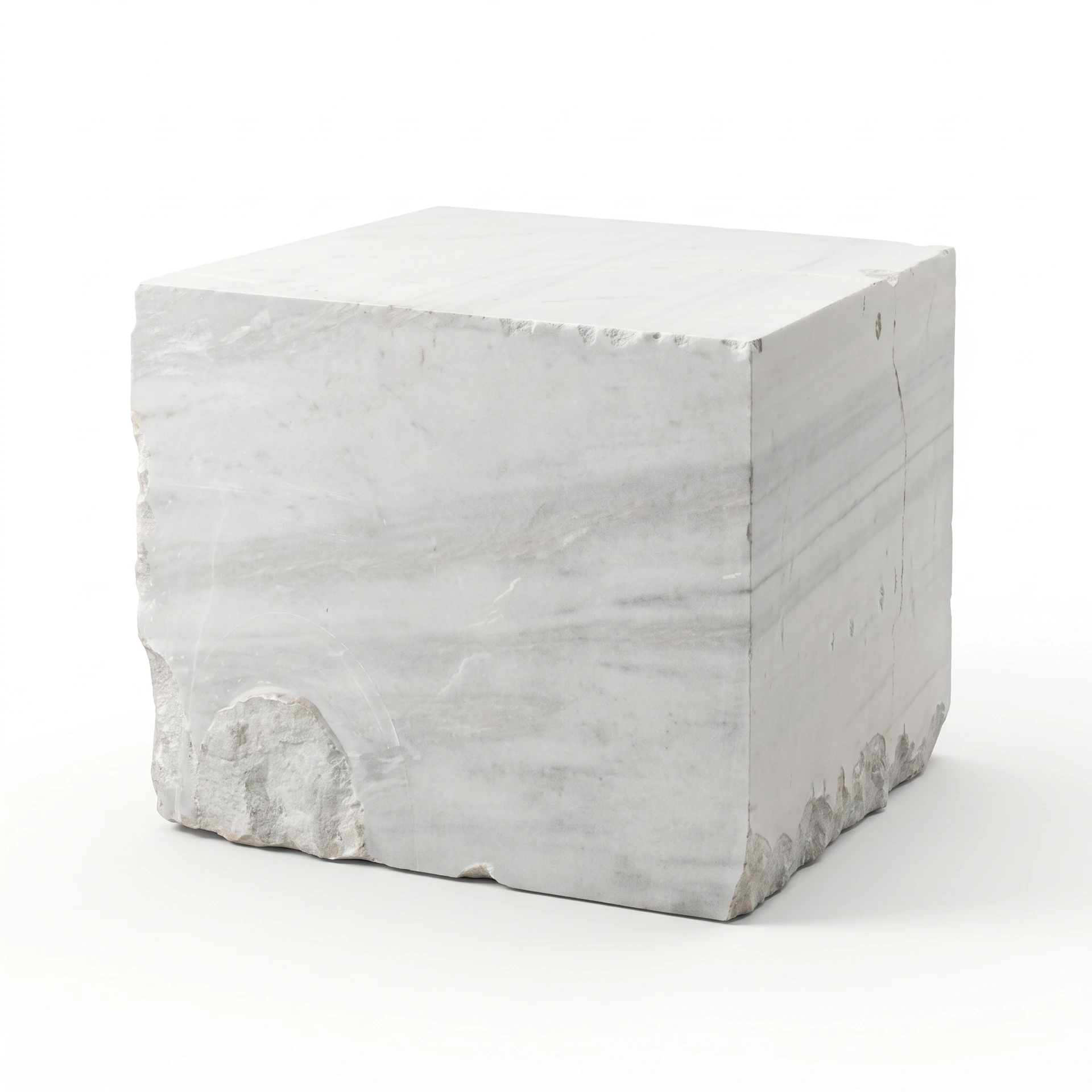
Marmara White Marble Block
View Material →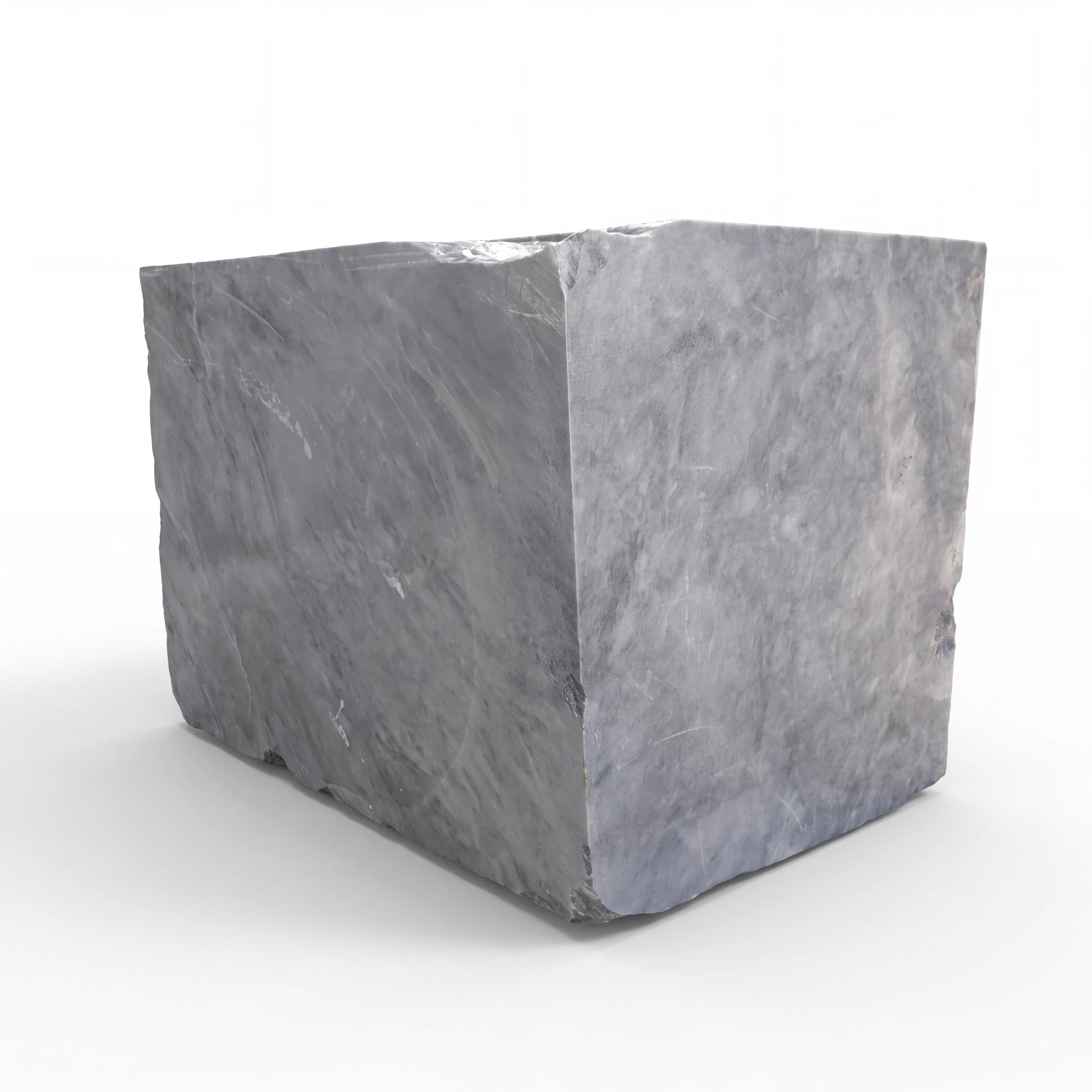
Blue Stone Afyon Gray Marble Block
View Material →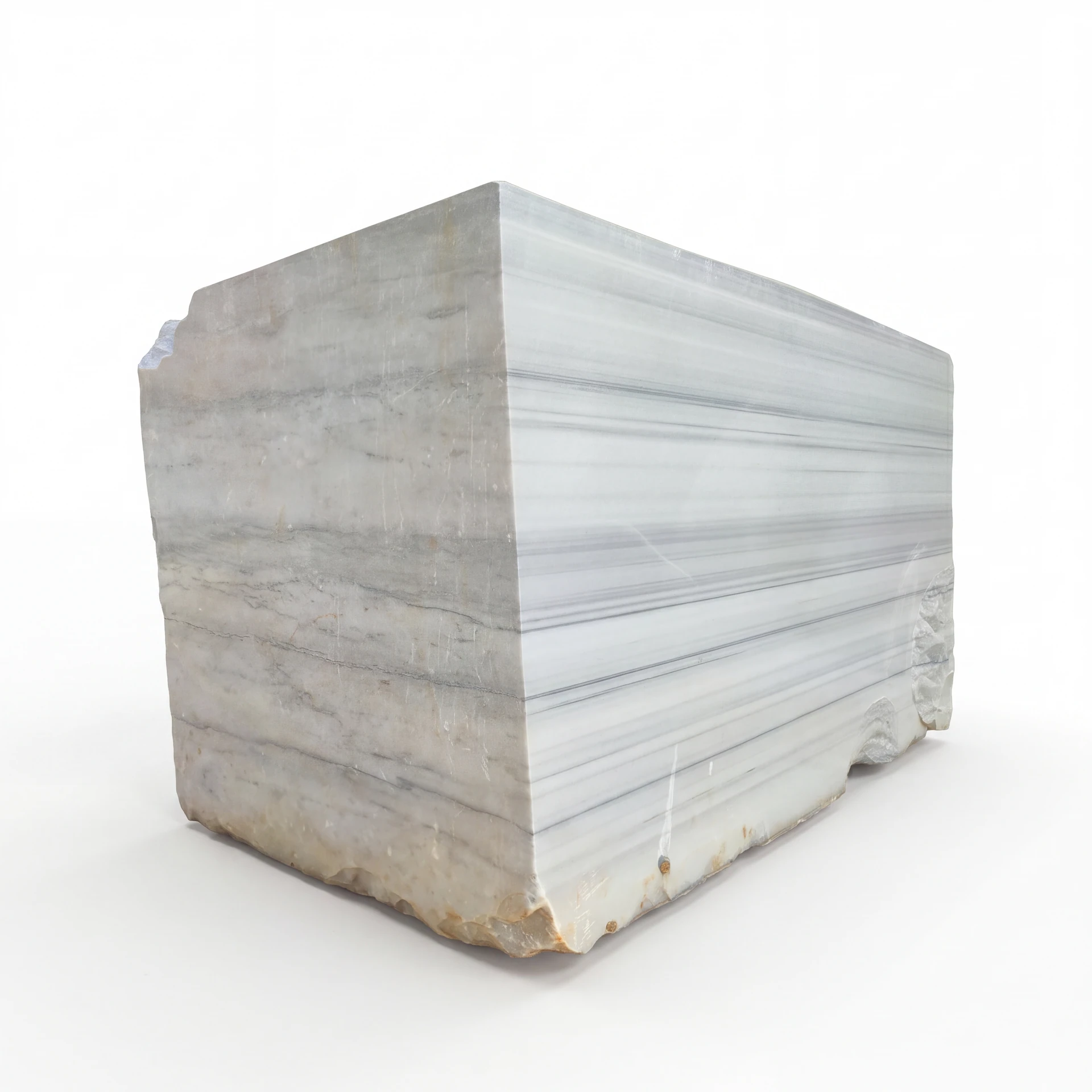
Marmara Equator Marble Block
View Material →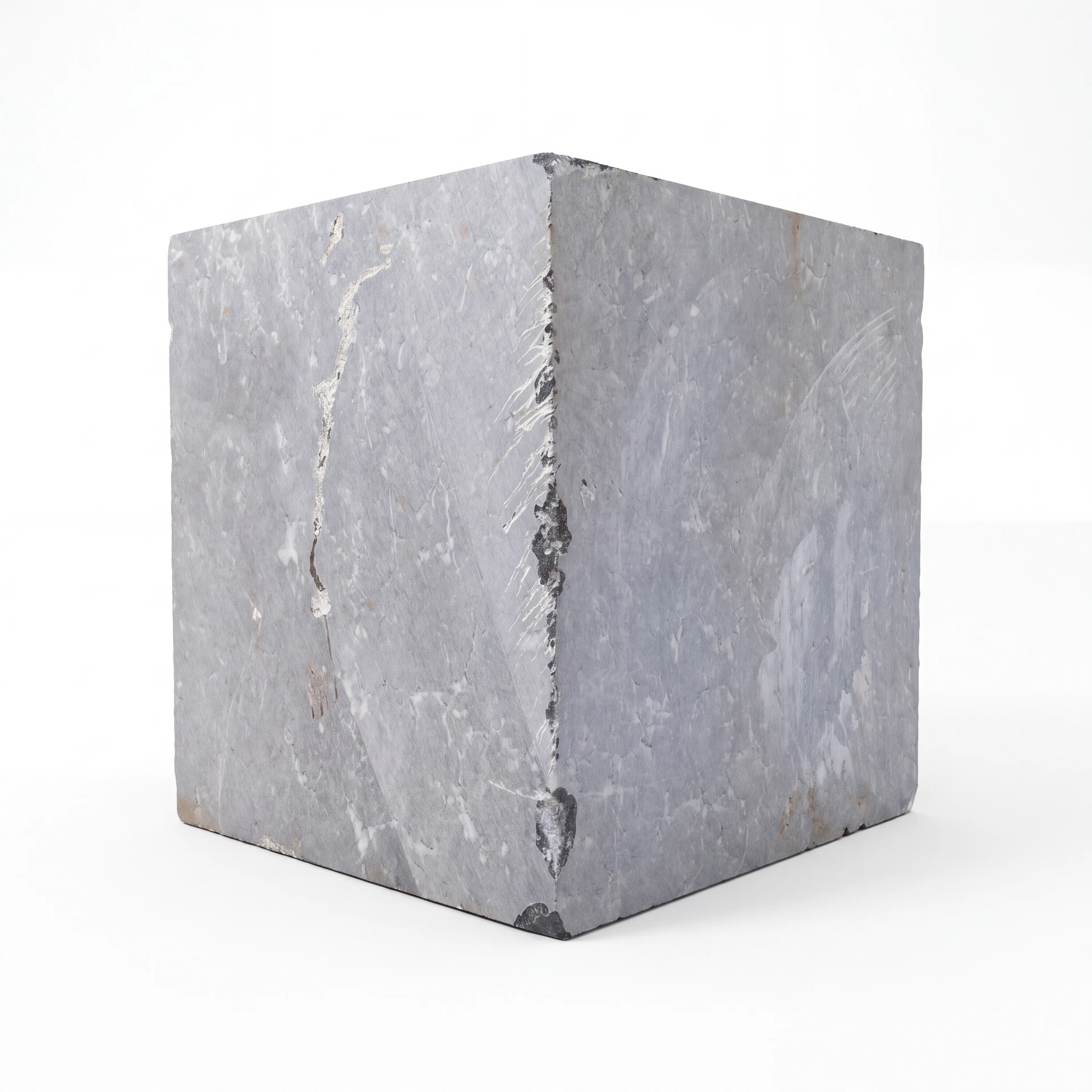
Bursa Black Marble Block
View Material →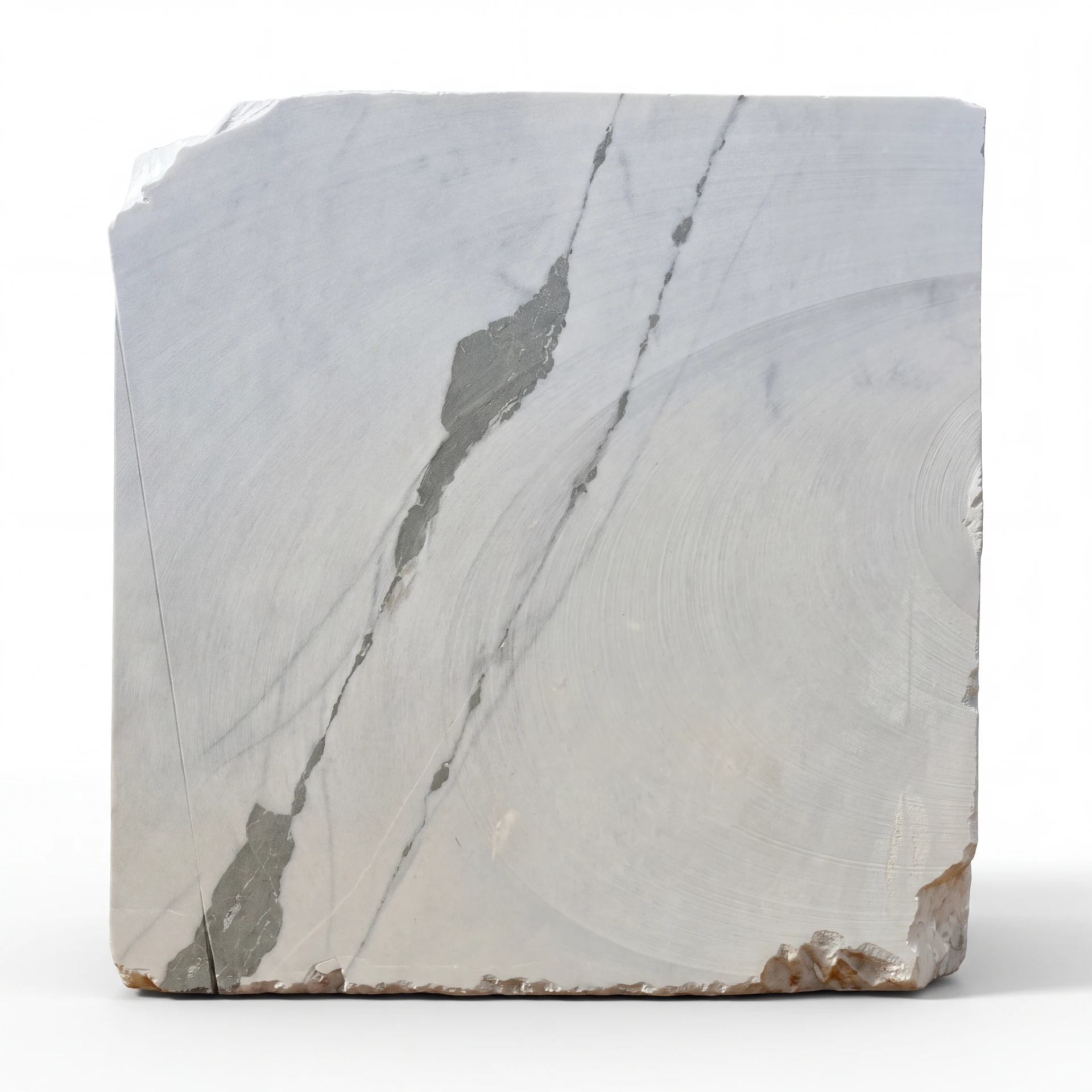
Panda White Marble Block
View Material →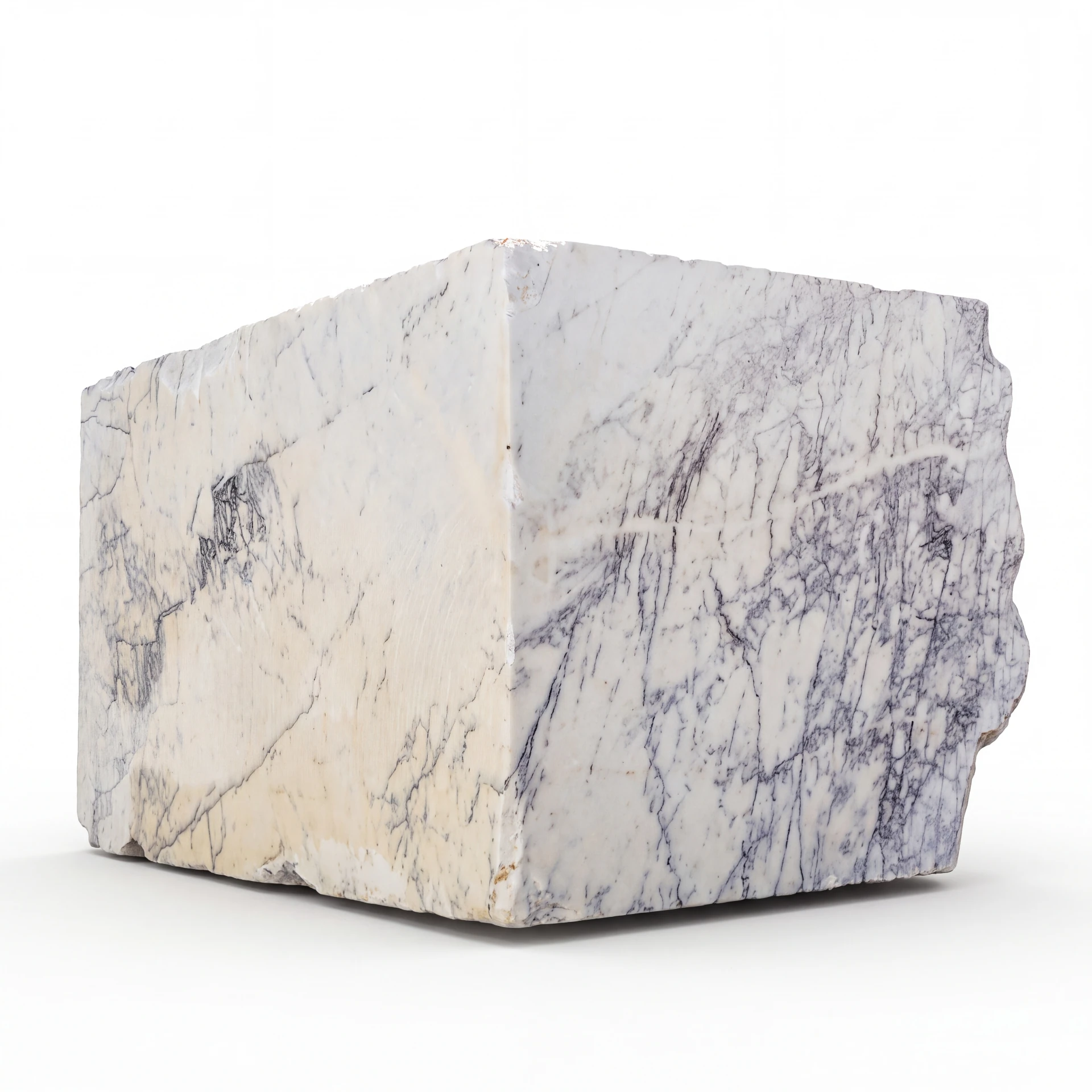
Lilac Marble Block
View Material →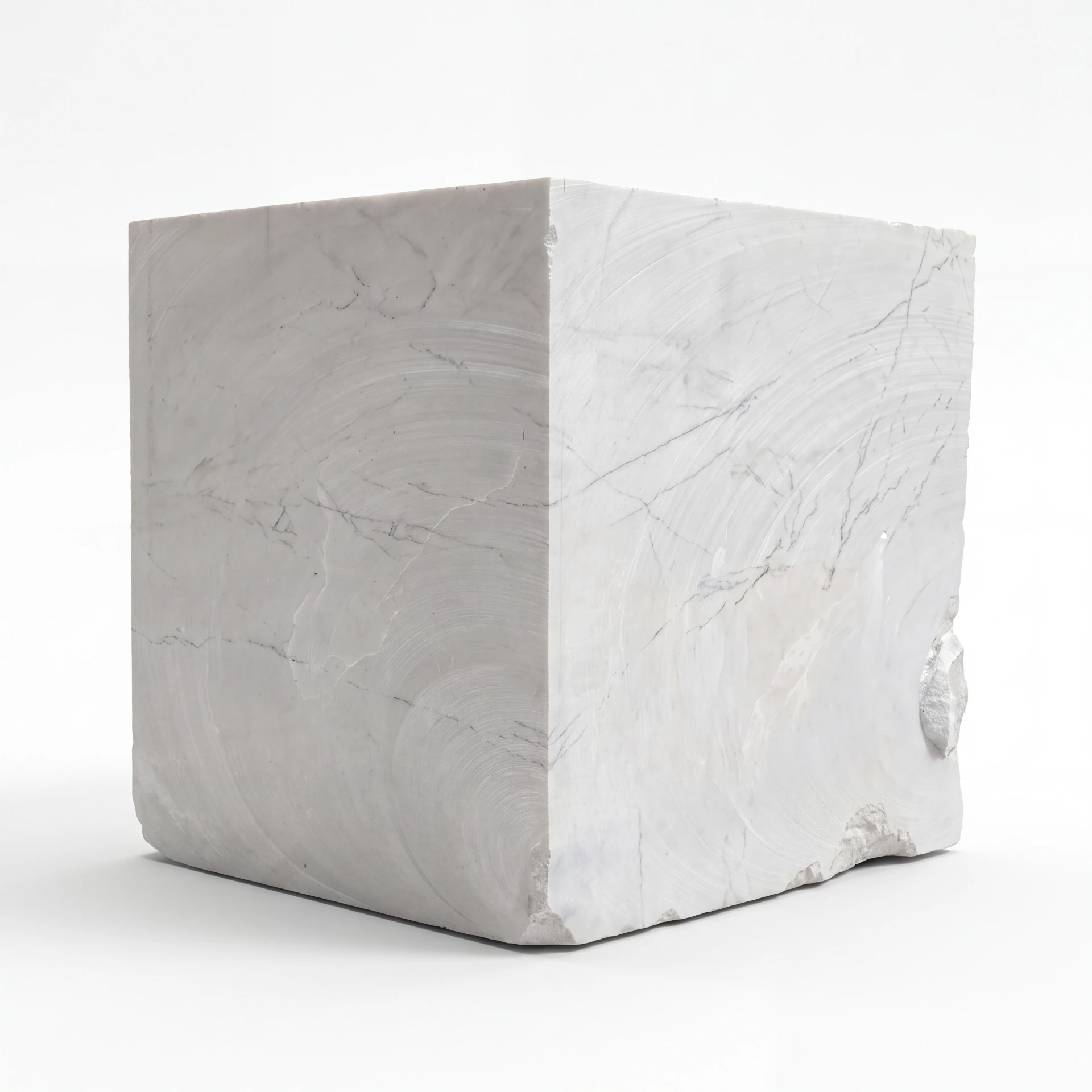
New York Marble Block
View Material →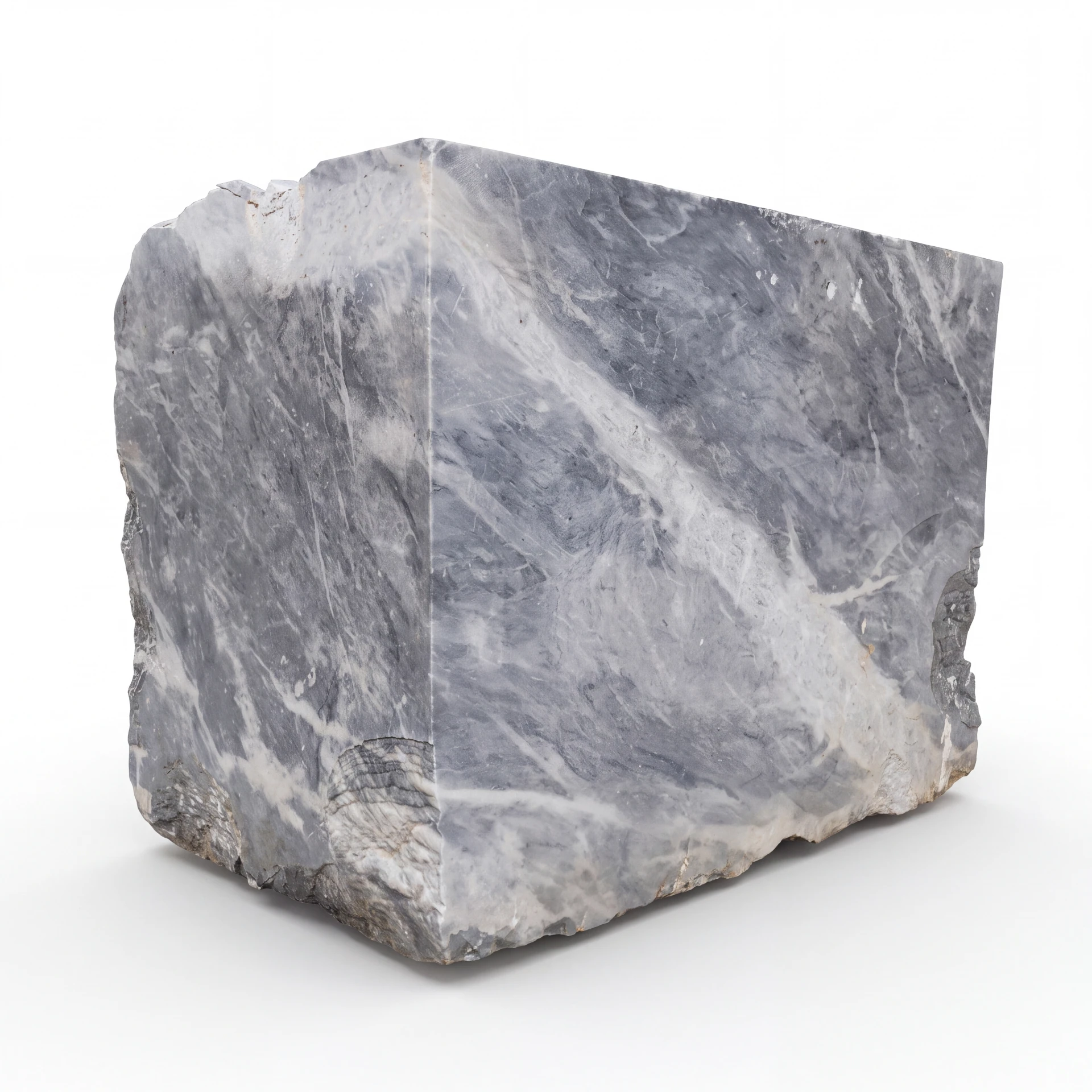
Bardiglio Blu Afyon Gray Marble Block
View Material →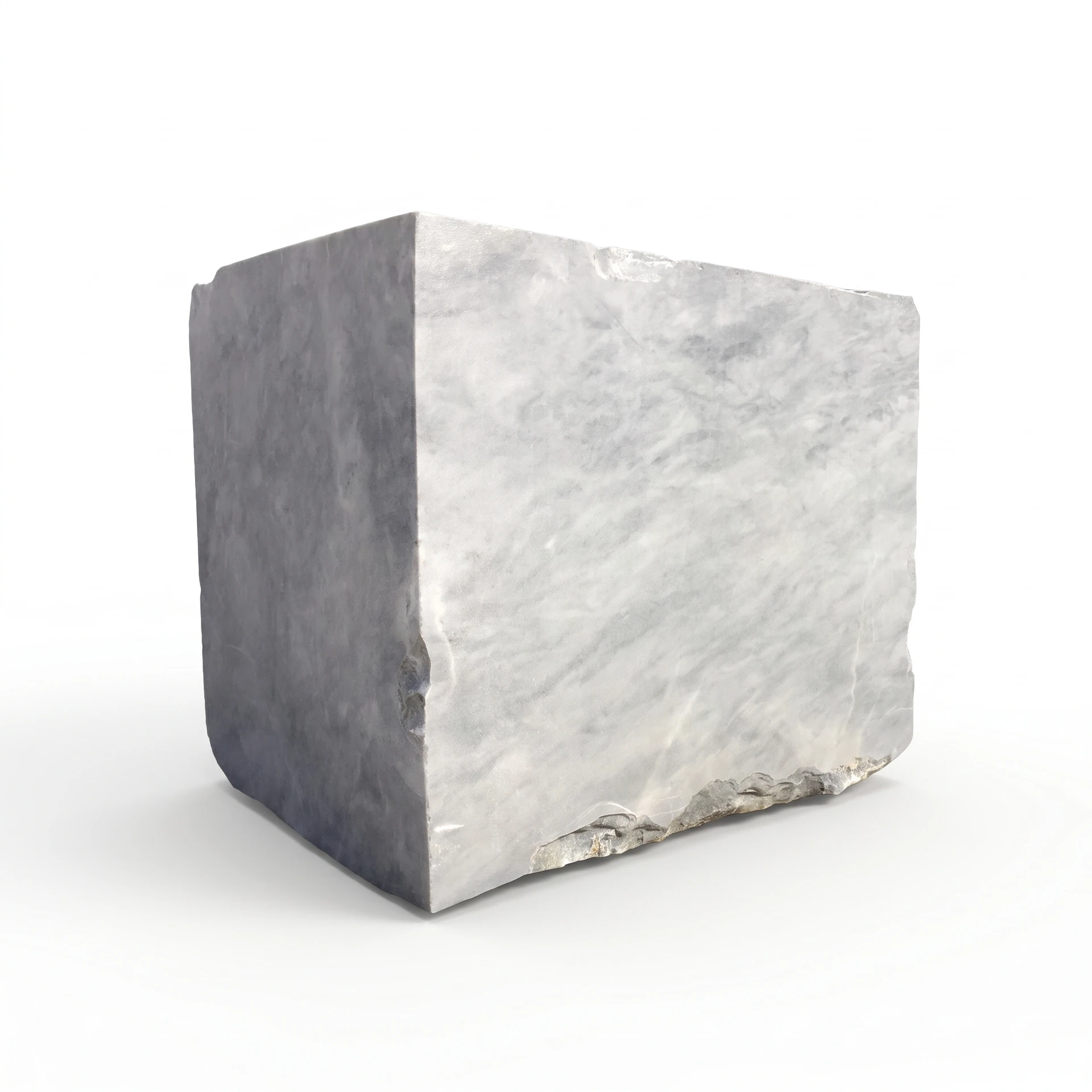
Blue Bahia Afyon Gray Marble Block
View Material →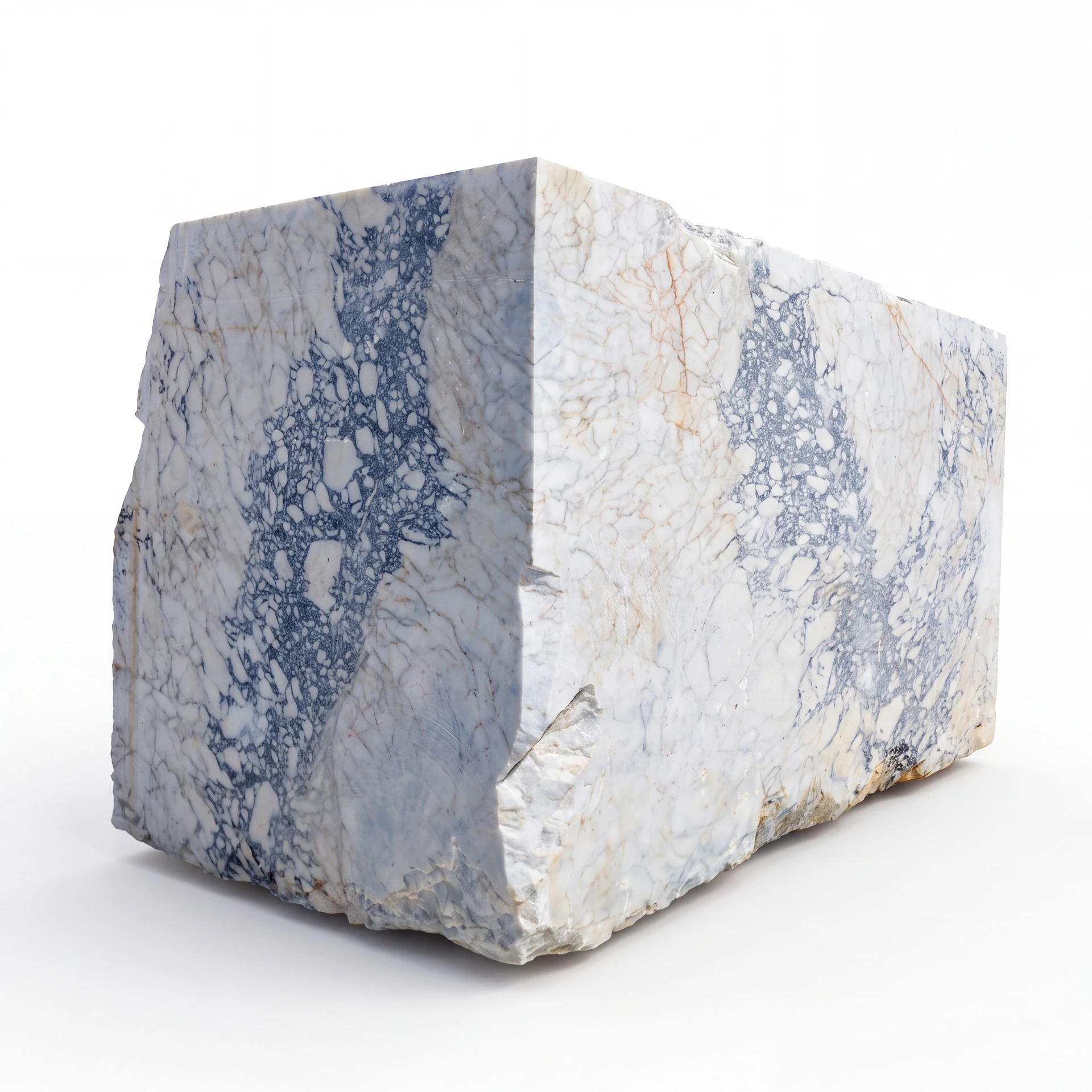
Calacatta Marble Block
View Material →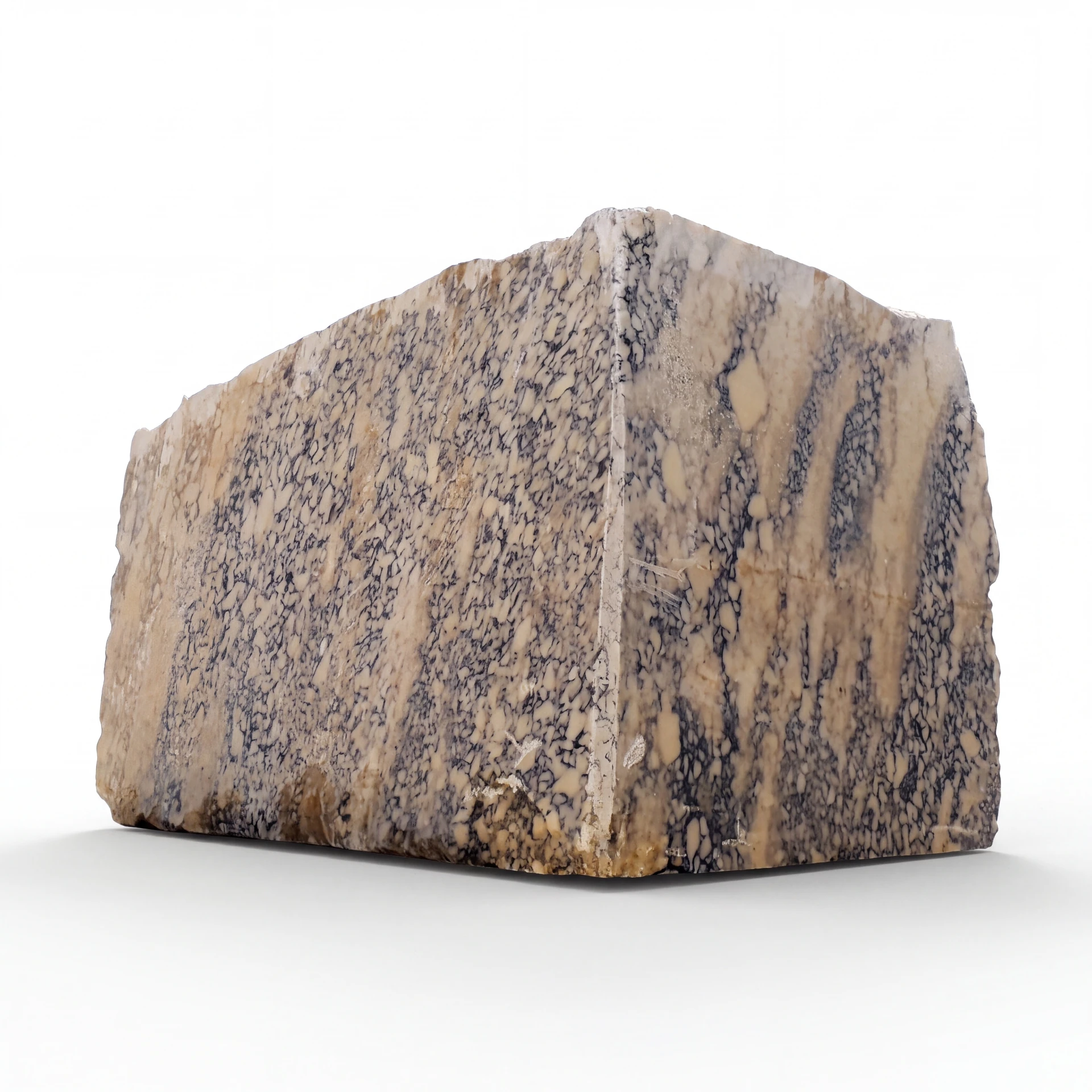
Afyon Honey Marble Block
View Material →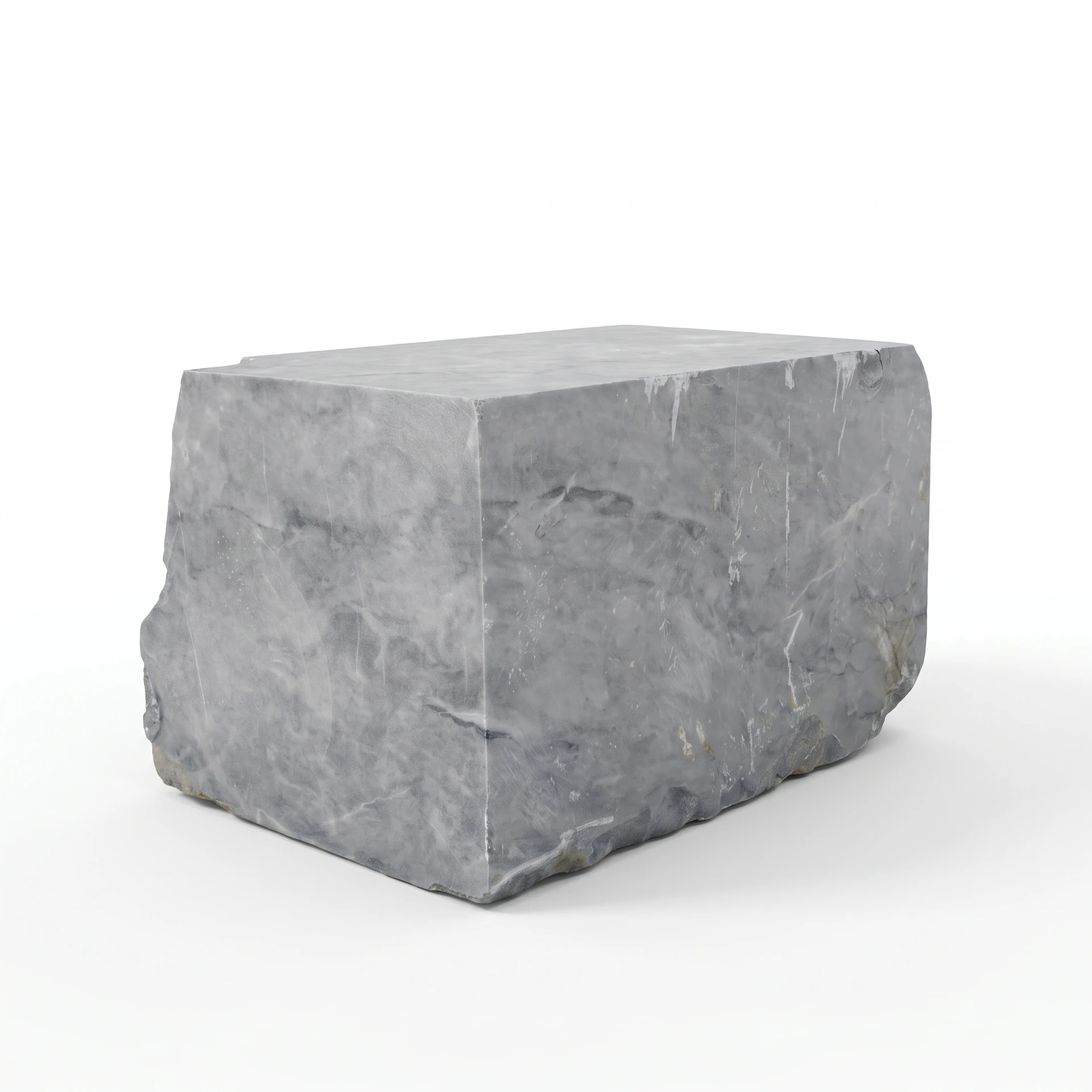
Blue Moon Afyon Gray Marble Block
View Material →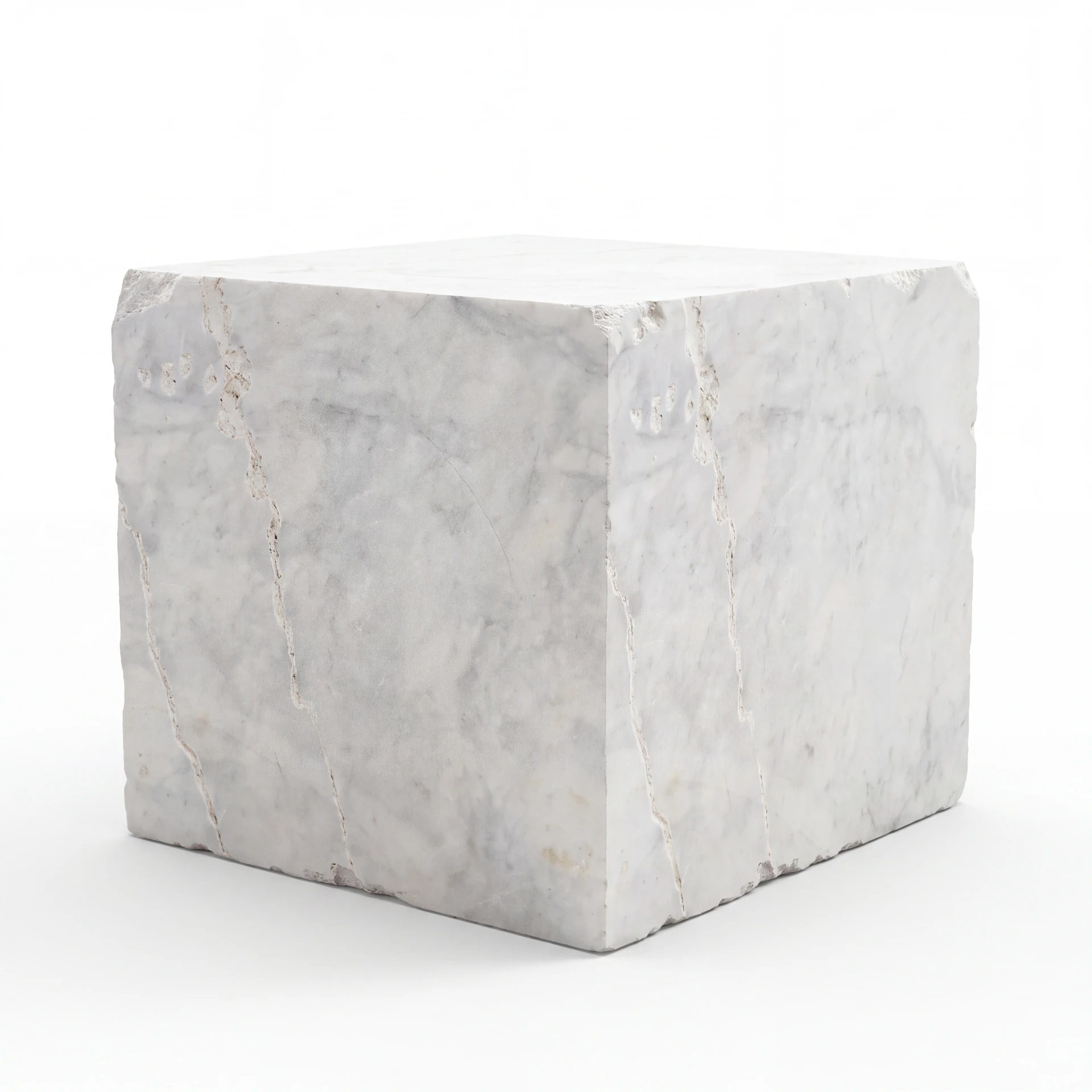
Afyon White Arcobaleno Marble Block
View Material →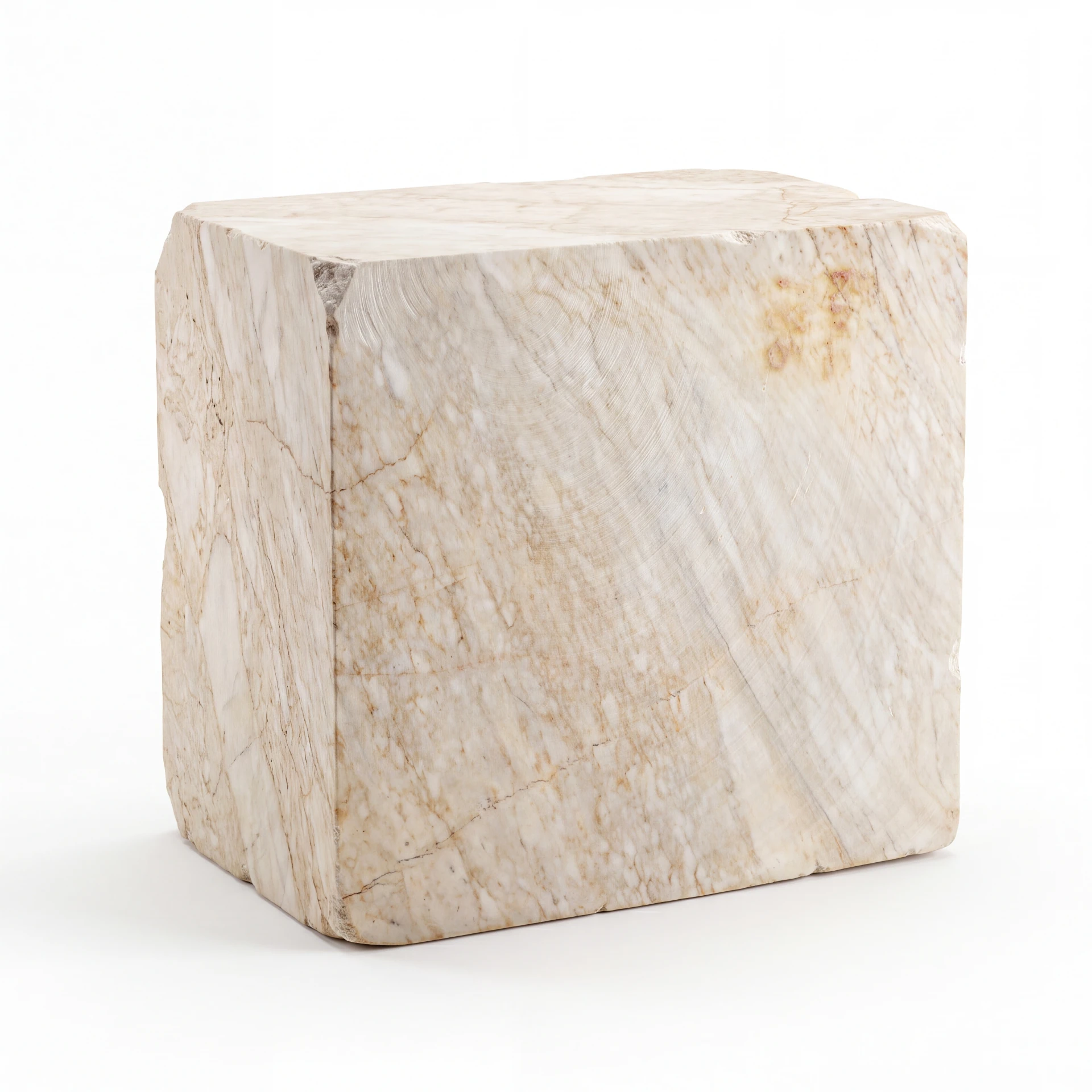
Afyon Sugar Marble Block
View Material →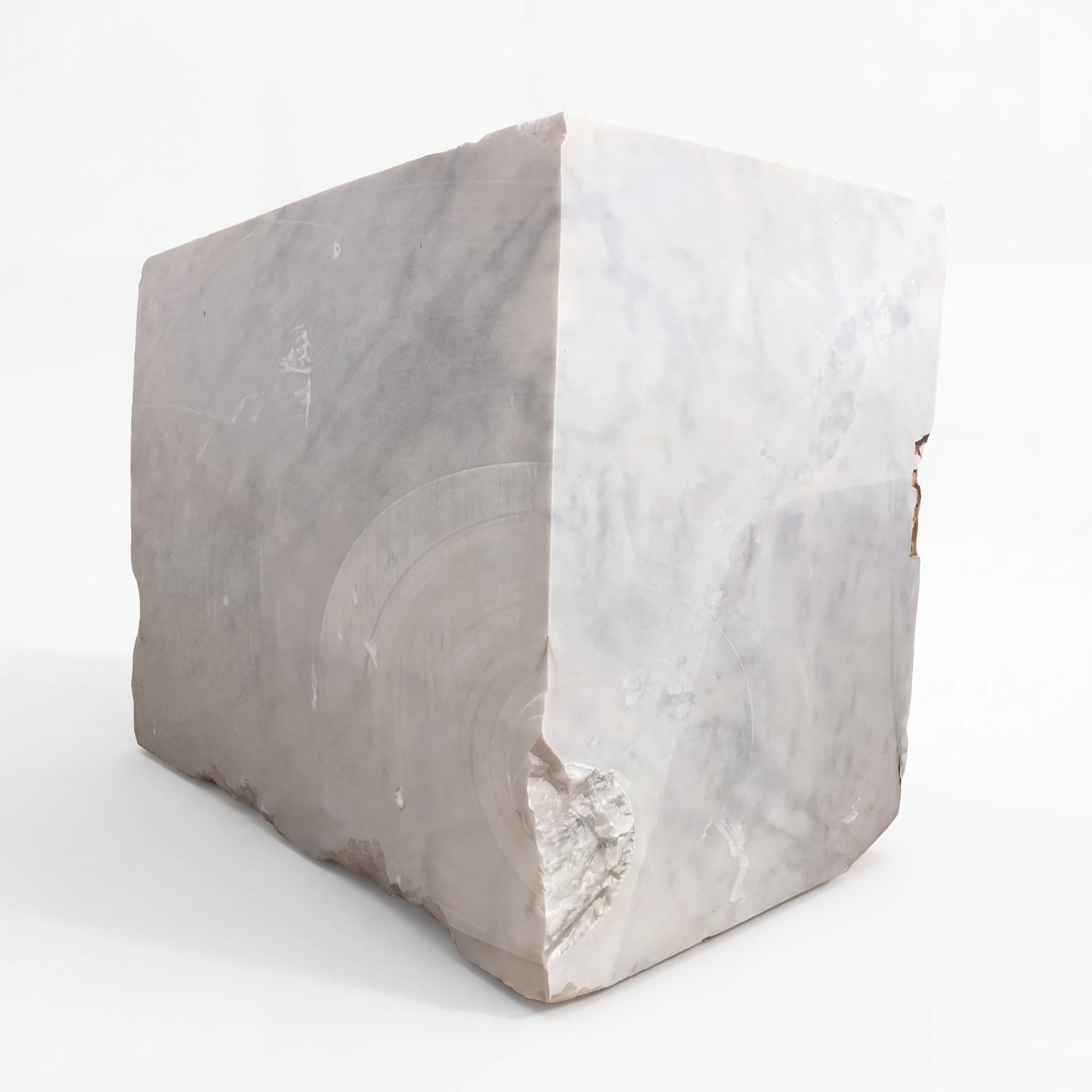
Afyon White Marble Block
View Material →B2B Sourcing Guide for Raw Marble Blocks
Quarry Extraction and Geological Classifications of Marble Blocks
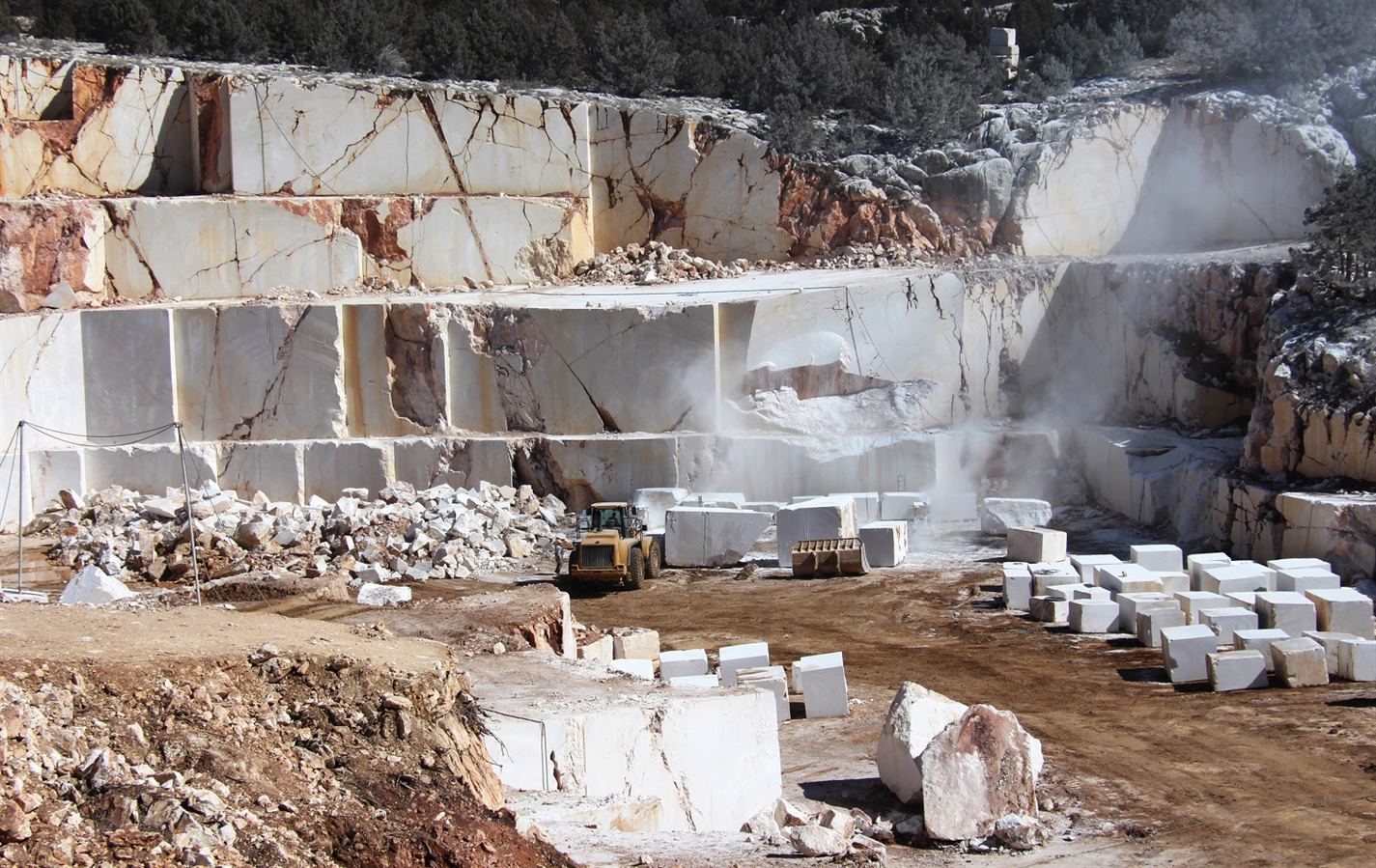
Sourcing raw marble blocks directly from quarries requires a comprehensive understanding of geological structures, tectonic movements, and mineral properties. Marble is a metamorphic rock formed by the recrystallization of limestone under intense heat and pressure, resulting in a interlocking network of calcite crystals. In Turkey, which holds vast natural stone reserves, quarries produce a diverse range of blocks, from uniform whites to high-movement colored varieties. Procurement managers and wholesalers select raw blocks based on density, structural soundness, and aesthetic grading.
Selecting premium blocks is a critical stage in the stone supply chain. For instance, the Blue Bahia Afyon Grey Marble represents a highly durable variety with blue and grey tones that is extracted as sturdy blocks. For specialized B2B requirements, the Blue Bahia Marble Block 1003 and the large-format Blue Moon Marble Block 10001 offer excellent mechanical properties, making them suitable for processing into large slabs or custom columns. Sourcing raw marble blocks from stable geological extractions ensures that the material possesses high integrity, minimizing the risk of internal fissures during gang saw processing.
Mineralogical characteristics determine how raw blocks behave under mechanical processing. Composed primarily of recrystallized calcite, premium marble blocks exhibit a Mohs hardness of 3 to 4. Compressive strength ratings for high-quality marble blocks range between 80 to 120 MPa, which guarantees structural integrity when processed into building components. Sourcing engineers inspect quarry faces to identify natural fissures or clay veins that could impact block yield.
Dimensional Standards and Grading in Block Sourcing
Procurement specifications for raw stone require strict classification. Standard marble blocks are categorized into commercial, select, and premium grades. Premium blocks are free of major structural flaws, show uniform color distribution, and have regular rectangular shapes that maximize gang saw yield. Commercial grades may show slight color variations or minor dry seams that require careful layout planning.
Block dimensions are determined by the quarrying machinery and transport weight limits. Standard blocks typically measure 240 cm to 320 cm in length, 120 cm to 190 cm in height, and 120 cm to 180 cm in width, weighing between 15 to 25 metric tons. Sourcing large rectangular marble blocks ensures that processing facilities can yield jumbo slabs with minimal fabrication waste. Prior to ordering, buyers must coordinate weight limits with maritime shipping lines and ports.
Processing Raw Blocks and Yield Optimization
The transition from raw block to finished product involves several mechanical steps. Raw blocks are loaded onto gang saws or multi-wire cutting machines to be processed into slabs. For custom architectural items, blocks are carved using multi-axis CNC machines or traditional hand tools. Proper block orientation is essential: cutting parallel to the natural bedding plane (vein cut) produces linear patterns, while cutting perpendicular (cross cut) yields circular structures.
Selecting the right cutting method is crucial for project success. Cross cutting is standard for uniform colors, whereas vein cutting highlights linear bands. To understand how processed slabs are utilized, buyers refer to technical documentation. Consulting a resource such as What is a Marble Slab? Where is it Used? helps clarify the applications of finished slabs, assisting procurement teams in selecting the correct block type. For comparisons with other materials, buyers can consult the Natural Stone Comparison Guide: Marble vs. Travertine vs. Granite to review mechanical differences.
Procurement and Logistics for International Shipments
Purchasing raw material for international processing requires strict quality inspections. Wholesalers and factory owners should inspect blocks at the quarry site or request detailed photos of all six faces of the block. Applying water to the block surface helps highlight the true color and reveal any hidden fissures. Sourcing marble blocks from established suppliers ensures that blocks are squared properly, reducing processing waste.
Shipping logistics must account for heavy container weights. Blocks are secured inside containers using heavy timber bracing and steel cables to prevent shifting during transit. Sourcing from reputable exporters ensures compliance with international shipping regulations. In addition, referring to The Ultimate Guide to Choosing the Right Turkish Marble Supplier helps buyers evaluate supplier credentials and quality control standards. For decorative inspirations, designers can read about The Elegance of Blue Marble in Interior Design.
Mechanical Processing and Block Soundness
Maintaining processing safety requires strict soundness tests. High-density blocks are tested for internal voids using ultrasonic equipment. Applying epoxy resins to the outer faces of fragile blocks before cutting helps prevent breakage on the gang saw.
Regular maintenance of processing machinery is necessary to prevent blade deflection and ensure uniform thickness. Selecting blocks with low moisture absorption ratings is important for exterior applications in cold climates, where freeze-thaw cycles can cause damage.
Why Choose Marble Blocks from EfesusStone
EfesusStone has been a leading manufacturer and exporter of Turkish natural stone since 1943. We operate quarries that combine traditional extraction methods with advanced safety technology. Our B2B services include raw block selection, dimension squaring, and secure shipping coordination. By controlling the supply chain from our quarries to final delivery, we guarantee the highest quality standards for every shipment of marble blocks. Our technical team assists buyers with block selection and yield estimation to ensure project success.
Frequently Asked Questions
Learn more
Related Articles & Selection Guides
Related formats
Supply Notes
Sizing, finishing and selection support.
Custom sizes
Coordinate availability, production details and documentation with the Efesus Stone team.
Project finishes
Coordinate availability, production details and documentation with the Efesus Stone team.
Export packing
Coordinate availability, production details and documentation with the Efesus Stone team.