
Blocks
Blocks
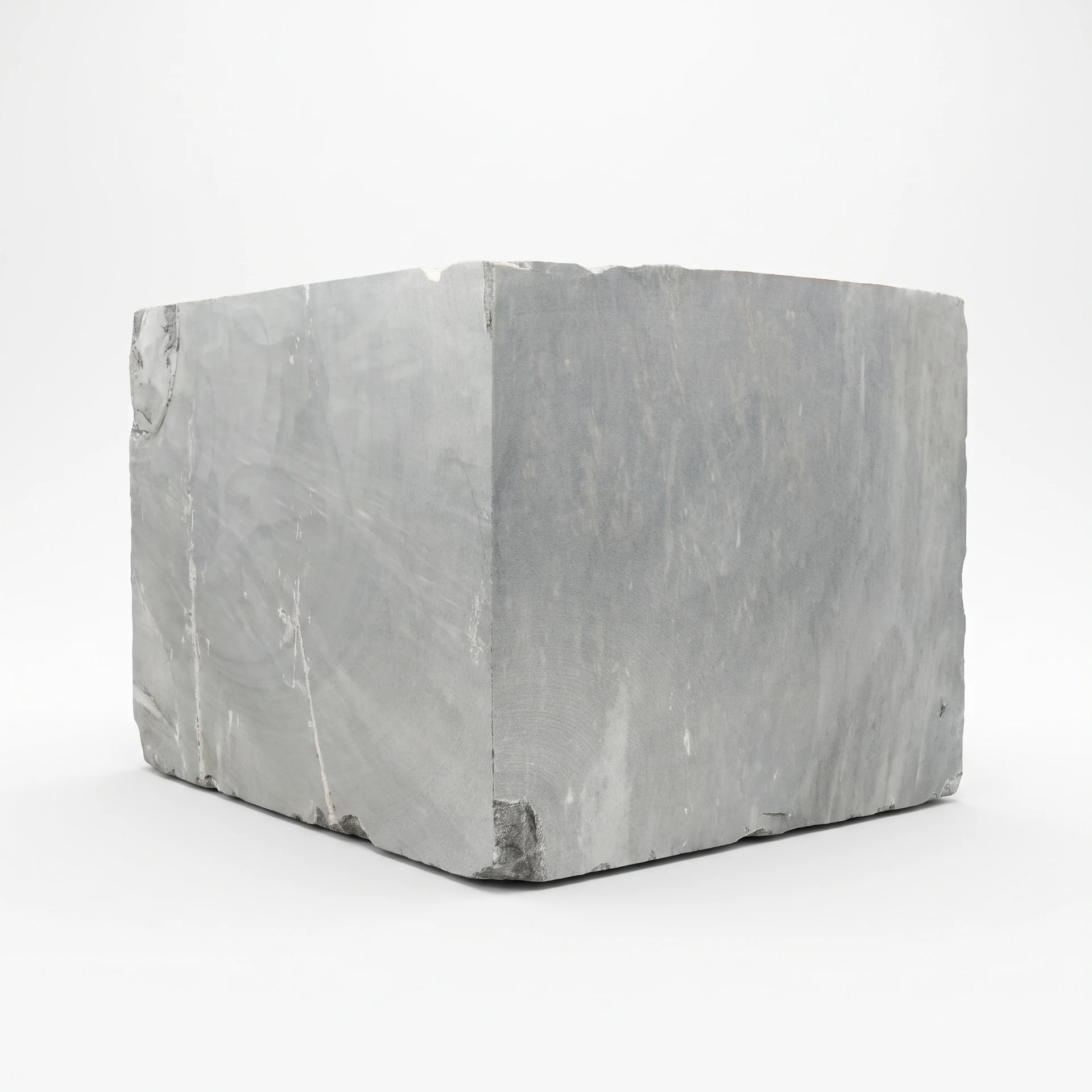
Marmara Epica Dark Marble Block
View Material →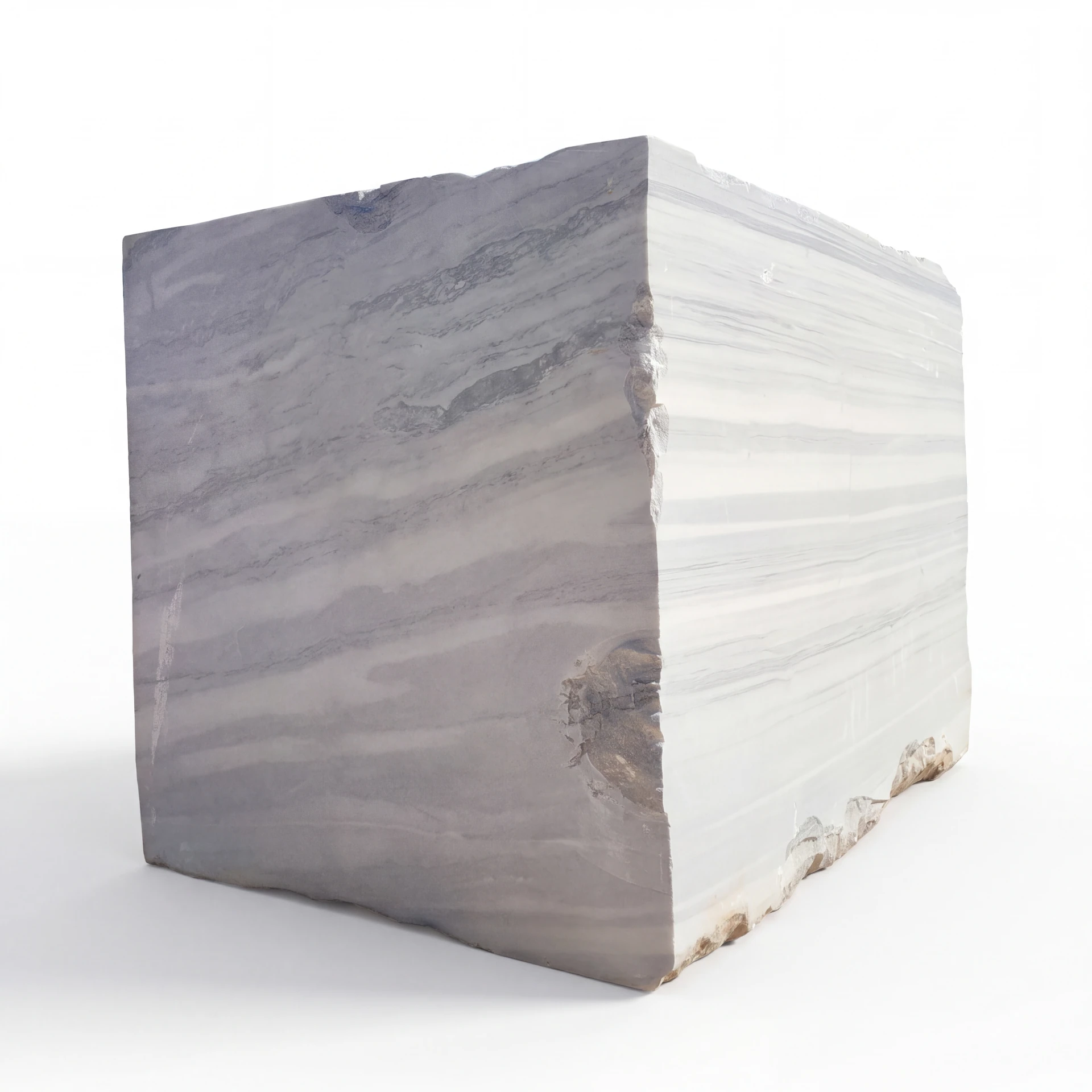
Marmara Epica Light Marble Block
View Material →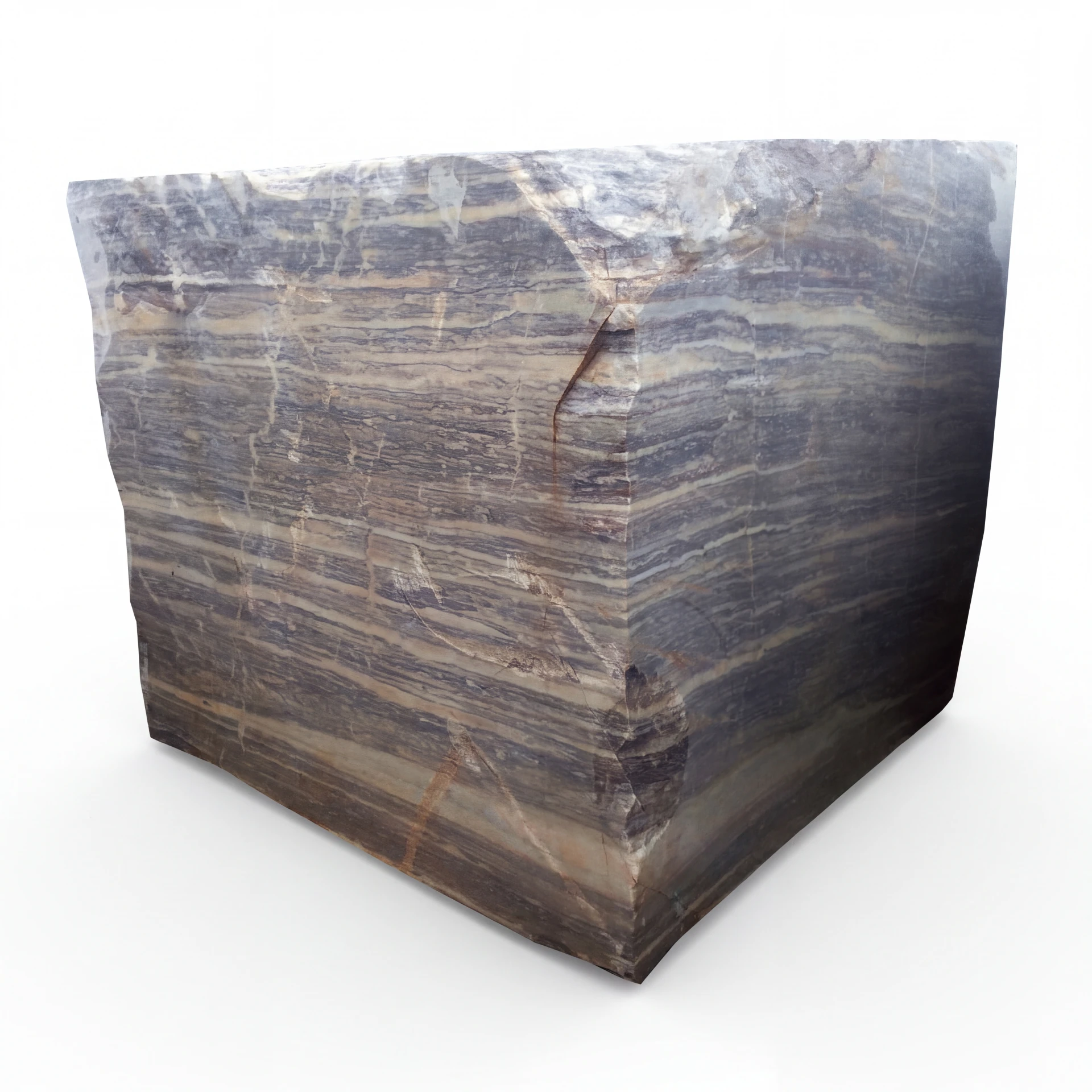
Blackberry Marble Vein Cut Block
View Material →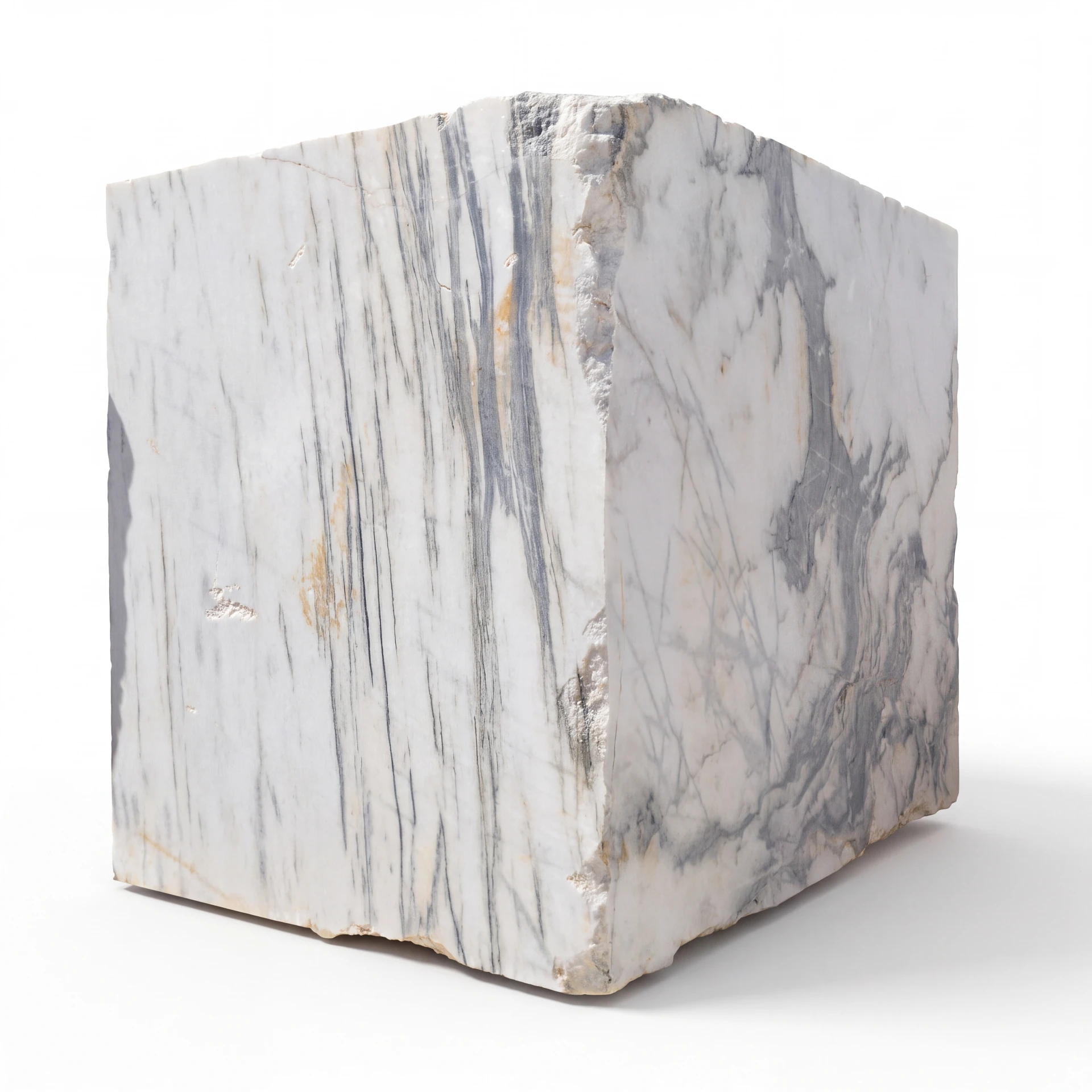
Turkish Calacatta Marble Block
View Material →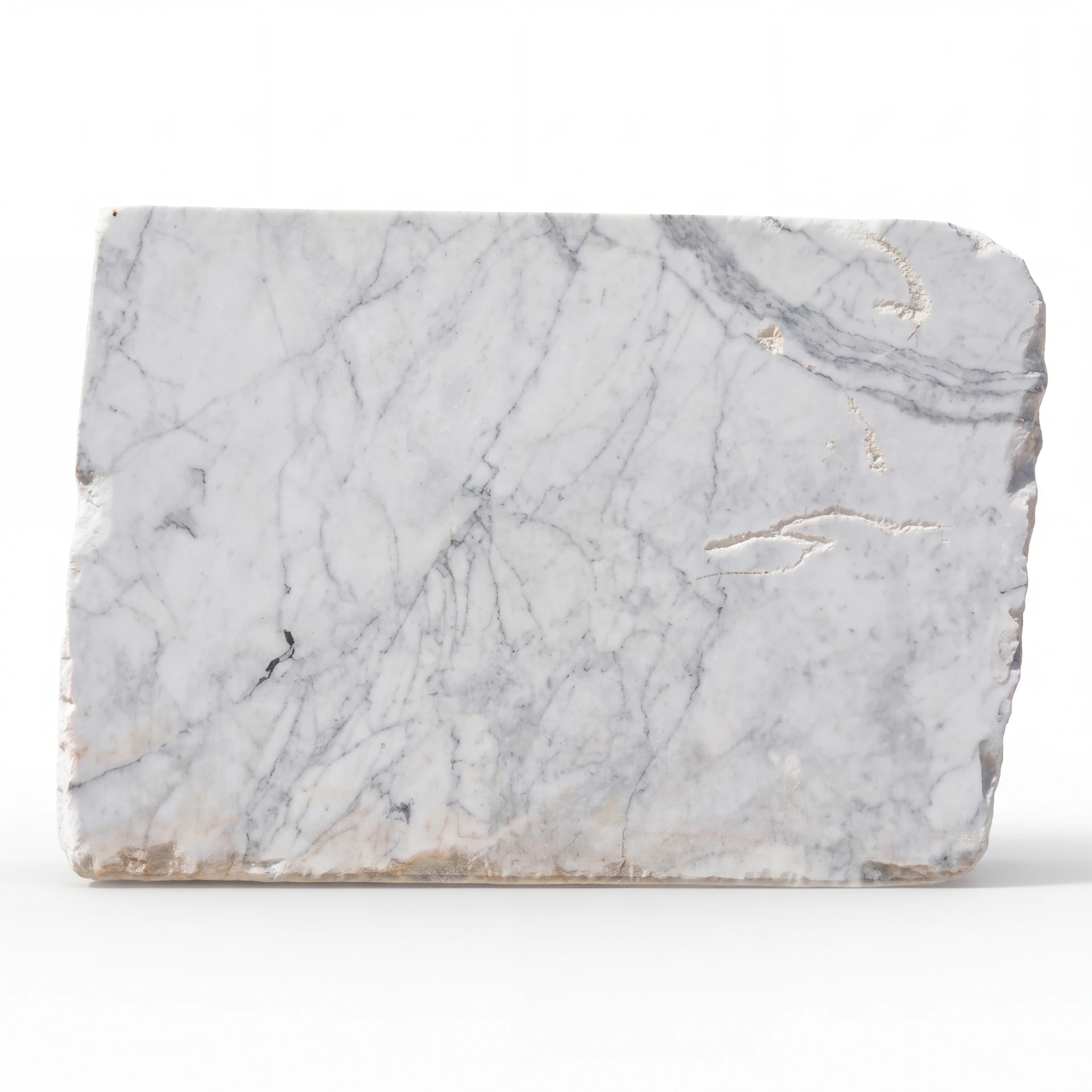
Turkish Carrara Marble Block
View Material →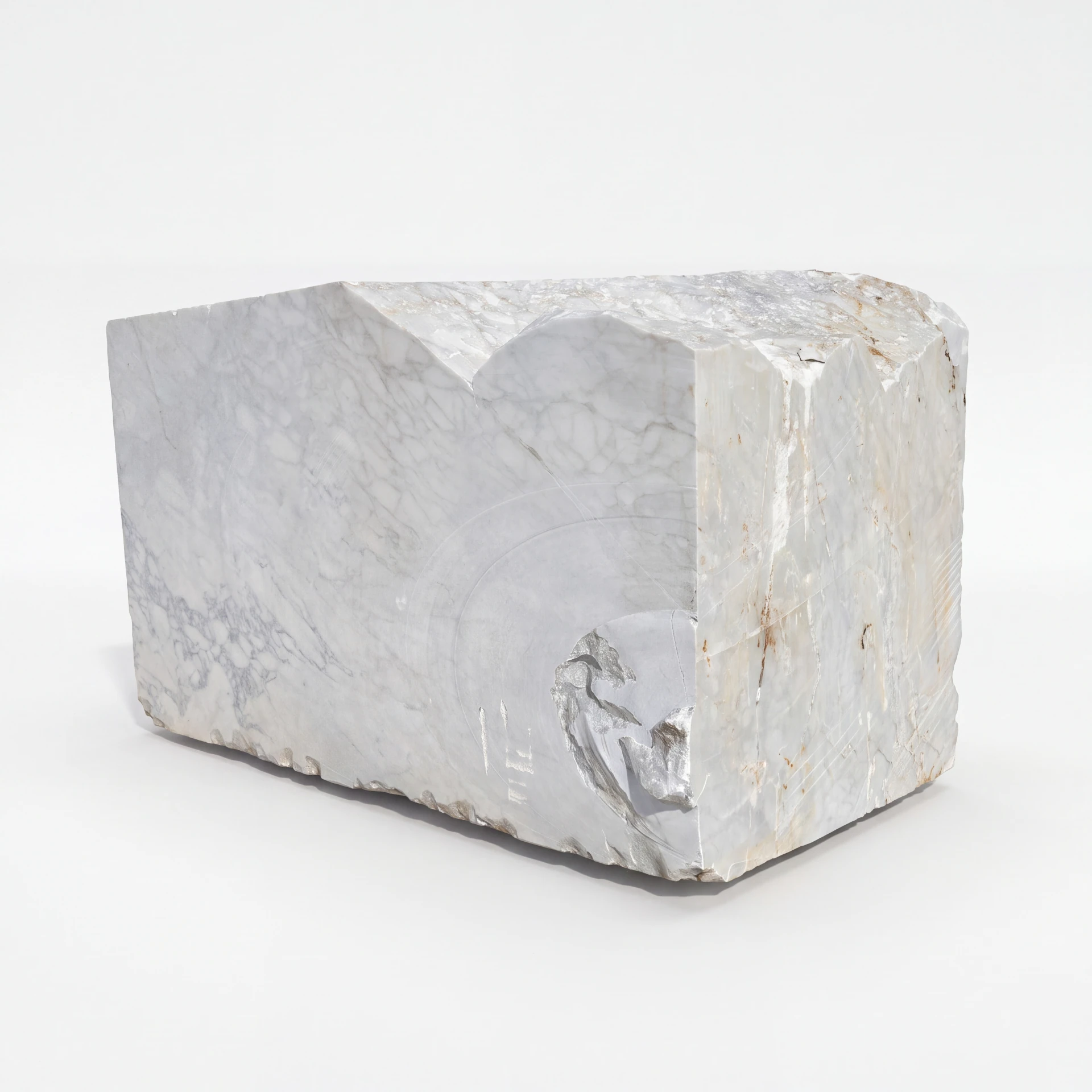
Calacatta Gold Marble Block
View Material →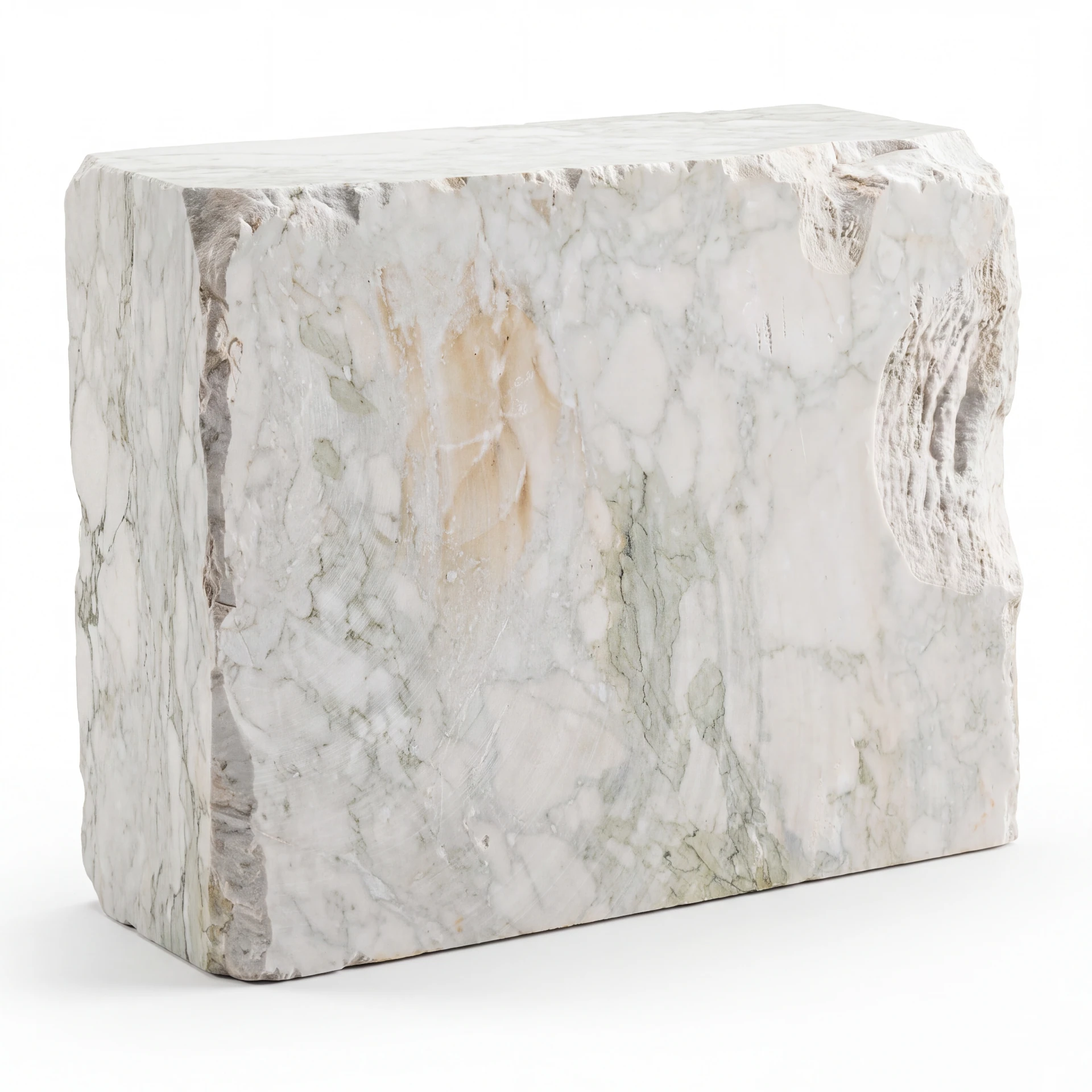
Calacatta Green Marble Block
View Material →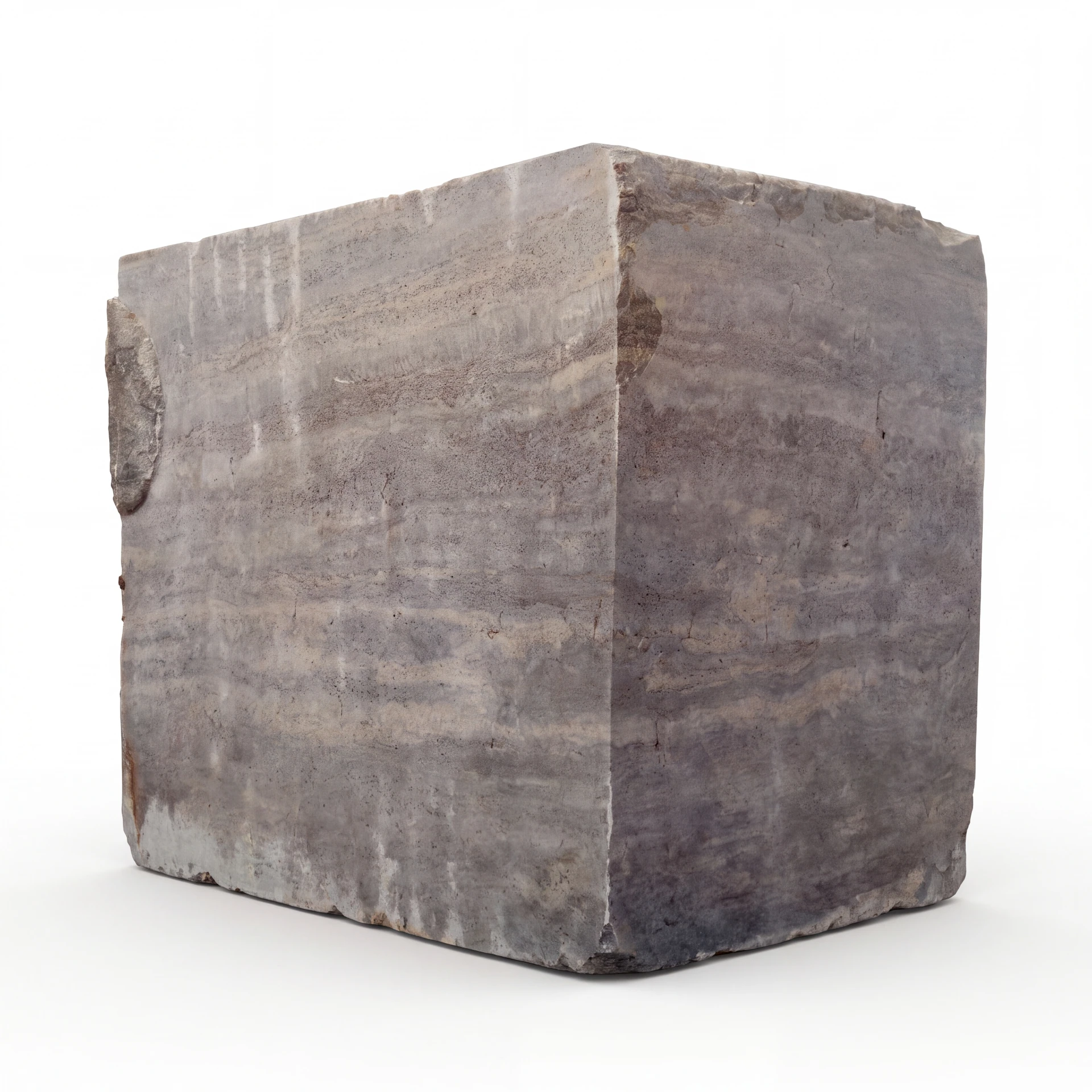
Silver Travertine Vein Cut Premium Block
View Material →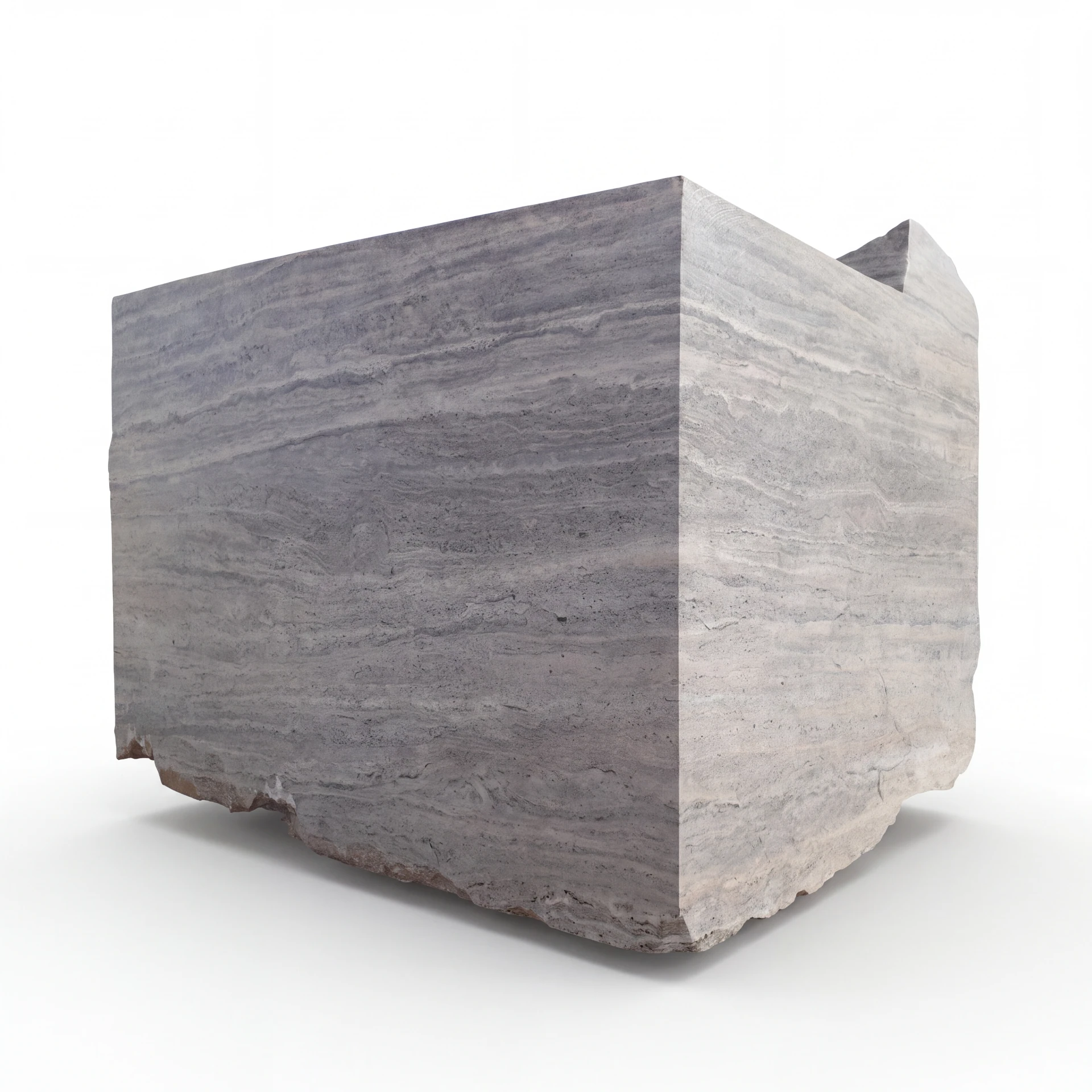
Silver Travertine Vein Cut Block
View Material →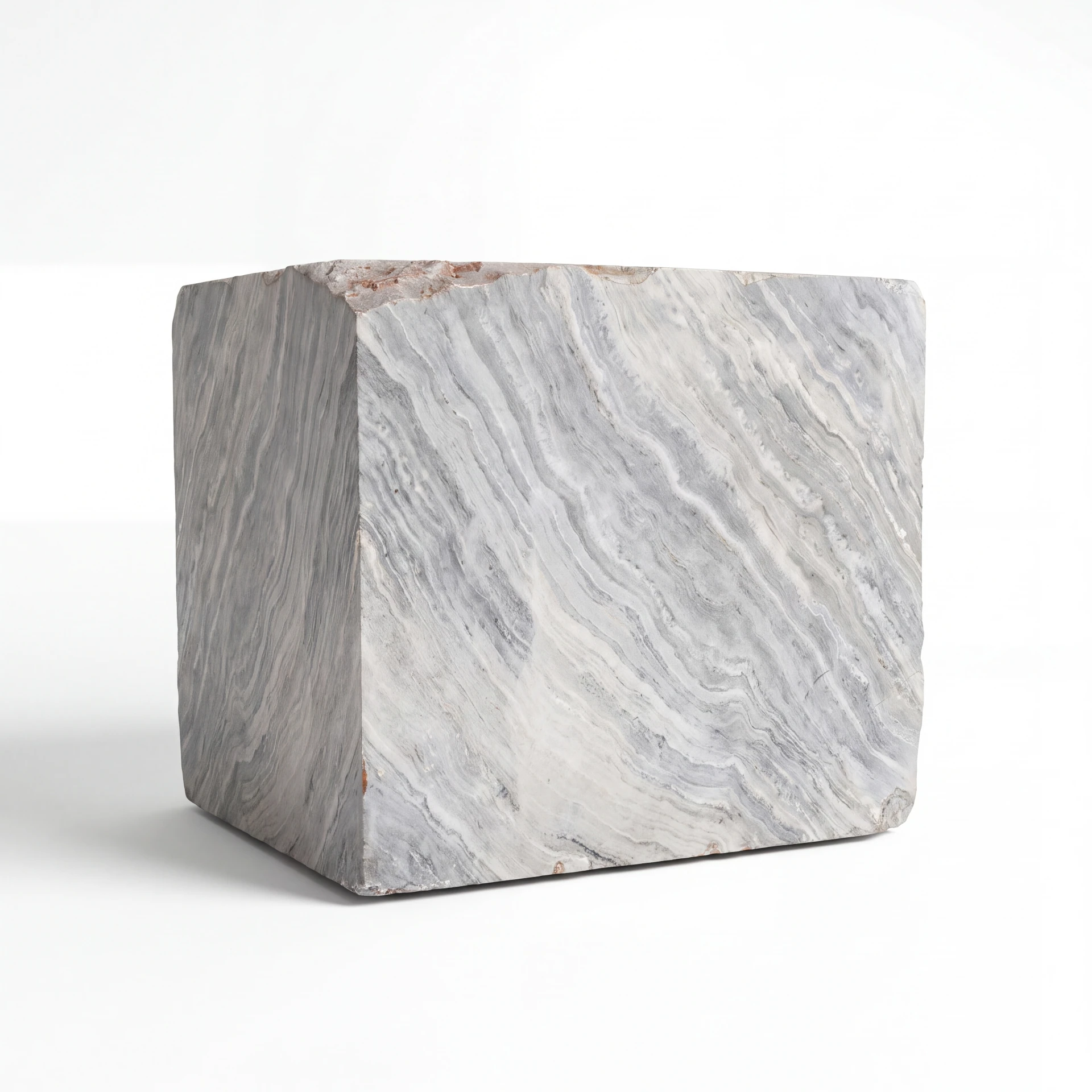
Silver Travertine Wave Block
View Material →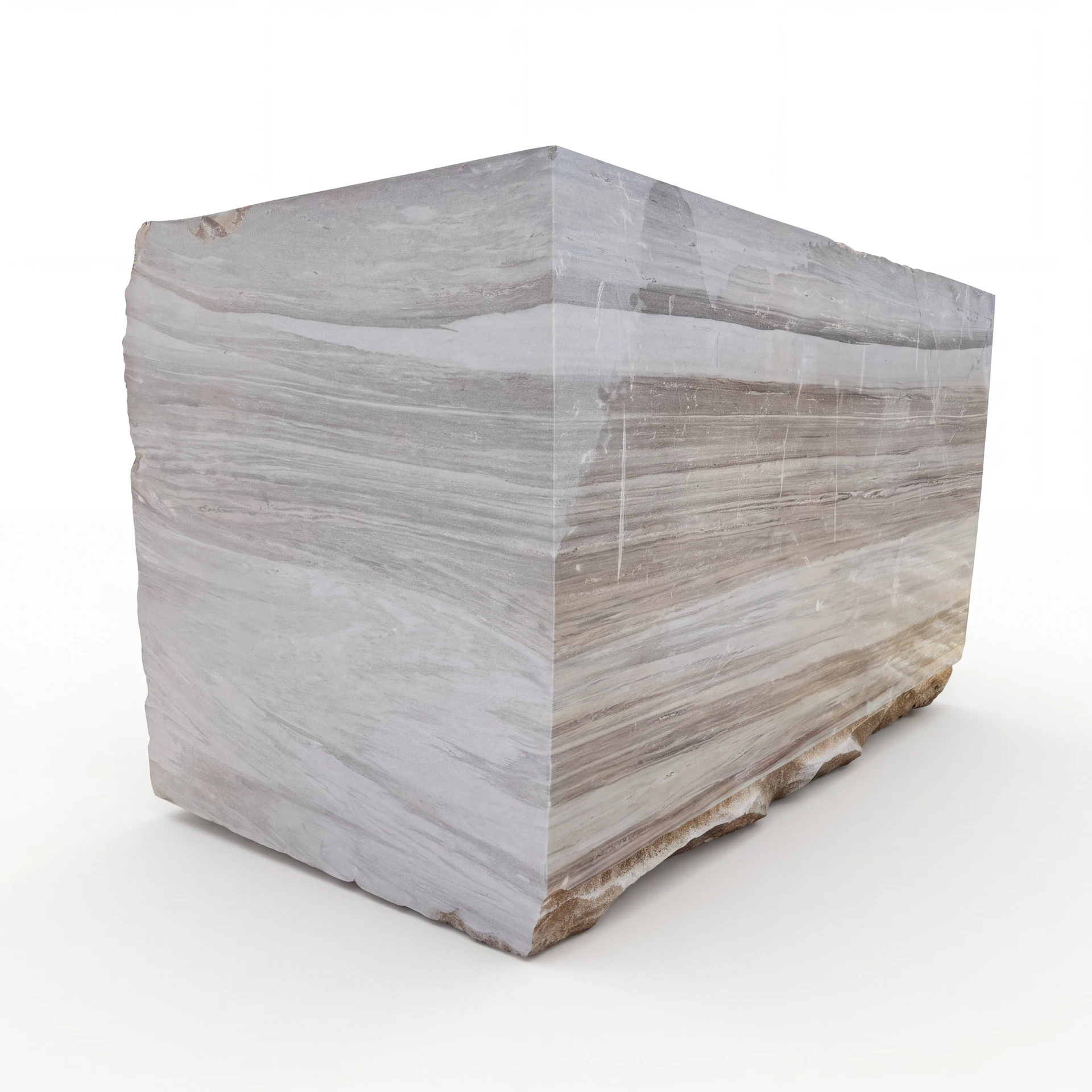
Palissandro Vein Cut Marble Block
View Material →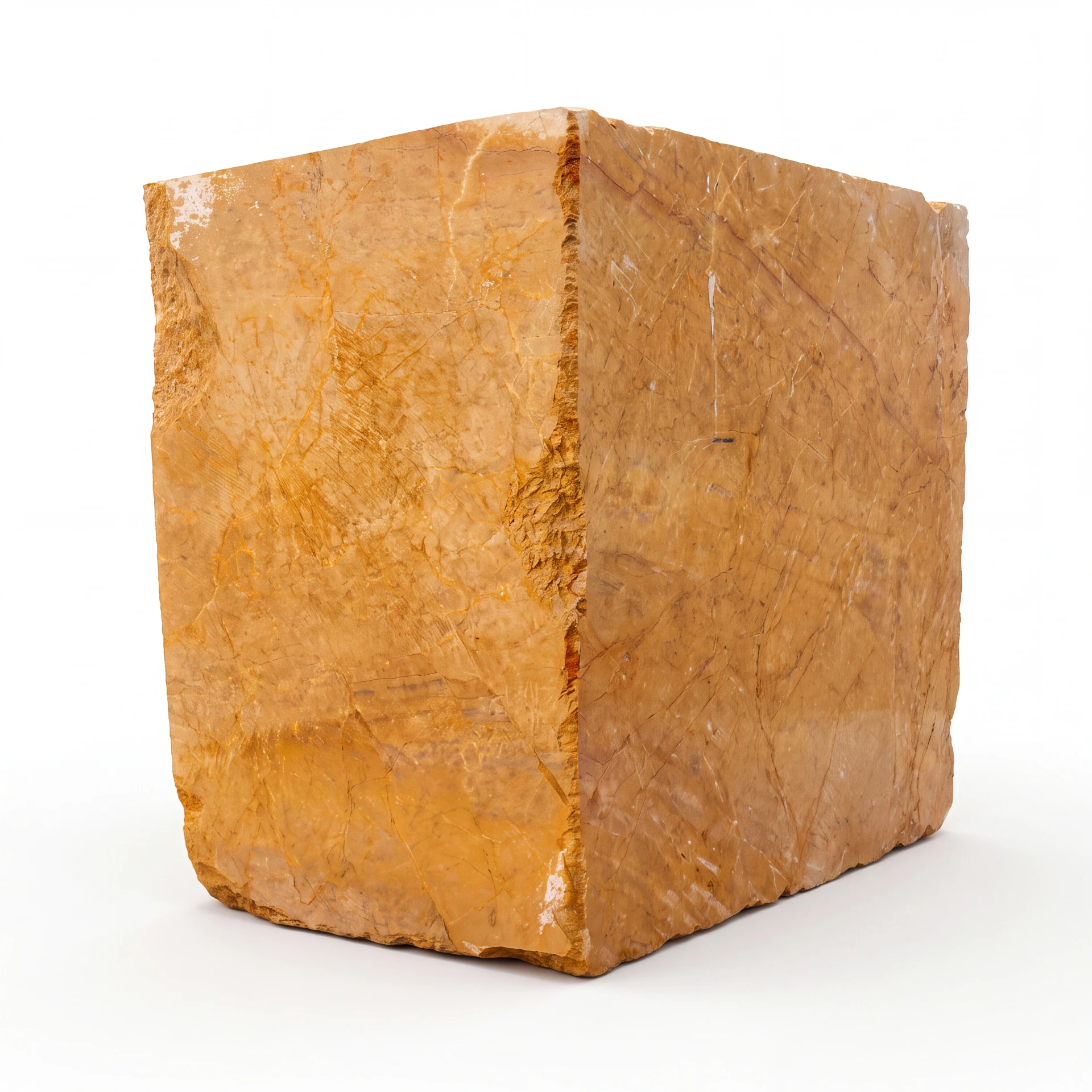
Golden Tobacco Marble Block
View Material →
Paradiso Granite Block
View Material →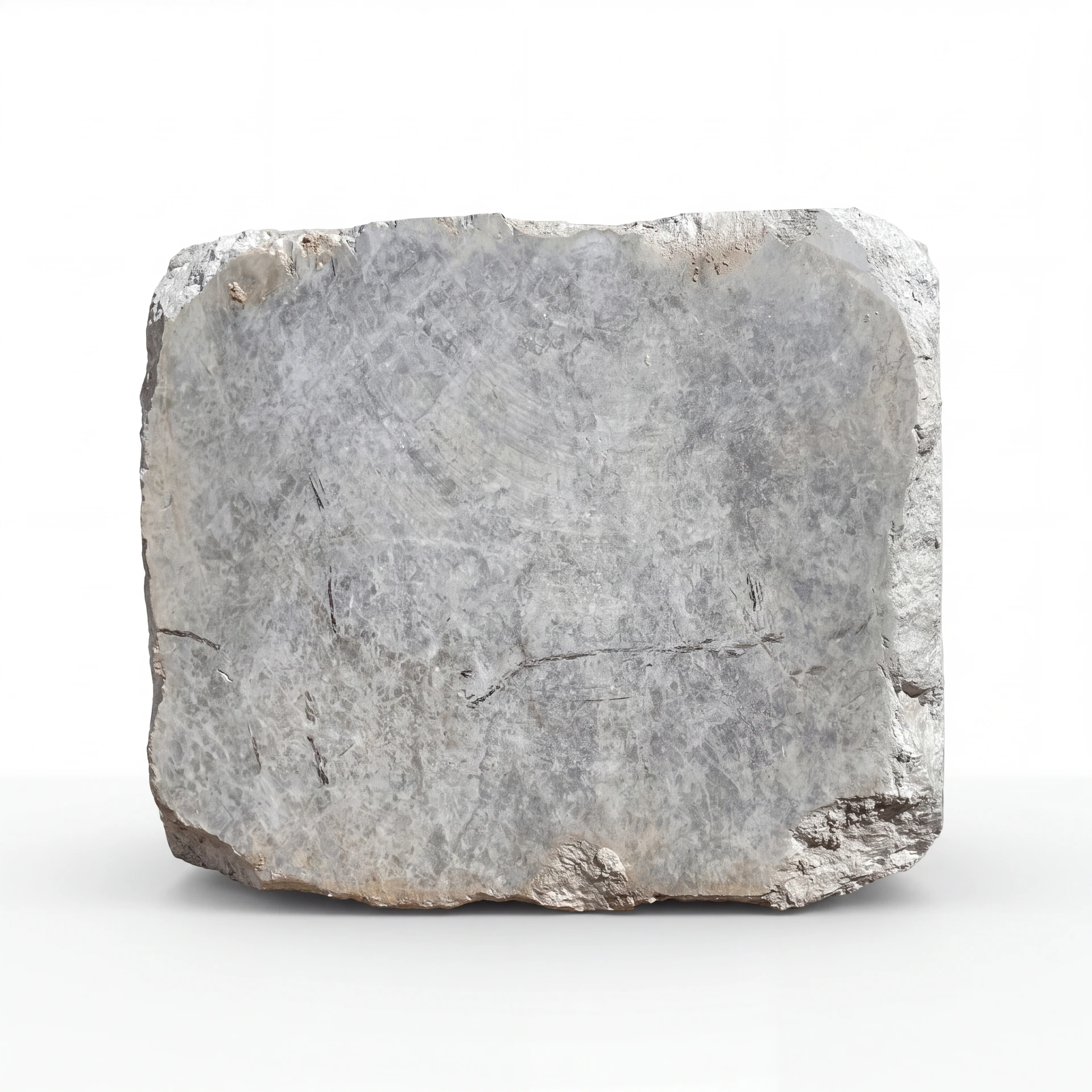
Tundra Gray Marble Block
View Material →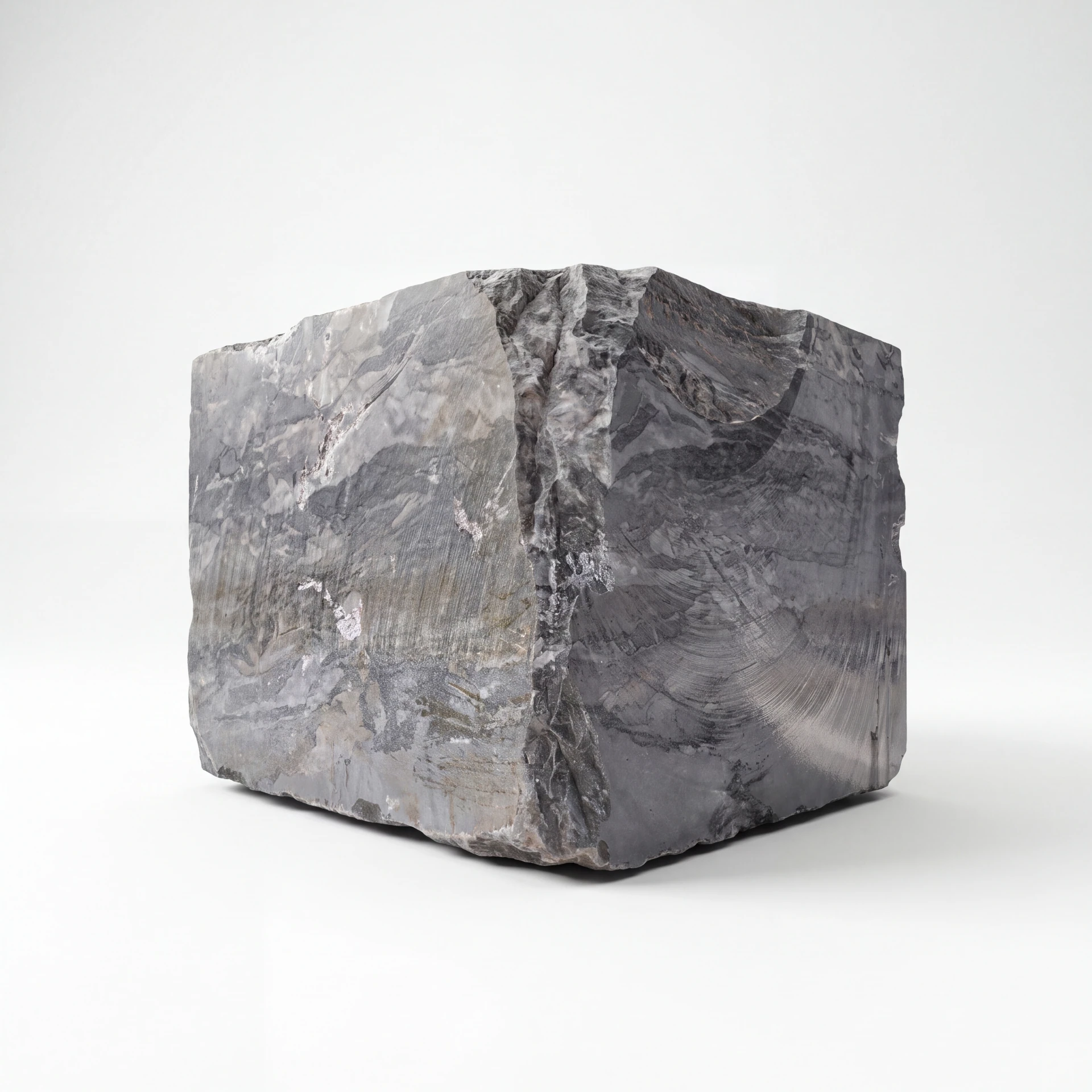
Bardiglio Black Afyon Gray Marble Block
View Material →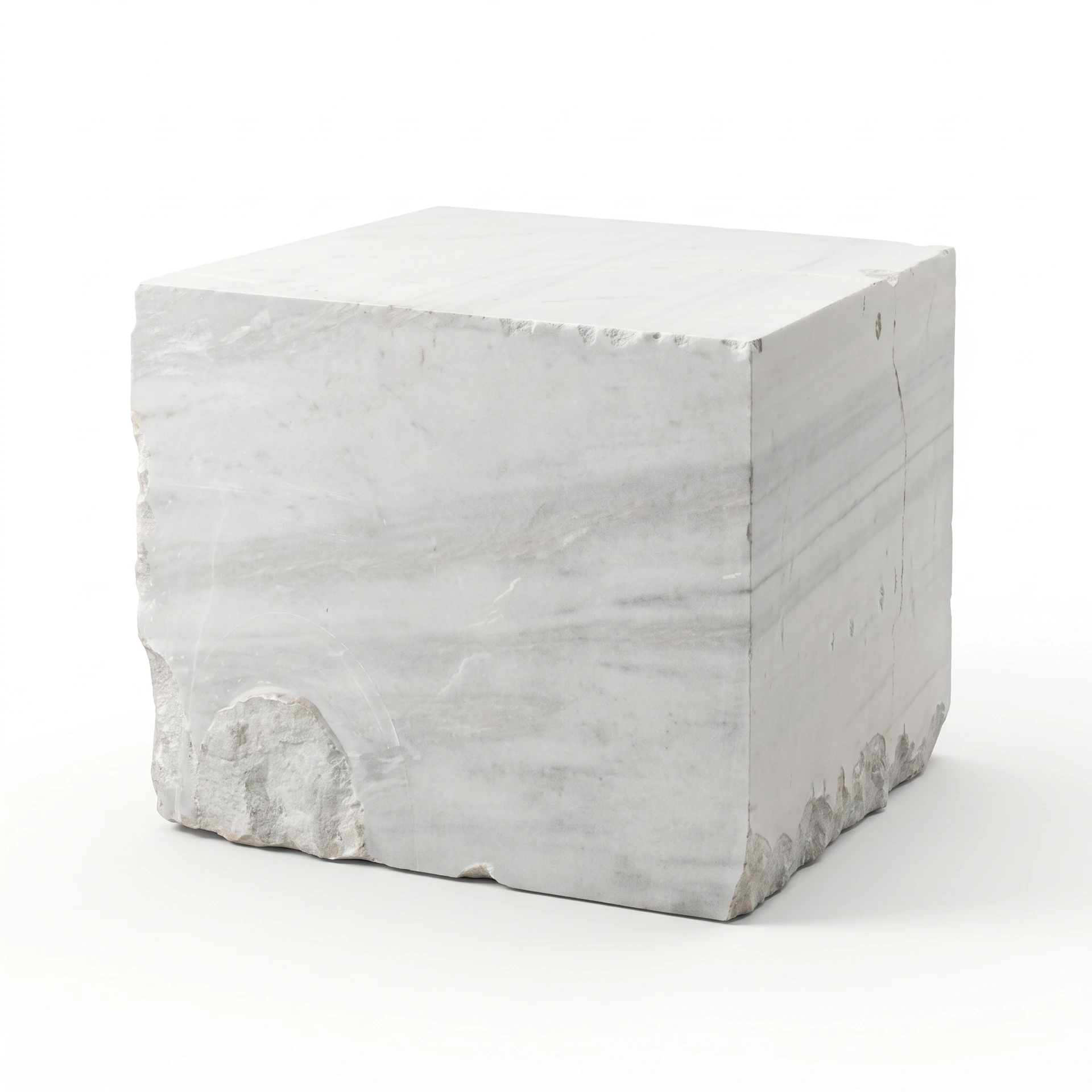
Marmara White Marble Block
View Material →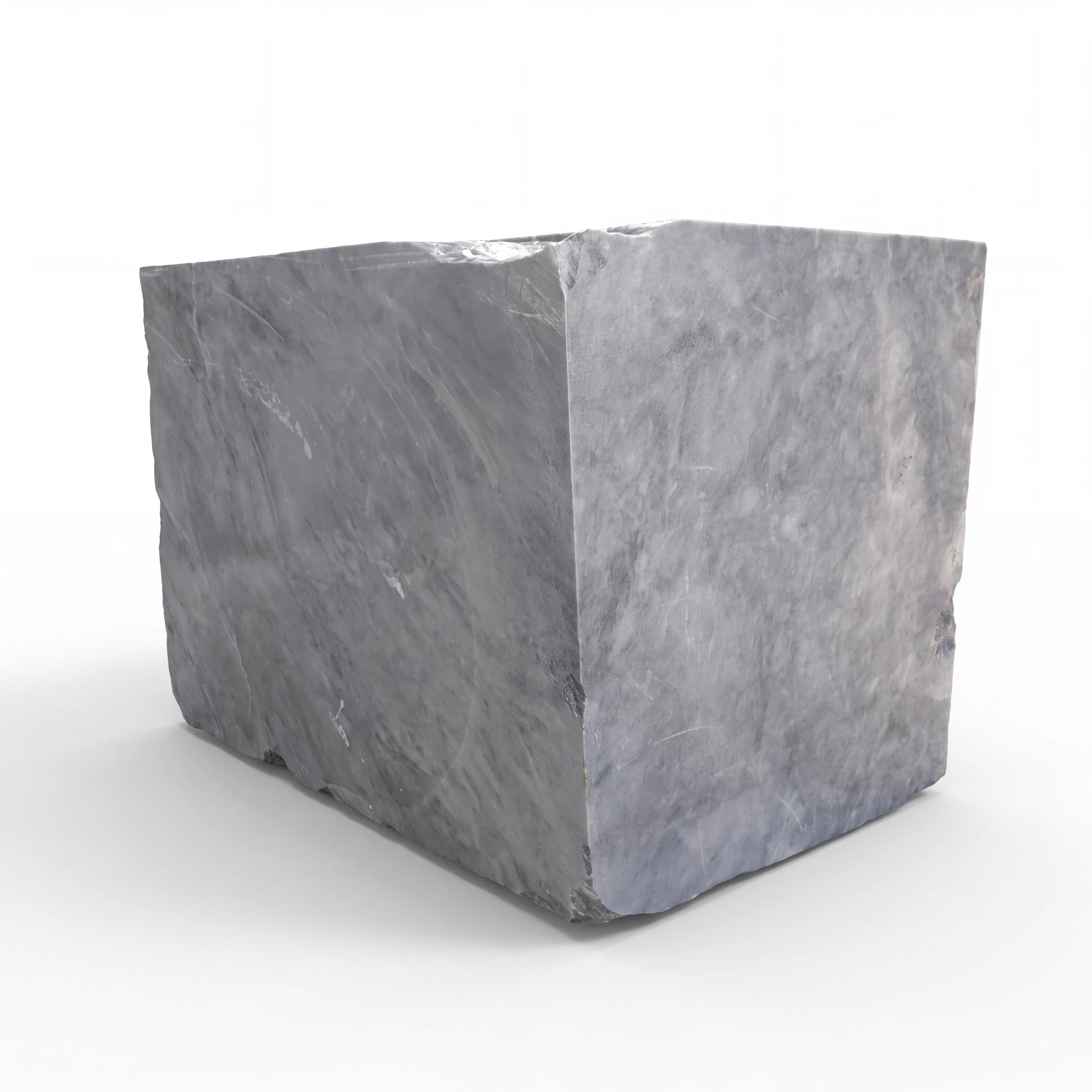
Blue Stone Afyon Gray Marble Block
View Material →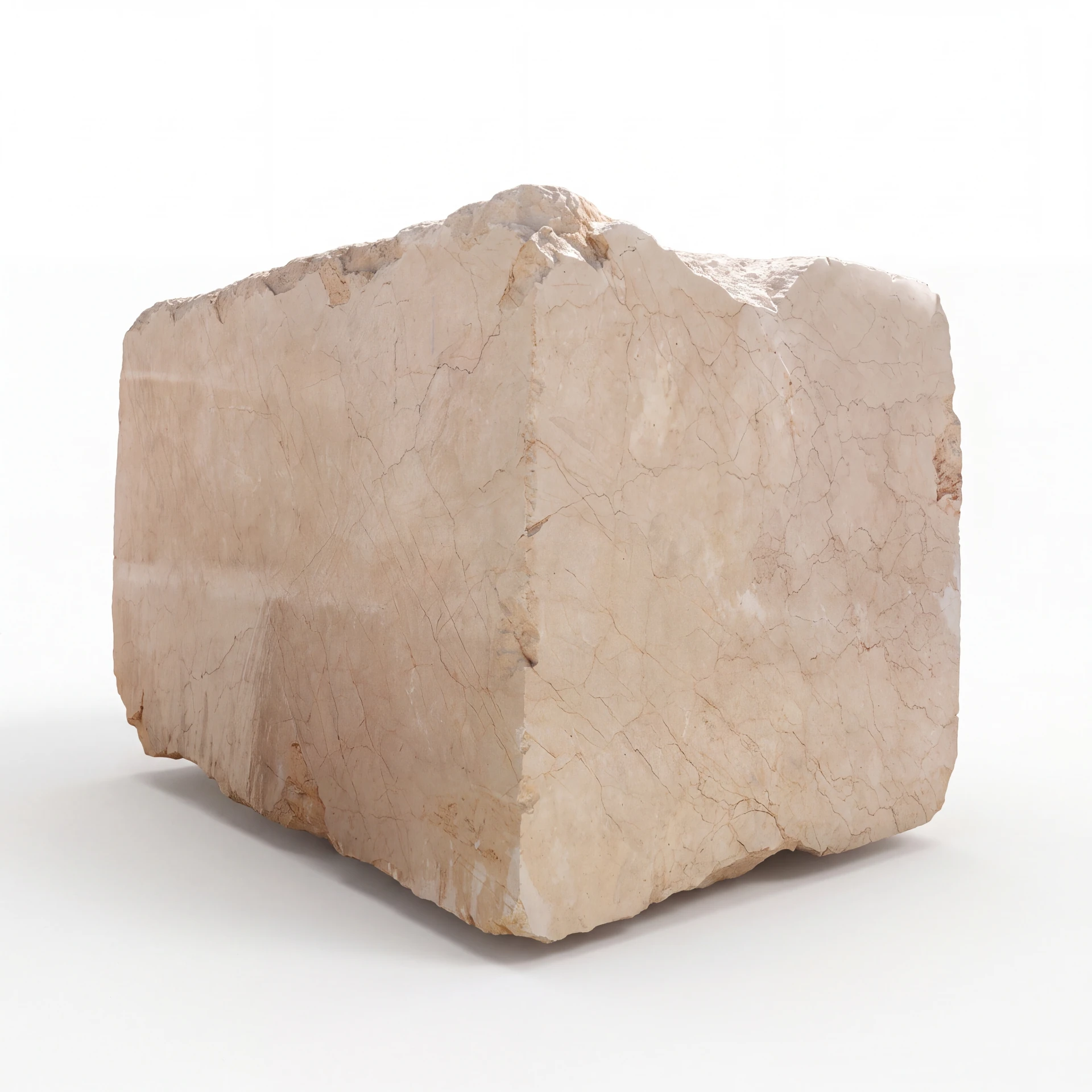
Rosalia Beige Marble Block
View Material →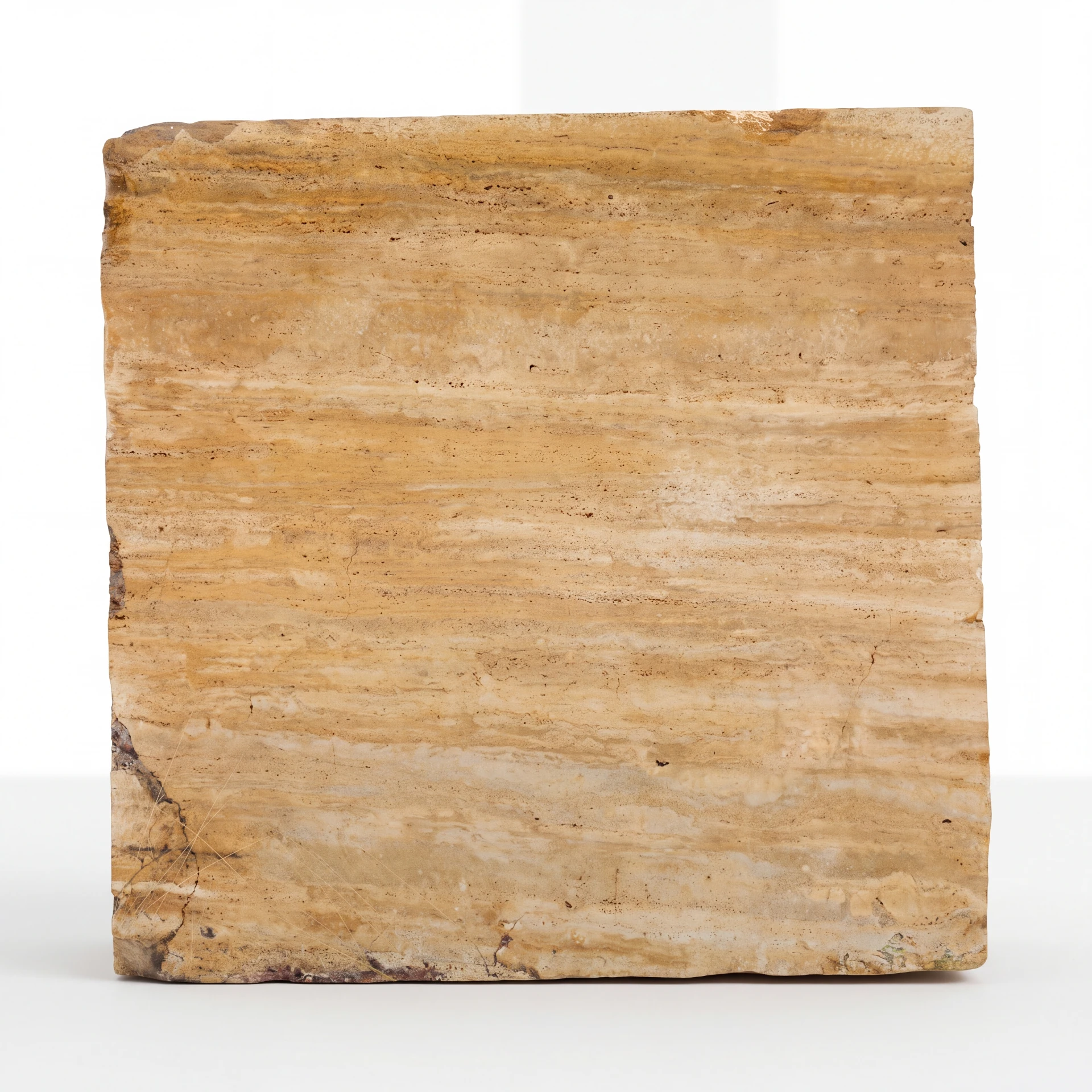
Saffron Travertine Vein Cut Block
View Material →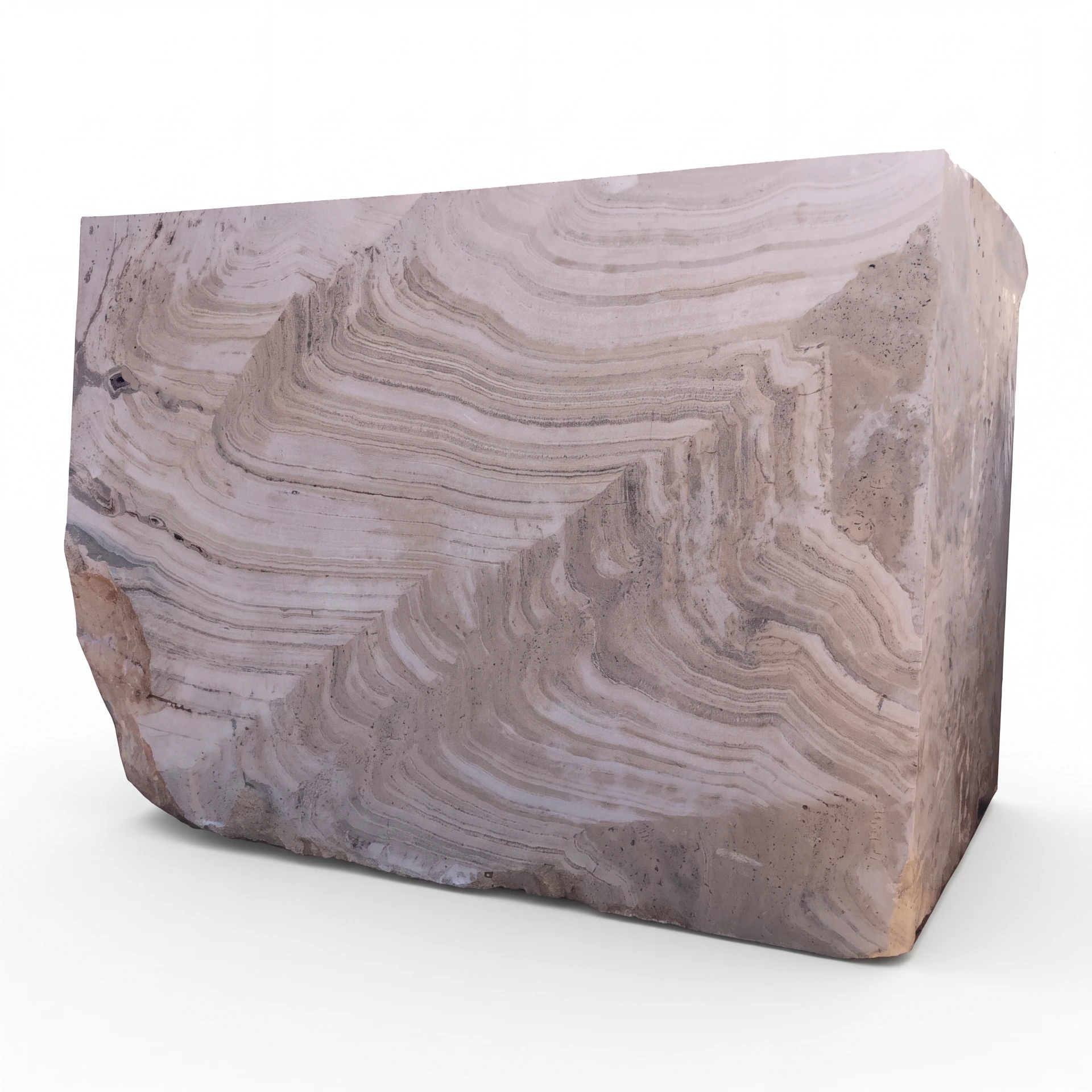
River Travertine Block
View Material →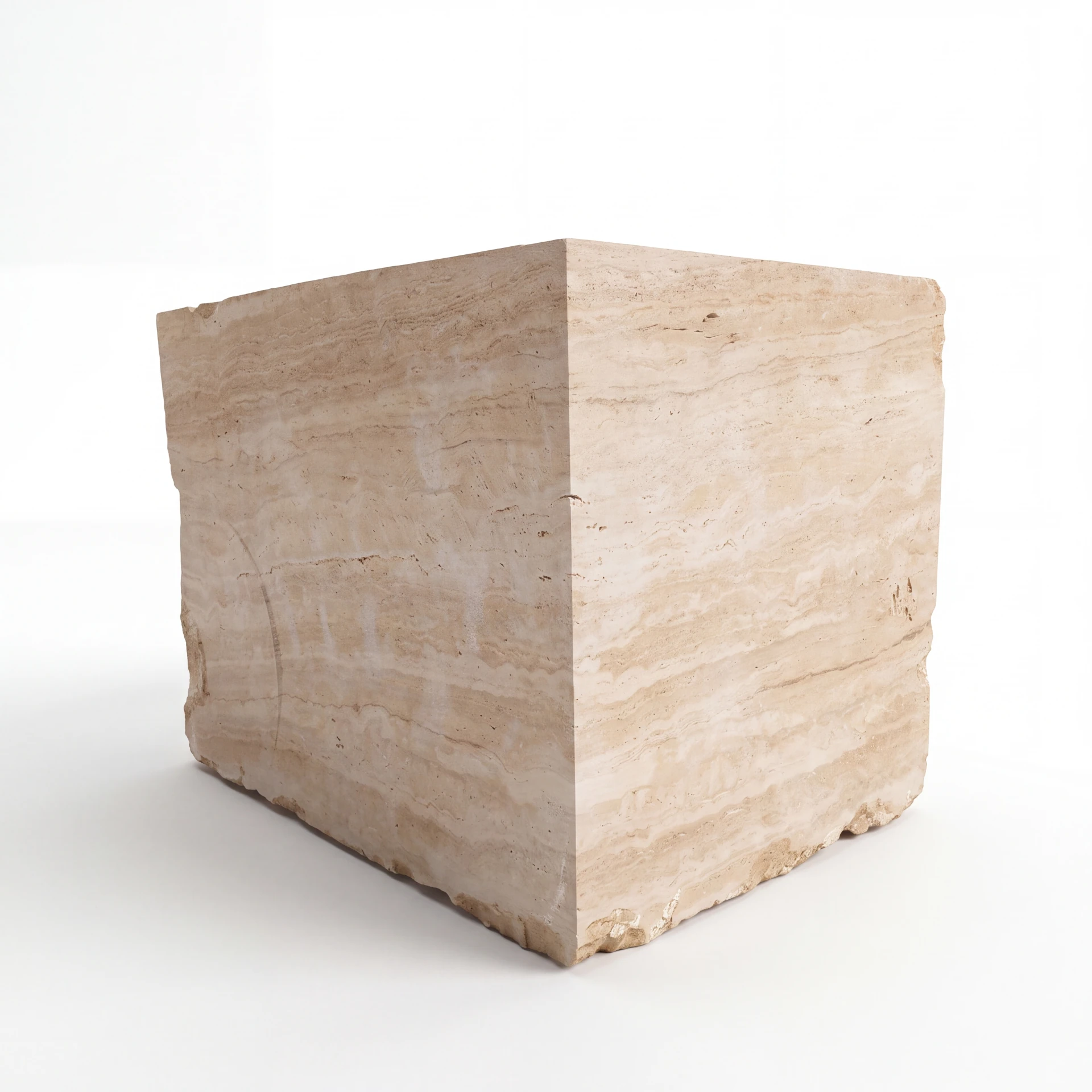
Classic Travertine Vein Cut Block
View Material →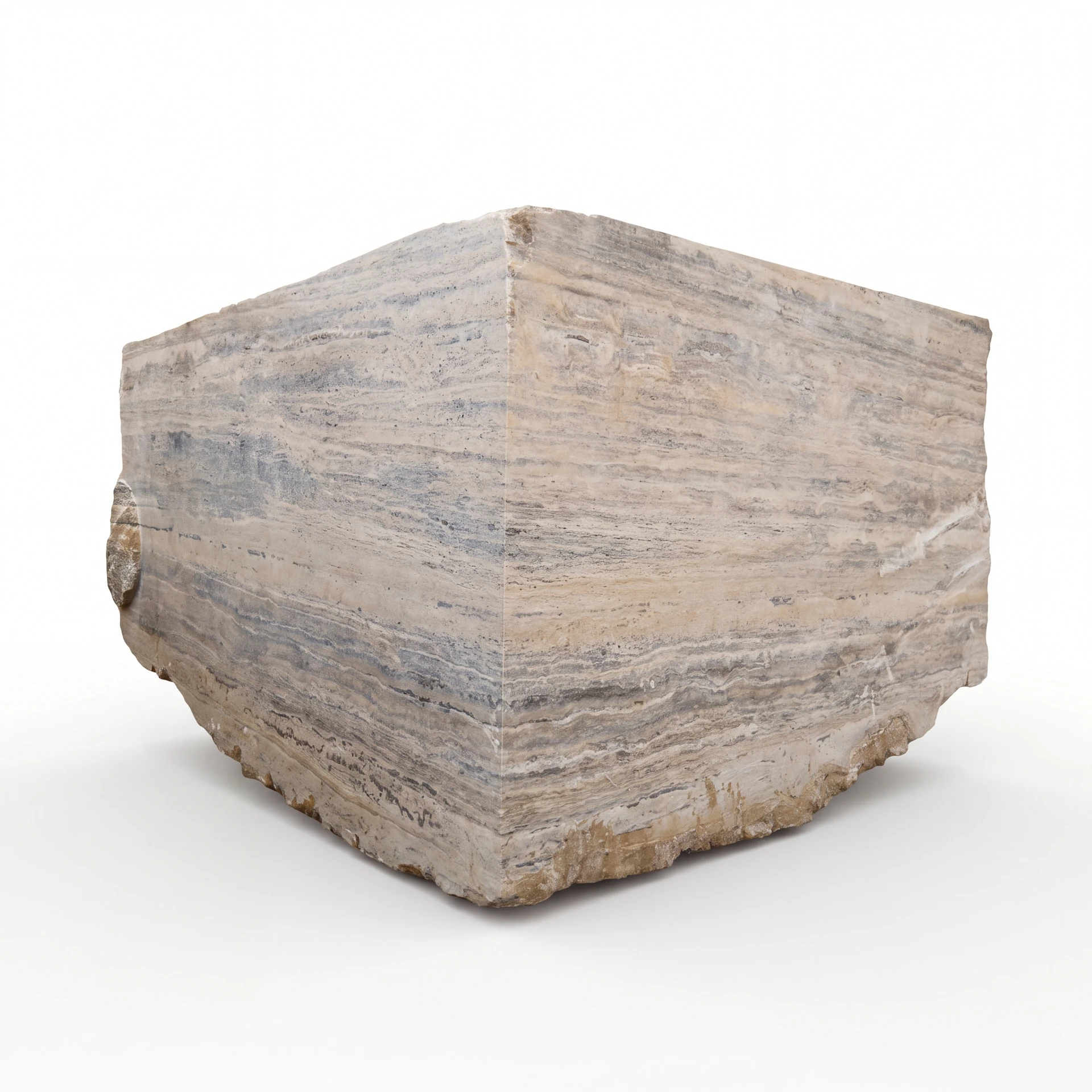
Royal Blend Travertine Block
View Material →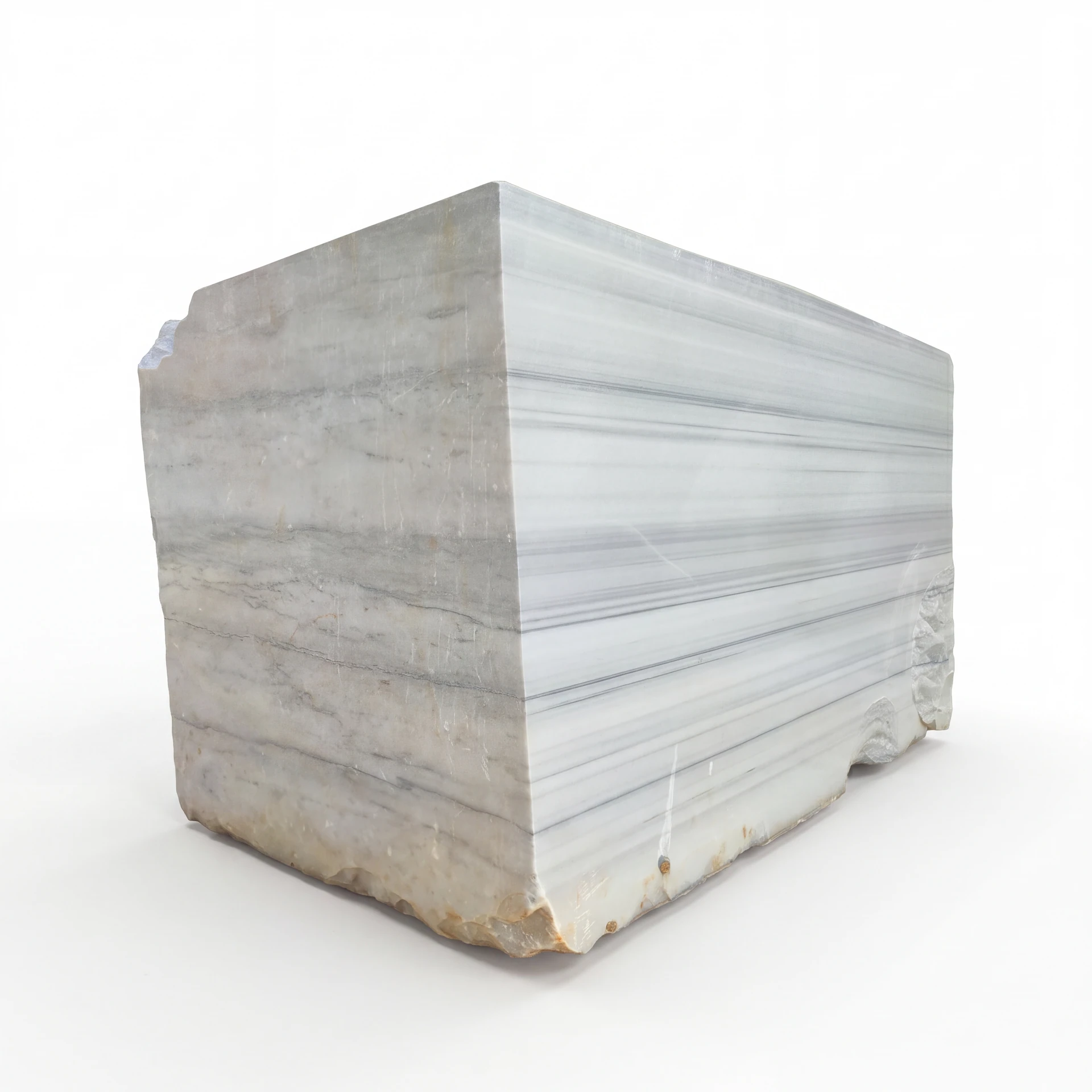
Marmara Equator Marble Block
View Material →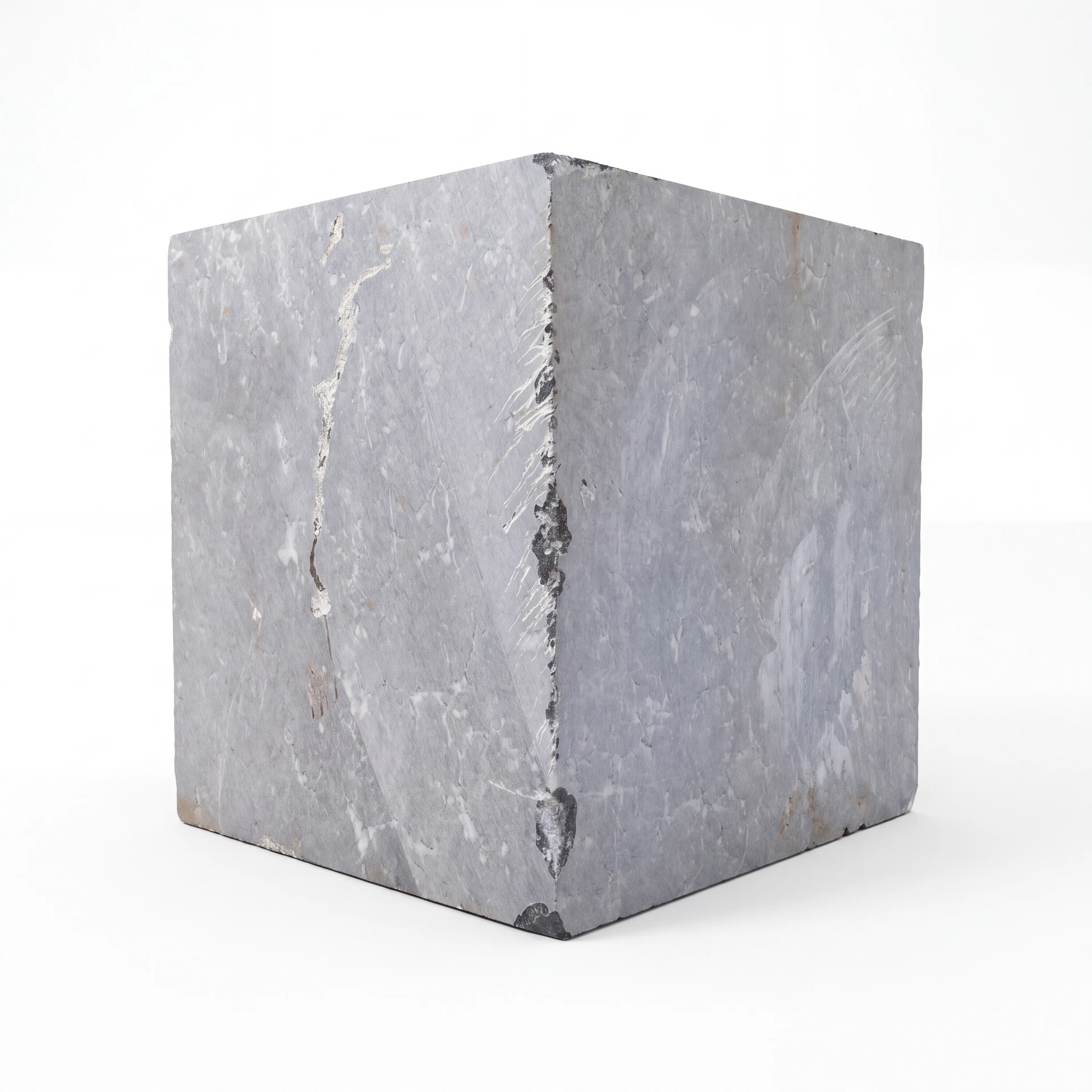
Bursa Black Marble Block
View Material →B2B Procurement Guide: Raw Natural Stone Blocks Sourcing and Technical Specifications
Raw Material Sourcing and Geological Assessment
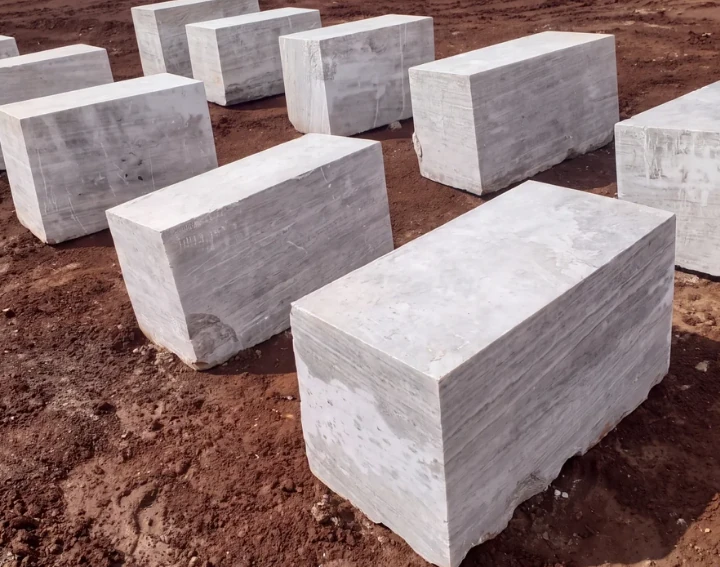
In utility-scale stone processing, the procurement of raw natural stone blocks represents the foundational phase of the supply chain. Sourcing begins at the quarry face, where geological formations dictate the physical properties, structural integrity, and aesthetic consistency of the extracted material. Industrial extraction utilizes advanced diamond wire saws, chain cutters, and controlled splitting techniques to isolate massive monolithic blocks from the mountain.
Geological assessment is critical prior to extraction. Petrographic analysis determines the mineral composition, density, water absorption, and compressive strength of the deposit. For high-traffic commercial projects or large-scale slab production, procurement teams must evaluate the quarry's yield capacity and the stability of the geological strata to ensure long-term material consistency across multiple shipments.
Dimensional Standards and Block Classification
Natural stone blocks are categorized primarily by their dimensions, weight, and suitability for specific processing machinery. Understanding these classifications is essential for optimizing yield and minimizing waste during gangsaw or block-cutter processing:
- Gangsaw Blocks (First Choice / Premium): These are large, well-shaped rectangular blocks typically measuring over 280 cm in length, 160 cm in height, and 150 cm in width. They are optimized for multi-blade gang saws to produce large-format slabs.
- Cutter Blocks (Standard / Medium): Smaller or semi-irregular blocks, often processed using single-blade or multi-disc block cutters. These are ideal for producing tiles, strips, or custom architectural elements.
- Semi-Blocks and Irregular Blocks: Blocks with non-standard geometries or minor structural defects, often utilized for smaller dimensional stone products, paving, or rustic architectural applications.
Weight limitations are a critical logistical factor. Standard blocks typically range from 15 to 30 metric tons. Procurement specifications must align with the lifting capacity of the quarry cranes, transport vehicles, and the receiving processing facility's overhead cranes.
Block Dressing and Preparation
Before transport, raw blocks undergo "dressing"—the process of squaring the block's faces. Dressing removes irregular protrusions, weathered outer layers, and unstable corners. A properly dressed block ensures maximum utilization of the gangsaw blade stroke, reduces tool wear, and minimizes the risk of block collapse during the sawing process.
For specific material types, specialized block preparation is required. For instance, when sourcing Marble Blocks, structural integrity is assessed for micro-fissures, which may require vacuum-bagging with epoxy resin prior to sawing. Similarly, sourcing Travertine Blocks requires evaluating the orientation of the sedimentary bedding planes to determine whether the block should be cut vein-cut (parallel to bedding) or cross-cut (perpendicular to bedding). For high-density igneous materials, sourcing Granite Blocks demands precise diamond wire cutting to handle the high quartz content and extreme compressive strength of the material.
B2B Procurement Parameters and Quality Control
Successful B2B procurement of natural stone blocks requires rigorous quality control protocols at the quarry site. Buyers should establish a standardized inspection checklist covering the following parameters:
- Defect Mapping: Inspect all six faces of the block for structural defects, including open fissures, dry seams, vents, and quartz veins that could cause breakage during slab production.
- Color and Pattern Uniformity: Assess the block's color consistency, veining patterns, and the presence of unwanted mineral inclusions or color variations.
- Dimensional Tolerance: Verify that the block meets the minimum usable dimensions (net dimensions) rather than just the gross dimensions, ensuring accurate yield calculations.
- Marking and Traceability: Ensure each block is clearly marked with its unique quarry ID, block number, bench level, weight, and dimensional data to maintain traceability throughout the manufacturing process.
Frequently Asked Questions


Supply Notes
Sizing, finishing and selection support.
Custom sizes
Coordinate availability, production details and documentation with the Efesus Stone team.
Project finishes
Coordinate availability, production details and documentation with the Efesus Stone team.
Export packing
Coordinate availability, production details and documentation with the Efesus Stone team.