
Travertine / Blocks
Travertine Blocks
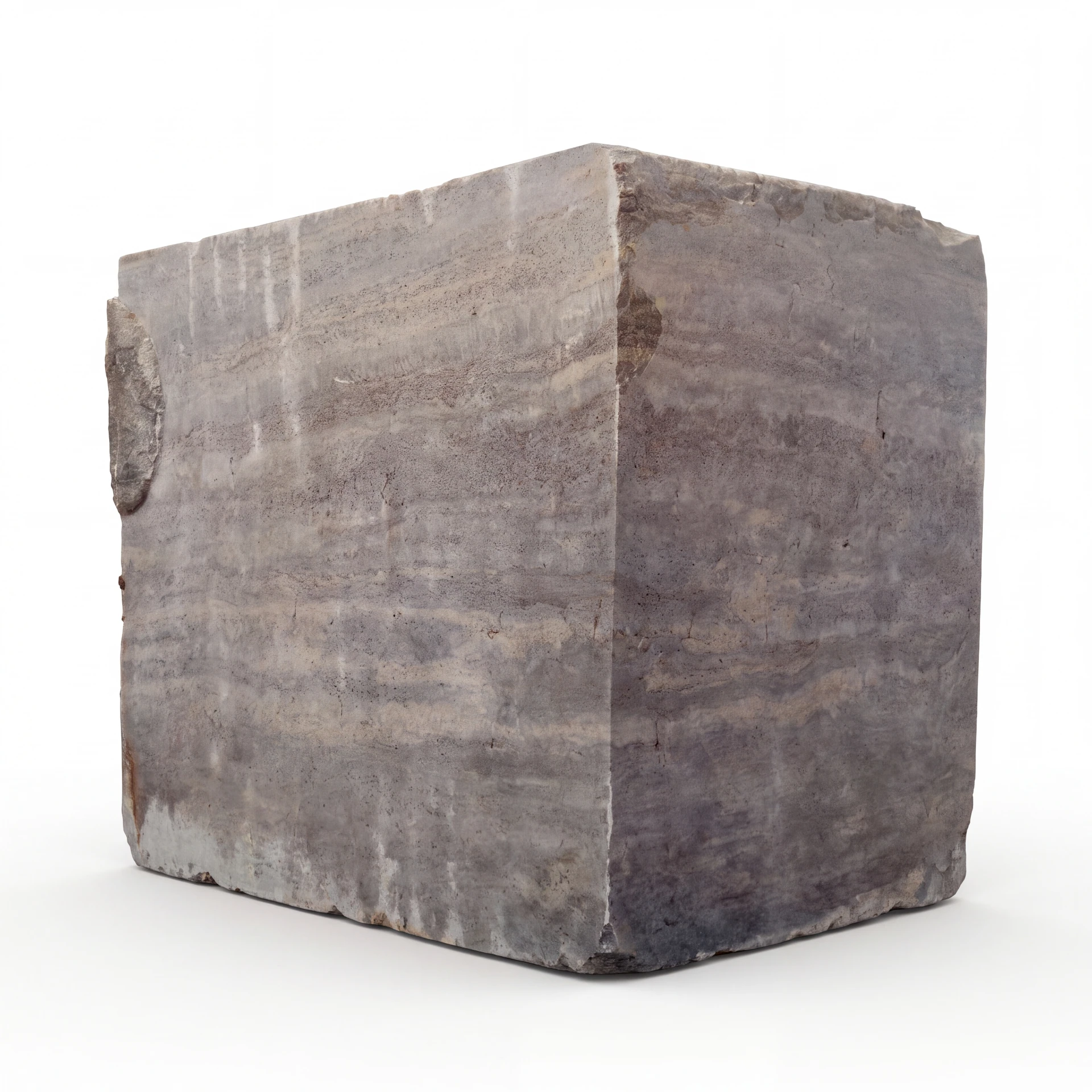
Silver Travertine Vein Cut Premium Block
View Material →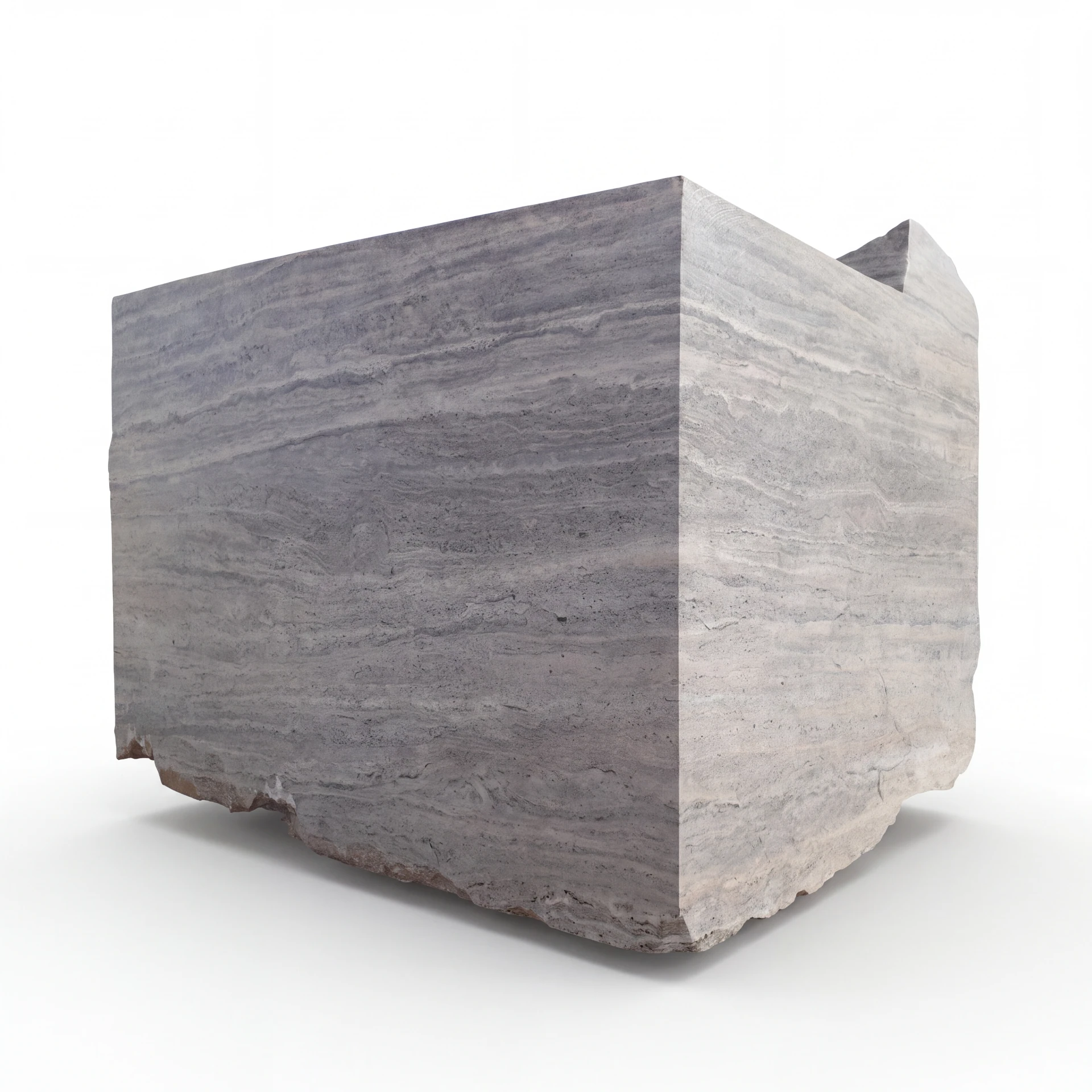
Silver Travertine Vein Cut Block
View Material →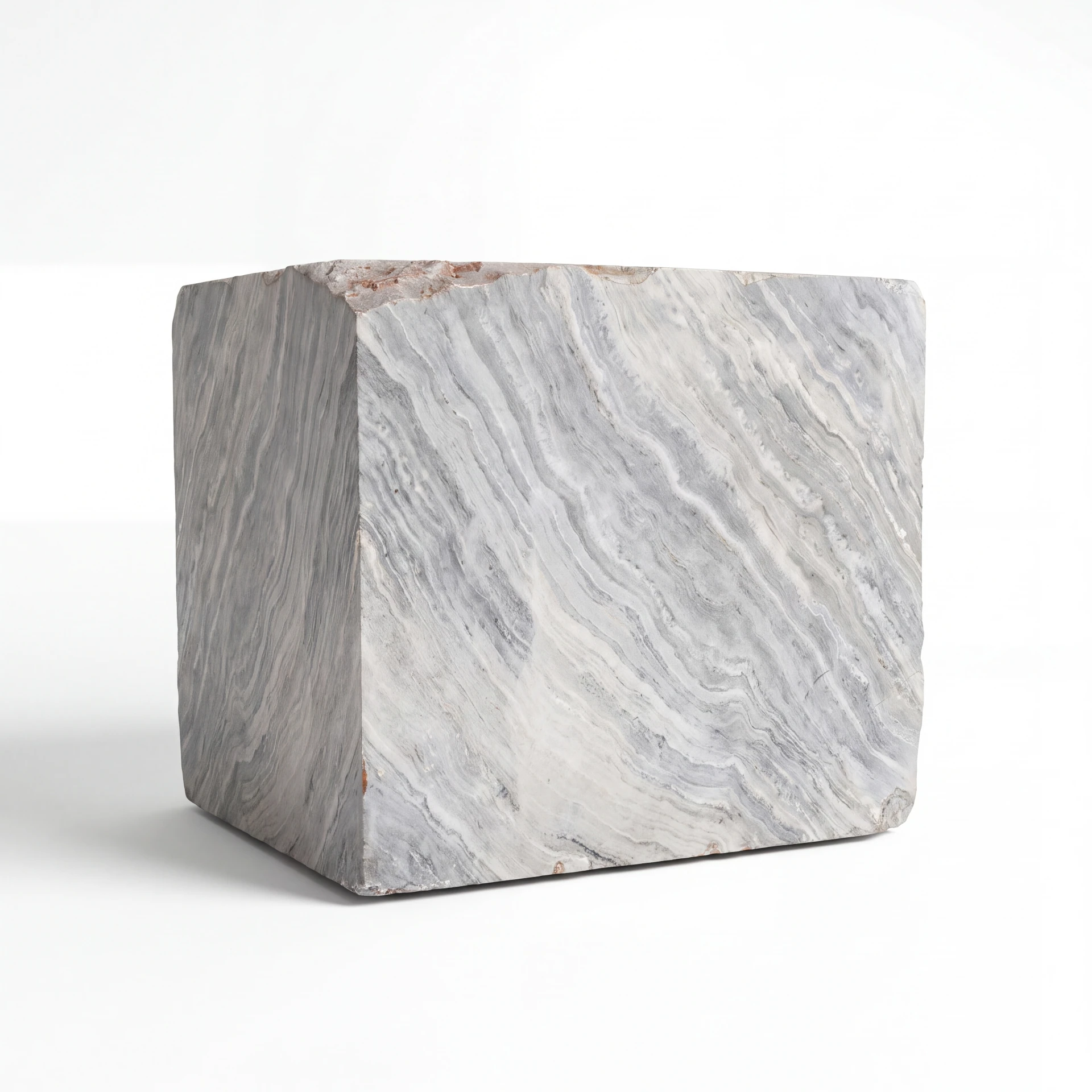
Silver Travertine Wave Block
View Material →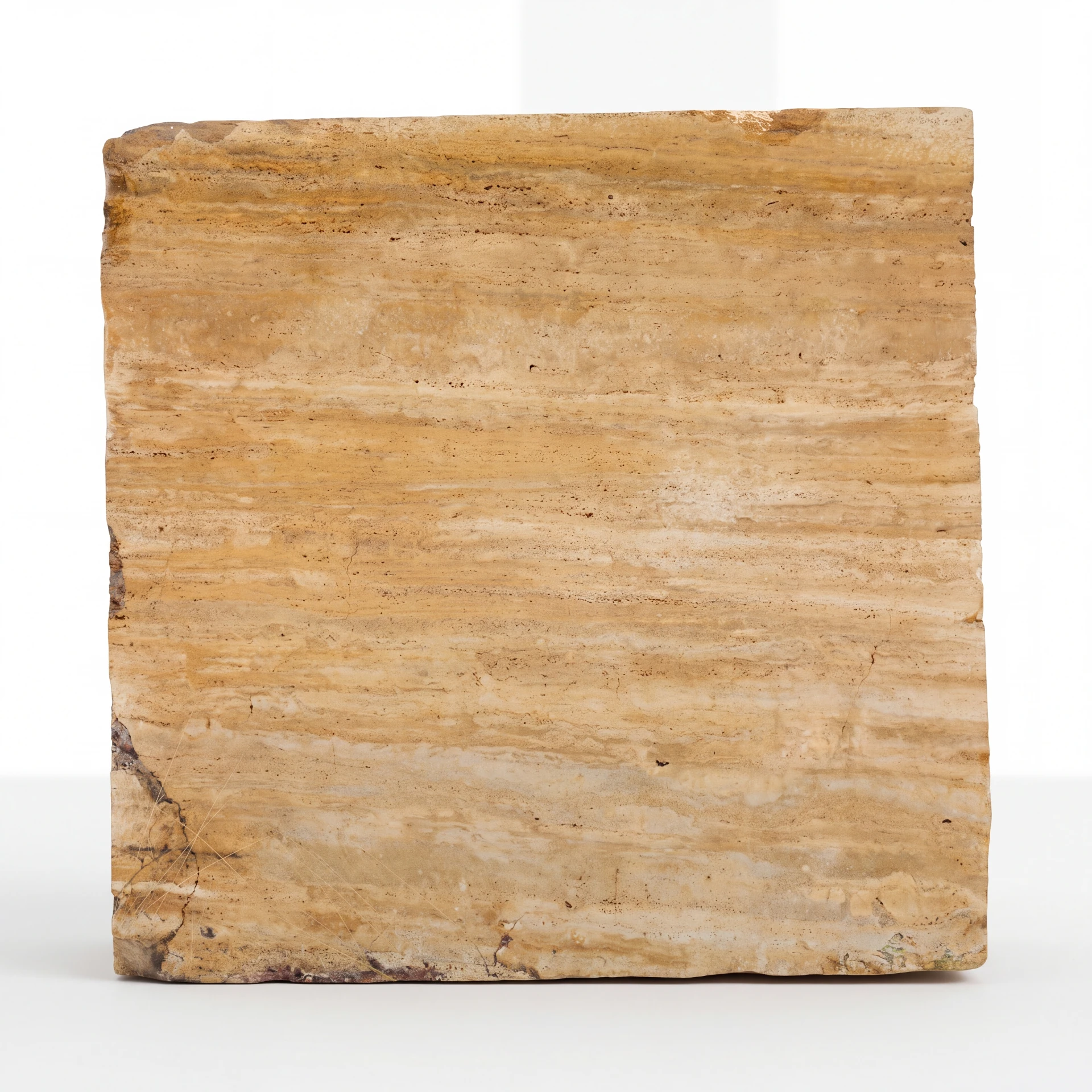
Saffron Travertine Vein Cut Block
View Material →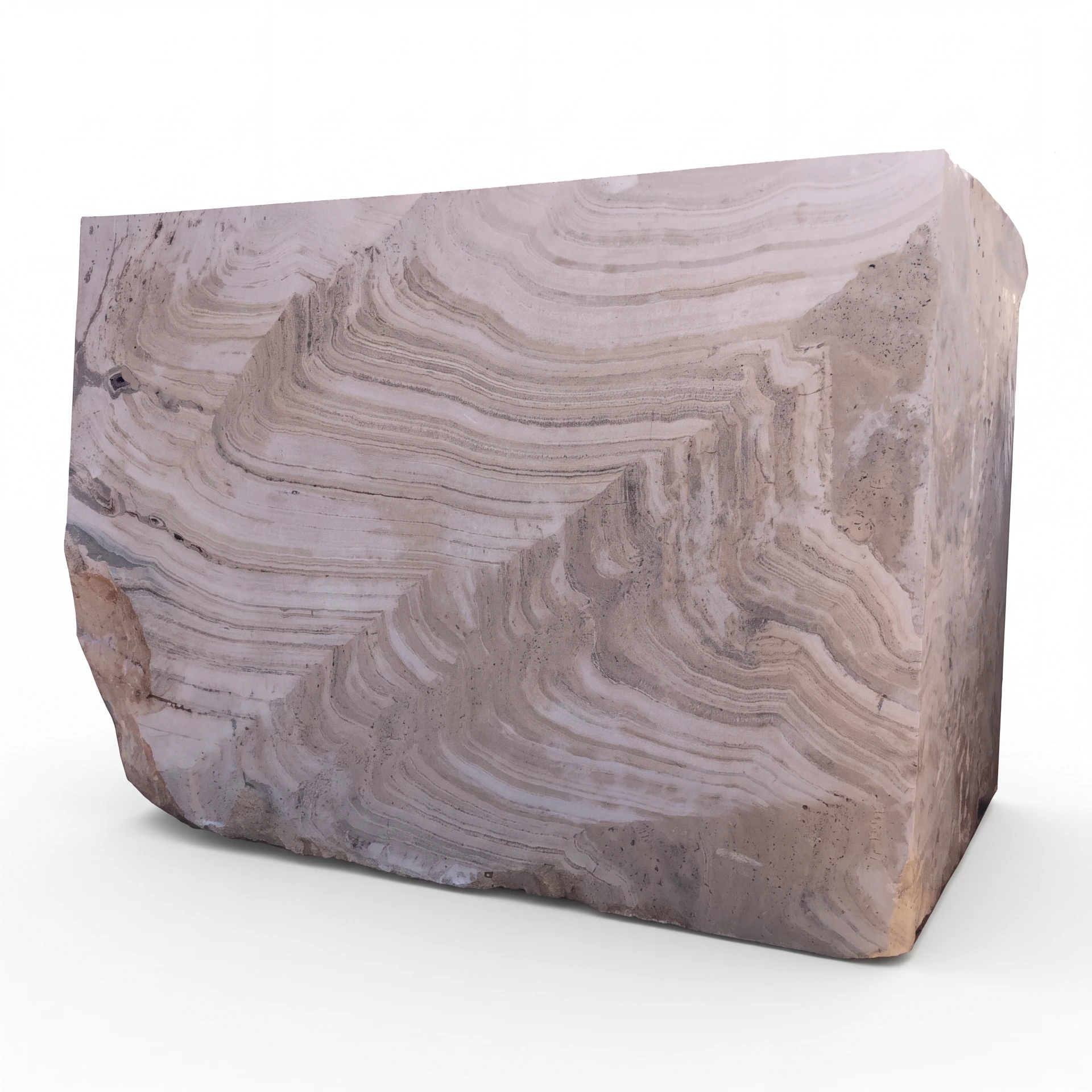
River Travertine Block
View Material →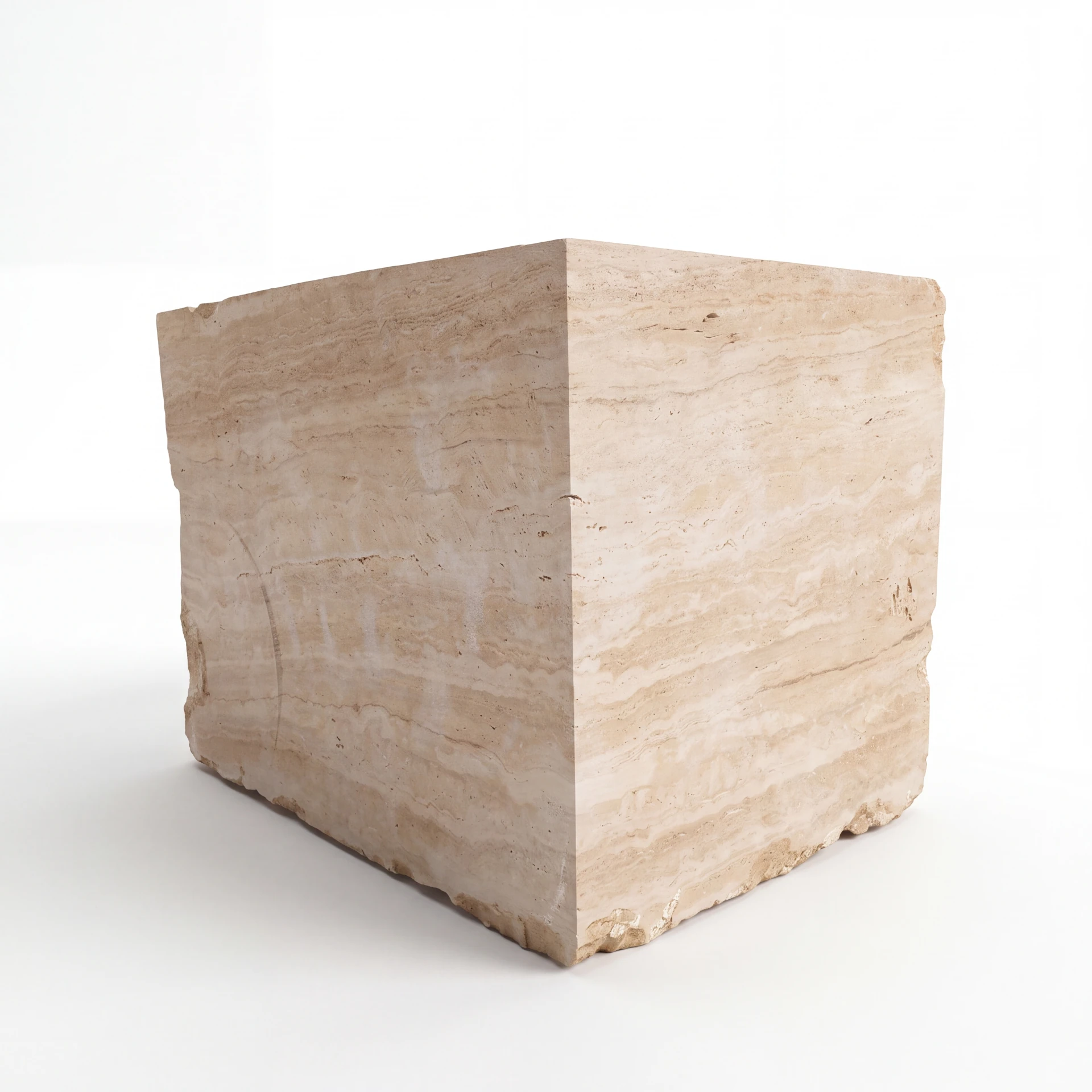
Classic Travertine Vein Cut Block
View Material →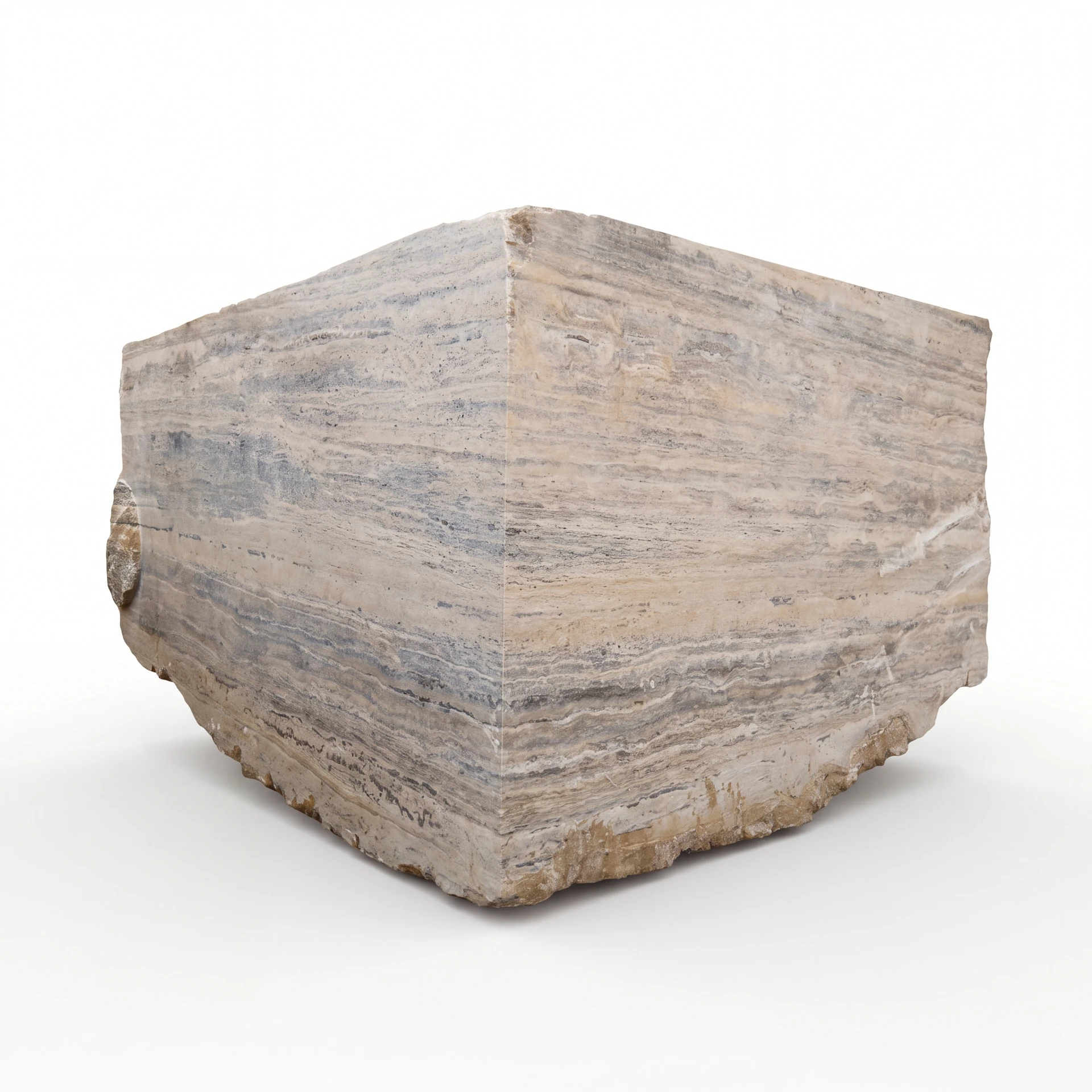
Royal Blend Travertine Block
View Material →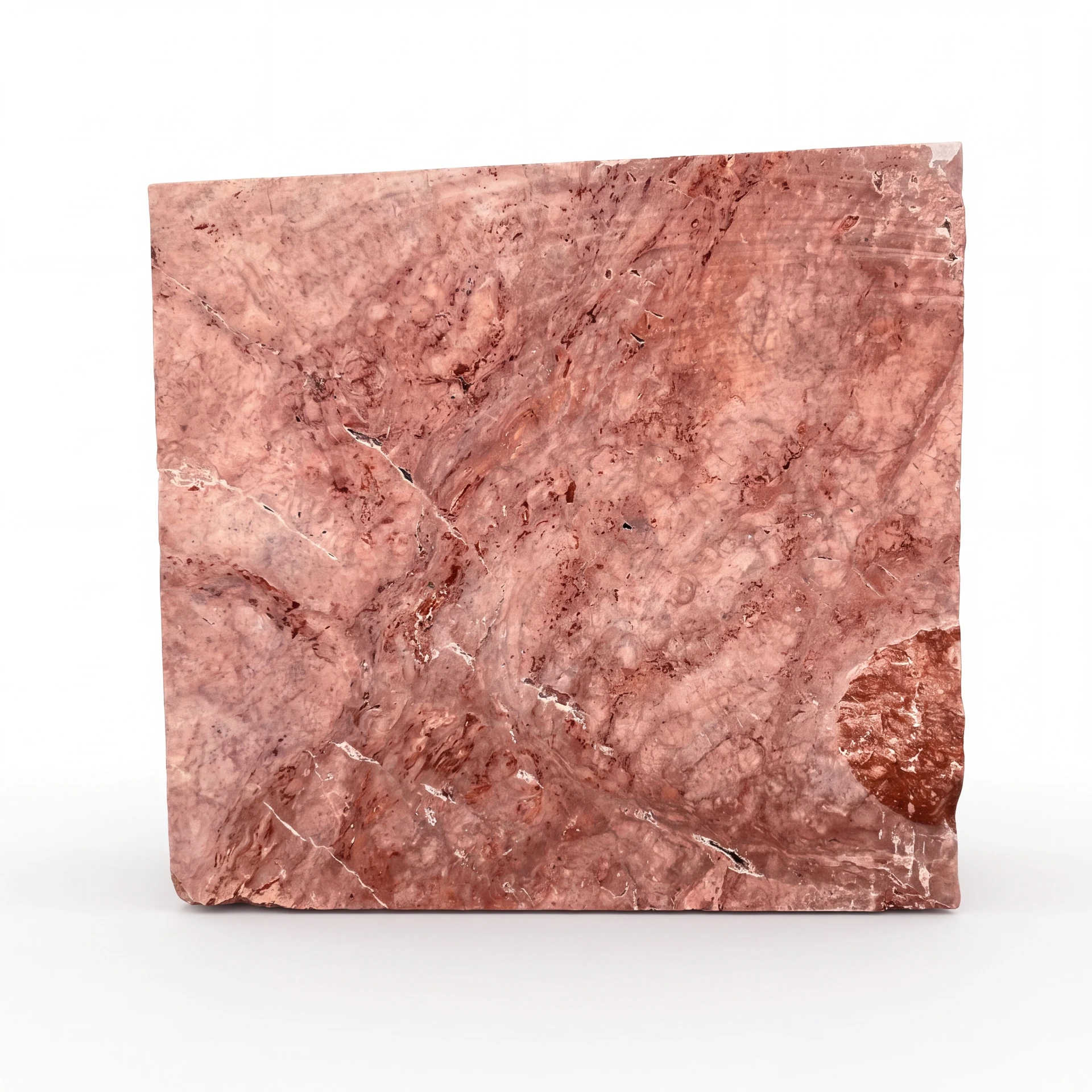
Red Travertine Cross Cut Block
View Material →
Silver Travertine Cross Cut Premium Block
View Material →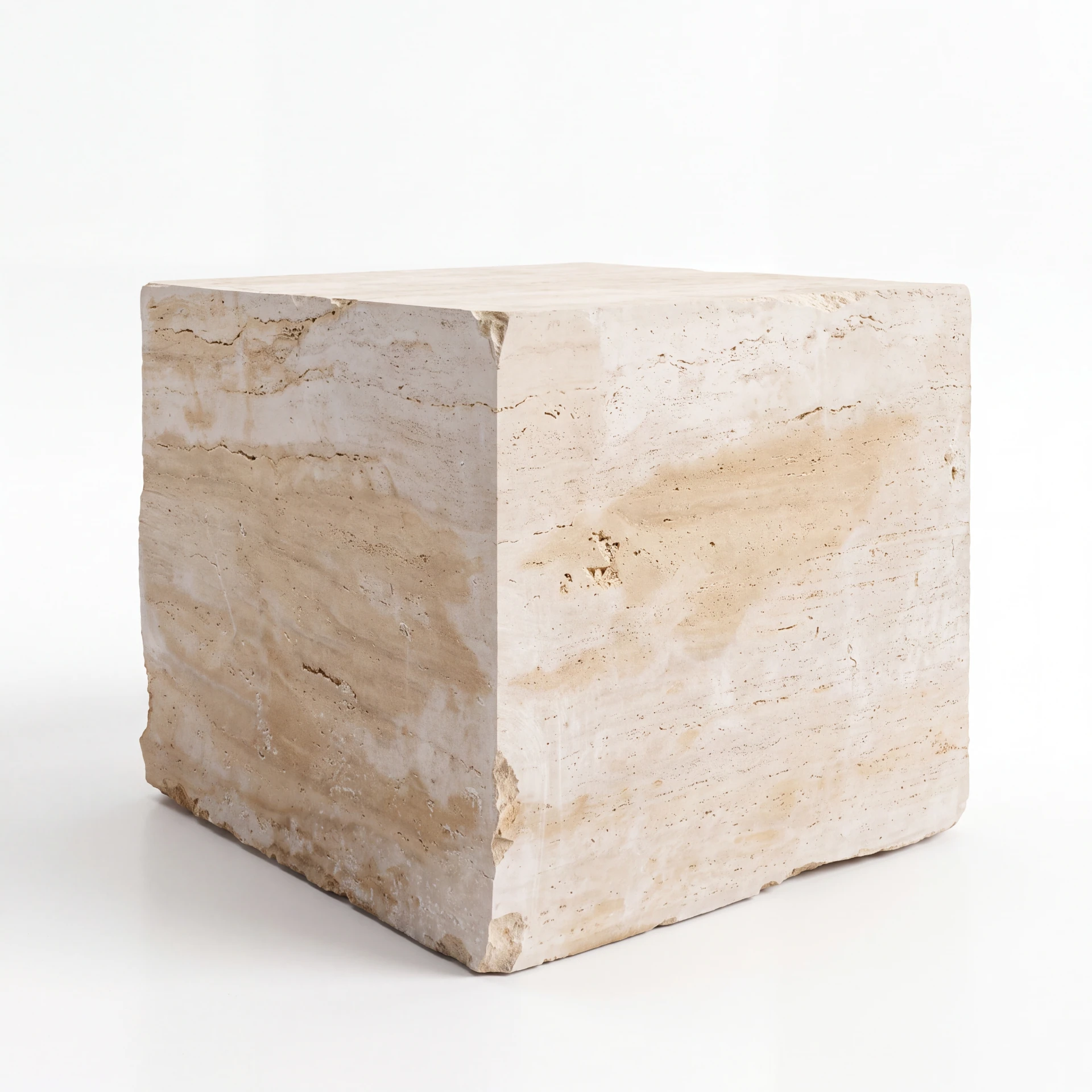
White Travertine Vein Cut Block
View Material →B2B Procurement Guide for Raw Travertine Blocks
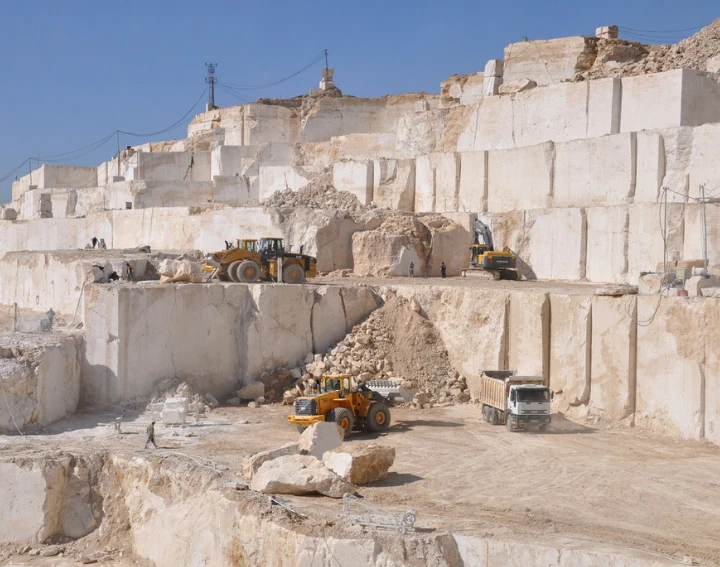
Geological Formation and Quarrying of Travertine Blocks
Travertine is a terrestrial sedimentary rock formed by the precipitation of calcium carbonate minerals from geothermal hot springs or cold springs. This natural geological deposition creates its distinct porous structure and bandings, which are highly valued in modern architectural designs. Sourcing raw travertine blocks directly from Turkish quarry regions requires an understanding of density grading, pore distribution, and block soundness. Procurement professionals select blocks to ensure uniform processing results in gang saw facilities.
Selecting raw blocks is the first step in importing high-quality building products. For example, the premium Red Travertine block offers a unique, vibrant color scheme that makes a bold statement. For classical projects, sourcing the White Travertine Block 1002 yields light-colored slabs with excellent thermal properties. To achieve contemporary, high-movement grey aesthetics, the Silver Travertine Vein Cut Block 1002 is highly recommended for its strength and parallel bedding lines. Sourcing raw travertine blocks from established quarries guarantees that the material is structurally sound and free from clay inclusions that could compromise yields.
Mineralogical characteristics determine how raw travertine performs. Composed primarily of calcite and aragonite minerals, travertine blocks have a Mohs hardness of 3 to 4. Under compressive strength testing, high-quality travertine blocks demonstrate ratings between 50 to 80 MPa. Due to the natural gas pockets formed during deposition, raw blocks are graded by pore density, which determines whether the processed stone requires filling (using cement or resin) or can be left unfilled for a rustic look.
Dimensional Standards and Sorting in Block Sourcing
Tendering specifications for raw stone require clear classification. Standard travertine blocks are categorized into premium, select, and commercial grades. Premium blocks have square shapes, uniform bedding patterns, and minimal large voids, maximizing slab yields on gang saws. Commercial grades may show larger cavities or shape irregularities that require custom processing layouts.
Block dimensions are determined by the quarry extraction methods and road transport weight limits. Standard blocks typically measure 220 cm to 310 cm in length, 120 cm to 180 cm in height, and 120 cm to 160 cm in width, with weights ranging from 15 to 22 metric tons. Sourcing rectangular travertine blocks ensures that processing facilities can optimize cutting yields. Prior to placing orders, procurement managers must coordinate transport capacities and harbor weight restrictions.
Cutting Methods and Yield Optimization
The mechanical processing of raw blocks determines the aesthetic pattern of the finished stone. Cutting blocks parallel to the natural bedding plane (vein cut) produces parallel, linear bands that highlight the mineral layers. Cutting perpendicular to the bedding plane (cross cut) yields a cloudy, circular texture with a more uniform color distribution.
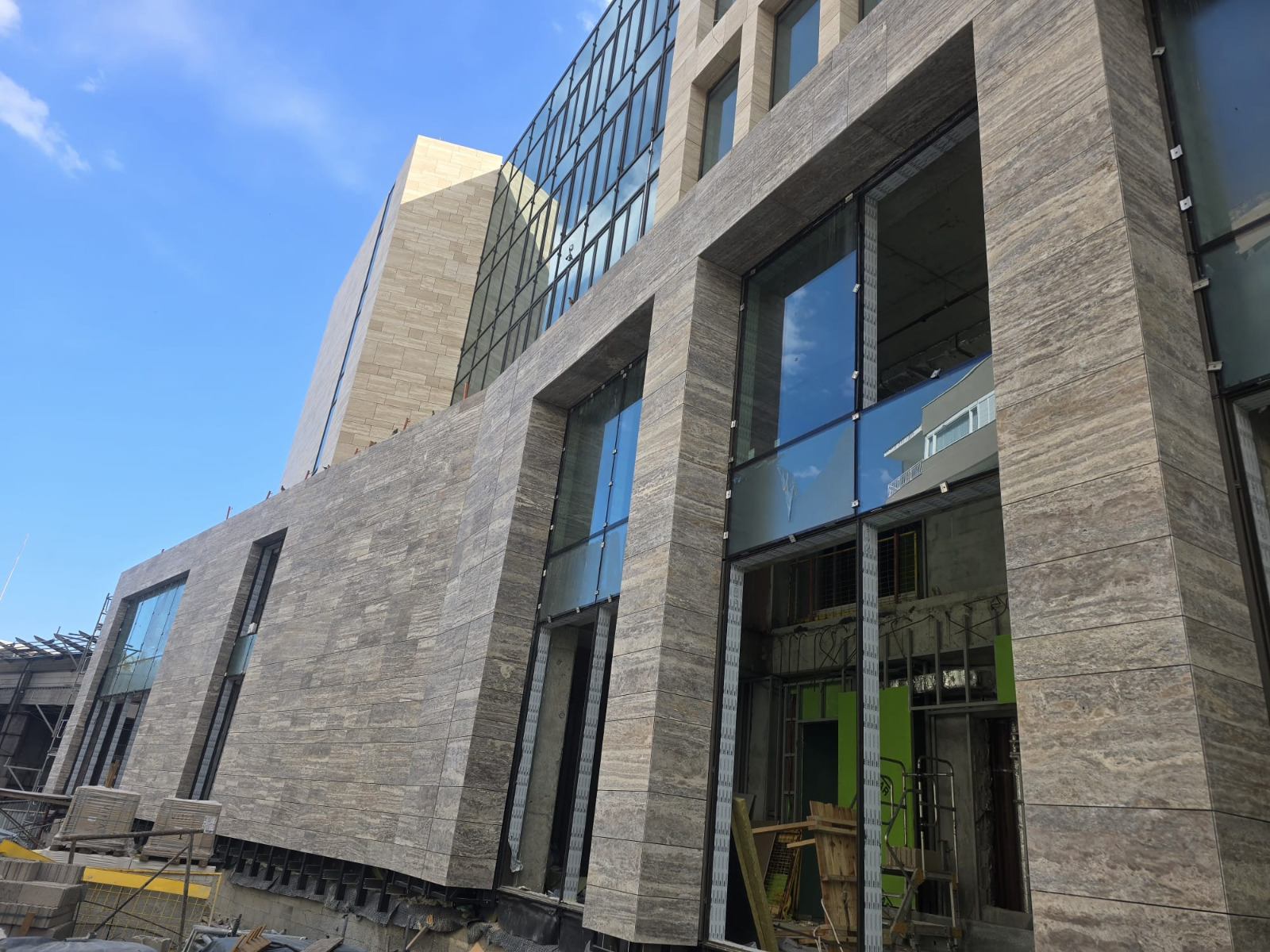
Selecting the proper cutting direction is a major design decision. Vein cutting is preferred for modern facades, while cross cutting is ideal for traditional flooring. To understand the geological properties of the stone, buyers refer to technical documentation. Reading What is Travertine and Where is it Used? provides an excellent overview of travertine features. For B2B suppliers evaluation, buyers consult Turkish Travertine: The Secret to Luxurious Interiors, which outlines the benefits of sourcing from Turkish quarries. Additionally, checking The Beauty of Silver Travertine helps clarify the flexibility of silver travertine in various designs.
Logistics and Shipping of Raw Blocks
Importing raw travertine requires careful coordination of maritime logistics. Wholesalers and factory owners should inspect blocks at the quarry site to verify block dimensions and inspect the six faces. Wetting the block with water reveals the natural color depth and any structural micro-fissures. Sourcing travertine blocks from experienced exporters ensures that blocks are squared properly, reducing processing waste.
Shipping heavy blocks requires secure container packaging. Blocks are secured in containers using heavy wooden supports and steel tie-downs to prevent shifting during maritime transit. Sourcing from established companies ensures compliance with international shipping regulations. For broader material comparisons, buyers can refer to the Natural Stone Comparison Guide: Marble vs. Travertine vs. Granite to review density and hardness parameters.
Surface Treatment and Mechanical Processing
Proper surface preparation of travertine starts with block selection. High-density blocks require less filling material, lowering processing costs. During slab processing, the natural voids can be filled with color-matched polyester resins or cement to create a smooth surface, or left unfilled to preserve the natural texture.
Regular maintenance of gang saw blades is necessary to ensure uniform slab thickness. Selecting blocks with low moisture absorption ratings is important for exterior applications in cold climates, where freeze-thaw cycles can cause damage.
Why Choose Travertine Blocks from EfesusStone
EfesusStone has been a leading manufacturer and exporter of Turkish travertine since 1943. We operate quarries that combine traditional extraction methods with advanced safety technology. Our B2B services include raw block selection, dimension squaring, and secure shipping coordination. By controlling the supply chain from our quarries to final delivery, we guarantee the highest quality standards for every shipment of travertine blocks. Our technical team assists buyers with block selection and yield estimation to ensure project success.
Frequently Asked Questions
Learn more
Related Articles & Selection Guides


Related formats
Related stones
Supply Notes
Sizing, finishing and selection support.
Custom sizes
Coordinate availability, production details and documentation with the Efesus Stone team.
Project finishes
Coordinate availability, production details and documentation with the Efesus Stone team.
Export packing
Coordinate availability, production details and documentation with the Efesus Stone team.