
Marble
Marble
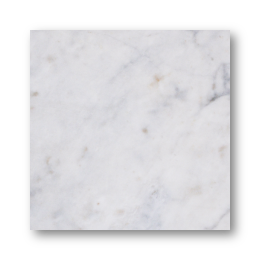

Blue Wave Marble
View Material →
Narcisse Marble
View Material →
Palissandro Cross Cut Marble
View Material →
Palissandro Vein Cut Marble
View Material →
Rosso Levanto Marble
View Material →
Afyon White Golden Gray Marble
View Material →
Marmara Marble
View Material →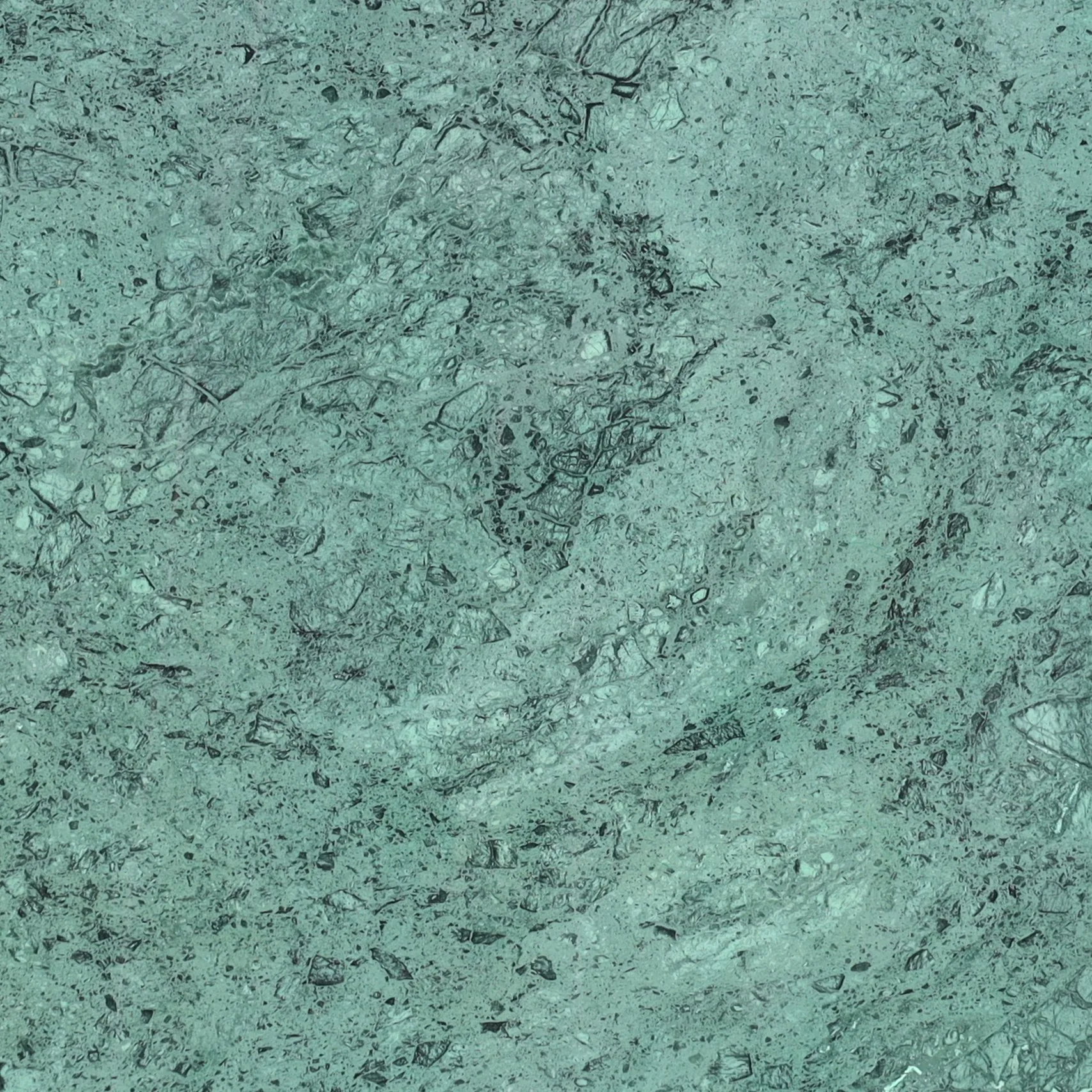
Verde Guatemala Marble
View Material →
Verde Forest Marble
View Material →
Silver Zenith Marble
View Material →
Nero Marquina Marble
View Material →
White Wood Marble
View Material →
Calacatta Borghini Marble
View Material →
Thassos Marble
View Material →
Emperador Light Marble
View Material →
Tundra Blue Marble
View Material →
Tundra Gray Marble
View Material →
Spider Beige Marble
View Material →
Crema Bella Marble
View Material →
Botanica Burdur Beige Marble
View Material →
Dark Emperador Marble
View Material →
Panda Emerald Marble
View Material →
Rainforest Green Marble
View Material →
Panda Blue Marble
View Material →The Technical and Architectural Guide to Marble: From Geological Origins to Global Procurement
What is Marble?
Marble is a metamorphic rock formed through the recrystallization of limestone under intense heat and pressure within the Earth's crust. Geologically, this process transforms original sedimentary carbonate grains into an interlocking mosaic of calcite or dolomite crystals. The resulting material is characterized by its crystalline structure, which provides the stone with its distinctive luster and the ability to take a high polish. From an architectural perspective, the mineralogical composition dictates its performance. Pure marble consists of white calcite, while the various colors and veining patterns result from mineral impurities such as clay, silt, sand, or iron oxides. These impurities were originally present as layers or grains in the limestone and became mobilized during metamorphism.
Understanding these geological origins allows procurement managers to predict how a specific lot will behave regarding structural integrity and aesthetic consistency over time. For construction and design projects, this stone remains a premium choice due to its balance of workability and durability. As the calcite crystals compress, distinct veining emerges, creating a material that is both a structural element and a decorative asset. Architects prioritize this material because each quarry produces stone with unique qualities that influence hardness and overall aesthetic appeal. Identifying the specific mineral makeup of a batch is essential for ensuring the material meets the load-bearing and environmental requirements of the project site. This technical foundation is what separates natural stone from synthetic alternatives, providing a depth of surface that cannot be replicated in a factory setting.
Characteristics and Properties
Technical performance in the natural stone industry is measured by specific physical properties. Marble generally ranks between 3 and 4 on the Mohs scale of mineral hardness, making it softer than granite but sufficiently durable for a wide range of interior and exterior applications. Its density typically ranges from 2.5 to 2.7 g/cm³, providing the compressive strength required for load-bearing architectural elements. Visual properties, such as translucency and veining, are direct results of the stone's density and mineral purity. Higher density often correlates with lower porosity, which is a critical metric for long-term maintenance and structural health.
Water absorption is a vital metric for architects and contractors. Most high-quality marbles exhibit absorption rates below 0.5%, though this varies by quarry and mineral density. Porosity levels influence how the stone reacts to moisture and staining agents; therefore, technical data sheets should be consulted to determine if a specific variety requires specialized sealing protocols. Compared to other materials, marble offers superior heat resistance and a unique translucency that allows light to penetrate several millimeters into the surface. This creates a visual depth and a sense of luxury that defines high-end architectural spaces. Before finalizing a specification, it is beneficial to know marble's properties to ensure the selected variety matches the intended environment.
Popular Varieties from Turkey
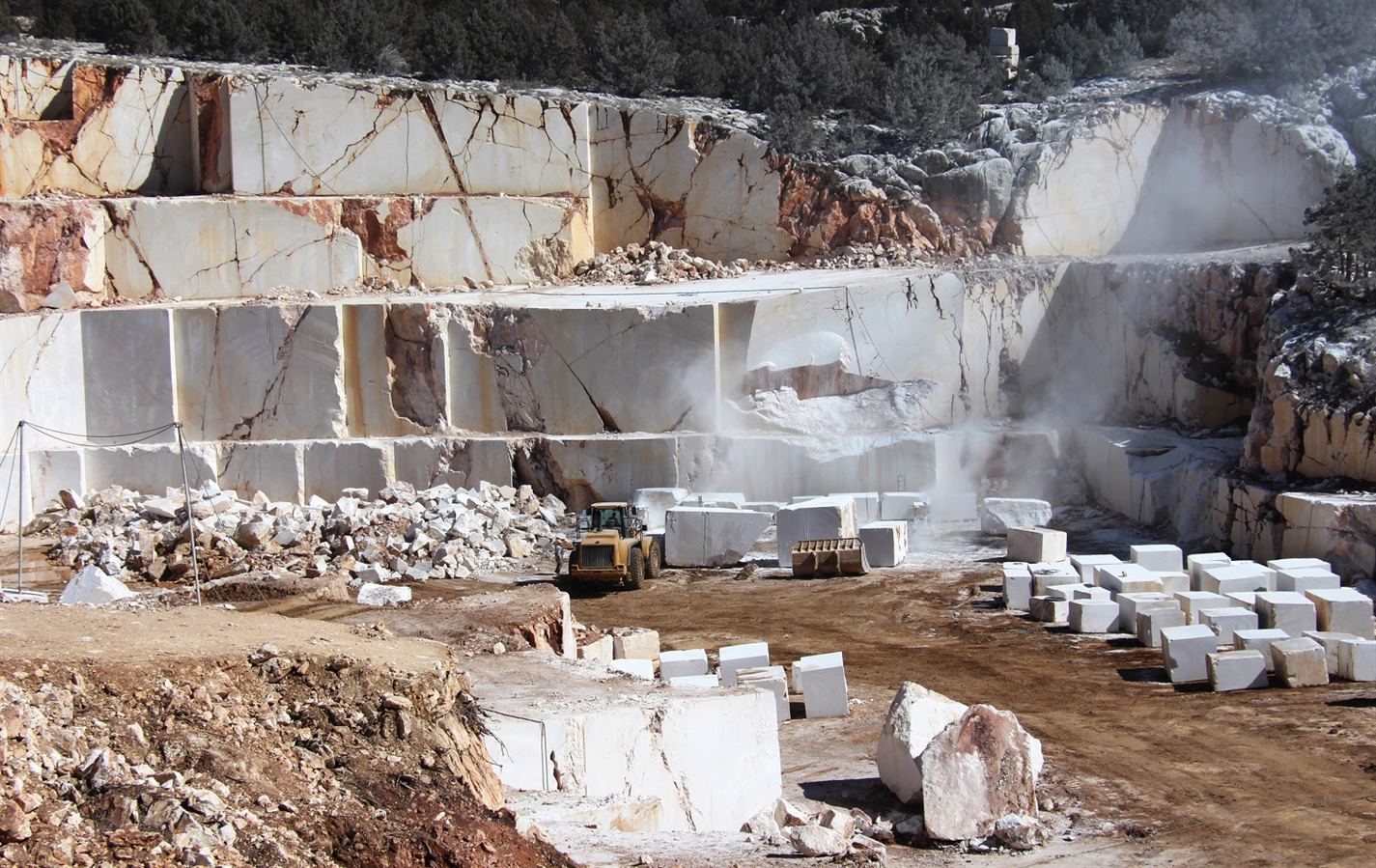
Turkey possesses some of the world's most significant marble deposits, with quarrying traditions dating back to the Roman and Byzantine eras. The geological diversity of the Anatolian peninsula provides a vast spectrum of colors and technical grades. These regions produce varieties that are specified globally for their consistency and aesthetic range.
Afyon Region
This province is globally recognized for producing the finest white crystalline marbles. The Afyon White Marble is a primary example, valued for its high calcium carbonate content and fine-grained structure. For projects requiring a warmer, more translucent appearance, the Afyon Sugar Marble offers a distinct crystalline texture that responds exceptionally well to backlighting. These varieties are often the benchmark for luxury residential and hospitality flooring.
Muğla Region
Muğla is a major hub for gray and white varieties, ideal for large-scale commercial applications. The Mugla White Marble is frequently specified for commercial flooring due to its high availability and consistent background. For designs requiring a sophisticated, dark palette, the Mugla Black Marble provides a deep aesthetic with distinct white veining, offering a bold contrast in modern interiors. Additionally, Mugla Gray Marble is a staple for contemporary projects seeking neutral tones.
Burdur and Bursa Regions
Burdur is world-renowned for beige marble production. Regional varieties are selected for their neutral palettes and high abrasion resistance. These stones are particularly effective in high-traffic hotel lobbies and public spaces where a balance of elegance and durability is required. Separately, the Bursa Beige Marble from the Bursa region provides a fine texture and uniform color distribution, making it a reliable choice for large-format tiling.
Elazığ and Marmara Regions
The East Anatolian quarries produce exotic colors such as the Elazig Cherry Marble, also known as Rosso Levanto. This stone features a deep burgundy base with white calcite veins, often used for statement pieces. Meanwhile, the Marmara Marble from Marmara Island is famous for its linear gray stripes. Its high magnesium content makes it particularly resistant to moisture, which is why it has been the standard for Turkish hammams and wet areas for centuries.
Premium Imported Selections
For projects requiring specific European aesthetics, we provide access to world-class varieties. These include Carrara Marble, known for its refined look with subtle gray veining, and Calacatta Marble, which offers dramatic patterns for luxury installations. For the highest tier of focal points, Statuario marble and Volakas Marble are frequently specified for kitchen islands and reception desks.
Applications and Use Cases
The versatility of marble allows it to be utilized across various architectural sectors, provided the specific variety matches the environmental demands. For large-format applications such as continuous wall cladding or book-matched features, view our Marble Slabs collection. These 2cm or 3cm units allow for custom fabrication of countertops and specialized architectural elements. In high-end residential or hospitality projects, premium stones create a focal point through bold veining.
Interior Design and Countertops
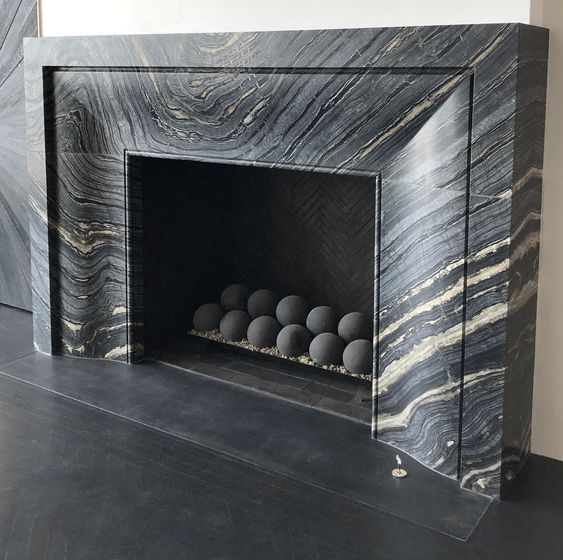
Marble serves as a premium material for flooring, staircases, and bathroom vanities. Its thermal mass properties make it an excellent conductor for underfloor heating systems. Marble countertops are a significant investment in both kitchens and bathrooms, offering a smooth, natural finish that complements various design aesthetics. For detailed guidance on selecting the right surface, refer to our guide on the Best Marble Kitchen Countertops. Varieties like Tundra Blue Marble provide a sophisticated gray palette that works well in modern residential layouts.
Exterior and Commercial Use
Exterior applications require careful selection of frost-resistant varieties with low water absorption. Marble is used for building facades, decorative columns, and landscaping features in temperate climates. In commercial settings, such as office receptions or retail spaces, the stone's reflective quality adds an element of grandeur. For projects involving high-traffic flooring, a honed finish is typically recommended to hide wear while maintaining the stone's natural beauty. For a technical comparison of how marble performs against other materials, see our Natural Stone Comparison Guide.
Finish Options and Technical Specifications
Processing methods significantly alter both the aesthetic and the slip resistance of the stone. The following finishes are standard in the natural stone industry:
- Polished: A high-gloss finish that highlights the color and veining. Best for wall cladding and low-traffic residential floors.
- Honed: A smooth, matte finish that provides a contemporary look and better slip resistance than polished surfaces.
- Brushed: Created using abrasive brushes to give the stone a slightly textured, antique feel.
- Sandblasted: A high-texture finish ideal for exterior walkways and pool surrounds where slip resistance is paramount.
- Tumbled: Typically used for smaller tiles to create rounded edges and a weathered appearance.
Standard dimensional specifications for marble include:
- Slabs: Typically available in 2cm and 3cm thicknesses. Average dimensions range from 240-300cm in length and 140-200cm in height.
- Tiles: Standard sizes include 30.5x30.5cm, 30x60cm, and 60x60cm, with thicknesses of 1cm, 1.2cm, or 2cm.
- Blocks: Raw Marble Blocks are extracted in sizes ranging from 5 to 30 tons for further processing into slabs or custom architectural carvings.
Care and Maintenance
Maintaining the structural and aesthetic integrity of marble requires a proactive approach. Because marble is calcium-based, it is sensitive to acidic substances. Contact with citrus juices, vinegar, or harsh industrial cleaners can cause etching—a chemical reaction that dulls the surface of the stone. Initial sealing with a high-quality impregnating sealer is mandatory for most varieties. These sealers penetrate the pores to provide a barrier against oil and water-based stains without altering the appearance.
Daily maintenance should be limited to pH-neutral cleaners and microfiber cloths to avoid micro-abrasions. For deeper issues, it is important to know how to remove marble stains effectively without damaging the mineral structure. Re-sealing should be performed every 6 to 12 months in high-use areas like kitchens, or every 3 to 5 years for wall cladding. Proper care ensures that the stone's lifecycle is extended indefinitely, as marble can be professionally re-polished in situ to restore its original luster.
Why Source from EfesusStone?
Established in 1943, Efesus Stone operates with deep roots in the Turkish natural stone sector. Our longevity in the industry provides us with direct access to the most productive and high-quality quarries across Afyon, Muğla, and Burdur. We maintain strict quality control standards, ensuring that every block and slab meets international grading requirements for structural soundness and color uniformity. Our processing facilities utilize advanced diamond-wire and gang-saw technology to ensure precision in thickness and finish.
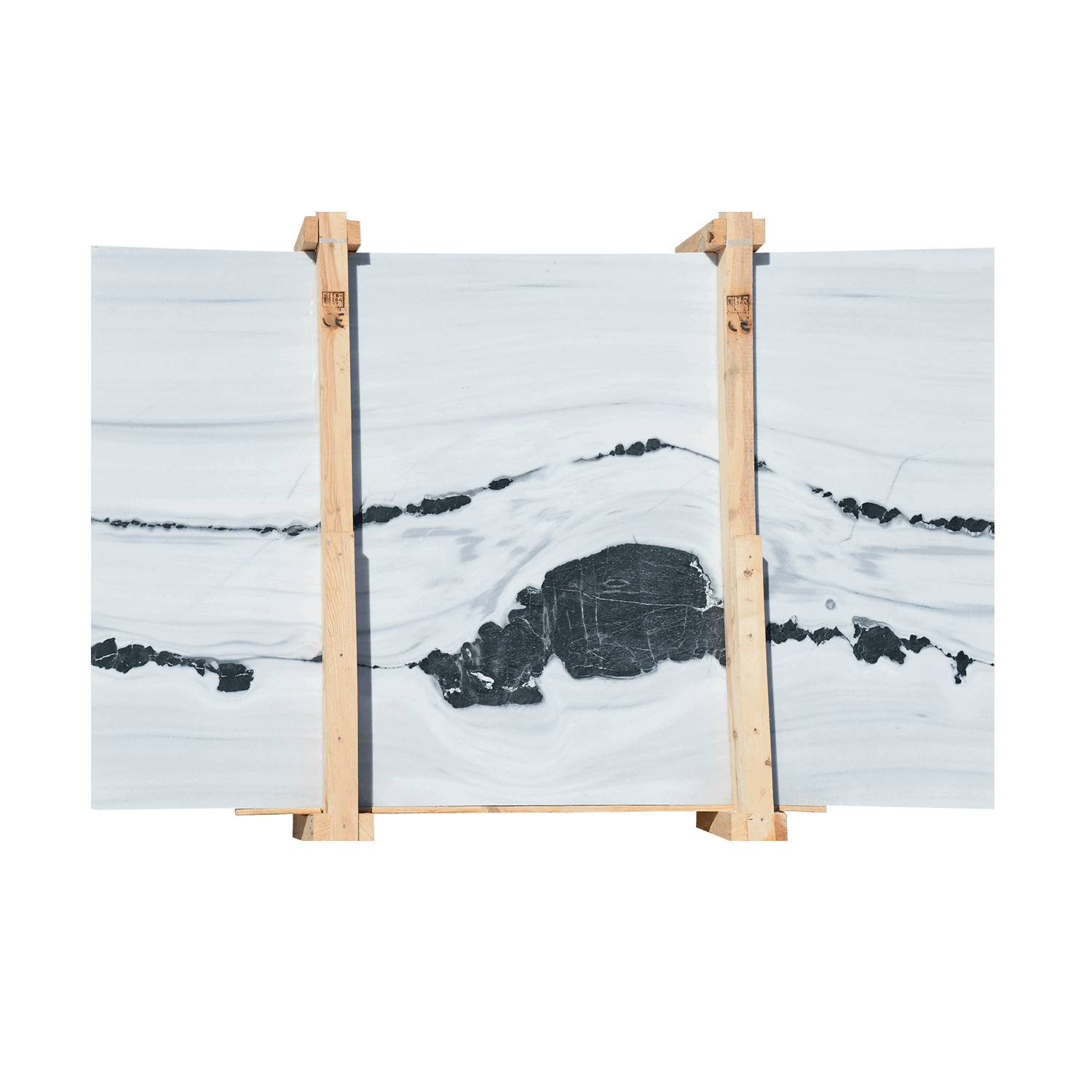
We understand the complexities of international logistics, employing specialized A-frame crating and moisture-resistant packaging to ensure that materials arrive at the project site in pristine condition. From raw block procurement to custom-cut-to-size projects, we provide the technical expertise required by architects and procurement managers worldwide. Our commitment to quality is backed by decades of experience in exporting premium Turkish stone to global markets.
Frequently Asked Questions
Learn more
Related Articles & Selection Guides
Supply Notes
Sizing, finishing and selection support.
Custom sizes
Coordinate availability, production details and documentation with the Efesus Stone team.
Project finishes
Coordinate availability, production details and documentation with the Efesus Stone team.
Export packing
Coordinate availability, production details and documentation with the Efesus Stone team.