Loading

Loading
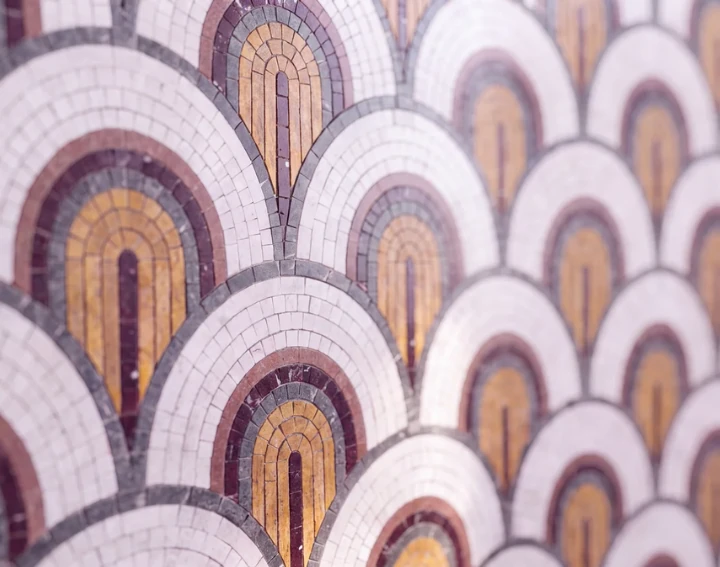
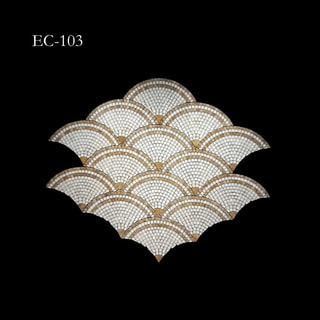

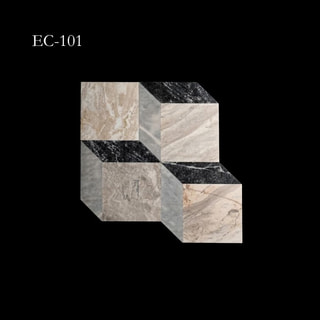
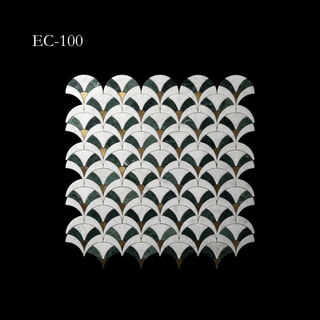
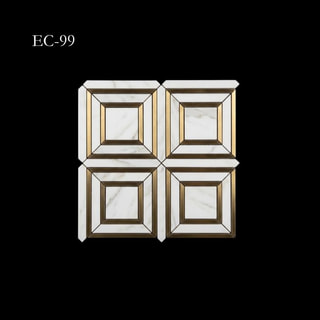
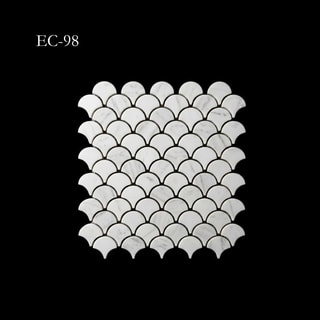
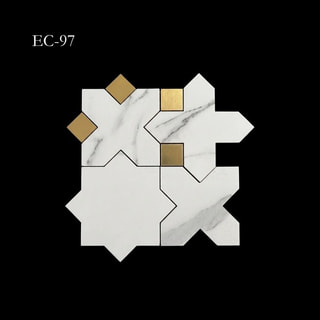
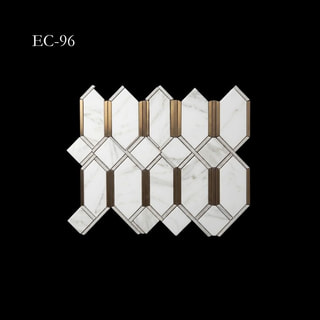
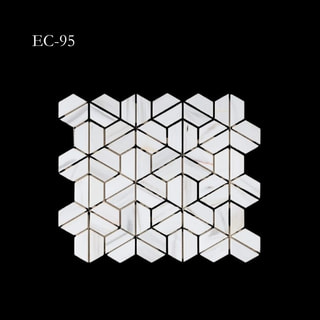
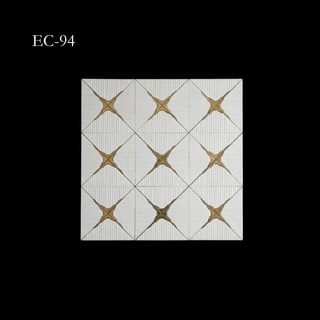
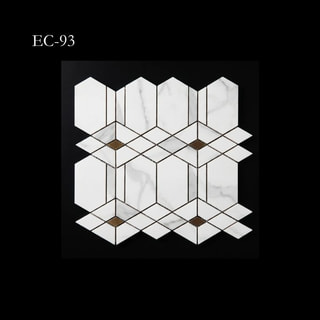
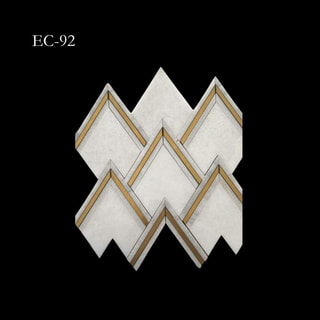
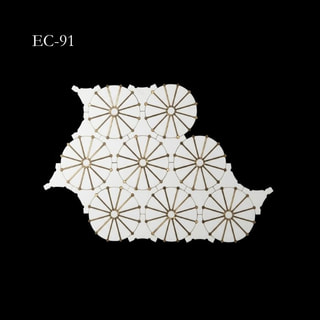
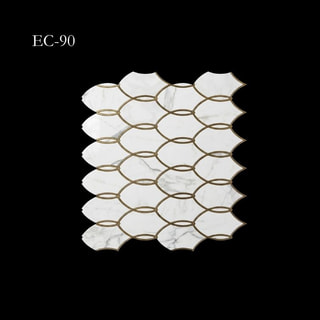
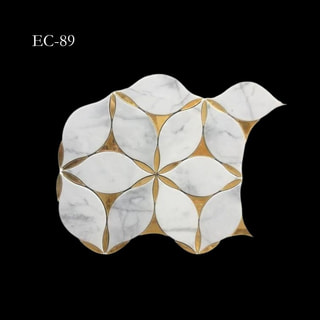
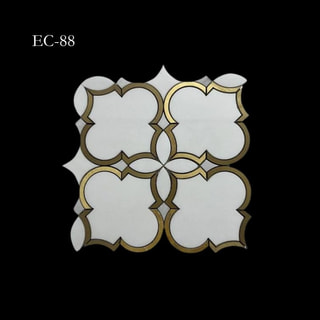
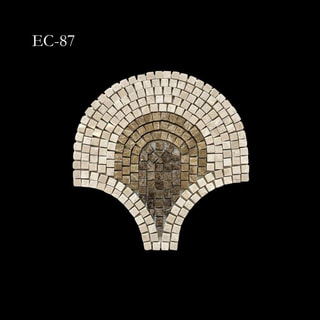
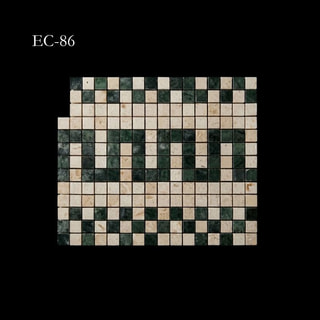
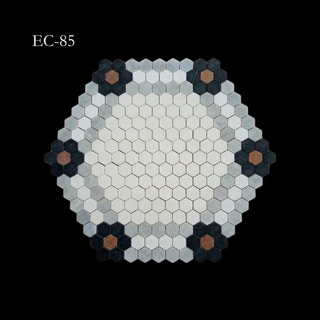
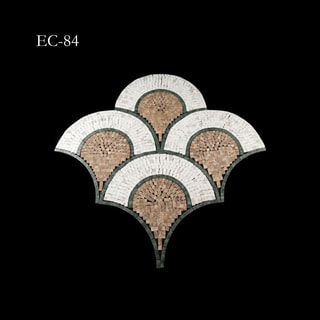
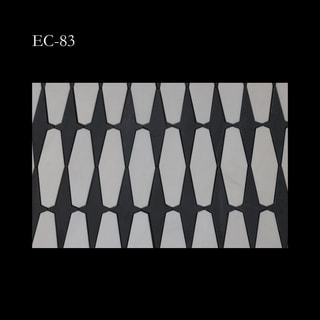
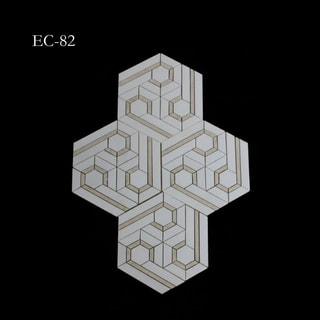
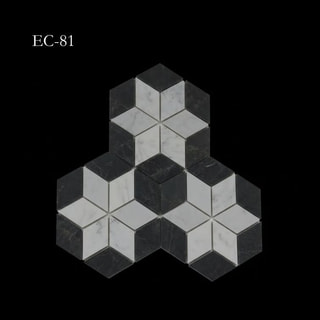
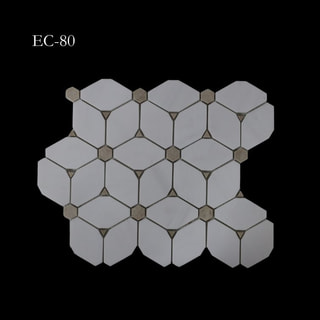
Mosaic is a composite architectural surface material engineered by assembling small tesserae—typically derived from natural stone, glass, or ceramic—into a cohesive mesh-mounted or paper-faced sheet. For procurement managers and architects, mosaic represents a critical specification category that balances structural durability with complex geometric aesthetics. Unlike standard large-format slabs, mosaic allows for precise application on curved surfaces and provides high slip-resistance through increased grout joint frequency.
The technical performance of a mosaic depends on the base material, which often includes marble, travertine, or limestone. Standard mosaic chips range from 1x1 cm to 5x5 cm, though linear and hexagonal formats are common. The typical thickness for Turkish mosaic products is 1 cm, ensuring compatibility with standard wall and floor tile installations.
Surface finishes vary based on project requirements:
Compared to large-format slabs, mosaic units offer superior flexibility during installation, particularly in wet areas where floor drainage slopes require material adaptability.
When sourcing premium mosaic for large-scale developments, selecting the correct pattern and material composition is vital for long-term performance. Efesus Stone provides a wide range of configurations designed for high-traffic and high-moisture environments.
Technical buyers should evaluate the following selections for specific project needs:
Understanding the material properties of the stones used in these mosaics is essential. For instance, knowing What is travertine, what are its features and where is it used? helps in determining if a travertine-based mosaic is suitable for exterior thermal cycles.
Mosaic applications in B2B sectors span from hospitality wet rooms to commercial lobby feature walls. Due to the high ratio of grout to stone, these surfaces offer an inherently high Coefficient of Friction (COF), making them ideal for pool surrounds and shower floors.
Proper maintenance requires pH-neutral cleaners to avoid etching the stone components. For marble-based mosaics, periodic sealing is mandatory to prevent moisture ingress. For more information on stone care, refer to How to Get Rid of Marble Stains? to understand the chemical sensitivities of natural stone surfaces.
Established in 1943, Efesus Stone maintains rigorous quality control over the entire production chain. Every mosaic sheet undergoes inspection for color consistency and mesh-bond integrity. We utilize advanced calibration machinery to ensure a uniform 1 cm thickness across all batches, minimizing lippage during installation. Our logistics team specializes in international B2B shipping, utilizing reinforced packaging to prevent chip breakage during transit, ensuring that the material arrives on-site ready for immediate application.
Supply Notes
Coordinate availability, production details and documentation with the Efesus Stone team.
Coordinate availability, production details and documentation with the Efesus Stone team.
Coordinate availability, production details and documentation with the Efesus Stone team.