
Limestone
Limestone
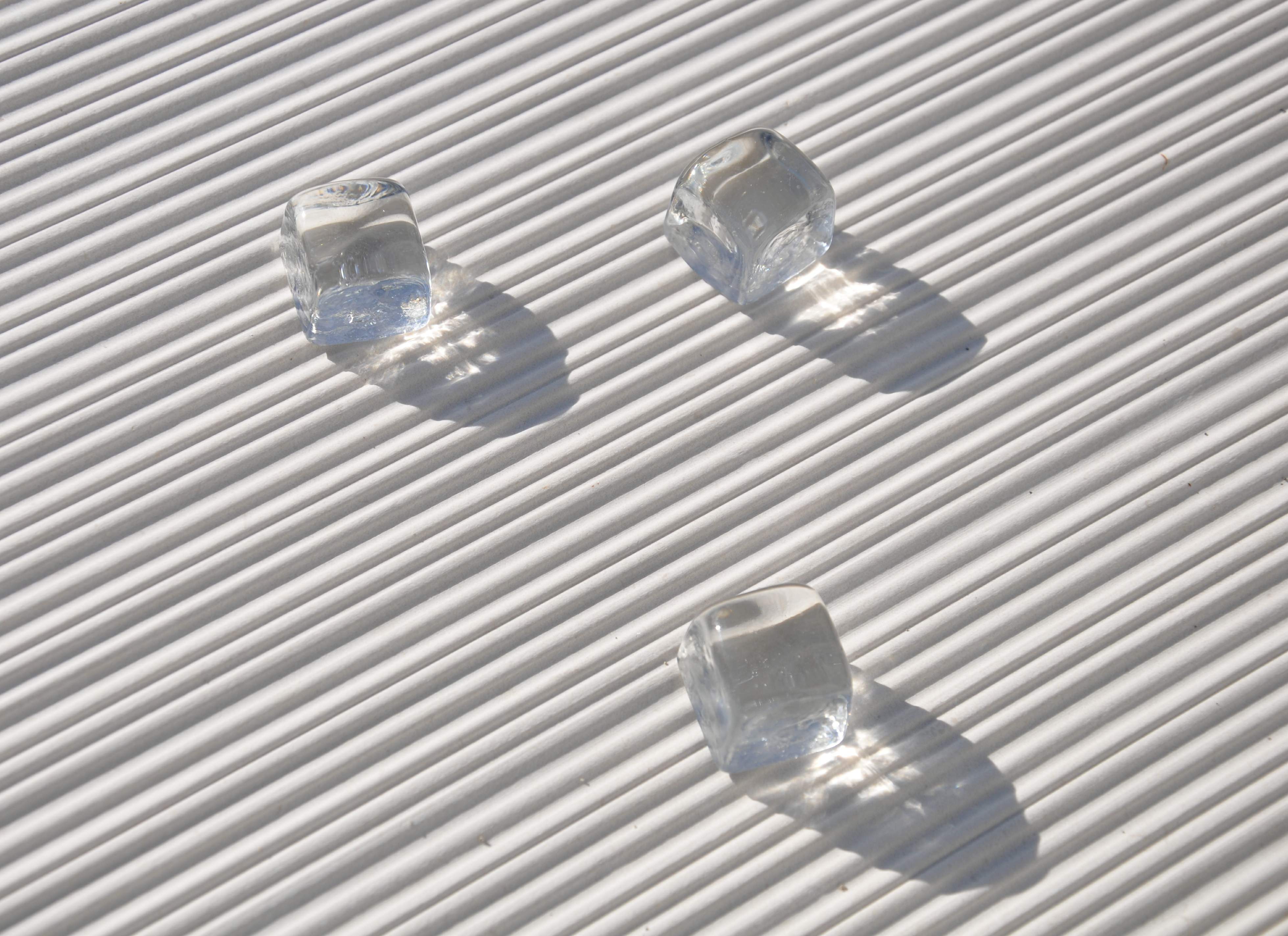

Coquillage Limestone
View Material →
Mocca Sandblasted Limestone
View Material →
Mocca Polished Limestone
View Material →
Bianco Crema Limestone
View Material →
Golden Crema Limestone
View Material →
Sunny Limestone
View Material →
Bianco Bandia Artificial Limestone
View Material →
Bianco Bandia Tumbled Artificial Limestone
View Material →
Bianco Bandia Artificial Limestone Sandblasted
View Material →Technical Guide to Turkish Limestone: Geological Properties and Architectural Applications
What is Limestone?
Limestone is a sedimentary rock composed primarily of calcium carbonate (CaCO3), existing typically in the form of calcite or aragonite. Its geological formation involves the gradual accumulation of marine skeletal fragments, such as coral, foraminifera, and mollusks, or the direct chemical precipitation of calcium carbonate from water. In the Anatolian region, particularly within the Taurus Mountains, specific environmental conditions have facilitated the formation of high-purity deposits that remain critical for global architectural supply chains.
From a B2B procurement perspective, the mineralogical purity and the presence of secondary minerals like silica, clay, or magnesium carbonate dictate the stone's color, hardness, and durability. Unlike metamorphic stones such as marble, limestone retains a more porous structure and a softer mineral profile. This geological foundation influences its suitability for specific architectural loads and environmental exposures. Understanding these fundamentals allows procurement managers to specify the material with technical precision, ensuring the stone performs as intended over the multi-decade lifecycle of a commercial building.
Beyond its role as a dimension stone, limestone serves as a critical industrial raw material. Sediments and particles derived from these deposits are utilized in cement production, lime manufacturing, and flue gas treatment. In the construction sector, it functions as a reliable filling material, while its chemical properties make it indispensable for the metallurgy, glass, and paper industries. This versatility positions limestone as one of the most significant natural resources for modern infrastructure.
Characteristics and Properties
Limestone is characterized by its muted, earthy color palette, ranging from ivory and cream to deeper greys and mocha tones. The visual appeal stems from fossilized inclusions and subtle veining that provide a natural texture without the aggressive patterns found in many marbles. This aesthetic neutrality makes it a staple for modern, minimalist, and classical architectural styles. While marble has undergone metamorphic recrystallization, limestone remains a sedimentary product, resulting in distinct physical behaviors.
Physically, limestone is softer and more porous than granite or marble. It typically holds a Mohs hardness rating of approximately 3. Water absorption values for commercial-grade limestone generally range between 1% and 5%. Higher density varieties are the preferred choice for flooring, while more porous types are often reserved for vertical wall cladding. Compressive strength values range from 30 to 100 MPa, making it a viable option for structural elements when calculated correctly by engineering teams. Its thermal mass properties contribute to building insulation, and its lighter mass compared to granite reduces the total dead load on a building's structural frame.
When comparing limestone to other natural stones, its ease of processing stands out. The softer mineral composition allows for high-precision cutting and shaping with lower energy consumption than igneous rocks. This characteristic makes it highly economical for complex architectural details and large-scale facade panels. For professionals seeking to understand how these properties compare to other materials, our guide on You must know marble's properties before using it at home provides further technical context.
Popular Varieties from Turkey
Turkish limestone is globally recognized for its consistency and large-scale block availability. Extraction sites in Finike, Antalya, and Burdur provide a wide spectrum of options for international projects. Efesus Stone manages a rigorous selection process to ensure each batch meets industrial standards for color uniformity and structural integrity. Key selections from our current production include:
- Bianco Crema Limestone: A refined, light-colored stone ideal for large-scale interior wall applications, known for its homogeneous background and ivory tones.
- Coquillage Limestone: Distinguished by its unique fossilized marine patterns, providing a sophisticated texture for feature walls in commercial lobbies.
- Mocha Grey Limestone: A darker, contemporary option that offers a neutral backdrop for executive spaces and high-end retail environments.
- Sunny Limestone: Sourced from the Antalya region, this variety is known for warm, golden undertones and high density, making it suitable for both flooring and cladding.
- Mocca Honed Limestone: A pre-finished option that minimizes light reflection and highlights the stone's natural depth in professional environments.
These varieties represent the geological diversity of the Taurus Mountains. Each quarry region yields stones with specific density and absorption rates, which our technical team evaluates to match the right material to your project's environmental demands.
Applications and Use Cases
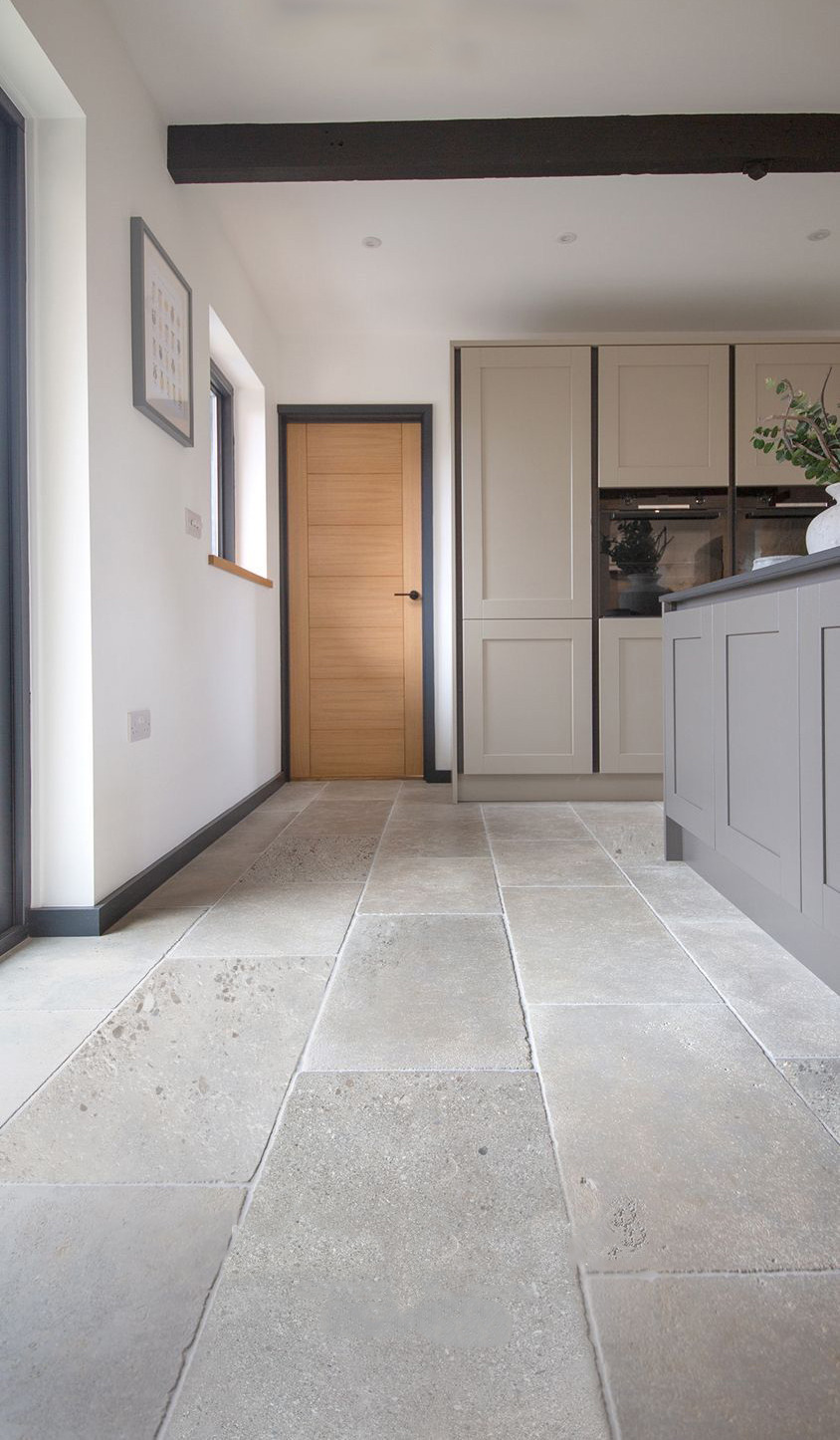
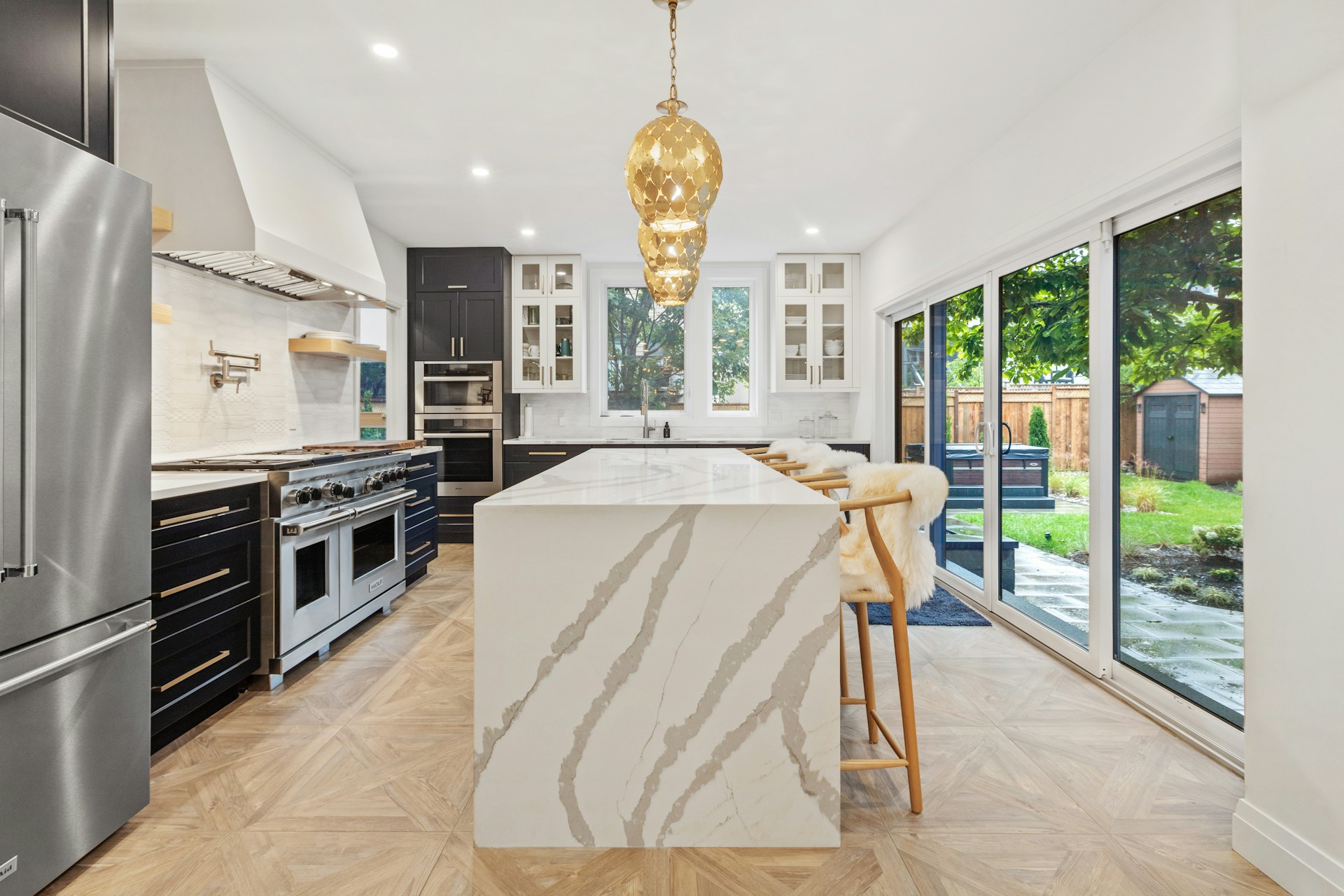
Limestone serves as a versatile building material across various sectors. In residential projects, it is frequently specified for bathroom vanities and interior flooring where a warm, organic feel is required. However, its primary industrial use remains in large-scale commercial developments. For interior applications, limestone is a preferred choice for hotel lobbies and office reception areas. Its ability to be processed into large-format units allows for expansive, uninterrupted surfaces. For large-format applications, view our Limestone Slabs collection.
In exterior contexts, limestone is a staple for ventilated facade systems. Its lightness and varied color options make it one of the most specified materials for wall coverings. It contributes significantly less weight to the building envelope compared to other natural stones, acting as a safe and reliable building material for high-rise structures. The stone's natural ability to diffuse light prevents the harsh glare often associated with polished surfaces, providing a sophisticated matte aesthetic to the urban landscape.
For flooring, limestone provides an authentic, timeless appearance. While it is softer than granite, high-density Turkish varieties perform excellently in residential and light commercial settings when properly maintained. The material is also utilized in landscaping for pool surrounds and pathways, where its thermal properties keep the surface cool under direct sunlight. To understand the broader context of stone selection, see our article on What is a marble slab? Where is it used?.
Finish Options and Technical Specifications
Industrial-scale processing at Efesus Stone allows for a wide range of surface treatments tailored to specific slip-resistance and aesthetic requirements. Standard thicknesses for slabs are 2cm and 3cm, though custom thicknesses for massive architectural elements are produced upon request. Standard tile dimensions often include 30x60cm, 60x60cm, and 60x120cm formats.
Common surface finishes include:
- Honed: A matte, non-reflective finish achieved through abrasive grinding, ideal for high-traffic flooring and general wall cladding.
- Polished: A high-gloss finish that highlights the stone's natural veining, often seen in varieties like Mocca Polished Limestone.
- Brushed/Leathered: A textured finish that provides enhanced slip resistance and a tactile feel, suitable for wet areas.
- Sandblasted: A uniform, pitted surface created by high-pressure sand application, frequently used for exterior cladding like Bianco Bandia Artificial Limestone Sandblasted.
- Bush-hammered: A rugged, mechanical finish that provides maximum grip for outdoor pathways and public squares.
- Tumbled: A weathered, aged appearance often applied to smaller formats, such as Bianco Bandia Tumbled Artificial Limestone.
Technical specifications for our limestone products strictly adhere to international standards. We provide detailed data sheets for every batch, including compressive strength, flexural strength, and density measurements. This data is essential for architects calculating load-bearing requirements and wind-load resistance for exterior facades.
Care and Maintenance
Due to its calcium carbonate base and porous nature, limestone requires a systematic maintenance protocol. It is highly sensitive to acidic substances, which cause etching on the surface. Procurement managers should include detailed care instructions in project handover documents to ensure the stone's longevity. Sealing is mandatory for almost all limestone applications. A high-quality penetrating sealer should be applied immediately after installation to block the pores against liquid ingress.
For high-traffic commercial zones, re-application may be necessary every 12 to 24 months. Daily cleaning should be performed with pH-neutral detergents. Avoid all abrasive cleaning pads and acidic chemicals, as these will permanently damage the surface finish and compromise the stone's integrity. If the stone is used in flooring, regular dust mopping is required to remove abrasive grit that can scratch the surface. For specific advice on maintaining the aesthetic quality of your installation, refer to our detailed article on How to Get Rid of Marble Stains?.
Why Source from EfesusStone?
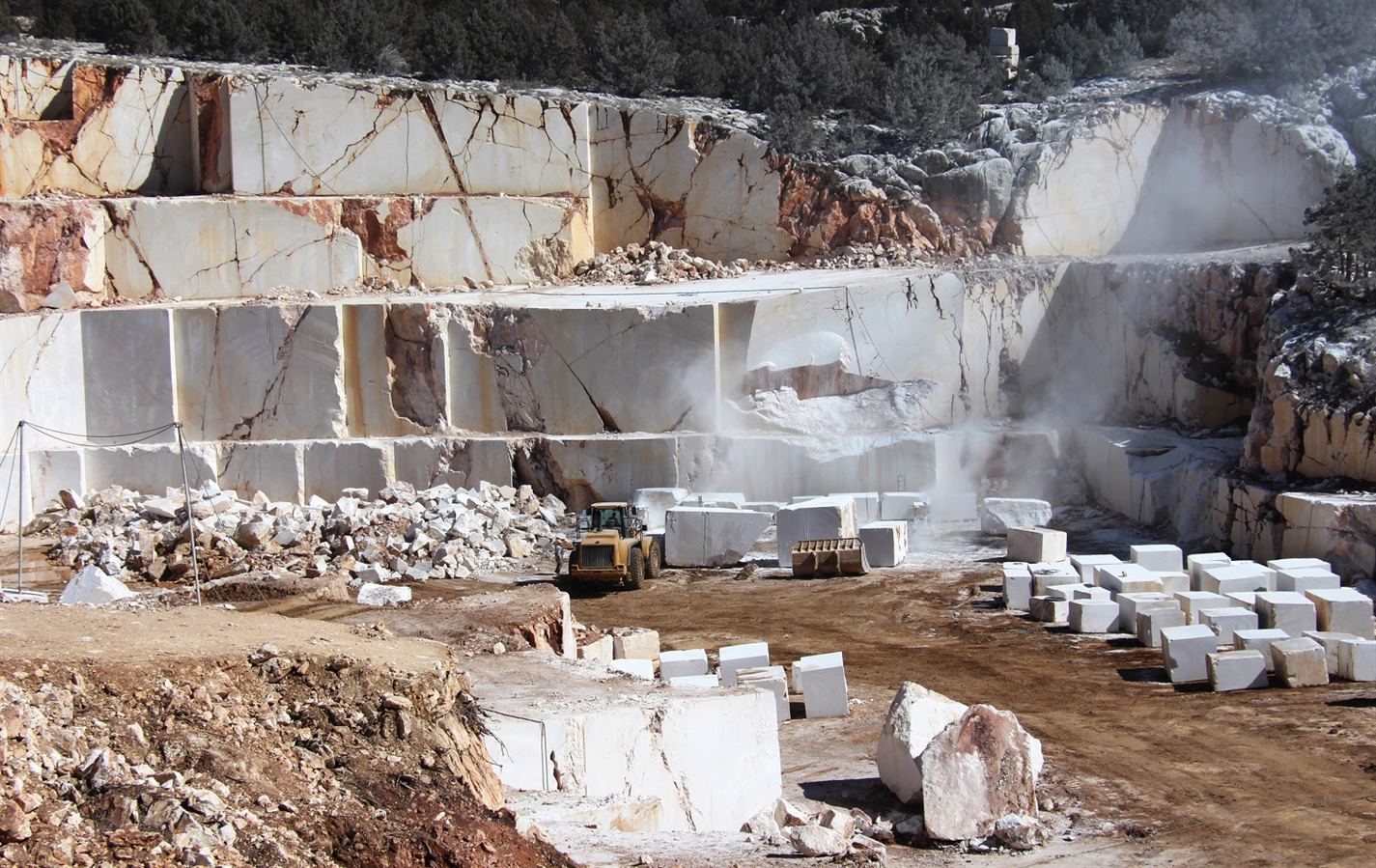
Established in 1943, Efesus Stone operates with a deep understanding of the Turkish quarry landscape. We prioritize systematic benching in our extraction processes, utilizing diamond wire saw technology to minimize micro-fractures in our Limestone Blocks. This technical precision ensures that the material delivered to your site maintains the same structural properties as the approved samples. Our team ensures that cracks are not formed during the cutting of the plate and that the polishing or honing is conducted using correct industrial methods.
Our export logistics team ensures that all shipments comply with international standards. We use ISPM 15 compliant wooden crating and provide detailed inspection reports for every container. By controlling the supply chain from the quarry to the final finished slab, we offer wholesalers and contractors a reliable source for premium Turkish limestone. Our commitment to quality craftsmanship ensures that every slab, whether it is a Bianco Crema Limestone Slab or a Sunny Limestone Slab, meets the rigorous demands of global architecture.
Frequently Asked Questions
Supply Notes
Sizing, finishing and selection support.
Custom sizes
Coordinate availability, production details and documentation with the Efesus Stone team.
Project finishes
Coordinate availability, production details and documentation with the Efesus Stone team.
Export packing
Coordinate availability, production details and documentation with the Efesus Stone team.