
Marble / Slabs
Exclusive Marble Collection
Verde Forest Marble Slab
View Material →
Panda Emerald Marble Slab
View Material →
Rainforest Green Marble Slab
View Material →
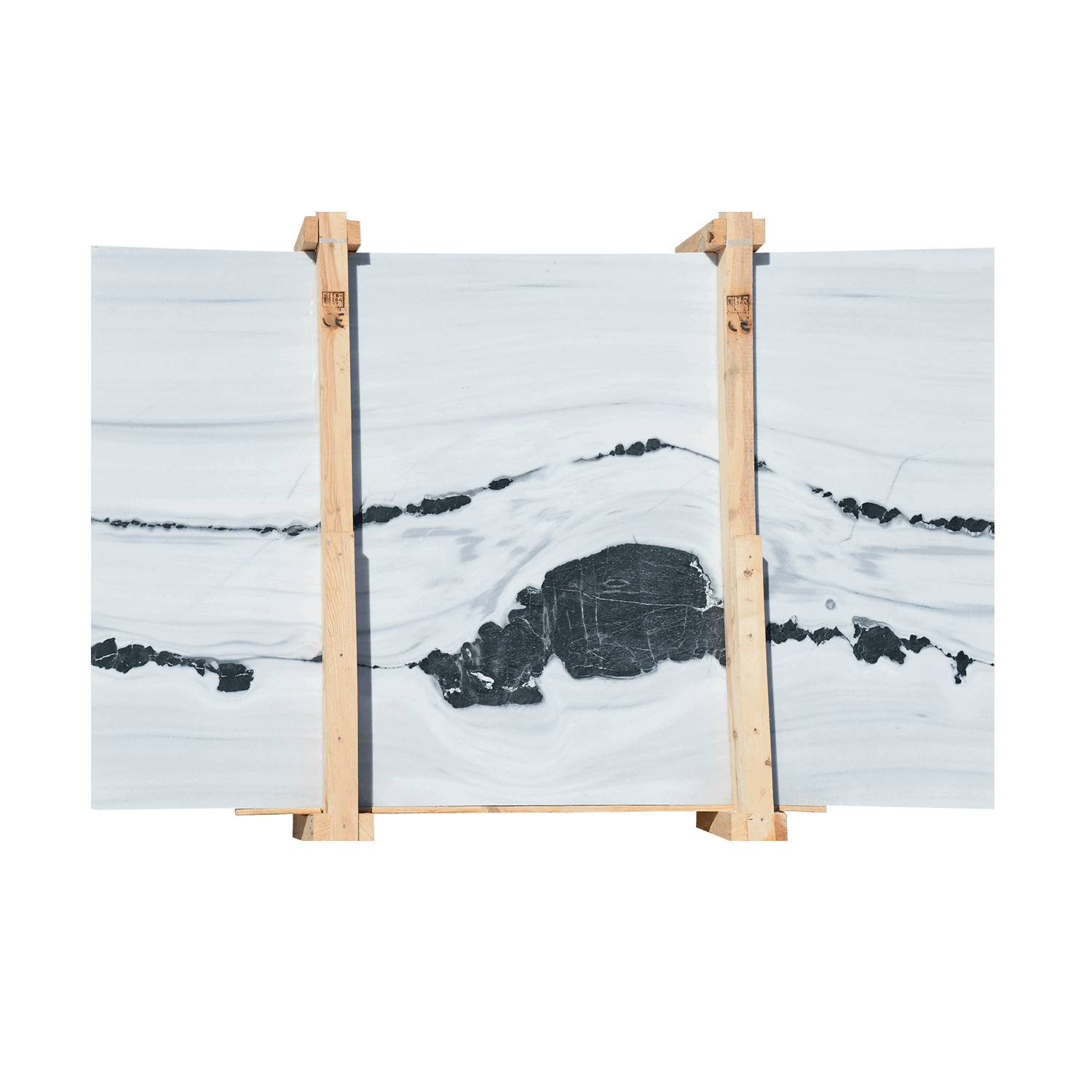
Panda Blue Marble Slab
View Material →
Blue Agate Gemstone Slab
View Material →
Green Agate Gemstone Slab
View Material →
Agate Purple Marble Slab
View Material →
Gray Agate Gemstone Slab
View Material →
Petrified Wood Gemstone Slab
View Material →
Agate White Marble Slab
View Material →
Round Agathe 1 Slab
View Material →
Round Agathe 2 Slab
View Material →
Agate Athena Gold Marble Slab
View Material →
Agate Rosa Quartz Gemstone Slab
View Material →
Tiger's Eye Gemstone Slab
View Material →
Agate Black Dim Gold Gemstone Slab
View Material →
Agate Fluorite Gemstone Slab
View Material →
Emerald Marble Slab
View Material →
Red Colinas Marble Slab
View Material →
Verde Tortuga Marble Slab
View Material →
Sahara Noir Marble Slab
View Material →
Ice Jade Marble Slab
View Material →
Indian Pink Marble Slab
View Material →Sourcing Guide for the Exclusive Marble Collection: Technical Specifications and Procurement Standards
What is Exclusive Marble Collection?
The Exclusive Marble Collection represents a curated selection of high-density metamorphic rocks and semi-precious stone composites engineered for high-end architectural specifications. Geologically, these materials consist primarily of recrystallized carbonate minerals, such as calcite or dolomite, which have undergone intense heat and pressure over millions of years. This process results in a crystalline structure that provides superior durability and a high polish capacity compared to sedimentary stones.
For architectural and construction projects, the Exclusive Marble Collection serves as a critical specification for areas requiring distinctive aesthetic signatures and high mechanical performance. These materials are selected based on strict criteria for vein consistency, mineral stability, and structural integrity. By utilizing these specialized stones, procurement managers ensure long-term value and structural reliability in both residential and commercial high-traffic environments.
Characteristics and Properties
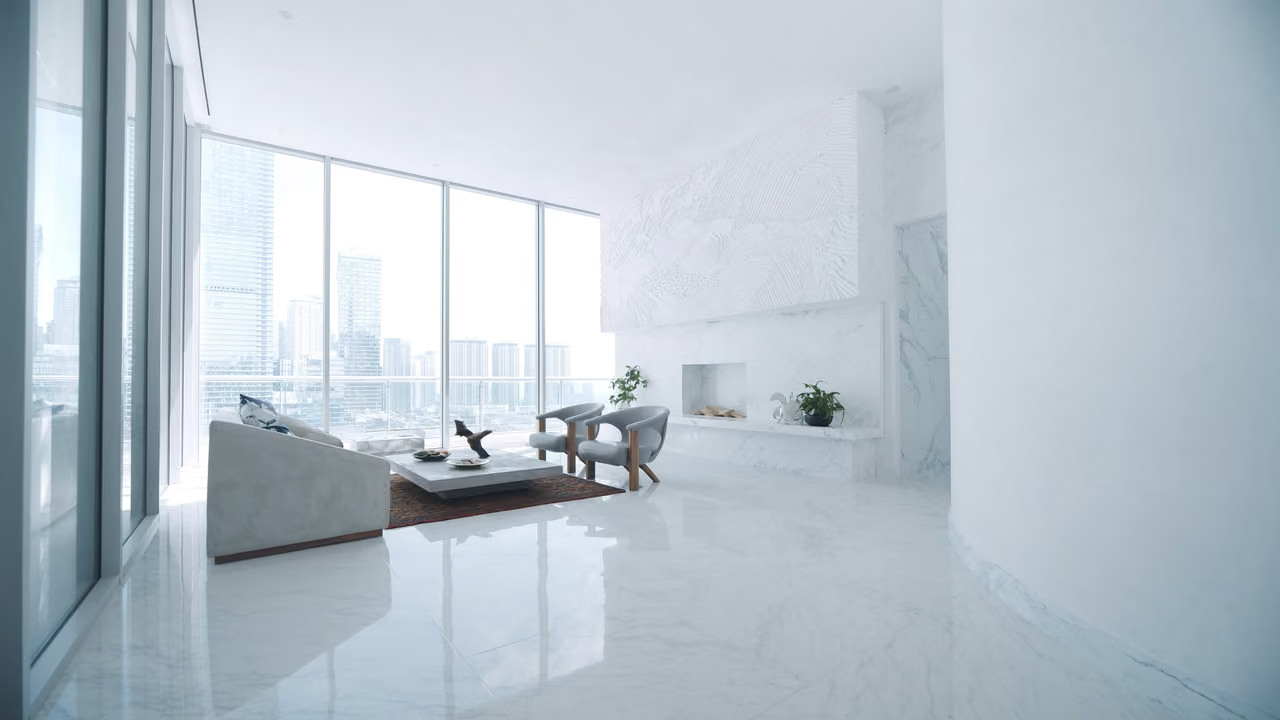
The Exclusive Marble Collection is defined by its diverse geological compositions and physical performance metrics. The color range spans from the deep blacks of the Sahara Noir Marble to the vibrant greens of the Verde Forest Marble. Veining patterns vary from fine, hair-line fractures to bold, brecciated structures, providing architects with a broad palette for book-matching and continuous pattern layouts.
Technically, these stones exhibit high compressive strength, typically ranging from 60 to 120 MPa, and low water absorption rates, often below 0.2% by weight. Density measurements generally fall between 2,600 and 2,850 kg/m³. These physical properties ensure that the material can withstand significant loads and resist environmental stressors. When compared to synthetic alternatives like quartz or porcelain, natural marble offers superior heat resistance and a unique depth of color that cannot be replicated through digital printing processes.
Popular Varieties
Our inventory includes both indigenous Turkish stones and globally sourced premium selections, each categorized by its quarry origin and mineralogical profile:
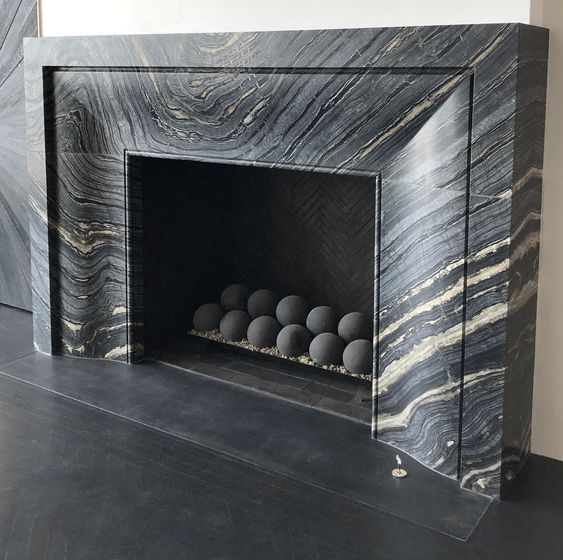
- Sahara Noir Marble: A premium imported selection featuring a deep black background with distinct white and gold linear veining. It is frequently specified for feature walls and high-end joinery.
- Agate Athena Gold Marble: A sophisticated material categorized under our gemstone-marble hybrids. It features translucent properties suitable for backlit applications. Details on its application can be found in our guide on Onyx marble is the new standard for luxury.
- Verde Tortuga Marble: Sourced from specialized quarries, this stone presents a complex green matrix with intricate patterns. It is a preferred choice for designers seeking biophilic elements in interior schemes.
- Panda Blue Marble: A striking variety characterized by bold, high-contrast movements of blue and white, ideal for large-scale book-matching in hotel lobbies.
- Ice Jade Marble: Also known as Ice Jade Marble, this variety offers a unique combination of white, gray, and green clasts, providing a vibrant aesthetic for modern commercial spaces.
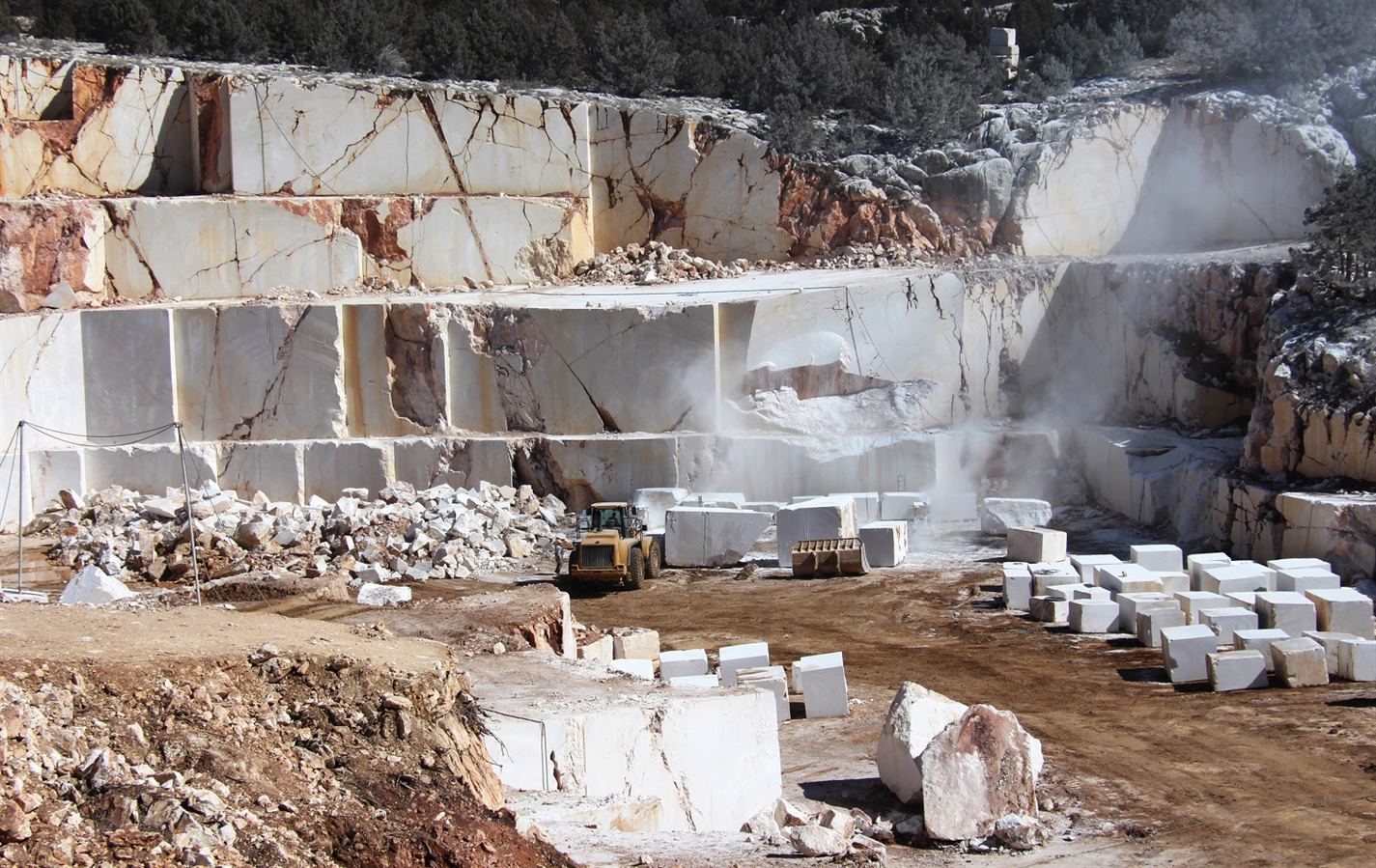
In Turkey, we operate and source from primary regions including Afyon for high-grade whites, Elazığ for deep reds and cherries, and the Marmara Island for specialized gray-veined varieties. It is vital for procurement officers to distinguish between regional varieties; for instance, Bursa Beige from the Bursa region offers different porosity levels compared to Burdur Beige from the Burdur region.
Applications and Use Cases
Technical specifications for the Exclusive Marble Collection vary based on the intended application environment. For interior sectors, these stones are standard for high-traffic flooring, wall cladding, and heavy-duty countertops. The low porosity of varieties like Verde Forest Marble makes them suitable for bathroom vanities and wet room environments.
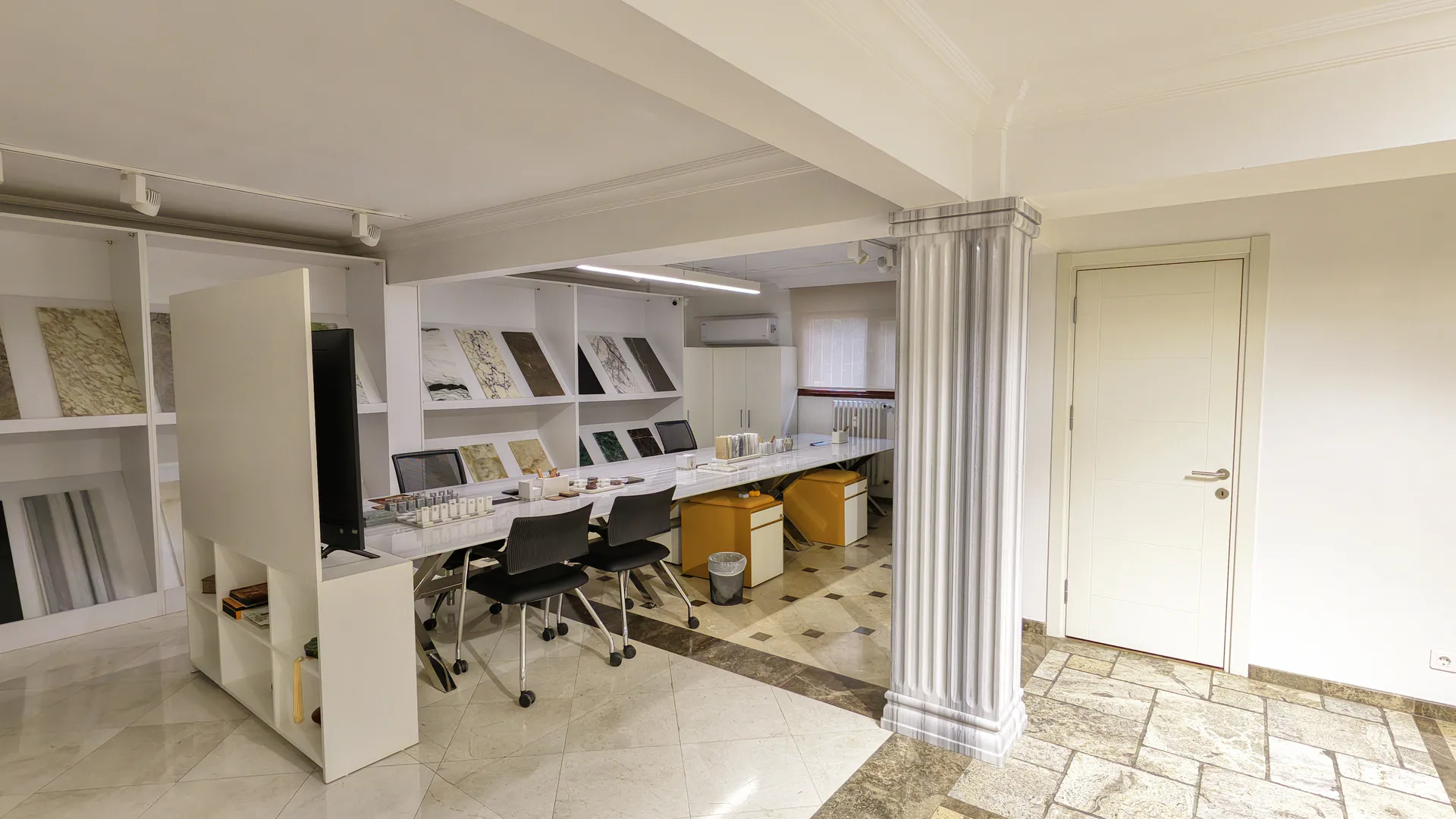
In commercial settings, such as hotel lobbies, office receptions, and luxury retail outlets, the use of large-format slabs is standard. For large-format applications, specify our premium slabs to ensure vein continuity across expansive surfaces. While marble is primarily an interior material, certain high-density varieties can be utilized for exterior facades in temperate climates, provided correct anchoring systems and stone thicknesses are applied. For further technical insights on slab utilization, refer to our article on What is a marble slab?.
Finish Options and Technical Specifications
Efesus Stone provides a range of finishes to meet specific slip-resistance (R-ratings) and aesthetic requirements:
- Polished: A high-gloss finish that highlights the stone's color and veining. Ideal for wall cladding and low-traffic flooring.
- Honed: A smooth, matte finish that provides better slip resistance and hides scratches more effectively than polished surfaces.
- Brushed/Leathered: A textured finish that follows the natural contours of the stone's minerals, providing a tactile surface.
- Sandblasted: A high-grip finish suitable for specialized commercial flooring applications.
Standard thickness options include 2 cm and 3 cm for slabs. Custom thicknesses (e.g., 4 cm, 5 cm) are available for specialized architectural elements. Standard tile dimensions include 30x60 cm, 60x60 cm, and 80x80 cm, though custom gang-saw cutting allows for bespoke sizing based on project shop drawings.
Care and Maintenance
To maintain the structural and aesthetic integrity of the Exclusive Marble Collection, strict maintenance protocols must be followed. As a natural calcium carbonate-based material, marble is susceptible to acid etching.
- Sealing: All natural stone must be treated with a high-quality impregnating sealer upon installation. This reduces the absorption rate and provides a window for cleaning spills before staining occurs. Re-sealing is recommended every 12 to 24 months depending on traffic volume.
- Daily Cleaning: Use only pH-neutral cleaners specifically formulated for natural stone. Avoid vinegar, bleach, or any acidic substances that react chemically with the calcite.
- Stain Prevention: Immediate removal of organic liquids (wine, coffee, oils) is necessary. For established stains, a poultice method may be required to extract the pigment from the stone's pores.
- Abrasive Avoidance: Do not use steel wool or abrasive scouring pads, which can create micro-scratches on polished surfaces.
Why Source from Efesus Stone?
Established in 1943, Efesus Stone maintains a legacy of technical excellence in the natural stone industry. We provide direct access to primary quarries, ensuring that our clients receive first-choice blocks and slabs with consistent grading. Our manufacturing facilities utilize advanced multi-wire saws and CNC processing technology to achieve precision tolerances in thickness and edge profiling.
Our quality control team inspects every slab for structural fissures and color uniformity before export. We utilize international standard wooden crates and specialized A-frames for container loading, ensuring secure logistics to any global port. By managing the supply chain from the quarry block to the finished slab, we provide competitive pricing and technical reliability for large-scale procurement projects.
Frequently Asked Questions
Learn more
Related Articles & Selection Guides
Supply Notes
Sizing, finishing and selection support.
Custom sizes
Coordinate availability, production details and documentation with the Efesus Stone team.
Project finishes
Coordinate availability, production details and documentation with the Efesus Stone team.
Export packing
Coordinate availability, production details and documentation with the Efesus Stone team.