Loading

Loading
Beige Marble
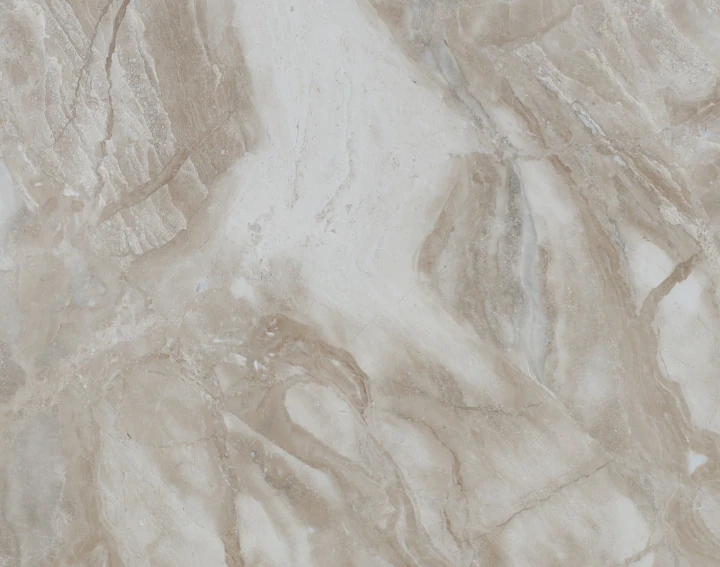
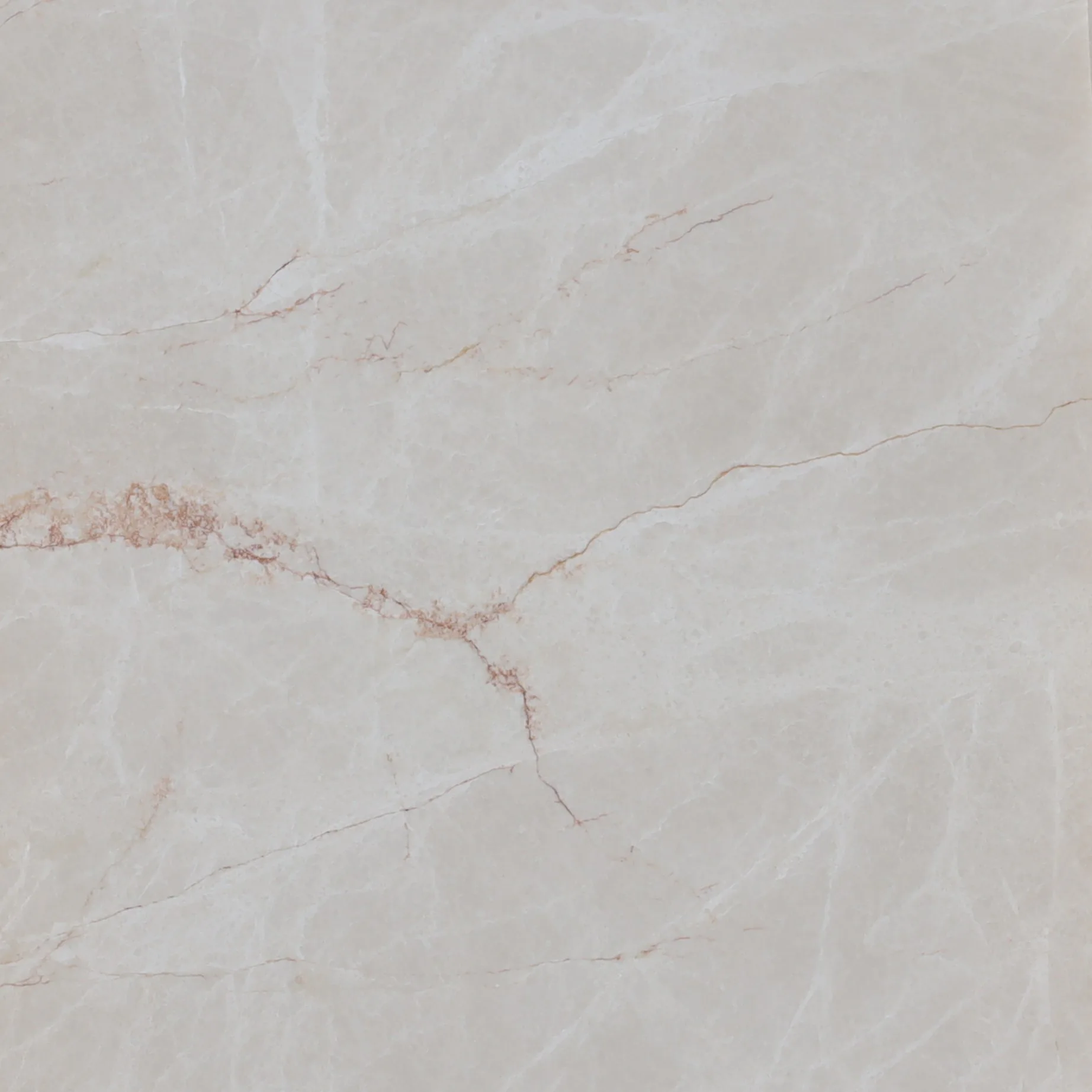

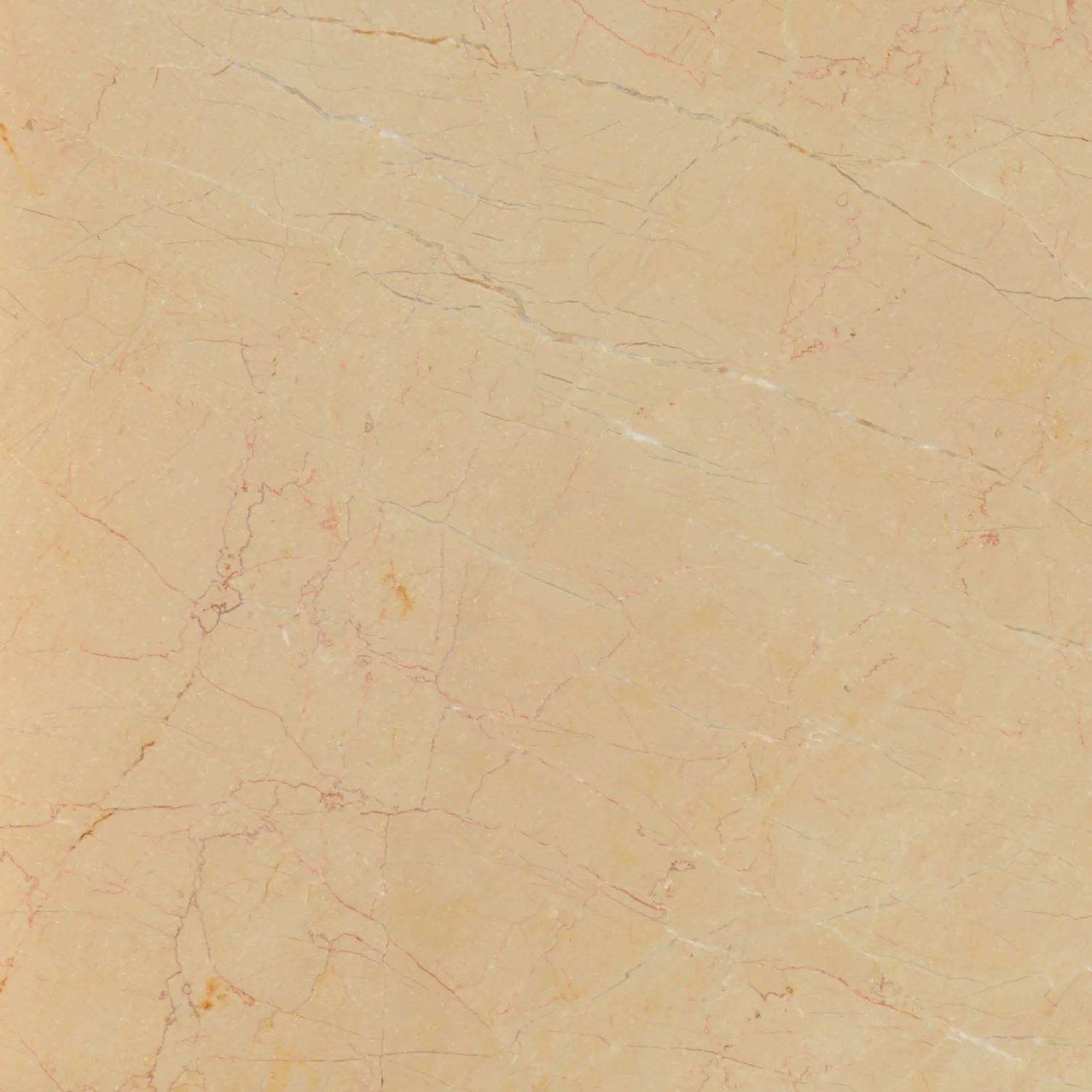



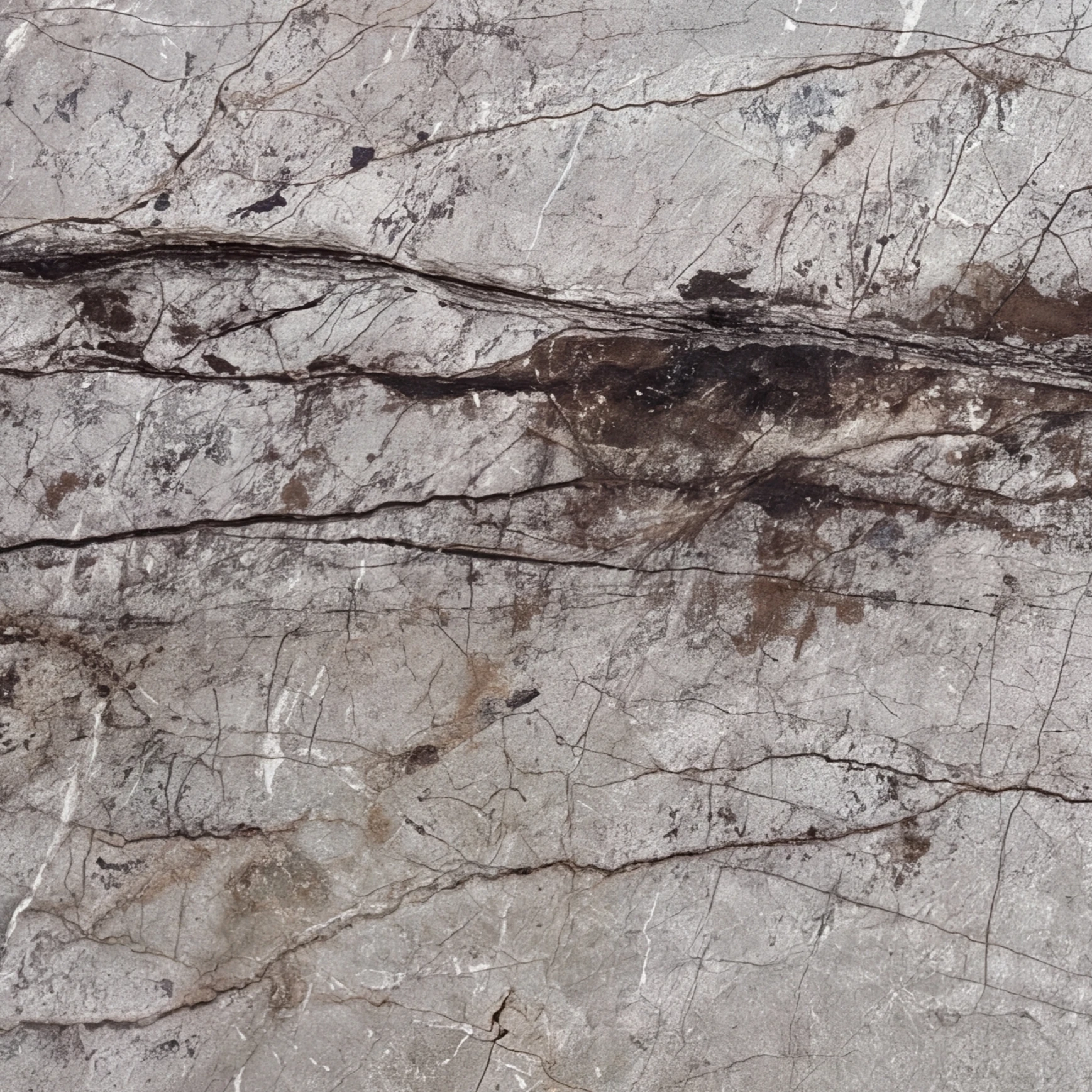
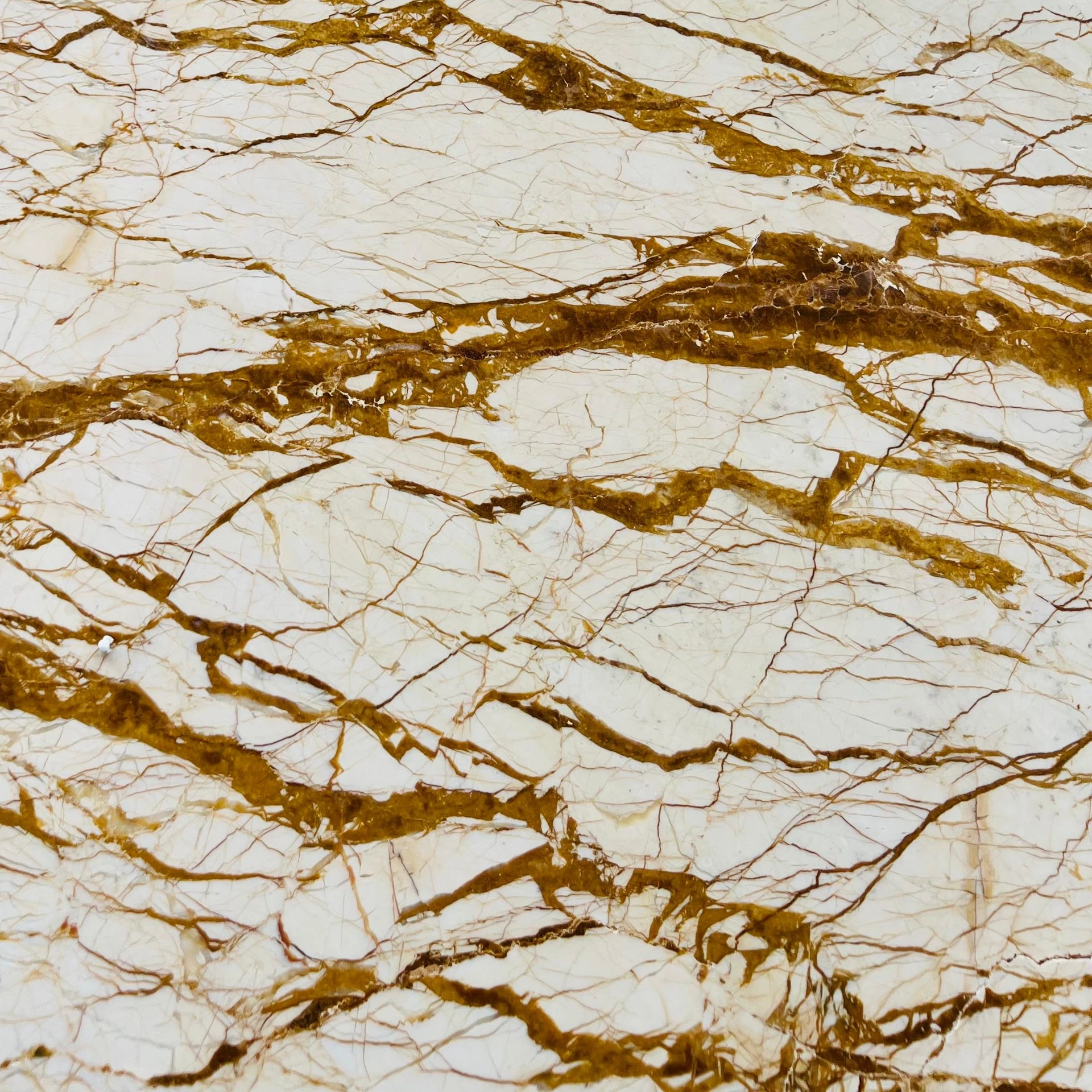
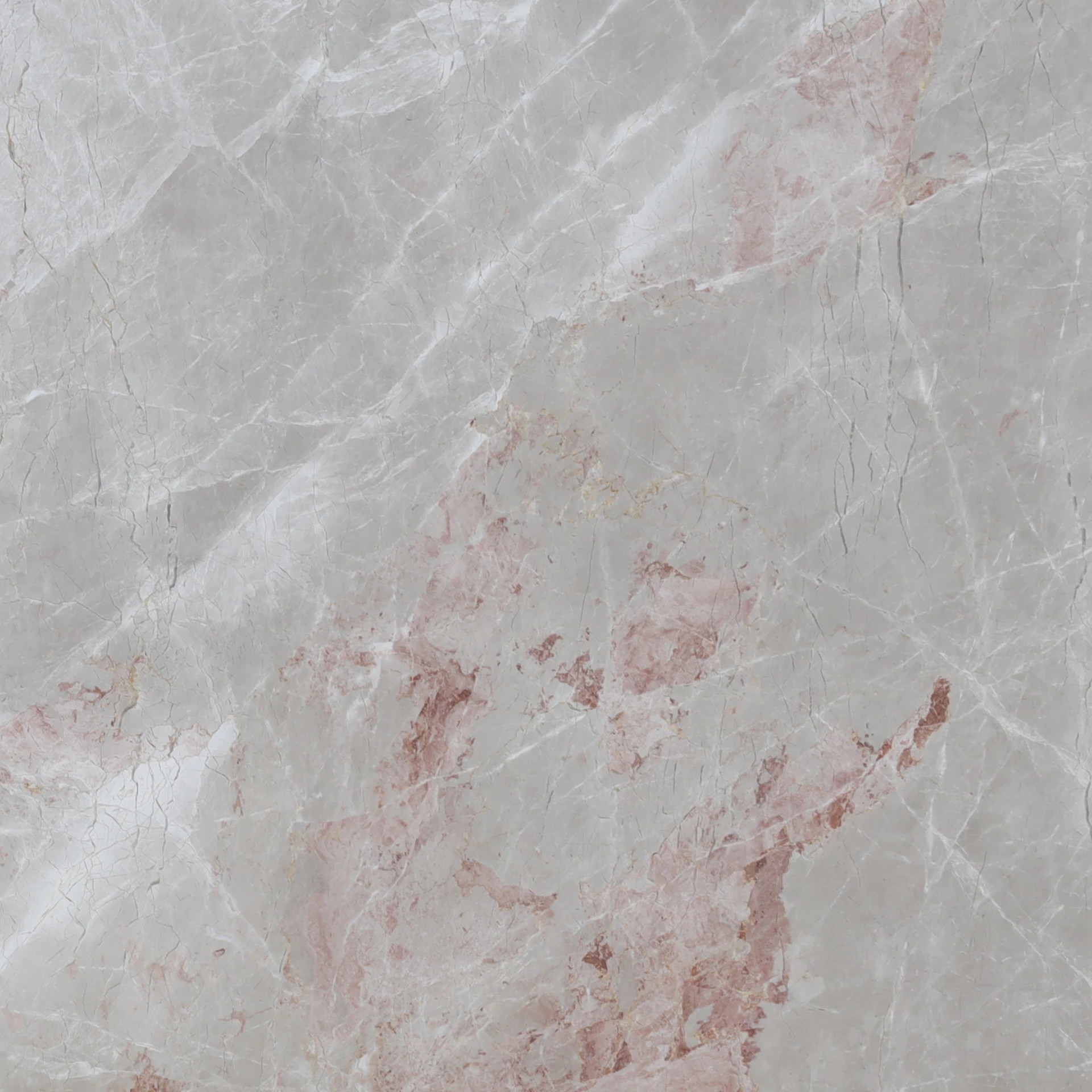
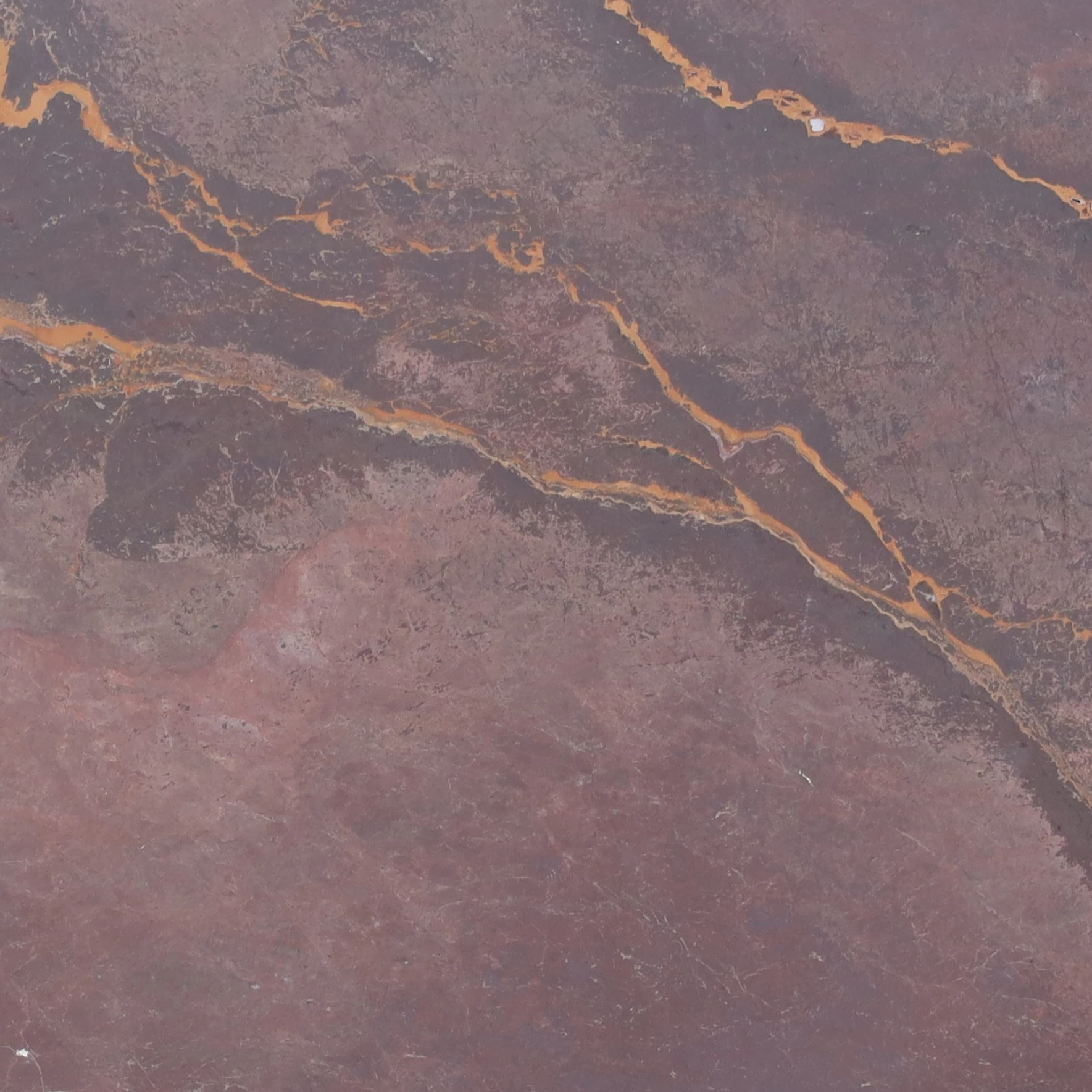
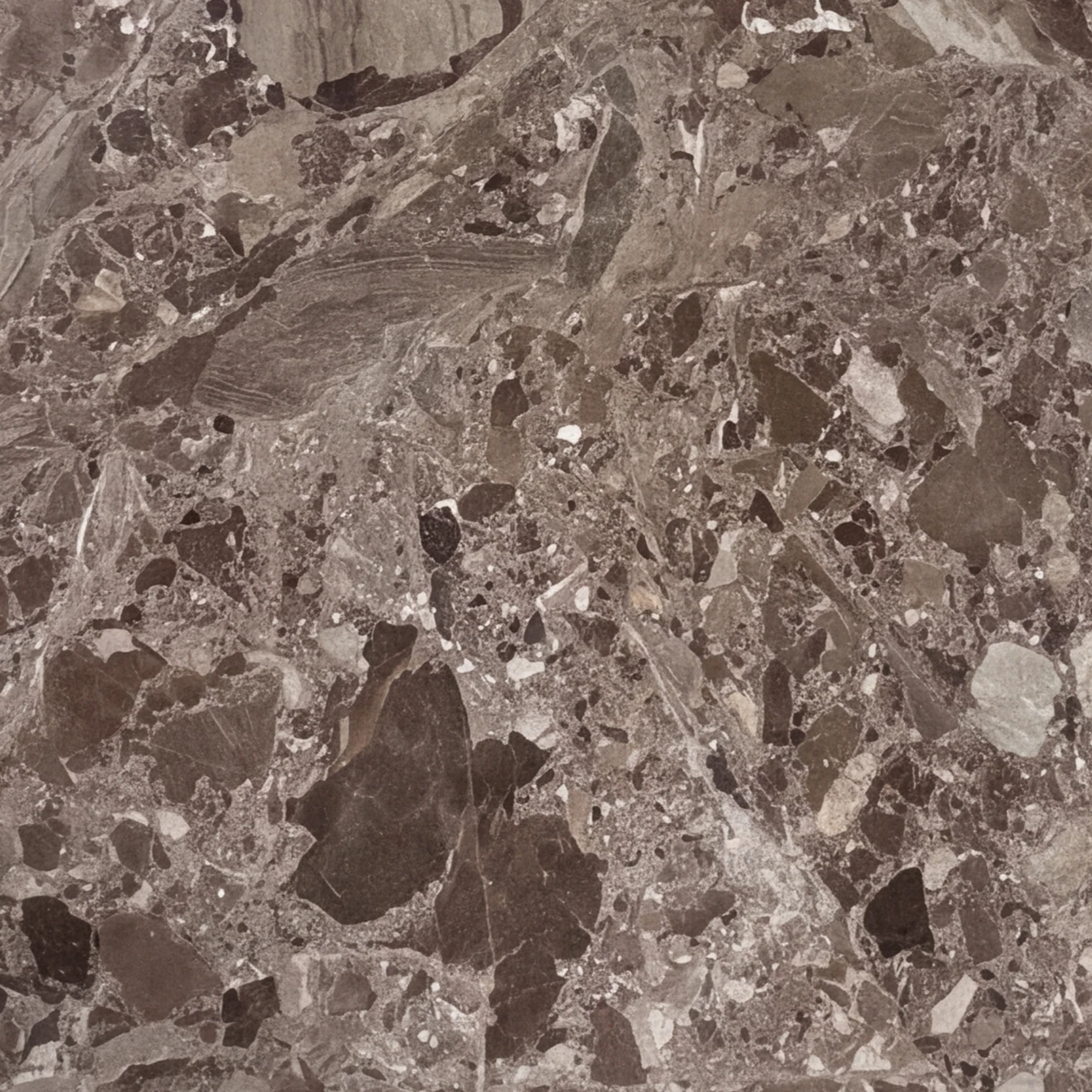
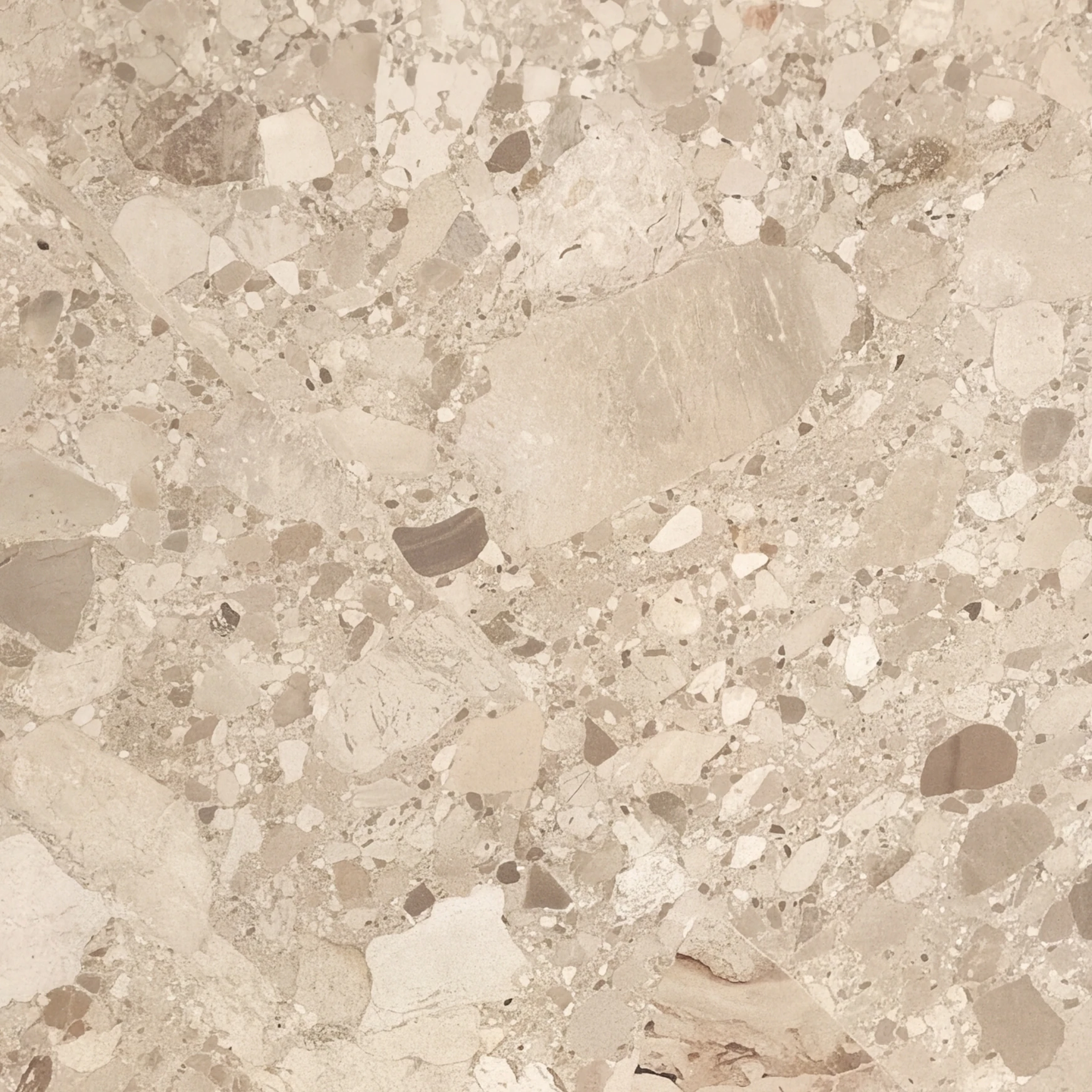
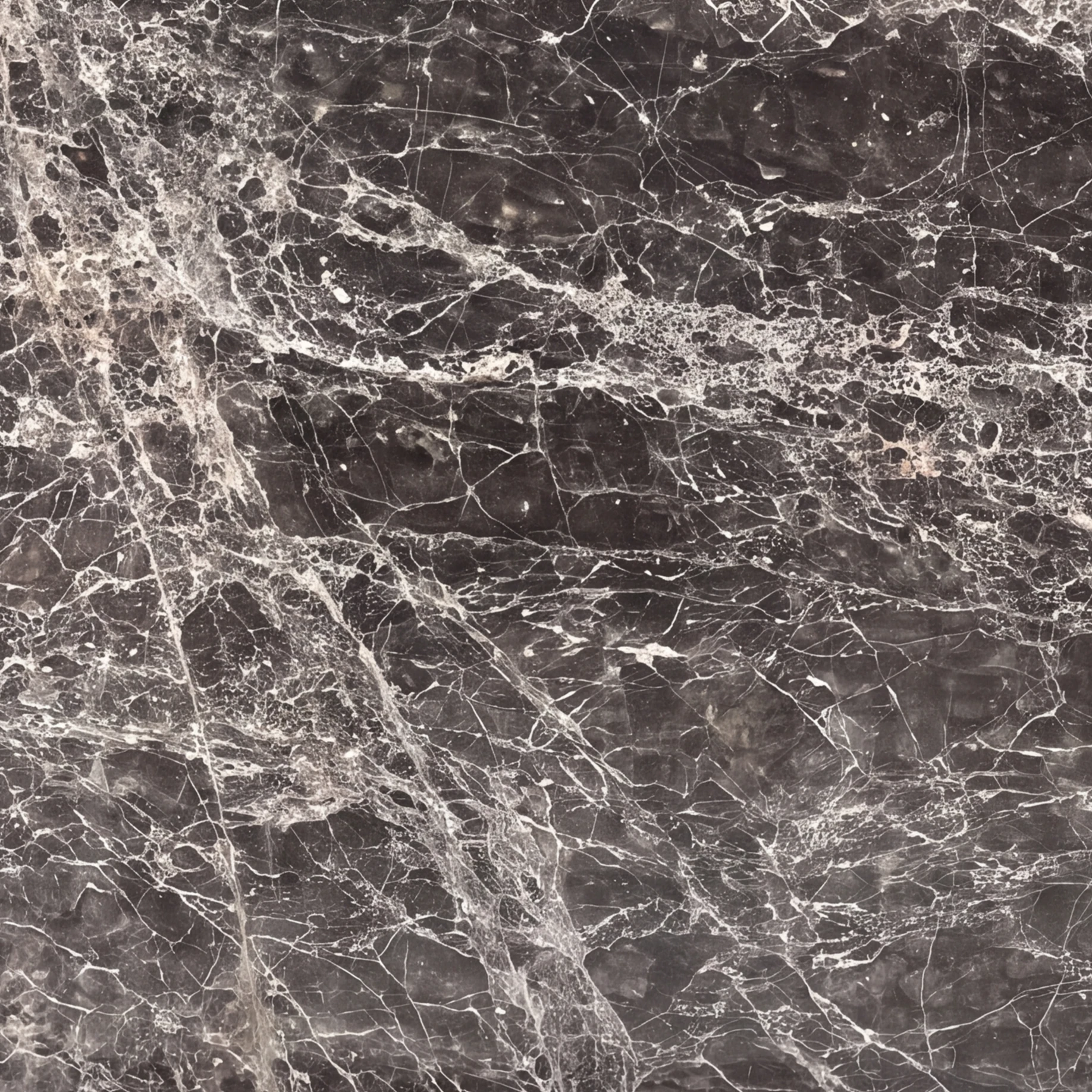

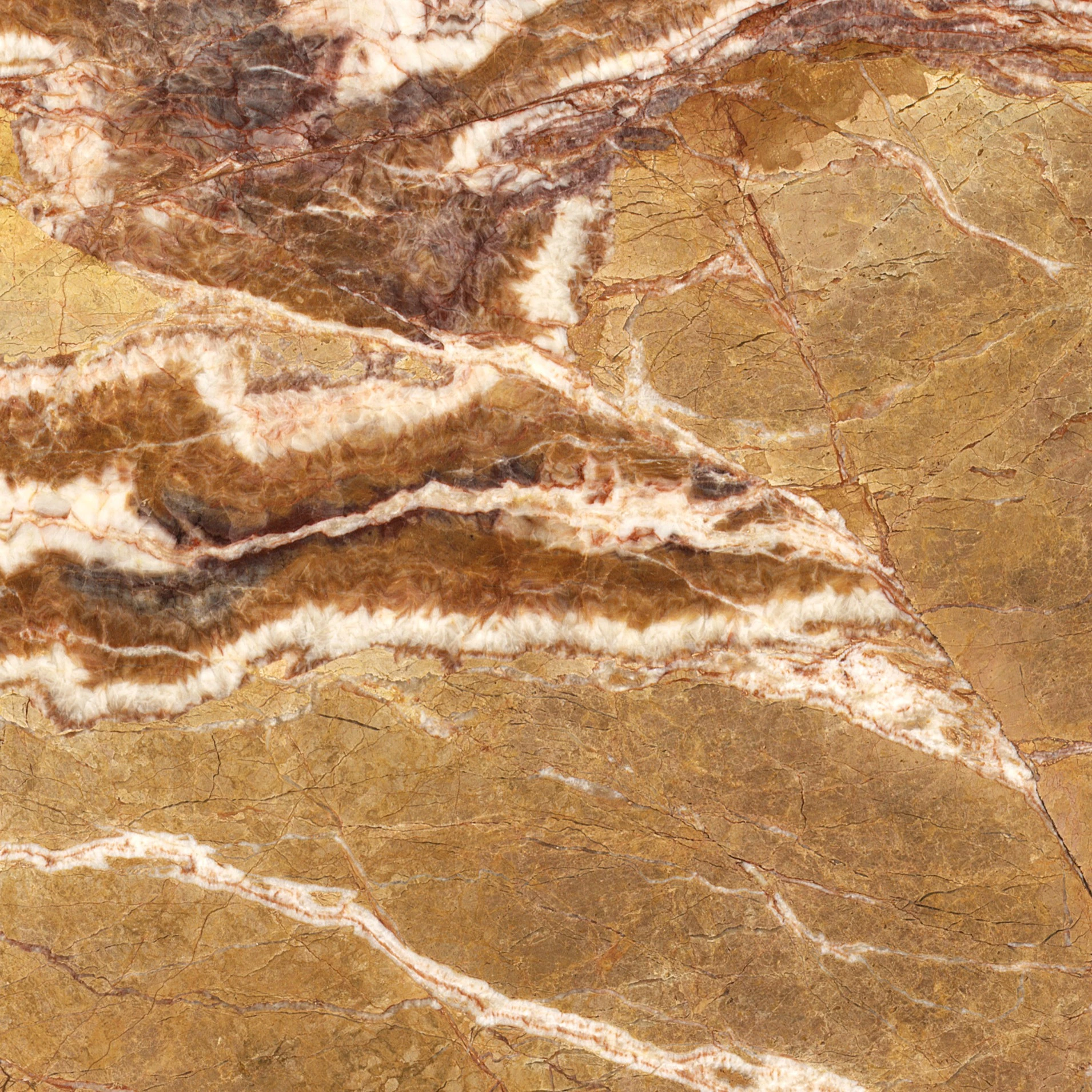
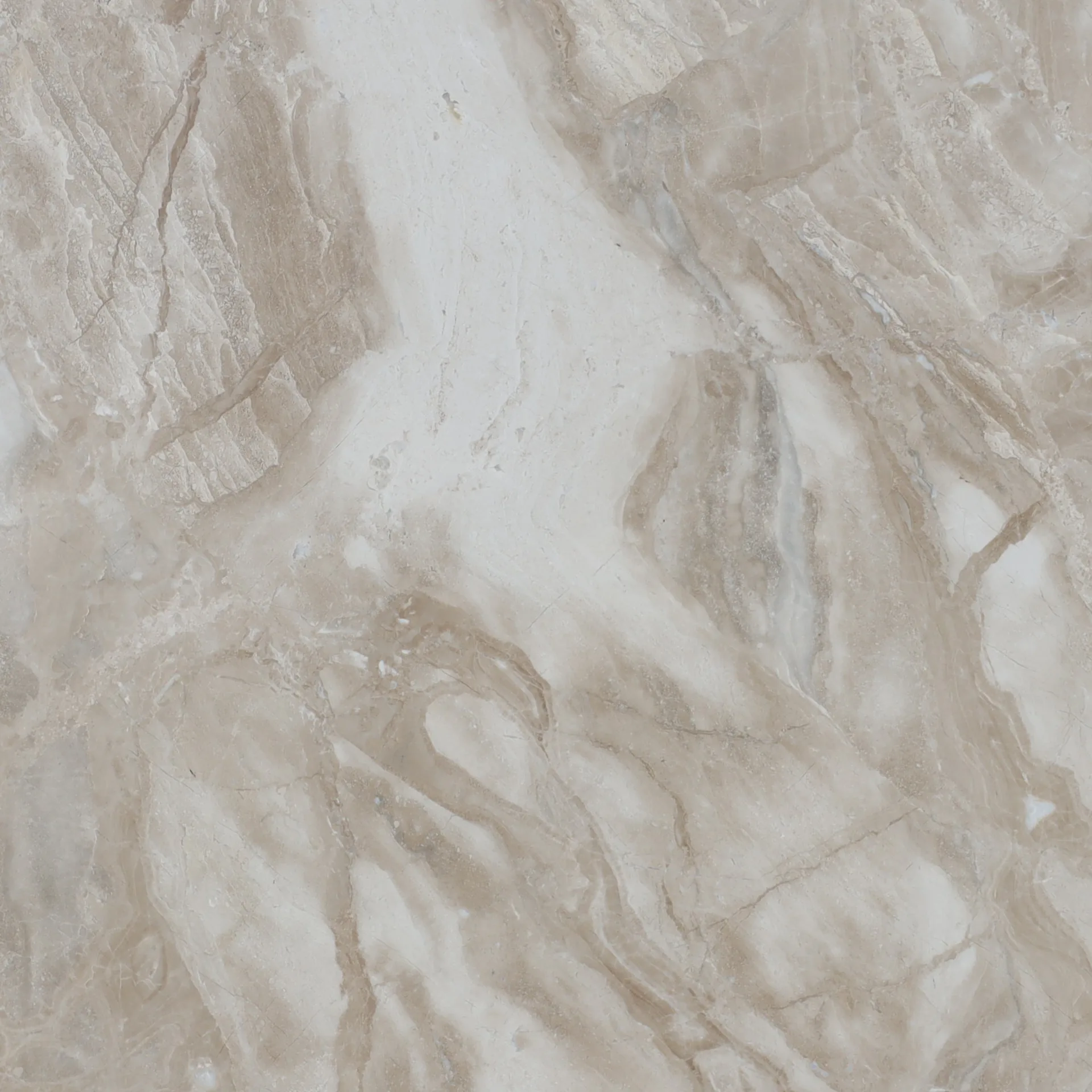
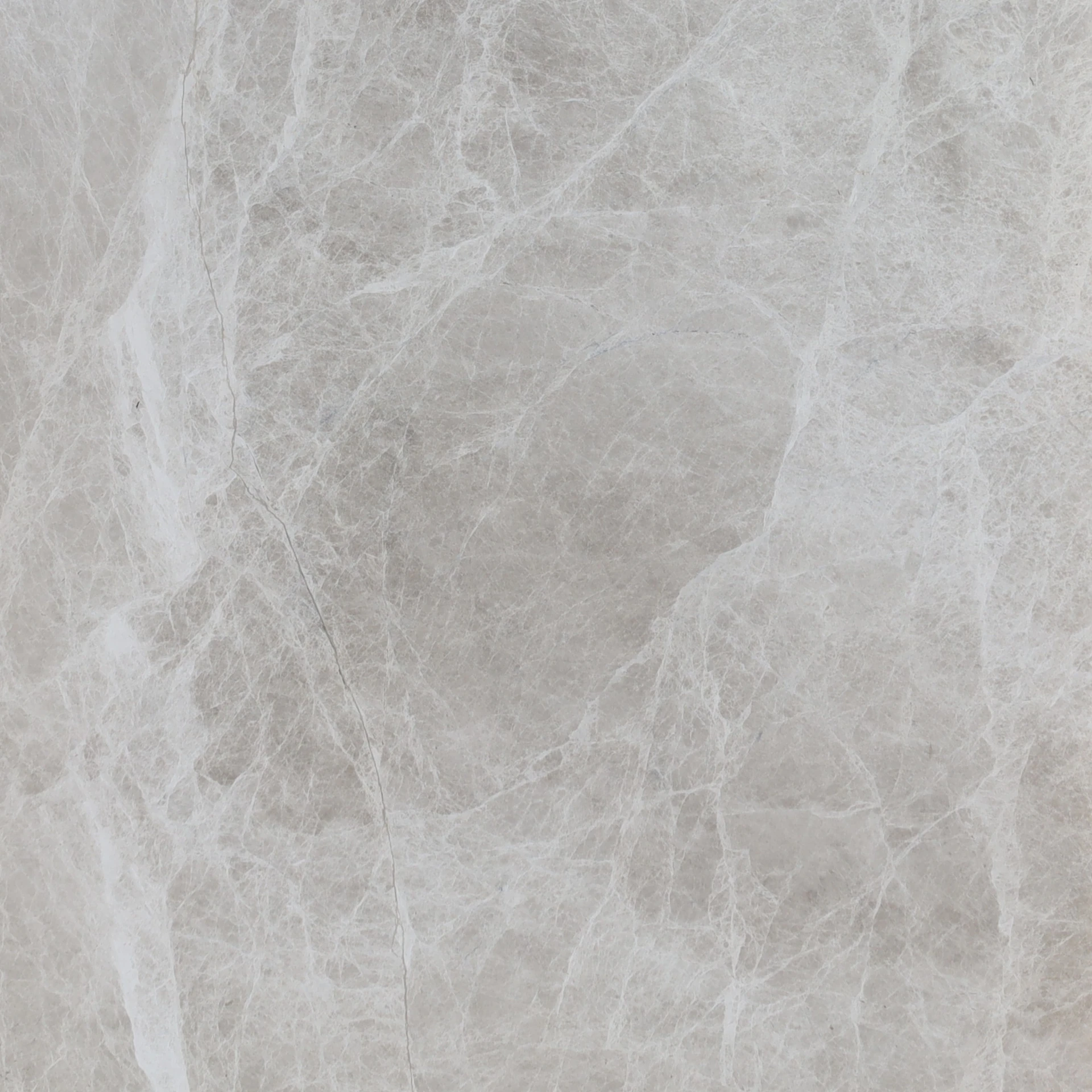
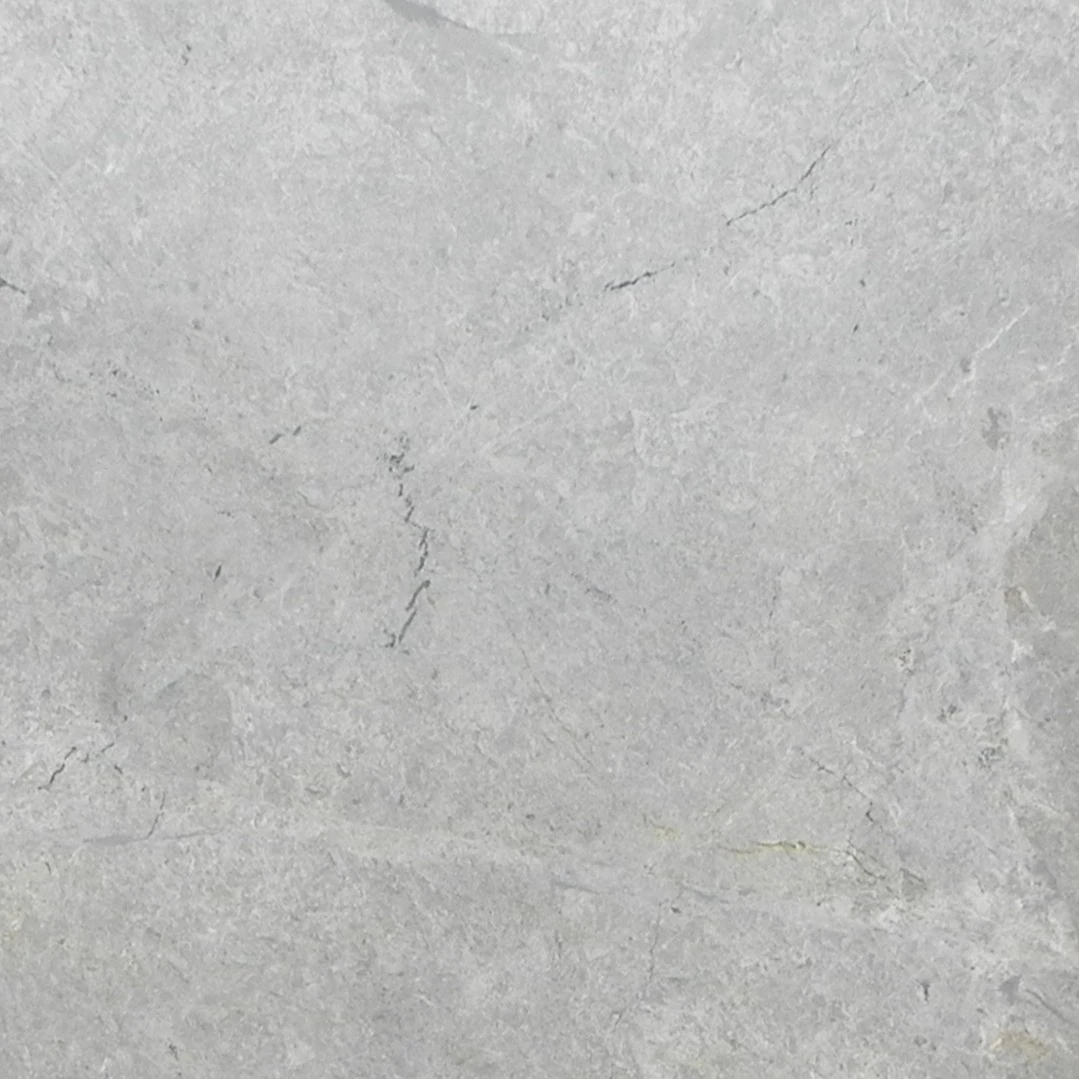
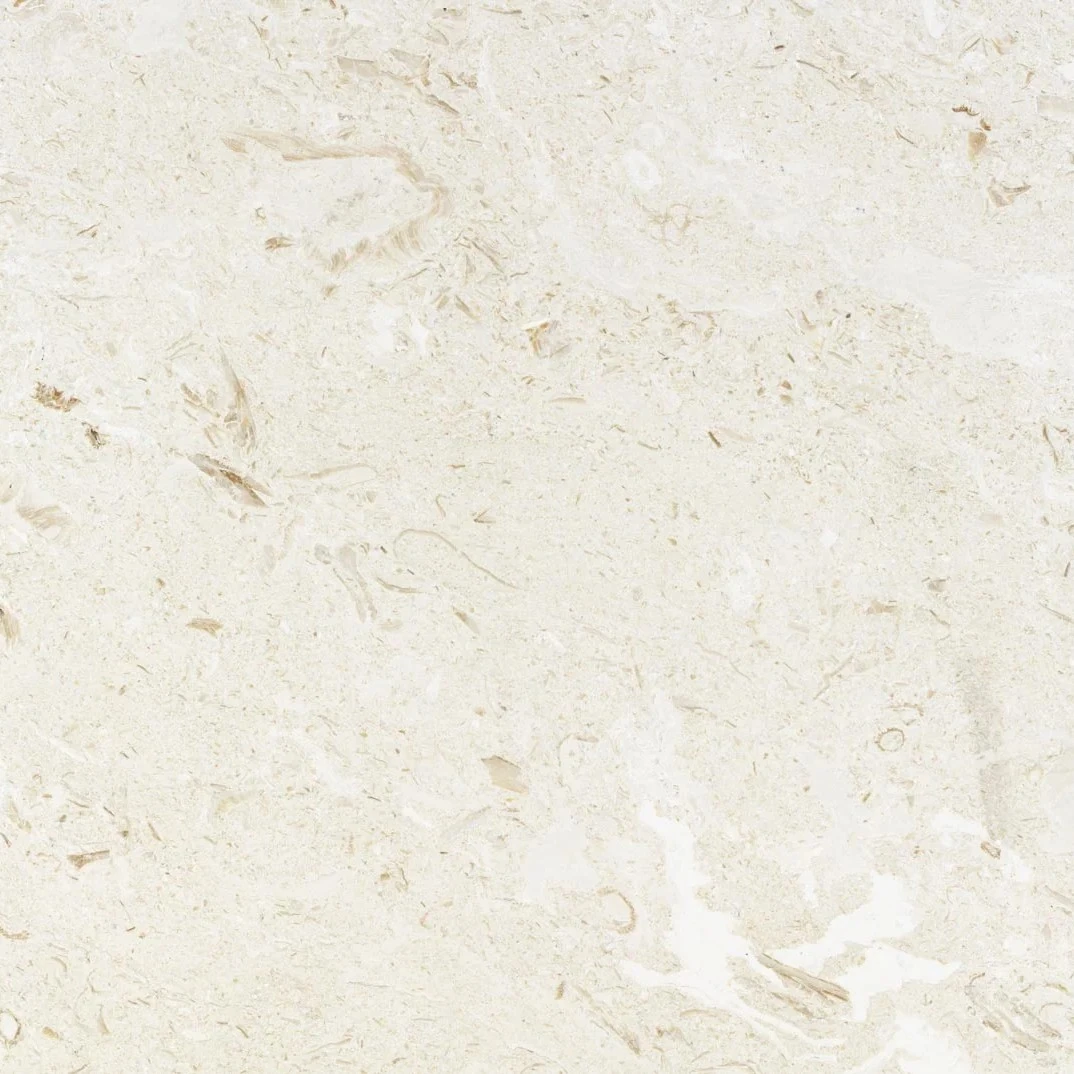
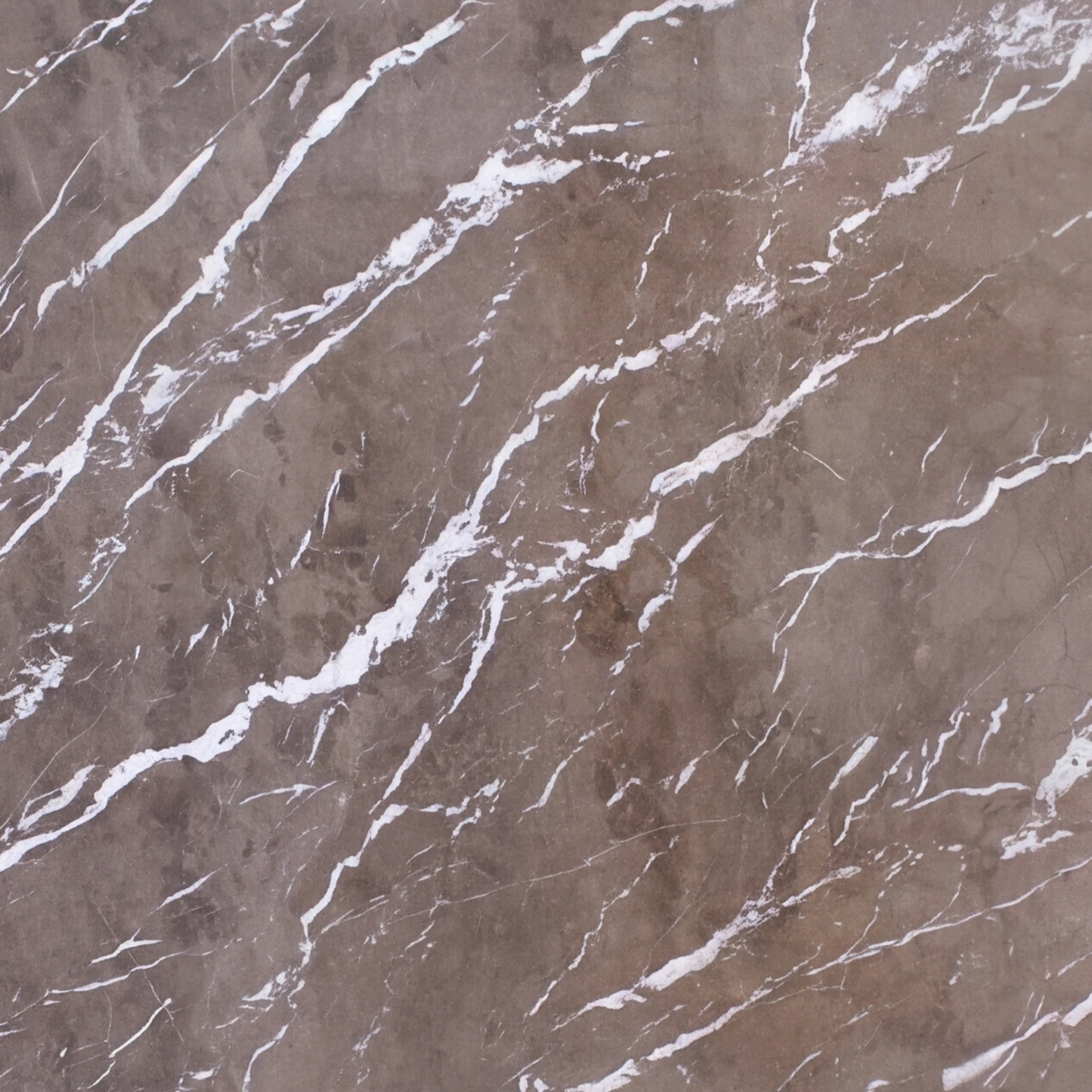
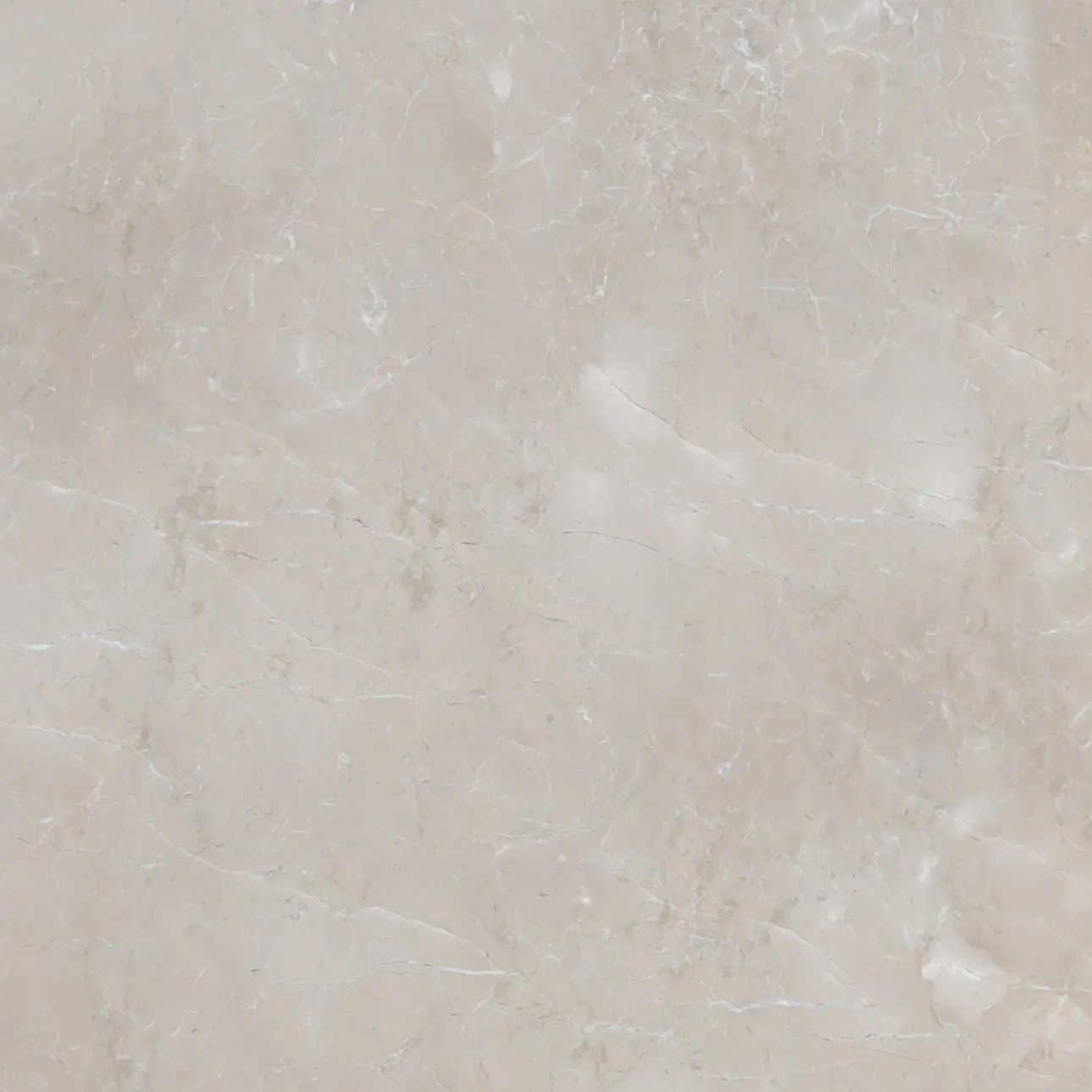
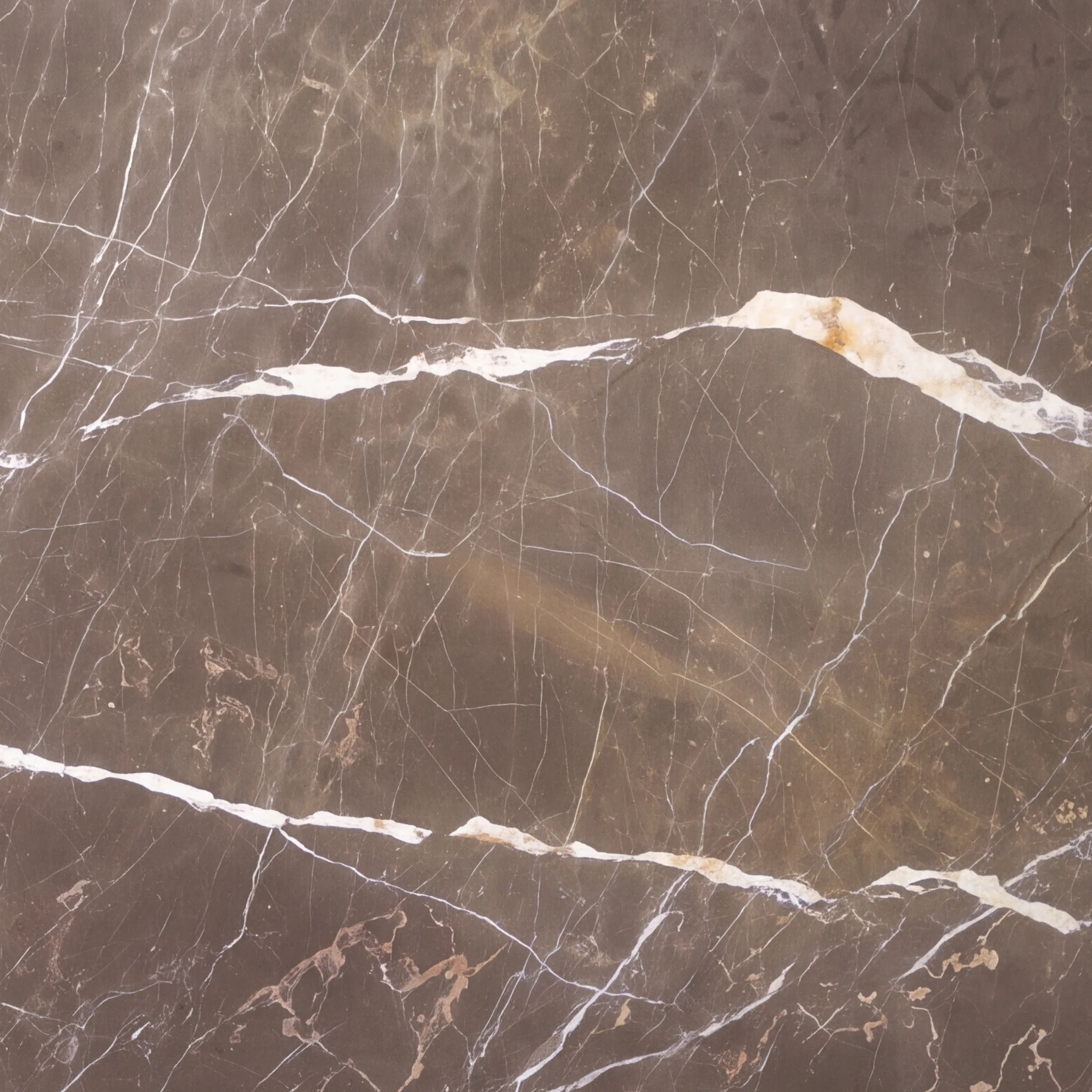
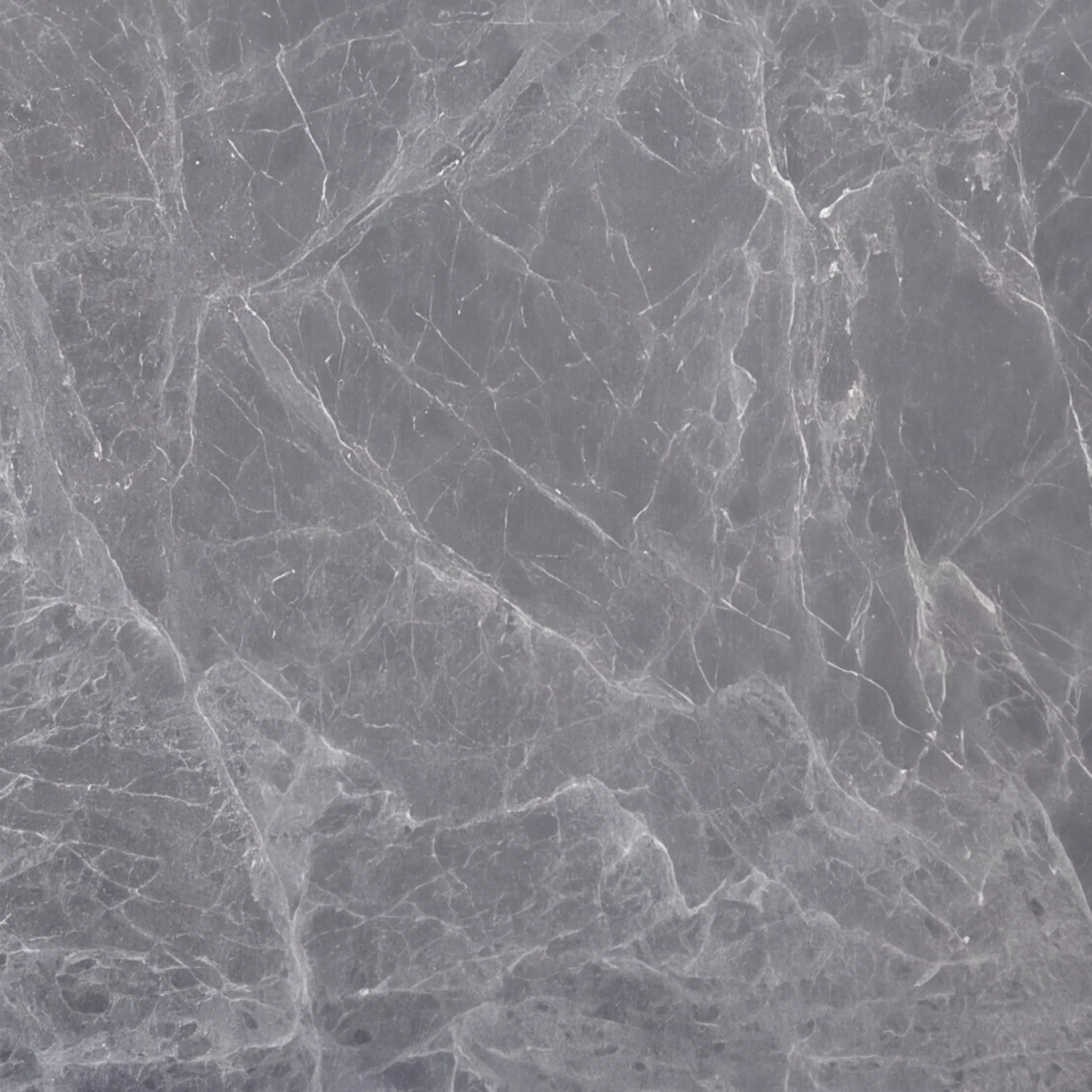
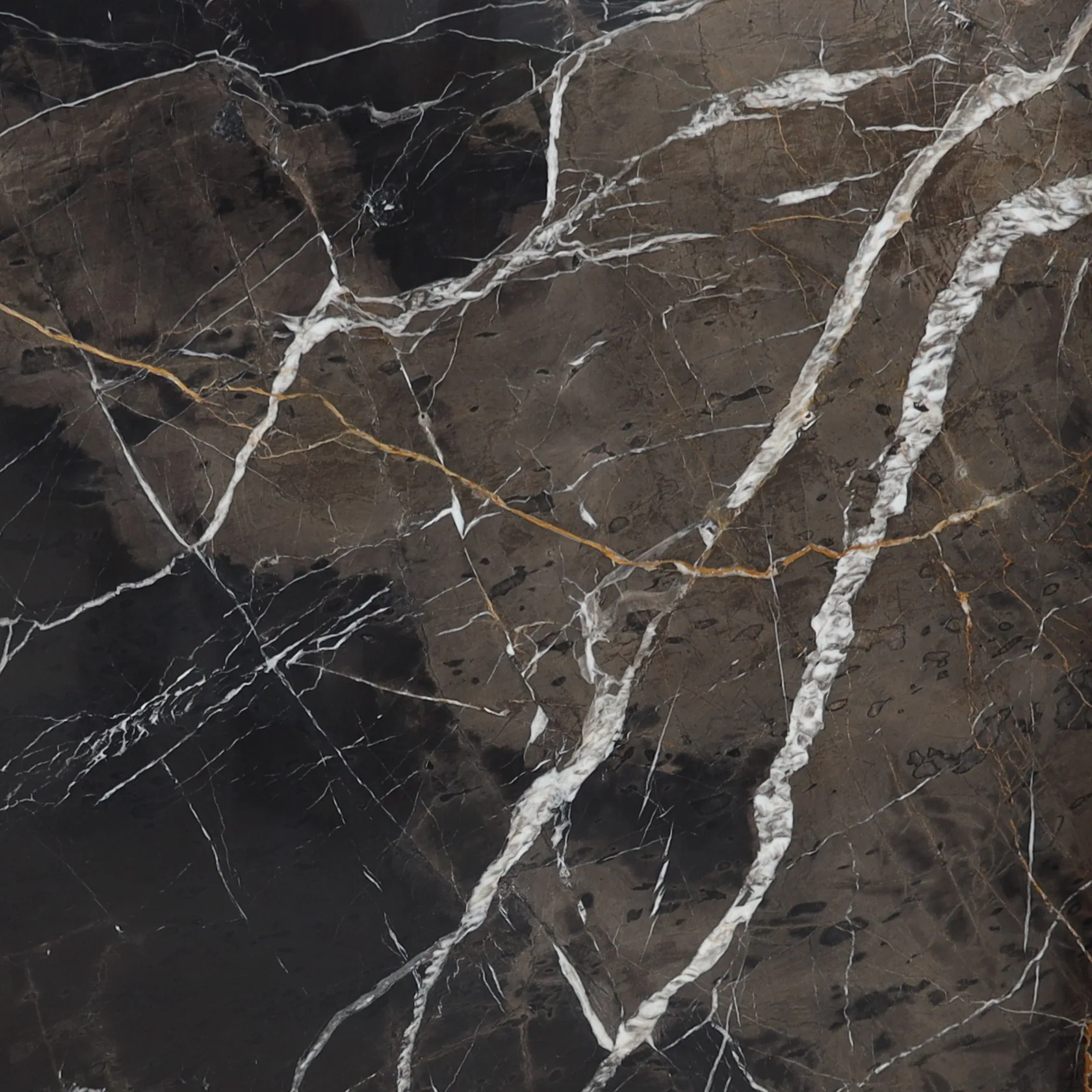
Beige marble is a sedimentary limestone that has undergone metamorphic recrystallization under intense heat and pressure. Composed primarily of calcium carbonate (CaCO3), this natural stone is characterized by its light-to-medium tonal range, varying from pale cream and ivory to deep sand and tan. In the global stone trade, beige marble represents the most significant market share for commercial flooring and wall cladding due to its neutral palette and high availability in large-format blocks.
For architectural and construction projects, the selection of this material is driven by its versatility. Unlike high-contrast stones, beige varieties provide a consistent background that facilitates color coordination across different interior elements. The geological maturity of Turkish beige marble deposits ensures a dense crystalline structure, making it suitable for high-traffic environments where mechanical resistance and longevity are primary procurement requirements.
Beige marble exhibits a spectrum of visual characteristics ranging from homogeneous backgrounds to intricate brecciated patterns. Veining is typically calcitic, appearing in white, gold, or light brown shades. Some varieties feature a 'grizzled' network or 'spider' veining, while others offer a 'cloudy' appearance with minimal linear movement. The stone's low light-refractive index allows for a soft, diffused glow when polished, which is a critical factor for interior lighting design.
Understanding the technical performance of beige marble is essential for correct specification. While exact figures vary by quarry, standard Turkish beige marble typically adheres to the following ranges:
When compared to alternative materials like porcelain slabs, natural beige marble offers superior repairability. Scratches or chips in natural stone can be mechanically ground and repolished on-site, whereas damage to printed porcelain surfaces often necessitates full tile replacement.
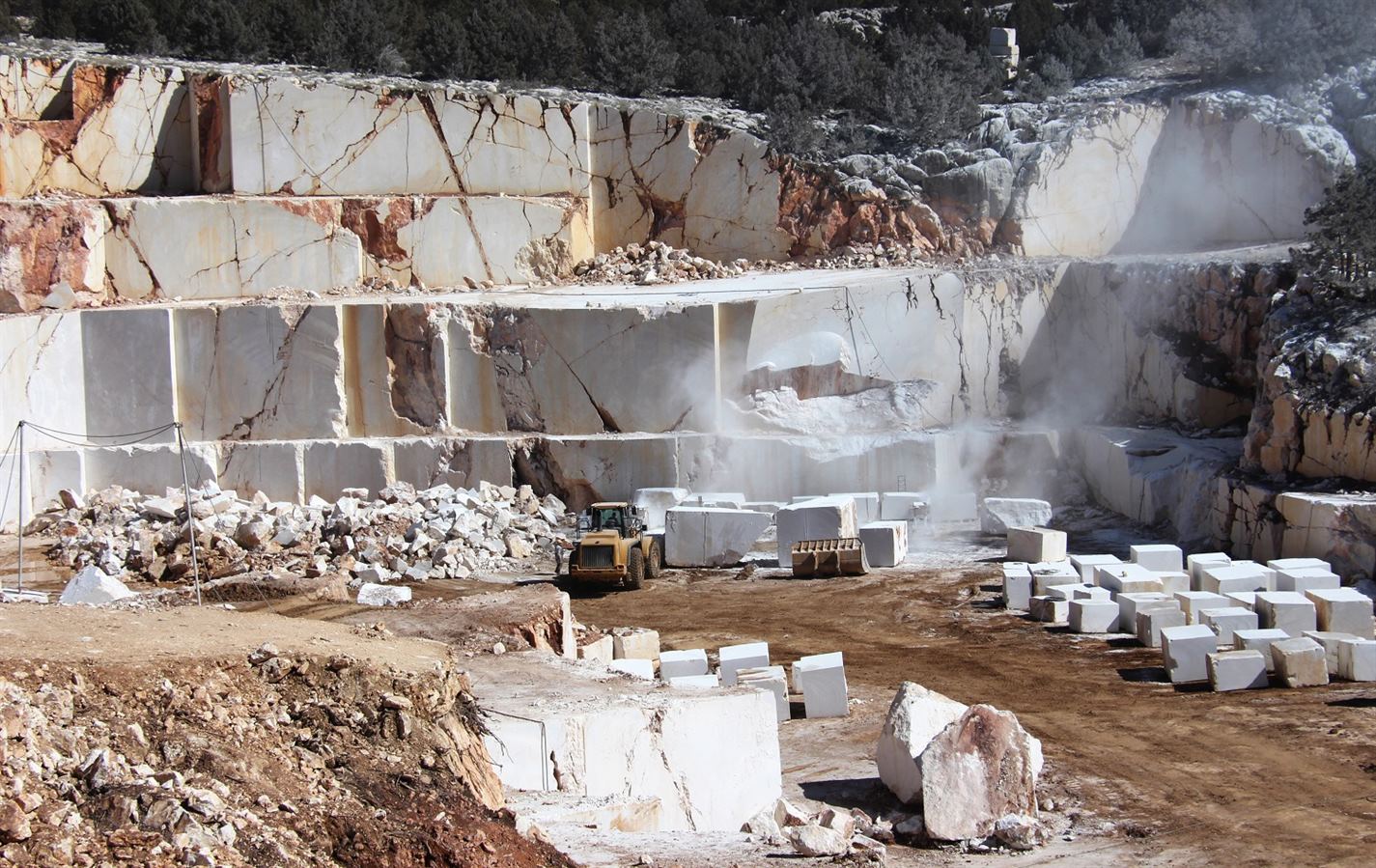
Efesus Stone manages a diverse portfolio of beige marble sourced from Turkey’s most productive quarry regions. Each variety is categorized by its geological origin and aesthetic profile:
Beige marble is the preferred material for interior flooring in luxury residential and commercial developments. Its thermal mass makes it an excellent conductor for underfloor heating systems. For vertical surfaces, beige marble wall cladding provides a durable and fire-resistant finish. In kitchens and bathrooms, Beige Marble Slabs are utilized for vanity tops and backsplashes. For detailed guidance on kitchen applications, see our article on Best Marble Kitchen Countertops.
Hotel lobbies, airport terminals, and office receptions utilize beige marble to create a sense of permanence and scale. The stone's ability to be polished to a high gloss or honed to a matte finish allows architects to specify the slip-resistance level required for public safety. For a deeper understanding of where these materials are most effective, refer to our guide on Where is marble most commonly used?.
While polished marble is primarily for interiors, sandblasted or bush-hammered finishes are suitable for exterior facades in temperate climates. We provide Crema Bella Beige Marble Block 10001 for fabricators requiring raw material for custom sculptural or architectural elements.
To meet diverse design requirements, Efesus Stone provides various mechanical finishes:
As a natural calcitic stone, beige marble requires specific maintenance protocols to preserve its structural integrity and appearance:
Established in 1943, Efesus Stone operates as a vertically integrated manufacturer and exporter. Our longevity in the Turkish natural stone sector provides our clients with several strategic advantages:
Learn more
Supply Notes
Coordinate availability, production details and documentation with the Efesus Stone team.
Coordinate availability, production details and documentation with the Efesus Stone team.
Coordinate availability, production details and documentation with the Efesus Stone team.