
Dolomite
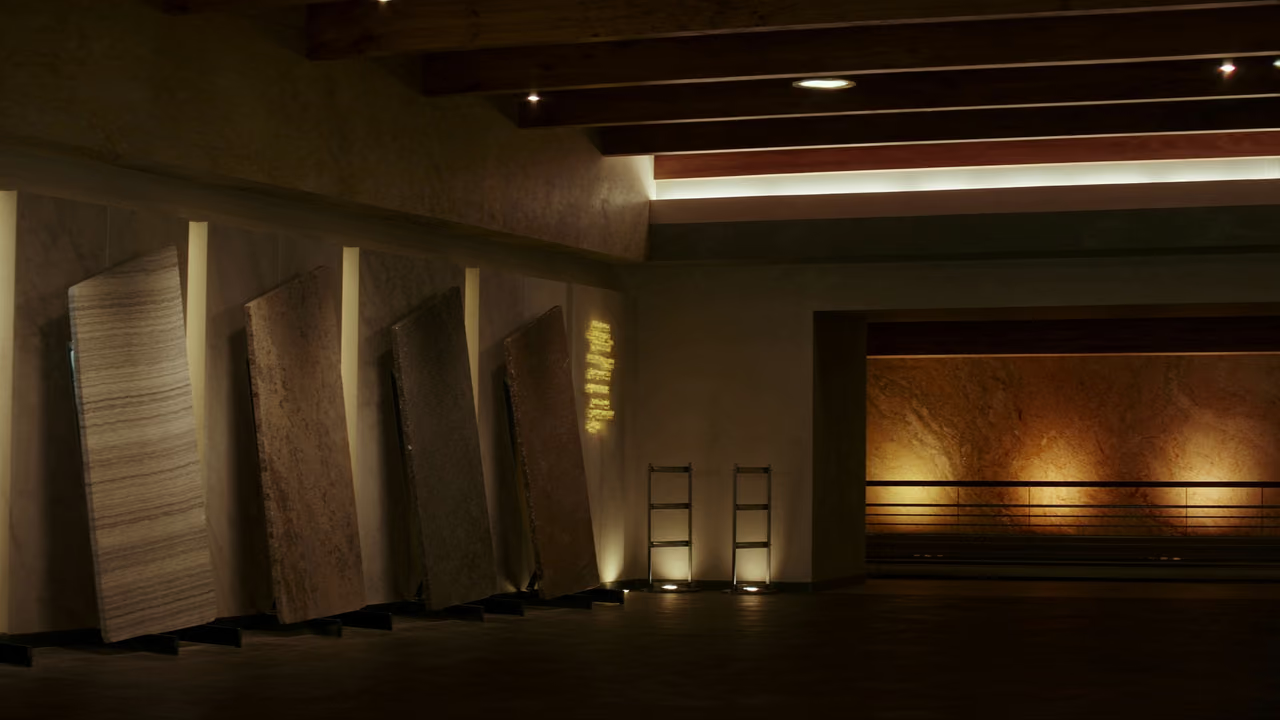


Dolomite Technical Sourcing Guide: Procurement Specifications for Premium Turkish Natural Stone
What is Dolomite?
Dolomite is a sedimentary carbonate rock primarily composed of the mineral calcium magnesium carbonate, CaMg(CO₃)₂. In the architectural sector, it is frequently categorized alongside marble due to its recrystallized structure and capacity for high-gloss polishing. Geologically, dolomite forms through a process known as dolomitization, where magnesium-rich groundwater interacts with limestone (calcite mud), replacing a portion of the calcium with magnesium. This chemical transition results in a denser, harder crystalline structure than standard calcitic marble.
For procurement managers and architects, dolomite represents a high-performance alternative to traditional white marbles. Its chemical stability and structural integrity make it a preferred material for large-scale commercial developments and high-traffic residential projects. Understanding the distinction between dolostone and limestone is critical for technical specifications, as the higher magnesium content affects both the stone's reaction to acidic environments and its overall compressive strength.
Characteristics and Properties
Visual Properties
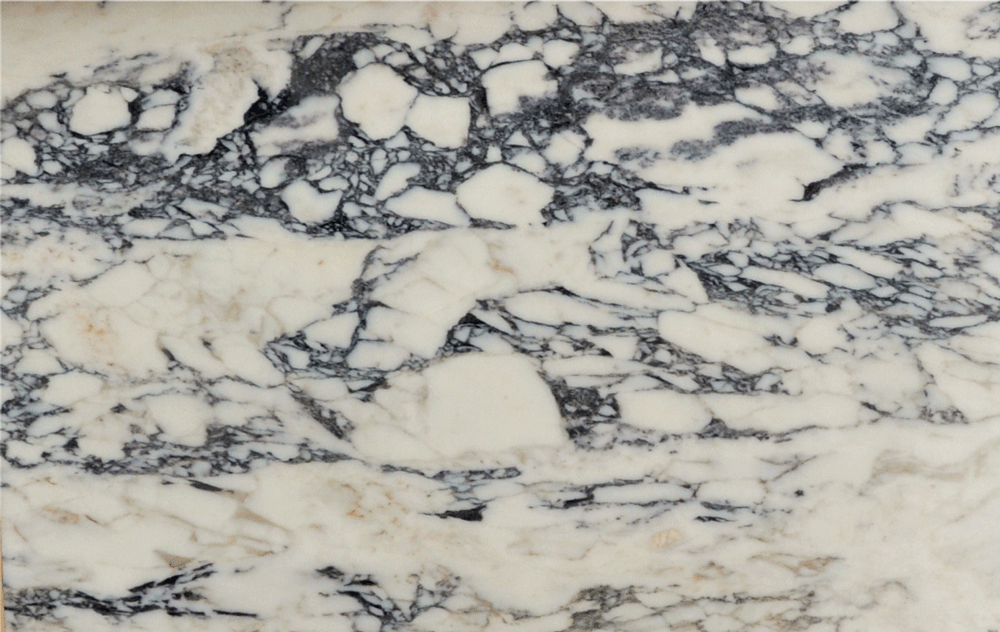
The aesthetic profile of dolomite is characterized by its high-purity white or cream base. Unlike many calcitic stones, premium dolomite often exhibits a crisp, crystalline background with subtle linear veining or soft gray clouds. Some varieties, such as Rosso Venato Dolomite, feature distinct reddish or burgundy veining, providing a sharp contrast against the neutral matrix. The stone often possesses a slight translucency, which designers utilize for backlit features or sophisticated wall installations.
Physical and Mechanical Specifications
Dolomite outperforms many standard marbles in several key technical categories:
- Hardness: Measures between 3.5 and 4 on the Mohs scale, offering superior scratch resistance compared to standard calcite-based marbles.
- Density: Typically averages 2.84 g/cm³, contributing to its structural durability.
- Water Absorption: Exhibits low porosity, often below 0.2%, which minimizes the risk of moisture-related staining or freeze-thaw damage in exterior applications.
- Compressive Strength: High load-bearing capacity makes it suitable for heavy-traffic flooring and structural cladding.
Material Comparison
When compared to Carrara or Calacatta (imported Italian varieties), Turkish dolomite provides a similar visual weight but with increased density. While it shares the aesthetic of white marble, its chemical composition makes it slightly more resistant to the etching process caused by mild acids, though professional sealing remains a requirement for all natural stone installations.
Popular Varieties
Efesus Stone manages a diverse portfolio of dolomite sourced from the most productive geological regions in Turkey. Our selection includes:
- Glacier White Dolomite (Marmara Island): Sourced from the Marmara Island region, this variety is known for its exceptionally clean white background and minimal inclusions. It is a staple for high-end hospitality projects.
- Glacier Dolomite: A versatile selection featuring soft gray veining. This material is frequently specified for large-format floor tiles where visual continuity is paramount.
- Rosso Venato Dolomite: A specialized variety with dramatic red veining, often utilized for statement pieces such as reception desks and feature walls.
- Bilecik White Dolomite: Extracted from the Bilecik region, this stone offers a warmer white tone with a very fine grain structure, ideal for precision carving and detailed architectural moldings.
- Marmara Equator: While technically a dolomitic marble from Marmara Island, its distinct gray linear stripes require specific alignment during installation to achieve the desired architectural effect.
For projects requiring specific color palettes, we also facilitate the procurement of premium imported selections such as Volakas or Statuario to complement our Turkish quarry production.
Applications and Use Cases
Interior Applications
The high density of dolomite makes it an excellent candidate for Best Marble Kitchen Countertops. Its resistance to wear ensures longevity in high-use areas. In bathroom environments, the low water absorption rate of Glacier White Dolomite prevents saturation and maintains the stone's integrity in humid conditions. For large-format applications, specify our Dolomite Slabs collection to ensure pattern matching and vein continuity across wide surfaces.
Exterior and Facades
Due to its resistance to climatic changes and high abrasion resistance, dolomite is frequently specified for exterior facade cladding. It maintains its color stability under UV exposure better than many organic-pigmented stones. In landscaping, it is used for garden paths and pool surrounds, provided the finish is adjusted for slip resistance.
Commercial and Retail
In hotel lobbies and office receptions, the stone's ability to take a high polish creates a professional, high-end environment. Its durability allows it to withstand the constant foot traffic of retail spaces without the rapid loss of luster associated with softer stones. For more information on commercial suitability, see Where is marble most commonly used?.
Finish Options and Technical Specifications
Efesus Stone provides a variety of surface treatments to meet specific architectural requirements:
- Polished: A high-gloss finish that enhances color depth and translucency. Recommended for wall cladding and low-traffic residential floors.
- Honed: A smooth, matte finish that provides a contemporary look while hiding scratches and etch marks more effectively than a polished surface.
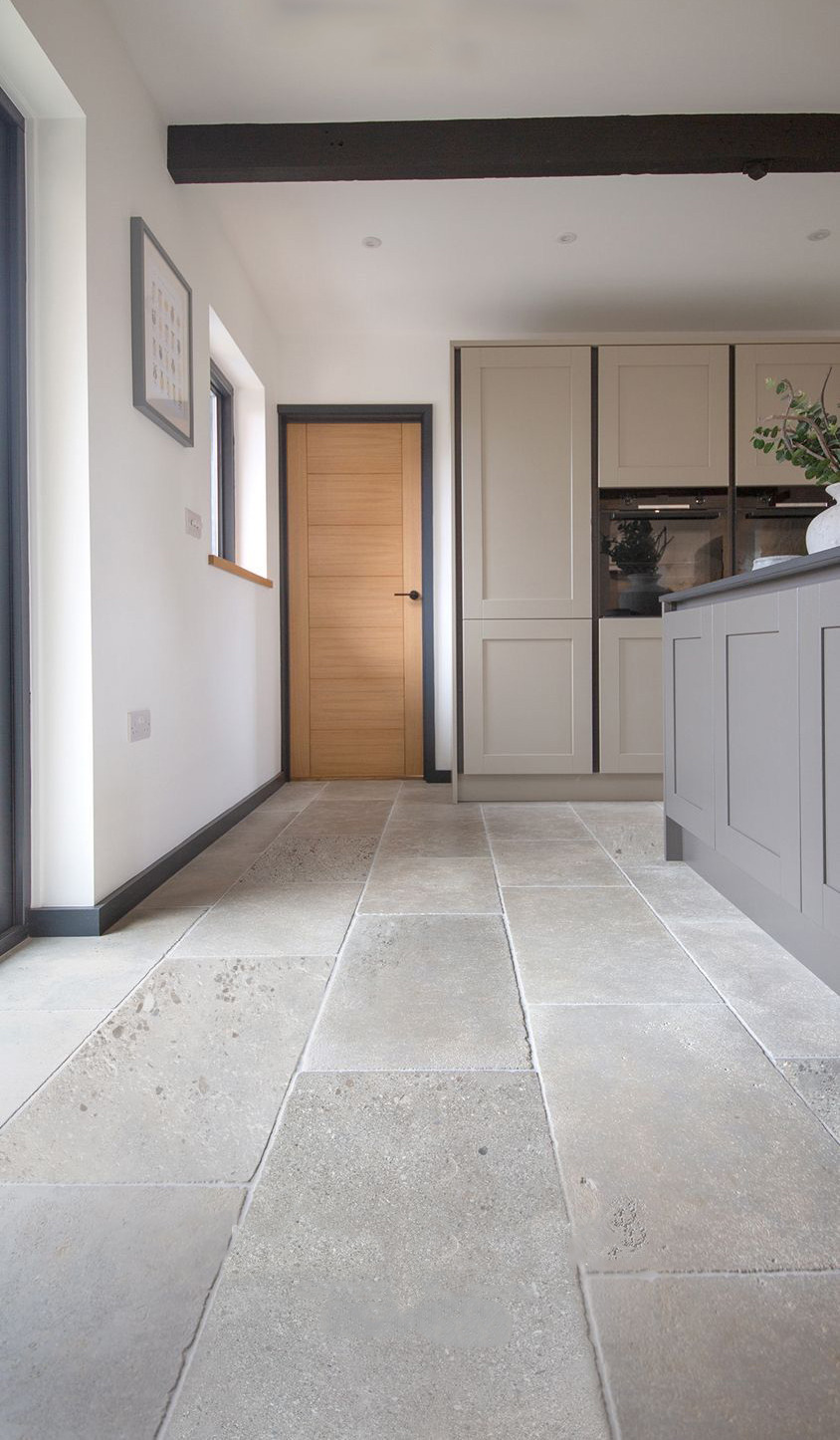
- Brushed/Antic: A textured finish that mimics the natural wear of the stone over time, providing increased slip resistance.
- Sandblasted: A high-friction surface ideal for exterior paving and wet areas.
Standard Dimensions
- Slabs: Typically available in 2 cm and 3 cm thicknesses. Standard slab sizes range from 280-300 cm in length and 160-190 cm in height.
- Tiles: Standard formats include 30x60 cm, 60x60 cm, and 60x120 cm. Custom cut-to-size options are available for project-specific requirements.
- Blocks: We export raw dolomite blocks for wholesalers and processing plants globally.
Care and Maintenance
Maintaining the structural and aesthetic integrity of dolomite requires adherence to professional stone care protocols. Since dolomite is a carbonate rock, it remains sensitive to acidic substances such as lemon juice, vinegar, and harsh chemical cleaners.
Sealing and Protection
A high-quality impregnating sealer must be applied upon installation. This sealer penetrates the surface pores to provide a barrier against oil and water-based stains without altering the stone's appearance. Resealing should occur every 12 to 24 months, depending on the intensity of use. For detailed guidance on maintaining stone surfaces, refer to How to Get Rid of Marble Stains?.
Daily Cleaning
Use ONLY pH-neutral cleaners specifically formulated for natural stone. Avoid abrasive pads or powders that can dull the polished surface. Spills should be blotted immediately to prevent the absorption of pigments into the crystalline structure.
Why Source from Efesus Stone?
Established in 1943, Efesus Stone maintains a legacy of excellence in the Turkish natural stone industry. Our vertical integration—from direct quarry access to advanced manufacturing facilities—ensures that we maintain total control over the supply chain.
Quality Control and Grading
Each slab and tile undergoes rigorous inspection. We categorize our dolomite based on color consistency, vein density, and structural soundness, ensuring that the material delivered aligns perfectly with the architect's specifications. Our grading standards are designed to meet the high expectations of the B2B procurement sector.
Logistics and Export Capability
We specialize in the international export of premium dolomite. Our packaging systems utilize reinforced wooden crates and A-frames designed to withstand maritime transport, ensuring that the material arrives at the project site in pristine condition. From custom cutting to specialized finishing, Efesus Stone provides a comprehensive solution for global architectural projects. To understand the geological heritage of our materials, see The History of Marble: Unveiling Efesus Stone's Significance.
Frequently Asked Questions

Supply Notes
Sizing, finishing and selection support.
Custom sizes
Coordinate availability, production details and documentation with the Efesus Stone team.
Project finishes
Coordinate availability, production details and documentation with the Efesus Stone team.
Export packing
Coordinate availability, production details and documentation with the Efesus Stone team.